










Alaska Trucking
Association



Learn more about what powerful, fuel efficient Volvo haulers can do for your operation.

907.563.3822
Fairbanks
907.931.8808
Juneau
907.802.4242
Ketchikan
907.247.2228

Sales Rep.
Anchorage Branch
Sales Rep.
Fairbanks Branch
In Alaska, The best sales and products support lineup.
In your corner, The winning team.

About The Cover

First National Bank Alaska’s upgraded digital banking solutions bring secure fraud alerts, reliable transaction tracking, seamless payment processing and automated invoicing into one convenient online and mobile banking experience – giving Alaska businesses like Metro Cooks the tools and flexibility to bank anytime



-
Editorial
Tasha Anderson, Managing Editor
Scott Rhode, Senior Editor
Rindi White, Associate Editor
Emily Olsen, Editorial Assistant -
PRODUCTION
Monica Sterchi-Lowman, Art Director
Fulvia Caldei Lowe, Production Manager
Patricia Morales, Visual Content Designer -
BUSINESS
Billie Martin, President
Jason Martin, VP & General Manager
James Barnhill, Accounting Manager -
Sales
Charles Bell, VP Sales & Marketing
907-257-2909 | cbell@akbizmag.comWeston Giliam, Account Manager
907-257-2911 | weston@akbizmag.comJoshua Wilks, Account Manager
907-257-2917 | jwilks@akbizmag.comTiffany Whited, Marketing & Sales Specialist
907-257-2910 | tiffany@akbizmag.com -
Contact
akbizmag.com | 907-276-4373
Press releases: press@akbizmag.com
Billing: accounts@akbizmag.com
Subscriptions: circulation@akbizmag.com
From the Editor
But I’ve never driven the Dalton Highway. It was open to the general public by the time I started driving, and I remember telling my parents of plans to drive northward, drawn by the fancy of arriving in a remote place for no reason other than to say I did.
That Wasn’t
There
alternatives to
absent
billboards
isitors to Alaska immediately notice the stunning scenery. Noticing what isn’t there, however, takes longer: the absence creeps in slowly before Outside tourists look around and observe, “There are no billboards here!”
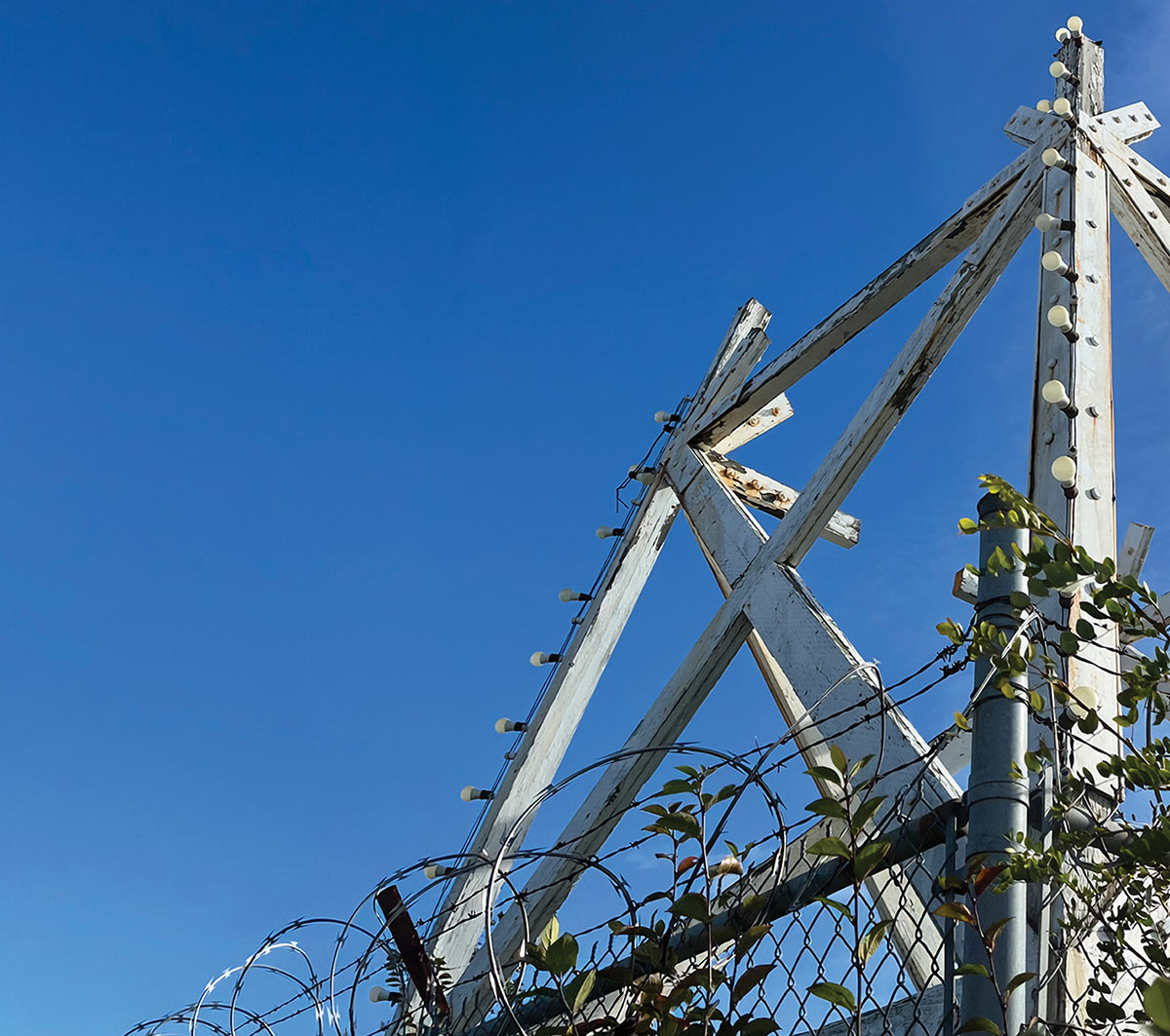
Alaska is one of four states that ban off-site commercial signs. Hawai’i, Maine, and Vermont have also chosen to protect their viewsheds at the expense of outdoor advertising. Anywhere else, roadside rectangles are part of the landscape.
Billboards are a business Alaska has elected to do without, so alternatives have sprung up in their place.
id you know the average American adult sees as many as 10,000 advertising impressions per day? We are bombarded by marketing messages everywhere we turn!
Have you ever thought, “I’ll try this advertising campaign for a few months, and if I don’t see X dollars in new sales or X new customers, then it didn’t work”? That approach is both short-sighted and unrealistic, particularly in B2B markets.
The businesses that win in today’s crowded marketplace understand that advertising is not just about immediate results. Advertising is about building awareness, credibility, and trust over time.


Reuse, or
Share the
Space?
buildings keep costs
of construction down
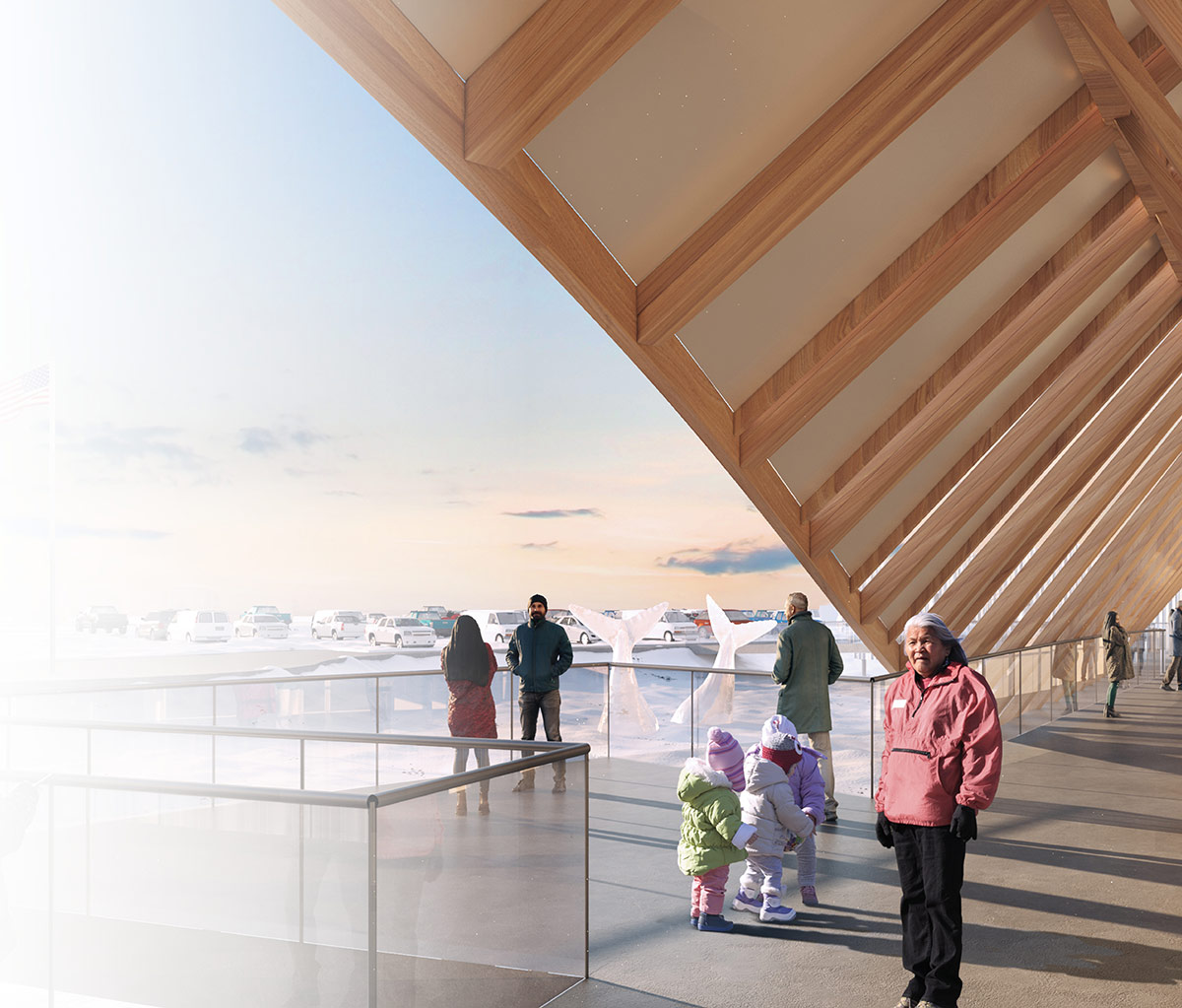
reating multi-use buildings or reimagining existing space can provide enormous cost savings in rural Alaska communities where material must be barged or flown in.
“Half the cost of construction in rural Alaska is shipping and overhead, such as contractors’ insurance and lodging, not all of which can be recovered,” explains LCG Lantech President Ryan Wrocklage. “I’ve seen it go as high as 60 to 65 percent.”
Bringing in labor requires setting up self-sufficient camps or rotating in personnel, a process that is further complicated by short working windows due to weather. Many towns and villages are also limited by budget restrictions, which is why these areas often try to get more bang for their buck. To this end, a lot of rural construction is made to be multi-use, or existing buildings may be redesigned to serve new occupants.


Critical
Mineral
Accelerator
for mining innovation
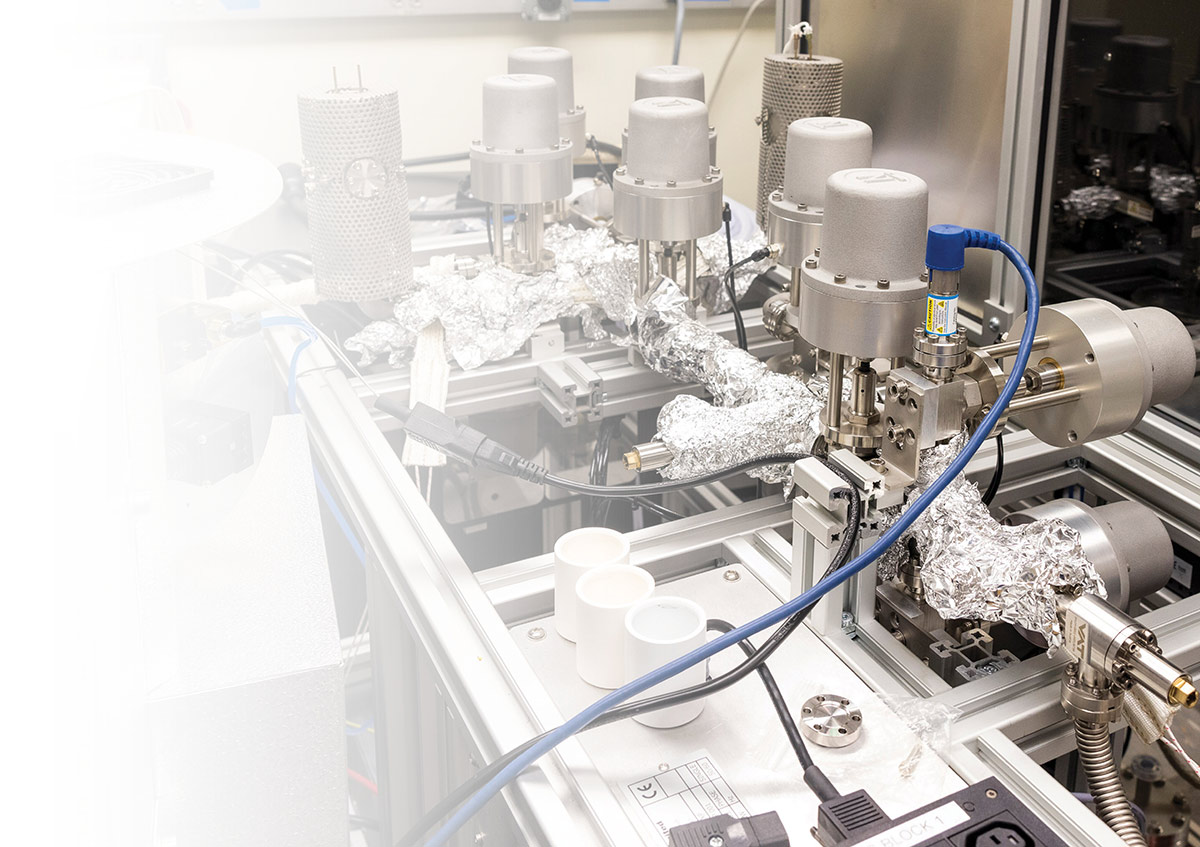
f the sixty critical minerals the US Geological Survey considers essential to the nation’s economy and national security, fifty-six can be found in Alaska. To spur development, the National Science Foundation (NSF) funded a critical minerals program led by UAF along with eleven other collaborative teams working in twenty different states.
“Think of it as connecting the dots between what Alaska has in its mineral wealth, what researchers can discover, what companies can commercialize, and what the nation urgently needs,” says Munk.

eventy years is a long time to stay useful. Most organizations that reach that milestone spend their time defending their past. United Way of Anchorage keeps reshaping itself around what Anchorage needs now.
Under President and CEO Eric Utraq Billingsley, the organization has grown well past its fundraising roots. It’s become the place to which Anchorage turns when a problem is too big for any single group to tackle, pairing local data with strategic investment and partnerships across business, government, and the nonprofit sector.
“United Way of Anchorage brings together people,” Billingsley says. “We use real data, and we take action on community-wide challenges that no single organization can solve alone. Partnerships are not something that sits on top of all of this; it’s fundamental to the work that we do.”
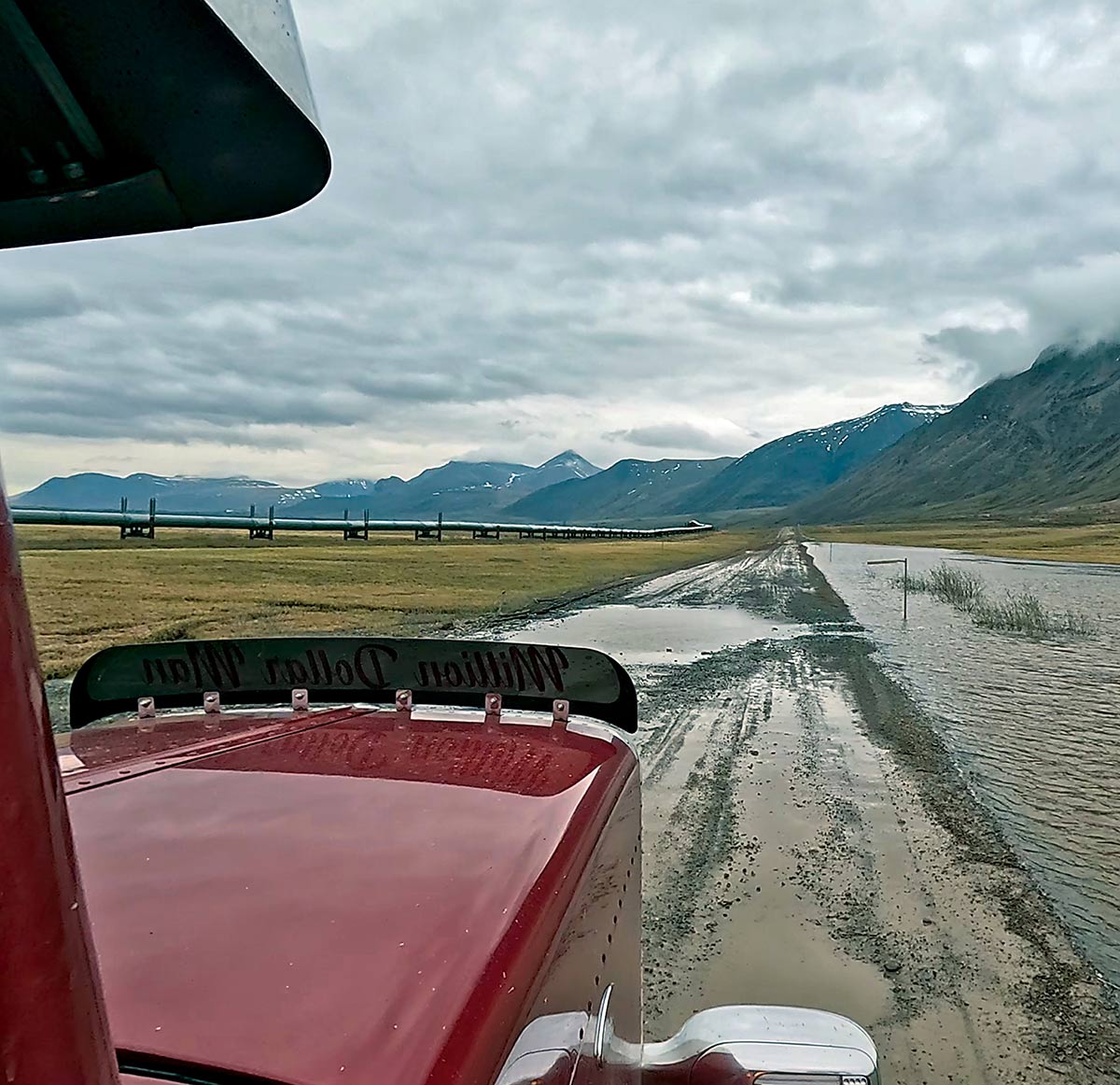
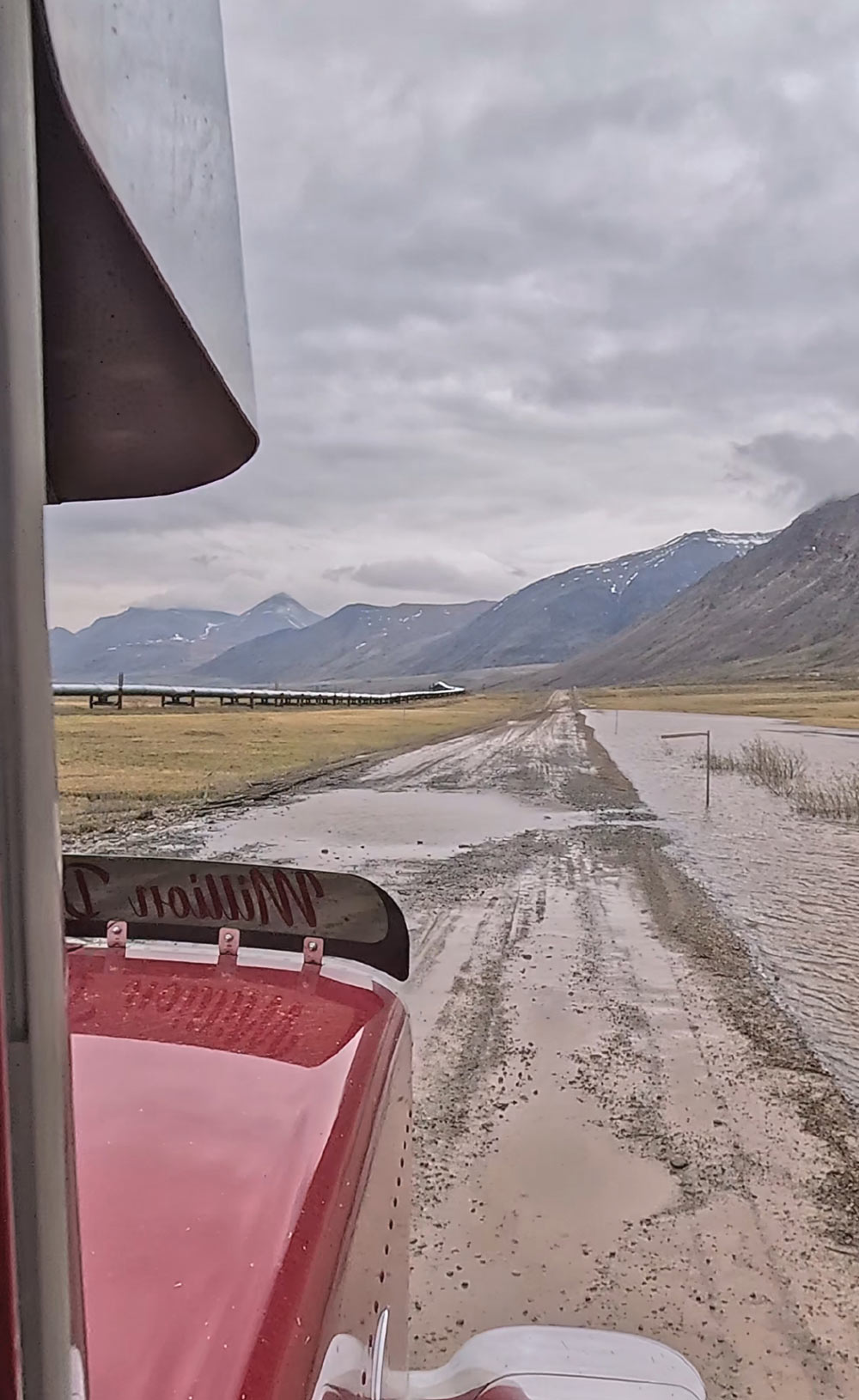
rom the Community Winter Access Trail to the Pan-American Highway, from the Willow and Pikka projects to the proposed Ambler Access Road, the Dalton Highway is a lifeline to the top of North America. But despite fifty years of improvements, unevenly thawing permafrost and an uncertain financial foundation have frayed the North Slope’s road to the rest of the world.
The Dalton’s increasing fragility comes at a time of growing demand. The Alaska LNG project could significantly expand industrial use of the road. At the same time, increasing numbers of Arctic tourists, whether bicyclists or exploratory electric vehicle drivers, seek to taste the road’s dust and slap its mosquitos for themselves.

future while
protecting what
makes Alaska special.




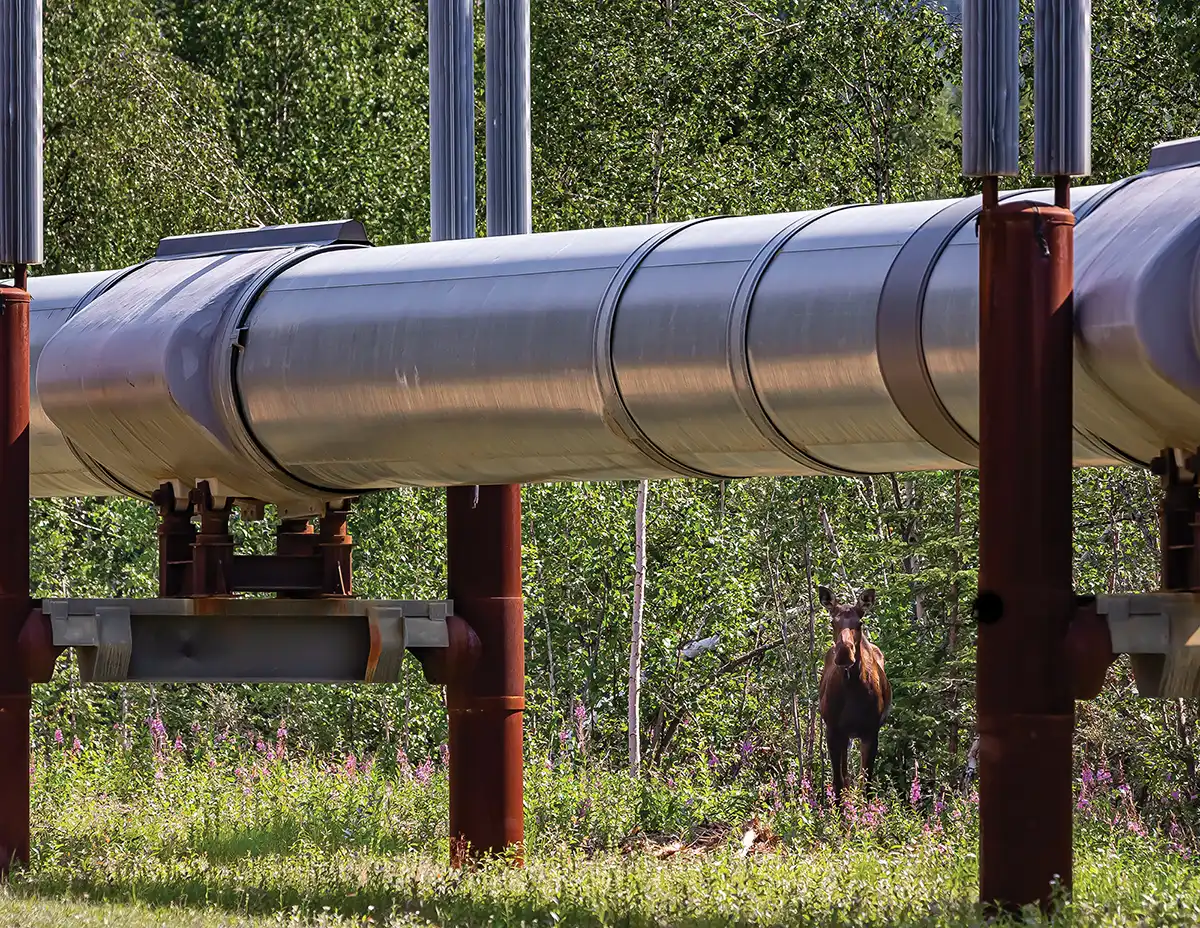


Alaska is currently a charged environment, with the state managing local, national, and international interest in what resources the state has to offer—and how to develop them. Inside this special section and throughout this issue, Alaska Business has gathered updated information on oil and gas and mining projects; using tech to improve efficiency and outcomes in the mining industry; developing (at last) a plan for timber in the Tongass; a new report on what’s impacting Alaska’s king salmon; and the Golden Heart Greeters, Fairbanks’ free—yet priceless—resource for visitors to the Interior.

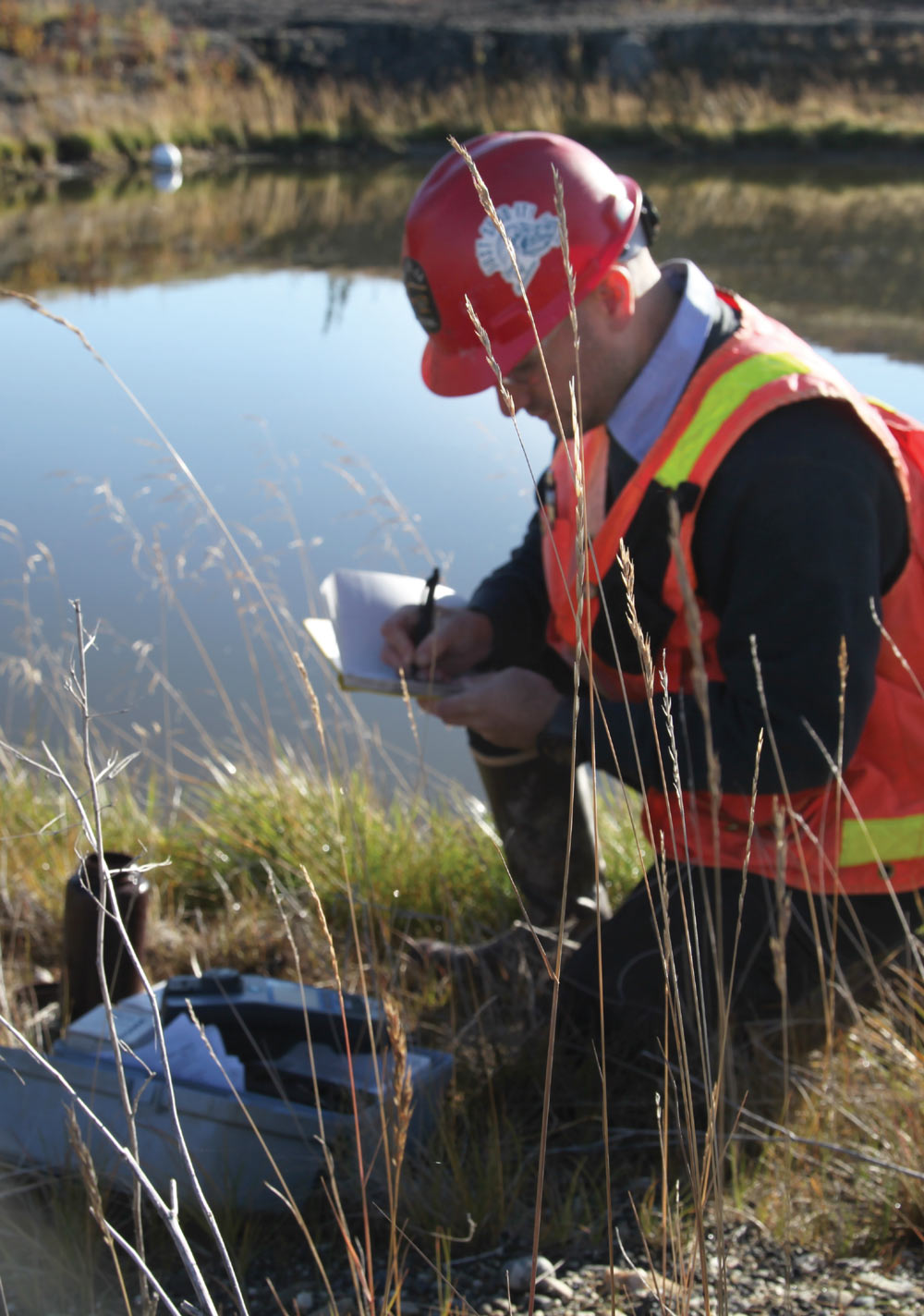
laska mining companies are combining proven engineering with real-time data, advanced recovery systems, aerial drones, and digital compliance tools to extract more value from natural resources while shrinking long-term environmental risk. This represents a broader shift in Alaska mining where technology is no longer confined to increasing production. Tech is being used to recover more metal from ore already mined, reduce the volume or risk profile of tailings or leftover material, improve water management, lower energy demand, protect workers, and produce the data needed to satisfy increasingly detailed permit requirements.
At the same time, state regulators are using real-time data, satellite connectivity, digital models, and aerial imagery to monitor sites spread across a vast and logistically demanding landscape.
This shift matters in Alaska, where mining is a major economic driver but faces constant environmental scrutiny. Technology is especially valuable at remote sites, where sampling, communications, and field inspections tend to be more costly and complex.
laska’s mining industry remains a major contributor to the state’s economy, supporting jobs, local businesses, public revenue, and infrastructure development. Its reach extends from long-established gold operations around Fairbanks and zinc and lead mining in the Brooks Range to emerging critical-mineral projects in Southcentral. Together, these activities illustrate both the scale of Alaska’s mineral resources and the range of conditions under which development occurs.
As 2026 closes, here’s a regional look at Alaska’s mining production, ambitious exploration programs, and major projects moving through the state’s permitting and development process.






Providing Decades of Continuous Operational Presence Across Alaska
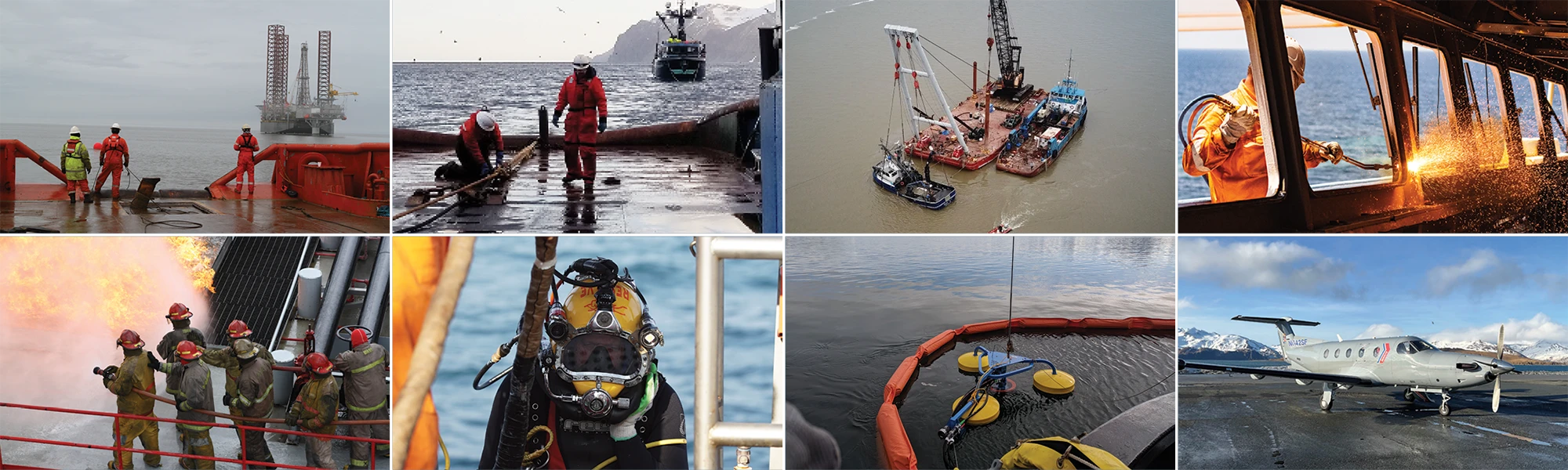
Aviation Charter Services ■ Marine Construction ■ Sommercial Diving ■ Wreck Removal
Disaster Relief & Debris Recovery ■ Fleet Maintenance & Repair Shipyard – Dutch Harbor
It Demands a Partner.
resolvemarine.com
New Plan

hen the US Forest Service last rewrote the rules for managing the Tongass National Forest in 1997, federal law required those rules to be revised every fifteen years. Nearly thirty years later, the agency is finally getting around to writing a new plan, a delay it now concedes in its own paperwork, describing the current effort as an update to “the current plan, adopted in 1997.”
The document has been amended twice since it was initially adopted, most substantially in 2016, but it has never had a true rewrite. That 2016 amendment is still the operative rulebook today. It directed the agency to supply 45 million board feet of timber from the Tongass annually, according to Tessa Axelson, executive director of the Alaska Forest Association, a target she says the Forest Service has never come close to hitting.
The Forest Service opened the current revision process in 2023, formally launched scoping in February 2026, and, after a schedule that has already slipped once, now expects to release a full draft sometime in early 2027.


 (907) 277-7611


ravelers to Fairbanks arrive with all types of adventure experiences in mind. First-time visitors may be hoping to learn about Alaska Native culture, explore museums and Gold Rush history, see wildlife, visit the Trans Alaska Pipeline System, photograph the aurora, ride the Alaska Railroad, enjoy riverfront scenery, discover local arts, or use Fairbanks as a gateway to Interior and Arctic Alaska.
With so many possibilities shaped by weather, daylight, distance, and season, it helps to begin with someone who knows the community firsthand. A local welcome can turn a list of attractions into a more meaningful introduction, helping visitors understand what makes Fairbanks distinctive and how to experience the place beyond a guidebook.

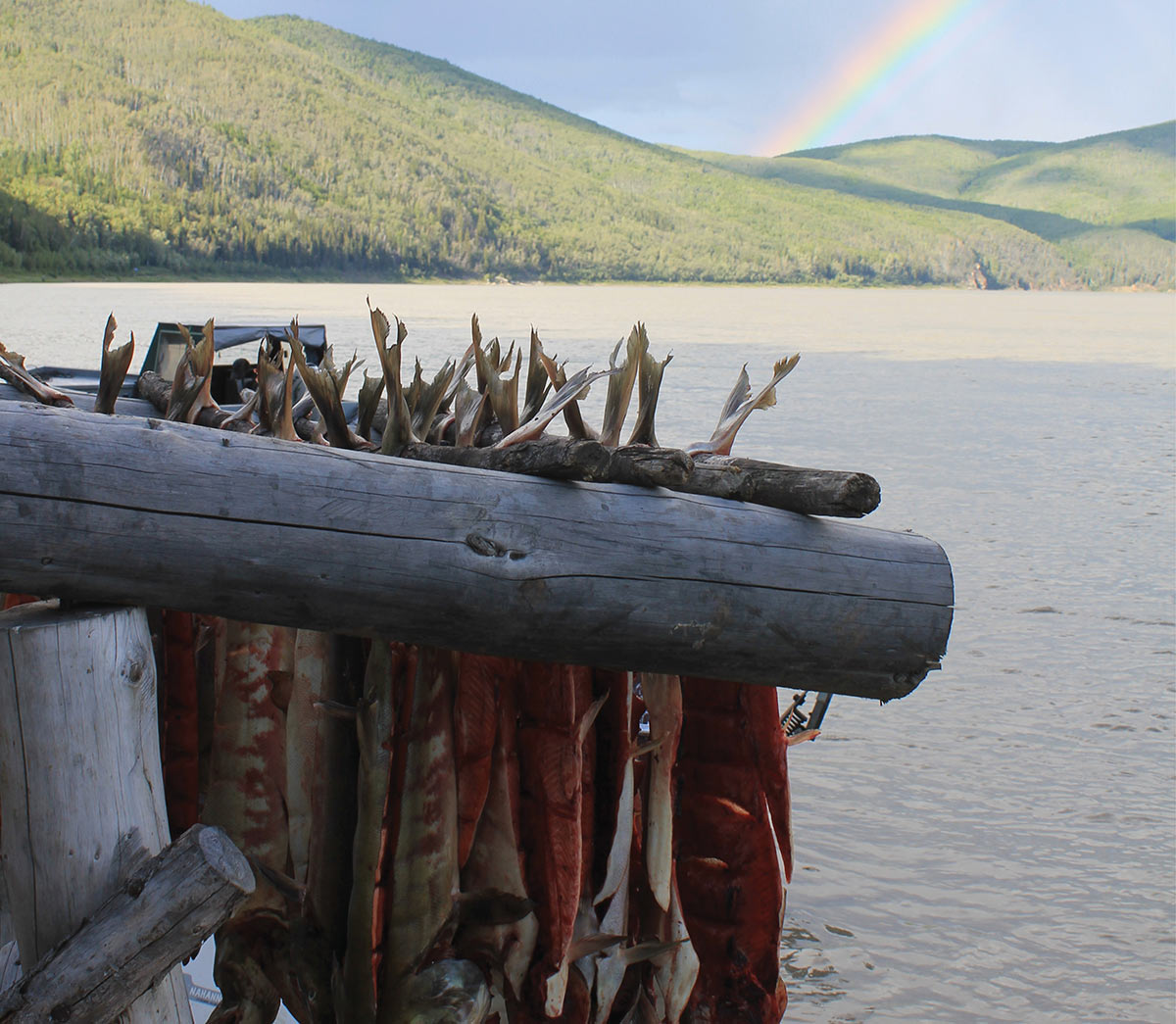
cientists have struggled to explain why Yukon River chinook salmon have crashed so dramatically in recent decades. A study published last spring sheds new light on what experts say could be the main culprit: marine heat waves in the Bering Sea.
Scientists at NOAA Fisheries and UAF conducted the study and published it in the journal Ecological Applications in April. They considered four major reasons why Yukon River chinook, or king salmon, have suffered steep declines since the late ‘90s, affecting fishing and jeopardizing the food security, health, and a multigenerational way of life for residents along the massive transboundary river. The four major factors thought to be driving the decline include natural mortality, salmon harvests, accidental bycatch intercepted in other fisheries, and ocean survival rates, meaning the number of juvenile salmon that live through their freshwater stage and make it to the sea to grow and rear before returning to natal waters to spawn.
his year has been an exciting and productive one for the oil and gas industry. Headlining developments include first oil at two separate projects.

laska-grown beef could, in the future, receive supplemental minerals from kelp and be fattened up on a diet that includes day-old pastries.
“In animal nutrition, one man’s trash is another man’s treasure,” says UAF Matanuska Experiment Farm and Extension Center Livestock Nutritionist Jim Vinyard. His research includes testing how a small herd of cattle at the Experiment Farm off Trunk Road in the Mat-Su, which operates under the UAF Institute of Agriculture, Natural Resources and Extension, responds to various additions to their diet.
There are a lot of nutritional “waste” products available in Alaska. Spent grains from local breweries, for example, still carry significant nutritional value. So does much of the edible waste from grocery stores.
ate Mitchell had a sewing machine and a dream she clung to like a barnacle on a boat.
In 1965, because there were no jobs, she enlisted in the US Coast Guard Women’s Reserve, also known as the SPARs. The abbreviation was derived from the Coast Guard motto, “Semper Paratus”—Latin for “Always Ready.”
By going outside of her comfort zone, Mitchell was following the example set by her mother, Ruby Reeder Kent, after the family moved to Washington during World War II.
“So many guys had been drafted that many businesses were in danger of having to close,” Mitchell writes in her memoir The Bag Lady at the End of the Road. “Christianson Upholstery, on South Tacoma Way, advertised for an upholsters’ apprentice. Ruby applied. It paid more than the sewing jobs that women were usually hired for. Christy didn’t want to hire a woman, so he said, ‘Okay, lady, if you can get that couch up on those sawhorses without help, I’ll give you the job.’ She eventually earned her journeyman’s card in the upholsterer’s union. The first woman ever to do so.”






igital payments, automated invoicing, and financial analytics are transforming how companies manage money and operations. From mobile platforms serving remote locations to software that delivers faster insights, financial technology—or fintech—is streamlining workflows, improving transparency, and reducing costs.
Take ConocoPhillips, for example. Data is key to allowing it to explore, develop, and produce oil in Alaska. Its operations team uses Microsoft’s Power BI, Oracle tools, and Systems, Applications, and Products (SAP), a German enterprise resource planning (ERP) software to provide real-time information to vendors working closest to the field, according to Colin Wolfe, vice president of finance for ConocoPhillips Alaska.
ConocoPhillips is also deploying Microsoft Copilot and other AI tools to streamline data analysis and communication. “Moving away from manual processes increases reliability, speed, and efficiency, which helps to strengthen relationships and build trust among all our business partners,” Wolfe says.
icture a factory in 1900. One steam engine drove shafts, with belts running between floors. Buildings were designed around the power system, and machines were positioned where belts could reach them.
Then electricity arrived, and many plants did the obvious thing. They added electric motors but left the rest of the system alone. The shafts and belts stayed, and the machines stayed organized in rows dictated in part by how mechanical power reached them. Even Ford’s state-of-the-art Highland Park plant, which began production in 1910, ran electric drive equipment alongside conventional shafting and belting.

 MTA named Rebecca “Becky” Rudd as its new CFO. Rudd comes to the Palmer-based telecom utility after holding the same position for Providence Medical Group Alaska. Rudd brings more than eighteen years of experience in finance, accounting, auditing, and leadership. She holds a bachelor’s degree in accounting and master’s degree in professional accountancy from Montana State University and is a certified public accountant. Earlier in her career, Rudd spent more than a decade in public accounting and auditing, including leadership roles at KPMG across Alaska and the Pacific Northwest. Rudd and her family also operate a farm and greenhouse in the Mat-Su. Paul Rasmussen is the new Executive Director of the Cold Climate Housing Research Center, overseeing science programs, fundraising, and outreach for the nonprofit formed by members of the Alaska State Home Building Association. An architect licensed in Alaska and New York, Rasmussen holds a bachelor’s degree in construction management from Brigham Young University and a master’s degree in architecture from Yale University.
Alaska Trends
outhcentral’s settled history is rich but not very deep. The oldest building in the Anchorage area is the St. Nicholas Russian Orthodox Church in Eklutna, built in 1870. After that, there’s the Oscar Gill House on Tenth Avenue in Anchorage, built in 1913. Both were built across the Cook Inlet in Knik and moved to their present locations. The Oscar Anderson House, now a museum, was built in 1915 at its present-day Elderberry Park location in Anchorage.
The same year Anderson—a meat wholesaler and coal supplier from Sweden—built his house, the US Department of Agriculture established a research station 38 miles north, near what today is the junction of Trunk Road and the Parks Highway near Wasilla. The research station was the last of seven agriculture experiment stations the federal government built between 1889 and 1917; the others were in Sitka, Kodiak, Kenai, Rampart, Copper Center, and Fairbanks. Just two of those seven are still in operation: Matanuska and Fairbanks. Among other research, farm employees have logged meteorological data since 1917.
Off the Cuff
y this time of year, the barley harvest is in, and Bryce Wrigley has nothing left in his fields in Delta Junction. “The buffalo will be out here grazing on the leftovers,” he says. “We’ll be loading trailers of straw for the dog mushers.”
Year round, Wrigley runs Alaska Flour Company, a mill and bakery that turns the crop into food. Its sixty or so products range from pancake mix to wholesale flour for local pasta makers.
Wrigley grew up farming in southern Idaho, and he came to Alaska in 1983 at the height of state-supported barley development. Without infrastructure, the industry never flourished, but Wrigley stayed at it. In 2009, he started the milling company to enhance Alaska’s food security.