

Alaska Trends
outhcentral’s settled history is rich but not very deep. The oldest building in the Anchorage area is the St. Nicholas Russian Orthodox Church in Eklutna, built in 1870. After that, there’s the Oscar Gill House on Tenth Avenue in Anchorage, built in 1913. Both were built across the Cook Inlet in Knik and moved to their present locations. The Oscar Anderson House, now a museum, was built in 1915 at its present-day Elderberry Park location in Anchorage.
The same year Anderson—a meat wholesaler and coal supplier from Sweden—built his house, the US Department of Agriculture established a research station 38 miles north, near what today is the junction of Trunk Road and the Parks Highway near Wasilla. The research station was the last of seven agriculture experiment stations the federal government built between 1889 and 1917; the others were in Sitka, Kodiak, Kenai, Rampart, Copper Center, and Fairbanks. Just two of those seven are still in operation: Matanuska and Fairbanks. Among other research, farm employees have logged meteorological data since 1917.
Some buildings on the farm are rumored to be haunted. Kodiak cottage was originally built at the Kodiak research station along the island’s coastline. When that station closed, recounts Matanuska Experiment Farm Manager Aimee Young, it was barged and railed to the Trunk Road farm. When a visiting technician reports strange noises, Young says she tells them, “If you hear ghosts in the building, it’s just the waves lapping outside the windows at night.”
The farm started as a 240-acre wooded parcel that was cleared for agricultural research. Today, more than 260 acres are cultivated, and the farm encompasses 720 more acres of forested land, including three lakes. The property is used for research and education for the benefit of Alaska’s agricultural economy, from gardeners to farmers. Now operated by the UAF Institute of Agriculture, Natural Resources, and Extension, researchers conduct tests to answer various questions, from which strawberry grows best in Southcentral to what cover crops might deter development of root maggots in cabbage. Farm managers give regular tours in the summer, including this year to a group of pet rocks and their owners. This edition of Alaska Trends takes a closer look at some of the important work happening at the farm.

Matanuska research station established

Weather station observances began

Farm donated to UAF, establishing UAF Matanuska Experiment Farm & Extension Center

When the research station on Kodiak was closed, USDA officials moved the residence to Palmer. It was placed on a barge, barged to Southcentral, placed on a train, and brought by rail to Palmer.

A field trial to evaluate, select, and grow food-bearing trees not currently grown extensively in Alaska. This year it includes cold-hardy fruit and nut trees such as hazelnuts, apricots, cherries, and apples.

Both Palmer and Fairbanks research stations study a variety of seeds to determine which seed varieties grow best in different regions of the state, based on yield and other ratings.
Plants tested include beans, beets, carrots, corn, tomatoes, potatoes, broccoli, strawberries, artichoke, Brussels sprouts, celery, fennel, hot peppers, lettuce, spinach, and winter squash.
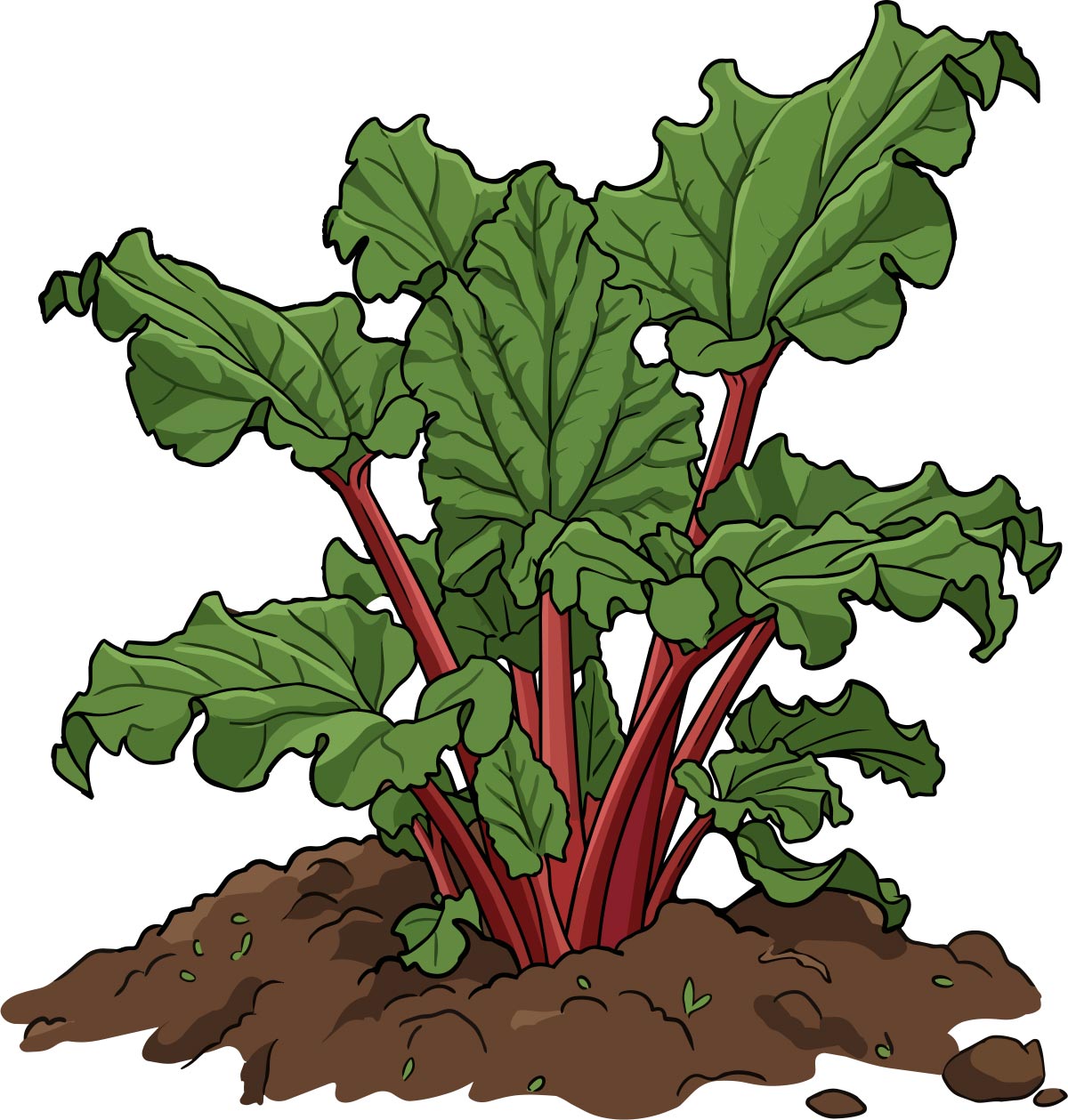
67 plants, 4 species, 32 types, 22 of which are genetically unique to Matanuska Experiment Farm and 3 of which are poisonous.
The farm hosts one of two rhubarb germplasm studies in the US. One outcome is a grid showing which rhubarb variety tastes sweet vs. tart, which has red outside vs. green. Plants are divided and donated to the community every 3-4 years.
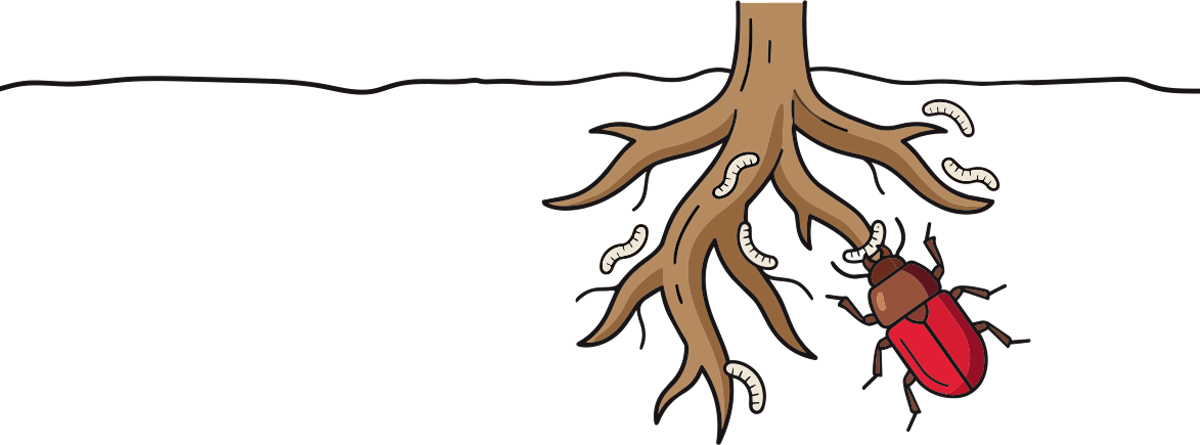
Researchers study which cover crops prevent pests from eating vegetable crops, such as by planting crops that attract pests that eat cabbage root maggots.
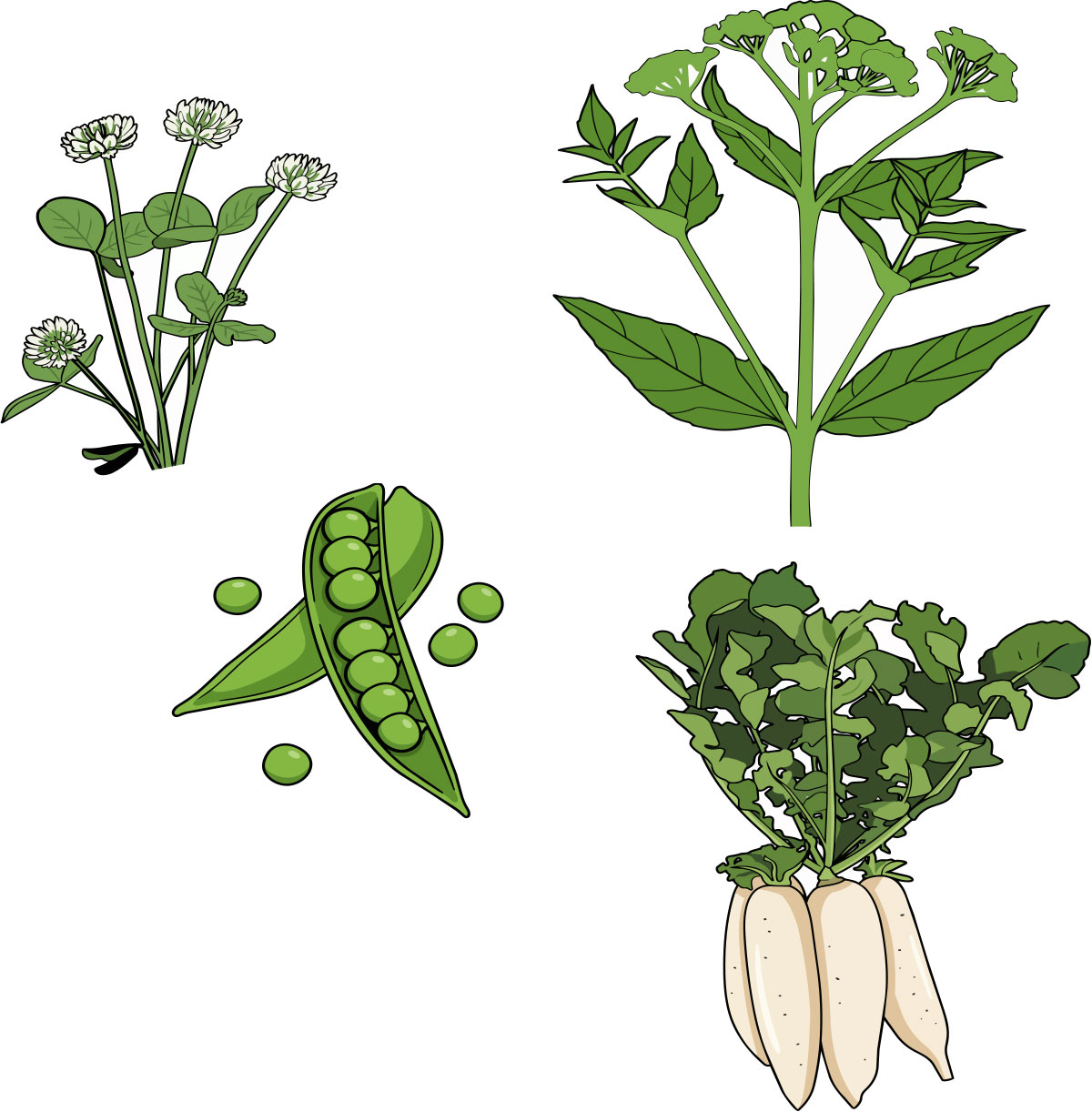
A mainstay at the farm, current cover crop studies include peas, buckwheat, daikon radishes, and clover.
Potatoes will be added next year.
of potato grown annually. The harvest is shared with the community and local nonprofits.

of potatoes harvested and shared with the community, elders, and care facilities in 2025.
270+ lbs of Tlingit/Haida potatoes were harvested in 2025.
The Tlingit potato is naturally pest & rainfall-resistant. The Tlingit and Haida Peoples likely acquired these potatoes from South America through traditional trade and cultivation methods.