

Critical
Mineral
Accelerator
for mining innovation
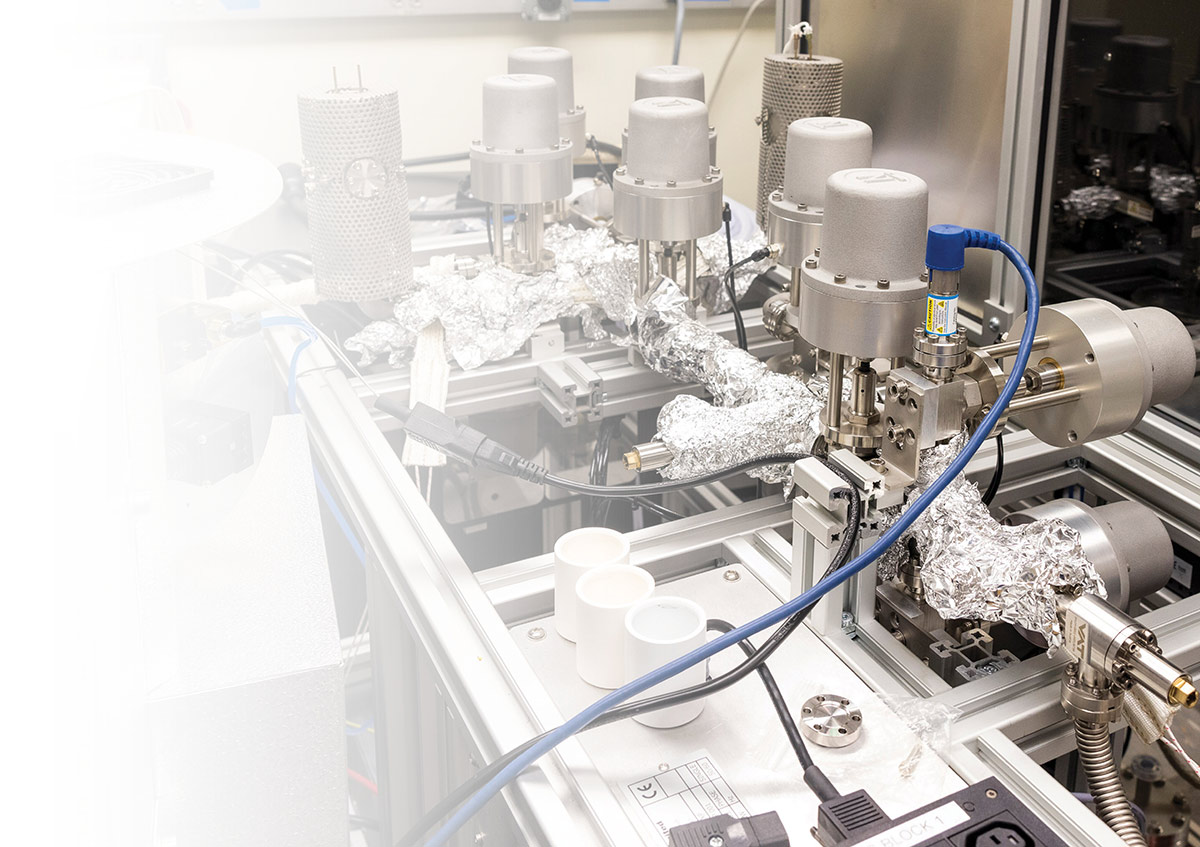
f the sixty critical minerals the US Geological Survey considers essential to the nation’s economy and national security, fifty-six can be found in Alaska. To spur development, the National Science Foundation (NSF) funded a critical minerals program led by UAF along with eleven other collaborative teams working in twenty different states.
“Think of it as connecting the dots between what Alaska has in its mineral wealth, what researchers can discover, what companies can commercialize, and what the nation urgently needs,” says Munk.
She says ACMA grew from years of collaboration among Alaska universities, mining companies, Alaska Native corporations, entrepreneurs, workforce organizations, and government partners that recognized that Alaska’s mineral potential needed a stronger innovation ecosystem. Those years of gestation underwent an eighteen-month review process with the NSF before the foundation awarded funding.
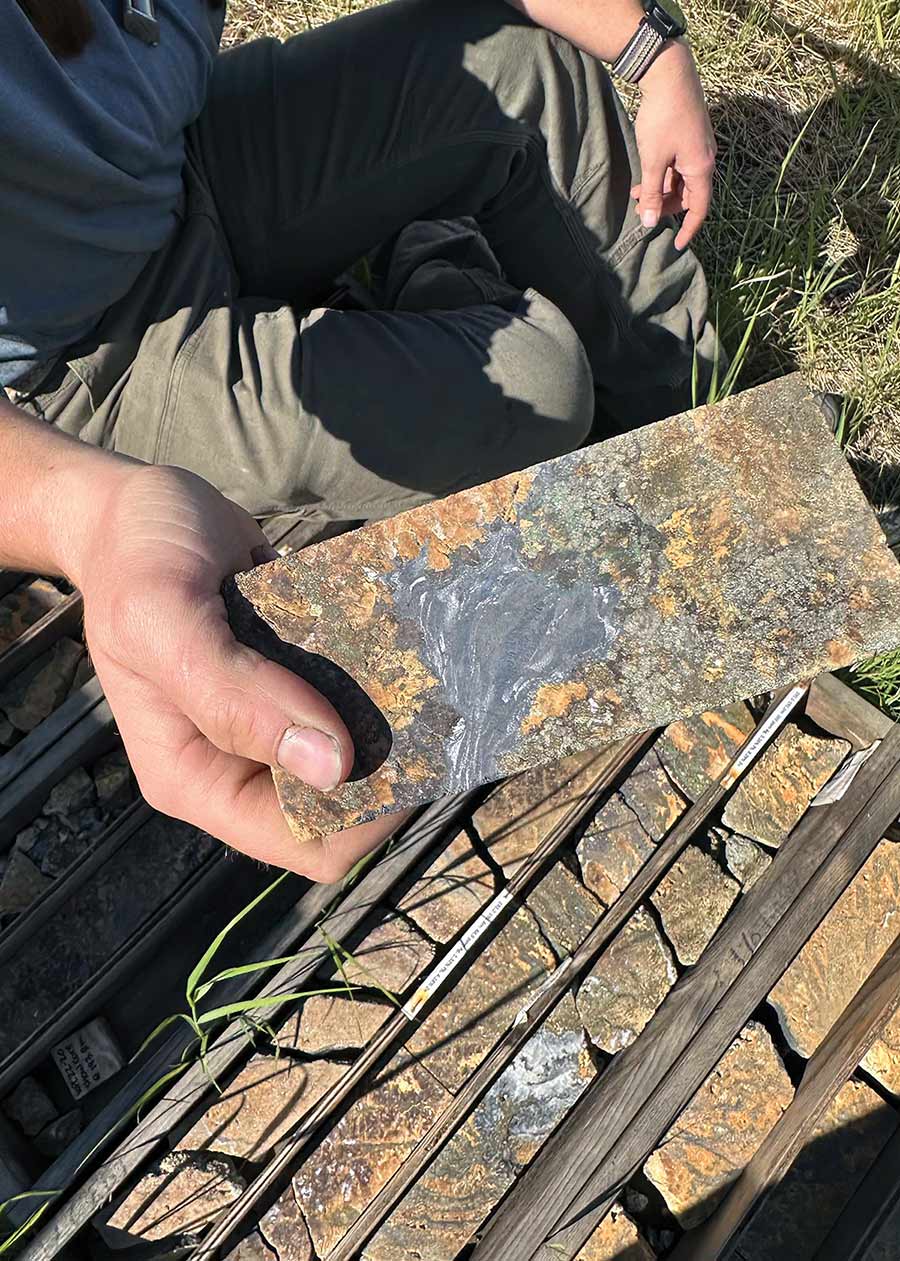
Lee Ann Munk
Munk says the award represents something bigger than research funding. It is federal recognition that Alaska’s resources, expertise, and Arctic position are strategically important to the US economy and national security.
ACMA COO Christi Bell clarifies that this is not a $160 million science project. She says it’s an economic development award to build out a strategy. “NSF isn’t investing up to $160 million simply to fund research,” says Bell. “It is investing in Alaska’s capacity to build an internationally competitive critical minerals innovation economy.”
Mining is already a major industry in Alaska, generating some of the state’s most valuable exports, and ACMA wants to build the innovation economy around it—the companies, technologies, entrepreneurs, researchers, workforce, and investors solving problems for mining and critical mineral development.
ACMA will invest in research and pilot projects that help find critical mineral deposits, improve recovery and processing, and turn materials currently treated as waste into potential sources of value. Funding will help promising technologies move from the laboratory into industry testing, demonstration, commercialization, and new business opportunities. It will also build the partnerships, workforce pathways, operating capacity, and investment relationships needed to make this a durable Alaska innovation ecosystem and not another collection of disconnected grants.
Bell says a simplified pipeline will guide the program’s activities: identify the problem, do the research, demonstrate its effectiveness, deploy the solution, and create a business or investment around the solution that leads to jobs in Alaska.
“The Engine’s job is to shorten the distance between a good idea and something industry will actually use,” says Bell.
She adds that some projects will start with researchers, and others may start with an operational problem identified by a mining company. Still others may come from entrepreneurs. ACMA’s role is to help move the best opportunities toward demonstration, customers, investment, and ultimately “uptake” or deployment.
JR Ancheta
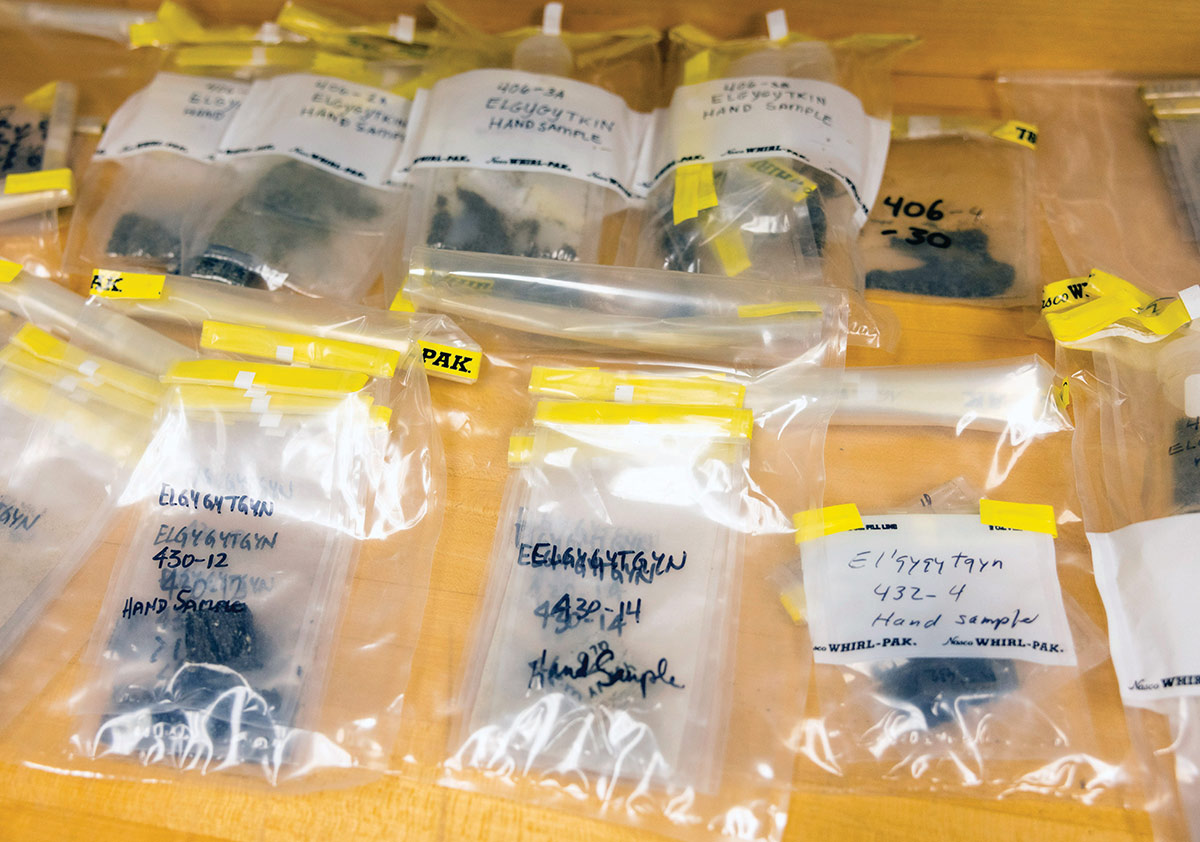
“Alaska’s focus on critical minerals and Arctic conditions makes our Engine distinctive,” says Munk. “We want Alaska to capture more value from its mineral wealth by becoming a place where technologies are developed, companies grow, and skilled jobs are created—not simply where resources are extracted.”
To capture more value, ACMA aims to help build more secure domestic supply chains for materials essential to defense, energy, advanced manufacturing, and emerging technologies. Its long-term goal is to make Alaska the place the nation looks to when it needs better ways to discover, recover, and responsibly develop critical minerals in challenging environments.
National Science Foundation

Already, ACMA has developed a long list of federal, state, industry, and nonprofit partners, each bringing something essential to the table: mineral resources, technical expertise, industry experience, community relationships, commercialization capacity, workforce development, or investment networks. Munk says mining companies help define real operational challenges and provide opportunities to test innovations in the field where they matter most. Likewise, Alaska Native corporations, universities, national laboratories, workforce organizations, and entrepreneurship partners help ensure that solutions are technically sound, commercially relevant, grounded in Alaska, and connected to meaningful economic opportunities.
Bell adds that when ACMA and its partners develop technologies that work in Alaska’s remote, cold, infrastructure-constrained environments, many of those technologies can be sold and deployed elsewhere.
“That’s how critical mineral innovation itself becomes an Alaska export,” says Bell. “It’s how we put Alaska on the map for having this know-how to find it better, recover it better, and create more value from what we’ve already extracted.”
No single organization can do this, says Bell. Universities don’t own mines. Mining companies aren’t designed to run startup accelerators. Entrepreneurs don’t train an entire workforce. Investors don’t conduct basic research. ACMA connects those capabilities around shared opportunities. She says to think of the Engine as the connective tissue.
“Alaska already has many of the ingredients: mineral resources, operating mines, scientific expertise, Alaska Native corporate leadership, and people experienced in solving difficult problems in remote environments,” says Munk. “ACMA’s job is to bring those ingredients together so Alaska is not just part of America’s critical mineral future—it helps lead it.”
Part of the reason a program like ACMA hasn’t existed before is timing. The national focus on critical minerals has changed dramatically; technologies have evolved, and NSF has created a new model specifically designed to bridge research and economic development. Historically, federal funding tended to support individual research projects or shorter-term economic development activities. The Engine’s program is different. It provides the scale, the ten-year horizon, and the mandate to build an entire regional innovation ecosystem.
JR Ancheta

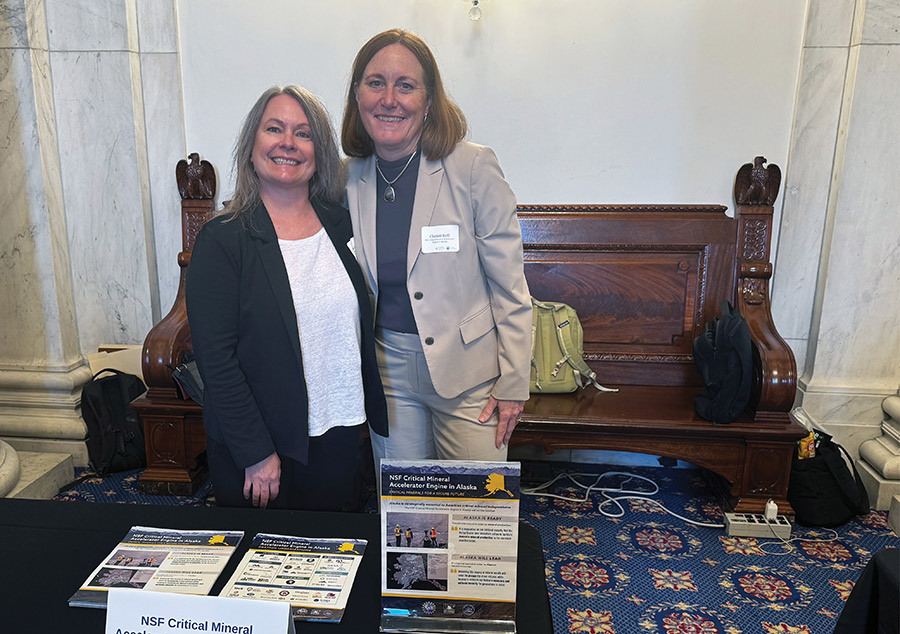
Lee Ann Munk
Marisa Acosta
Ten years from now, Bell says ACMA doesn’t want success measured by how many research papers were published or how much federal funding was spent. They want success measured by technologies deployed, companies created and grown, private capital attracted, jobs created, workers trained, and new economic activity occurring in Alaska. Success will also be measured by the Engine becoming not only self-sustaining but also larger than its NSF award.
NSF has set certain metrics for ACMA to advance, but Bell also has one more very personal measure of success.
“As a mom whose own kids chose to leave Alaska for college, I think a lot about what it will take to bring that generation back. It’s not simply by offering them a job but by creating the kinds of high-wage, intellectually challenging careers that allow them to build a life and a future right here in Alaska.”