










In Alaska. The best sales and products support lineup.
In your corner. The winning Team.

Anchorage, Ak
Rental/Sales

Anchorage, Ak
Product Support
(907) 563-3822
Fairbanks,AK
(907) 931-8808
Juneau, AK
(907) 802-4242
Ketchikan, AK
(907) 247-2228

About The Cover

-
Editorial
Tasha Anderson, Managing Editor
Scott Rhode, Senior Editor
Rindi White, Associate Editor
Emily Olsen, Editorial Assistant -
PRODUCTION
Monica Sterchi-Lowman, Art Director
Fulvia Caldei Lowe, Production Manager
Patricia Morales, Visual Content Designer -
BUSINESS
Billie Martin, President
Jason Martin, VP & General Manager
James Barnhill, Accounting Manager -
Sales
Charles Bell, VP Sales & Marketing
907-257-2909 | cbell@akbizmag.comWeston Giliam, Account Manager
907-257-2911 | weston@akbizmag.comJoshua Wilks, Account Manager
907-257-2917 | jwilks@akbizmag.comTiffany Whited, Marketing & Sales Specialist
907-257-2910 | tiffany@akbizmag.com -
Contact
akbizmag.com | 907-276-4373
Press releases: press@akbizmag.com
Billing: accounts@akbizmag.com
Subscriptions: circulation@akbizmag.com
ALASKA
together

From the Editor
Late this month Anchorage is hosting (at least) two AI conventions: the AI in Alaska Leadership Summit and the UA Statewide AI Symposium.
The AI in Alaska Leadership Summit wants to prep attendees with concrete information. As the organizers put it, “Rather than focusing on theory, AI in Alaska is built around real-world application. Sessions will cover responsible governance and ethics, organizational readiness, and practical AI use.”
Materials Response
and Planning
an incident
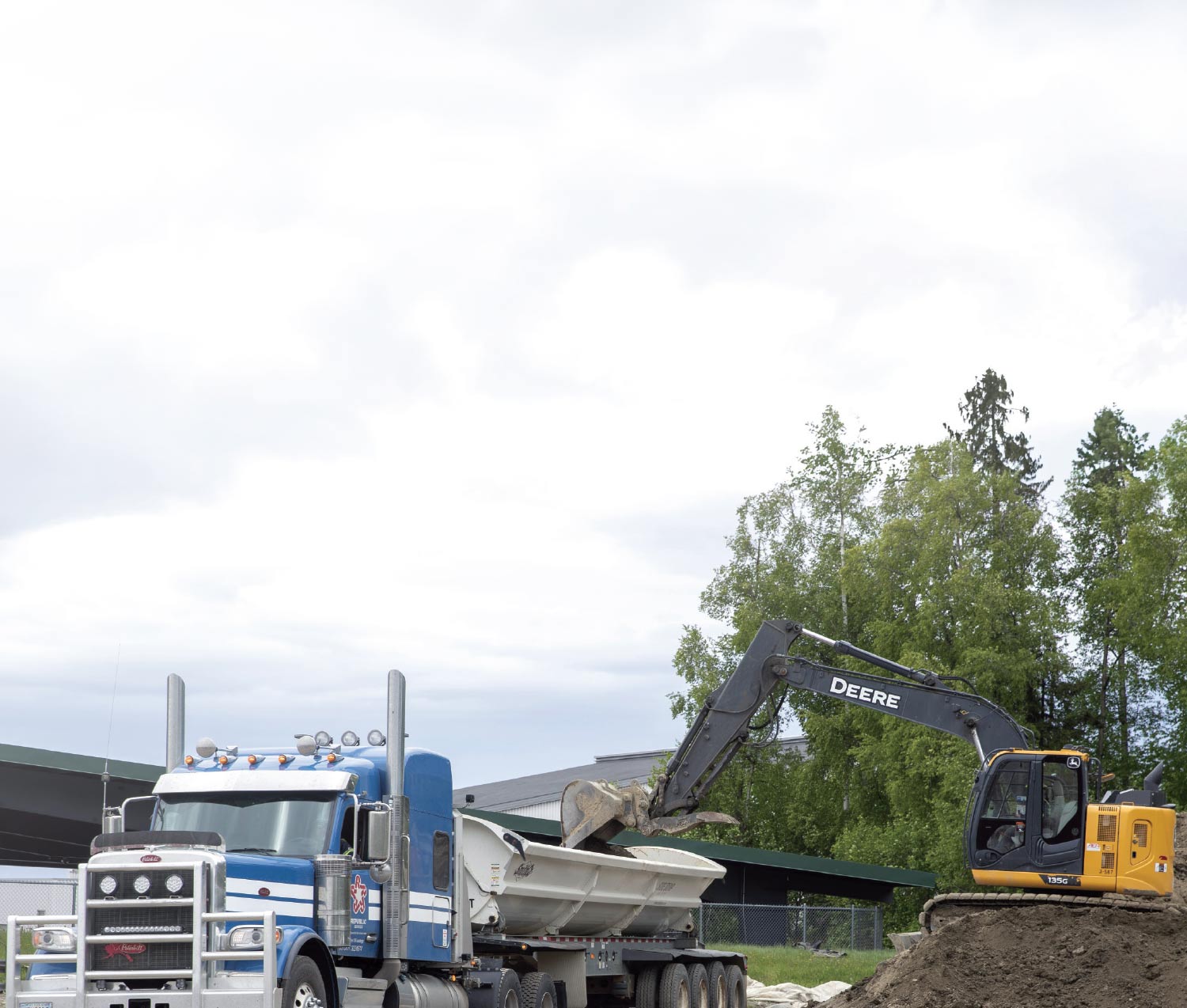
or companies that store, transport, or use hazardous materials—commonly known as hazmat—the most important response decisions are often made long before a spill, leak, or accident happens.
“Mobilizing response resources in Alaska presents unique challenges due to limited road access, reliance on air and marine transport, extreme weather conditions, and the need to transport and stage specialized equipment in remote areas,” says Matt Melton, Alaska general manager at Republic Services. “These factors can impact timing, safety, and overall logistics, particularly when disposal capacity for certain waste streams is limited.”
Hazardous materials include flammable products, such as gasoline and propane; corrosives, such as strong acids; toxic substances like pesticides and industrial chemicals; reactive or explosive materials; and radioactive substances used in medical or industrial settings. In business operations, these materials may appear in bulk tanks, drums, laboratories, maintenance shops, construction sites, transportation fleets, or legacy properties being redeveloped.






- Mass Excavation
- Underground Utilities
- Paving
- Drill & Shoot
- Rock Scaling
- Aggregates
- Asphalt
- Ready-Mix Concrete
- Emulsions
- Recycled Materials – RAP
- PMA
- Cement
- Highways
- Roads
- Bridges
- Airports
- Ports
- Mining
- Highways
- Roads
- Bridges
- Airports
- Ports
- Mining
- Mass Excavation
- Underground Utilities
- Paving
- Drill & Shoot
- Rock Scaling
- Aggregates
- Asphalt
- Ready-Mix Concrete
- Emulsions
- Recycled Materials – RAP
- PMA
- Cement
- Highways
- Roads
- Bridges
- Airports
- Ports
- Mining
- Highways
- Roads
- Bridges
- Airports
- Ports
- Mining











Whittier’s
Future
improvements for tourists
and locals
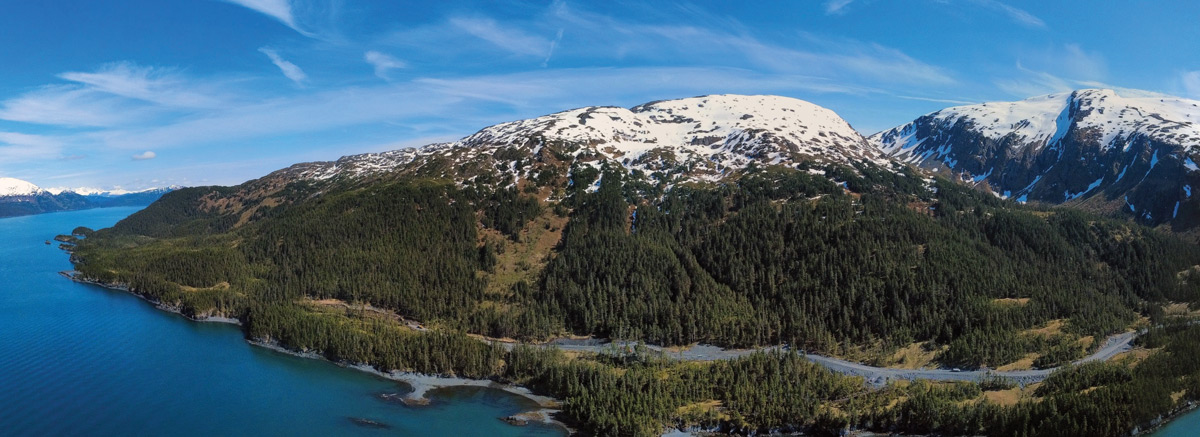
hat happens when a city with fewer than 300 residents becomes a major freight and tourism hub, despite being accessible only by boat, plane, or a one-lane highway/railroad tunnel managed on a strict schedule?
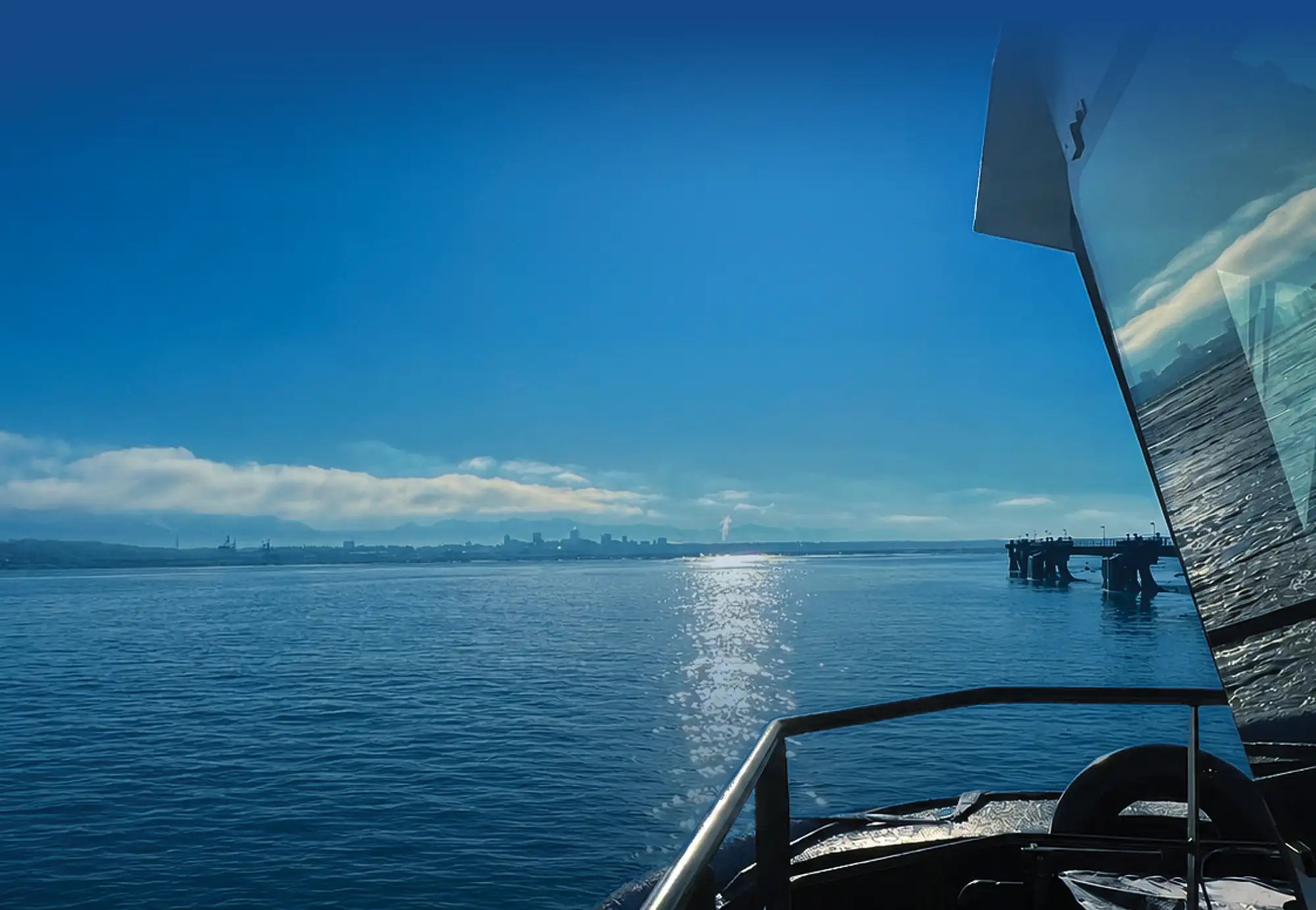
If you’re in the City of Whittier, you get busy. The city has two separate transportation planning efforts underway, including a safety action plan under the federal Safe Streets and Roads for All initiative, which focuses on improving safety for pedestrians, cyclists, motorists, and emergency responders. The second is Whittier Moves, the city’s transportation master plan, which serves as the long-term roadmap for growth.
These plans are designed to work in conjunction with the city’s Waterfront and Economic Development Plan, which encompasses the area from the dock on Passage Canal to the airport at the head of that waterway. The Alaska Railroad Corporation (ARRC) also has its own Whittier Terminal Master Plan. City Manager Jackie C. Wilde says that the city has worked closely with ARRC and the Alaska Department of Transportation and Public Facilities (DOT&PF) to ensure these planning efforts complement one another.
History
and a new chapter
for Cooper Landing
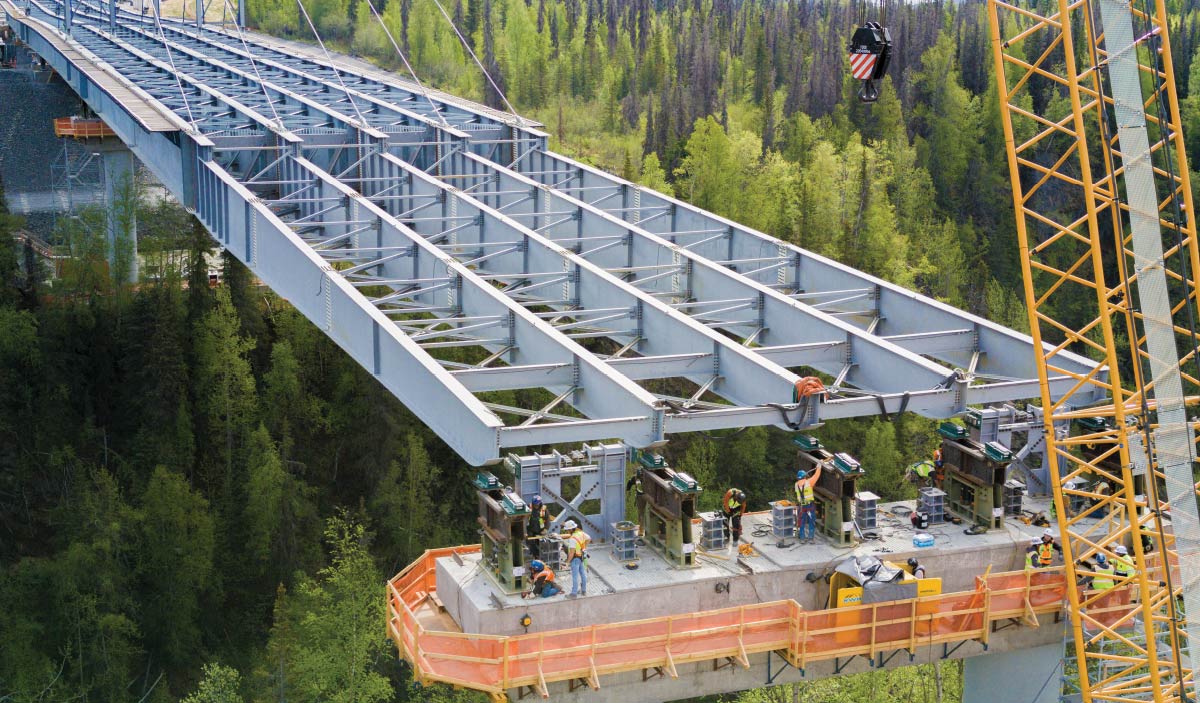
fter years of work in the wilderness, one of the state’s largest road projects in history is now more visible to drivers on the Sterling Highway.
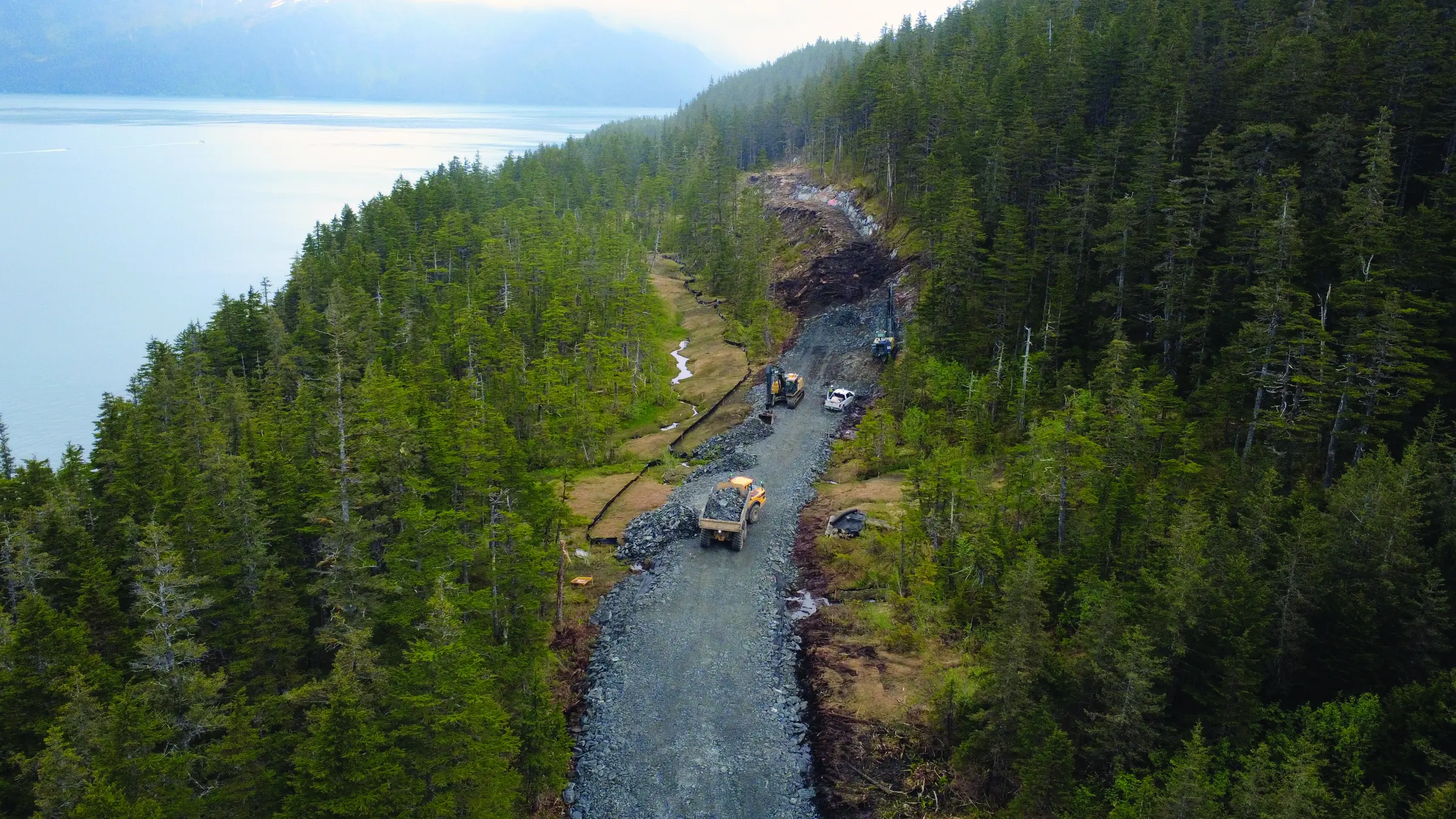
The 15-mile highway construction project is only about halfway complete, and it may take four more years to fully finish. Even so, contractor Traylor Bros. achieved a major milestone this year by meticulously nudging a 928-foot steel girder bridge—which will become the highest bridge in Alaska, at 285 feet, and also the longest erected and launched bridge in the state—into place, creating the Juneau Creek Bridge near Cooper Landing.
“Near,” meaning about 1.6 miles due north of the Sterling Highway, or about 3 miles northwest of where the road gracefully curves across the vividly azure Kenai River in Cooper Landing proper. The approaches to the bridge are the next major phase.
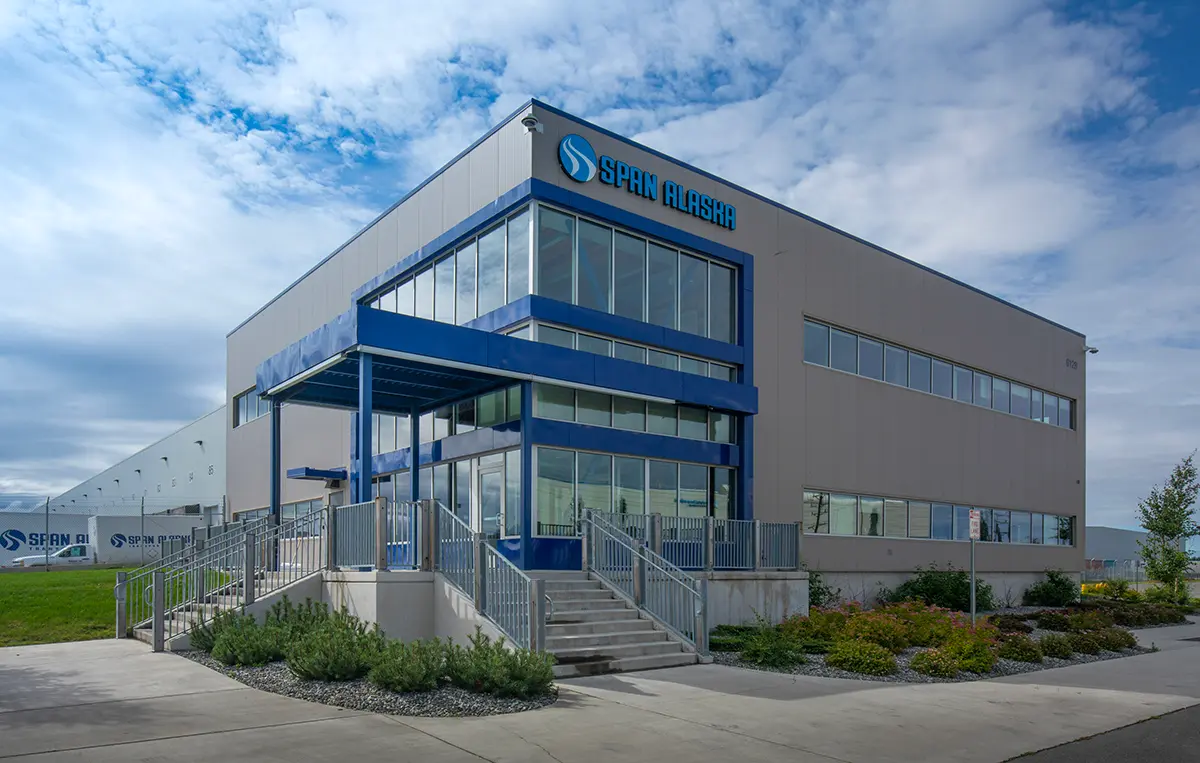
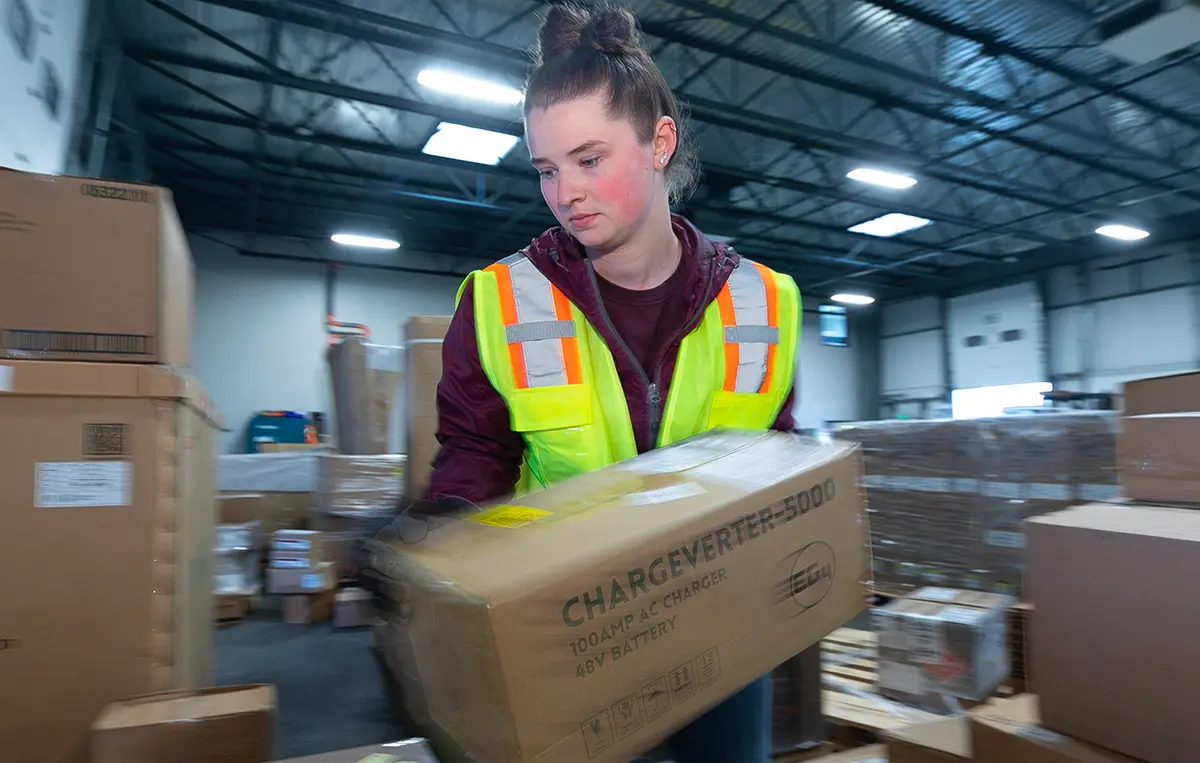



At our West Coast Consolidation Center, we load your products into dedicated containers that transit directly to one of six service centers or air cargo facility for final-mile delivery. This eliminates extra rehandling and costly delays.
- Year-round weekly ocean transit in all conditions
- LTL, FTL, Chill/Freeze, and KFF options
- Specialized equipment for project, oversized, and hazardous material loads
- Delivery throughout Alaska, from metro Anchorage to North Slope to remote villages in the Bush
- Customized solutions for commercial and industrial sectors, including oil and gas, construction, food & beverage, and retail/tourism



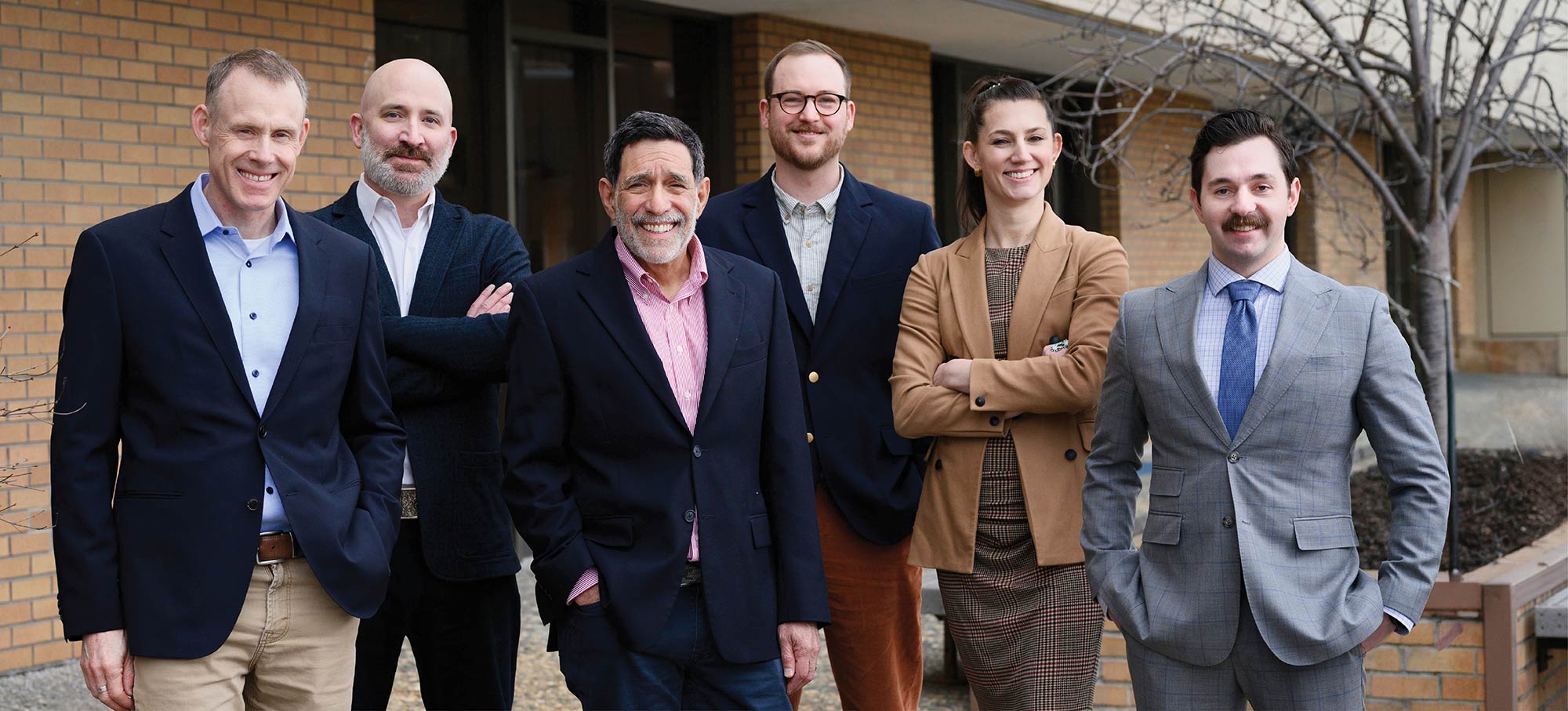
Lawyers named among the Legal Elite occupy a range of roles, from working at government agencies or traditional law firms to corporate counsel or “hang a shingle” small practices. This list is not a directory of attorneys for hire; many would be happy to provide legal services to new clients, but others already have a briefcase full of other business. What this list does represent is the cream of the legal industry crop in Alaska.





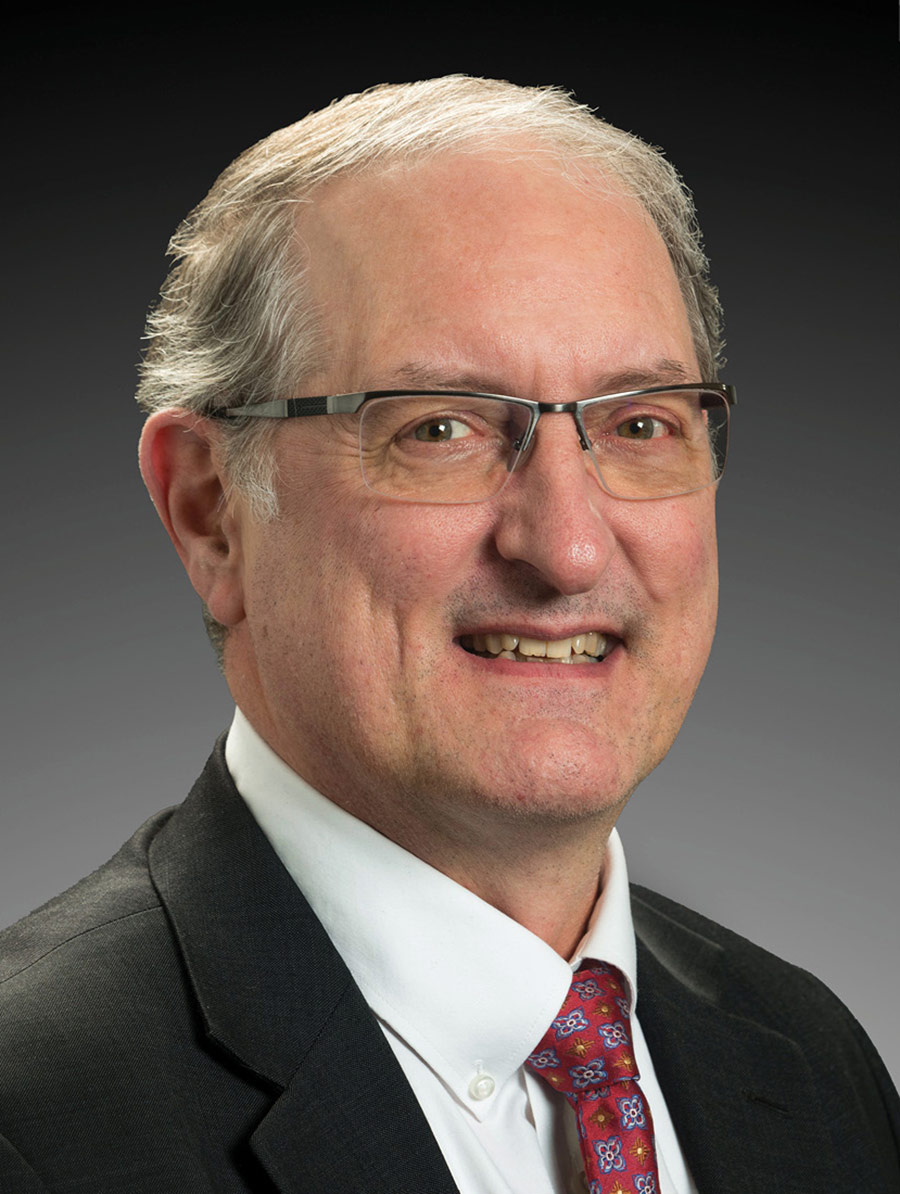 Rick L. Owen
General Counsel
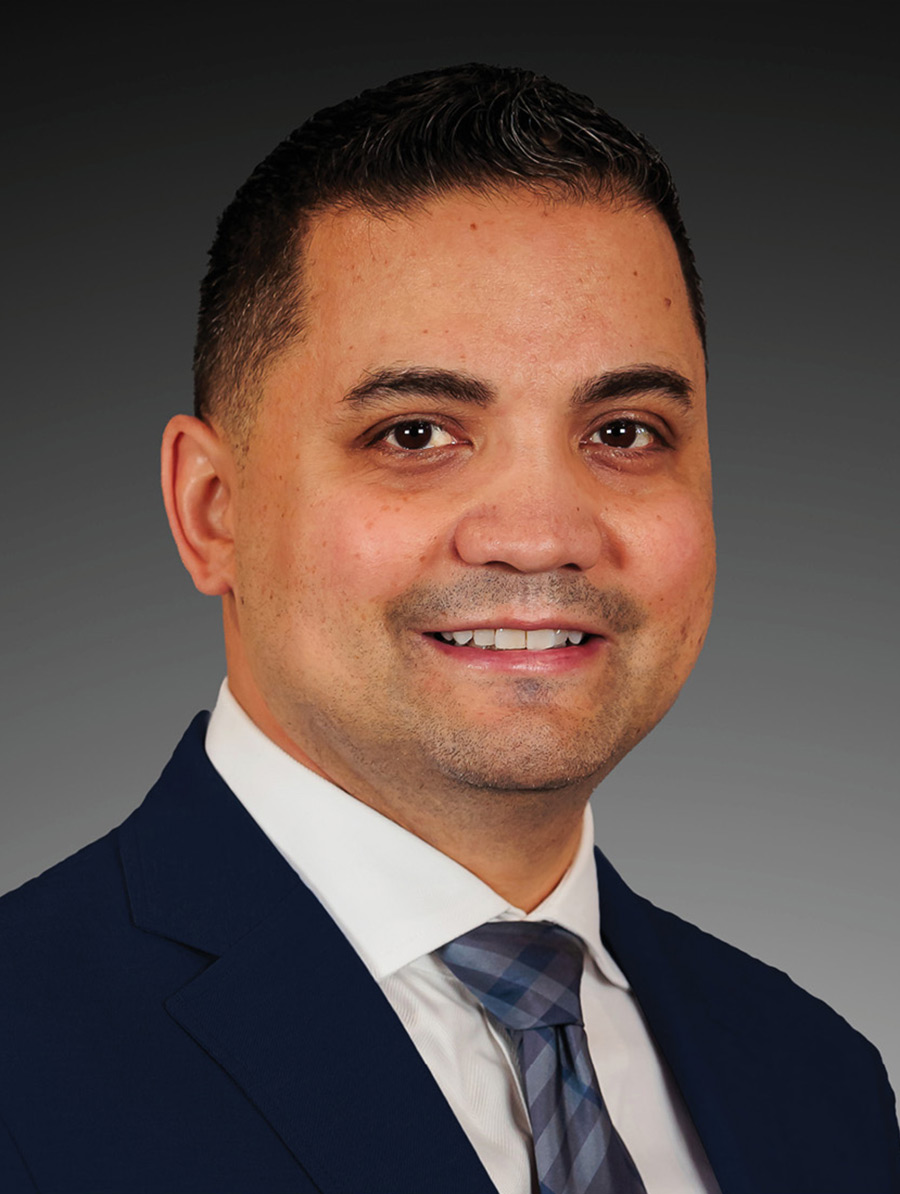 Richard A. Camilleri
CAO & Deputy General Counsel


assion is the path to excellence for several of this year’s Legal Elite.
“We love our work, we love the substance of what we do,” says John Kauffman, a partner with the Anchorage office of Stoel Rives LLP, which has twelve lawyers on the list of Alaska’s best lawyers, as nominated by their peers.
That kind of passion shapes how lawyers approach their work. “We spend a lot of time making sure that the attorneys in our office understand the context of a question that a client brings to us,” says Leslie Need, a partner at Landye Bennett Blumstein LLP, which has nineteen lawyers on the list.
At Schwabe, Williamson & Wyatt, the Anchorage office encourages passion for the work by giving associates “a good amount of responsibility” early in their careers, says Chris Slottee, a partner and co-leader of the firm’s Indian Country and Alaska Native corporations industry group. Schwabe, which has eleven people on the Legal Elite list, also gives its lawyers agency. “It lets you chart your own path… be master of your own destiny,” he says. “One thing Schwabe does well is empower its lawyers… to have the practice they want to have.”
Birch Horton Bittner & Cherot encourages its lawyers to pursue work that interests them, says one of its partners, Holly Wells. “We really encourage people to [do] training sessions or to expand their practice, explore their passions,” Wells says. The firm has twenty-one lawyers named to the Legal Elite for 2026.

Serve Alaska’s
Business Community
Elizabeth P. Hodes, Employment Law
Michael O’Brien, Employment Law
Patti A. Vecera, Employment Law
Scott Broadwell, Environmental, Natural Resources
Lynn T. Manolopoulos, Environmental, Natural Resources
Steve Tennison, New Lawyers
Traeger Machetanz, Public Contracts Law
Anne Marie Tavella, Public Contracts Law
Sarah C. Gillstrom, Real Estate Law


laska’s operating environment shapes nearly every legal issue.
“Just the other week, I was talking with an out-of-state attorney about a voyage between two locations in Alaska,” shares Schwabe associate William Wright. “That attorney simply had no idea that the voyage he was discussing was farther than the entire Eastern Seaboard, from the northernmost point in Maine to Key West. Once he realized the scope of the undertaking, the conversation completely shifted. Having legal counsel who appreciates the unique practical difficulties experienced by the transportation industry in Alaska can make all the difference.”
Safety, environmental stewardship, and operational success go hand in hand in Alaska’s transportation sector. “The alternatives are injured workers or third parties, damaged equipment, environmental liability, and government enforcement actions,” says Wright. “Also, the regulations governing the transportation industry generally require high standards for safety and environmental precautions. Thus, clients are able to ensure safe and environmentally conscious operations without sacrificing a competitive advantage. I help my clients ensure their operations comply with the existing federal and state regulations, while keeping an eye on the horizon for changes that may affect their operations.”


Amanda Afshar
Estate Planning and Probate Law

Zach Forrester
Aviation, Maritime and Transportation

Trevor Gruwell
Environmental and Natural Resources

Molly Gunther
Alaska Native Law

Molly Henry
Aviation, Maritime and Transportation
Connie Sue Martin
Environmental and Natural Resources

Sam Schimmel
New Lawyers

Peter Scully
Real Estate Law

Matthew Singer
Appellate Law

Christopher Slottee
Alaska Native Law
Howard Trickey
Employment Law

Will Wright
Aviation, Maritime and Transportation
420 L Street, Suite 400
Anchorage, AK 99501
(907) 339-7125

420 L Street, Suite 400
Anchorage, AK 99501
(907) 339-7125
silver tsunami is sweeping the nation, and attorneys in Alaska are part of the tide. The profession is aging, and practitioners are retiring faster than younger counterparts are ready to replace them. The median age of attorneys is 55, meaning half are less than a decade away from the traditional retirement age in the United States. The Alaska Bar Association (ABA) recognizes the need to attract more qualified attorneys, so the group is already taking steps to ensure the state has enough attorneys to maintain a robust legal system.
esponding to customers in a timely manner is critical for a business to maintain good relationships. But while customers expect quick answers and seamless service, meeting those expectations can be costly and time-consuming. That’s why more companies are turning to AI-powered applications to lend a digital hand.
From chatbots and virtual assistants to tools that help human agents respond faster and more consistently, AI is changing how businesses manage customer relationships. The question is no longer whether the technology has a place in customer service and support but which tools are worth adopting—and, just as important, how can companies use them without losing human touch?


or nearly thirty-five years, Structured Communication Systems has helped organizations nationwide navigate digital transformation by “bridging people, business, and technology.” Founded in 1992 in Clackamas, Oregon, Structured specializes in providing industry-leading security, cloud, digital infrastructure, and managed services.
In Alaska—where it opened an office in 2003 and employs fifteen people—Structured offers a distinct advantage: a local, four-person sales team that understands the state’s operating realities and delivers customer-focused solutions. “Team Alaska” includes longterm residents and industry veterans serving healthcare, the public sector, critical infrastructure, and rural markets. The group has extensive experience supporting resource development, including direct work with North Slope production and pipeline operators.
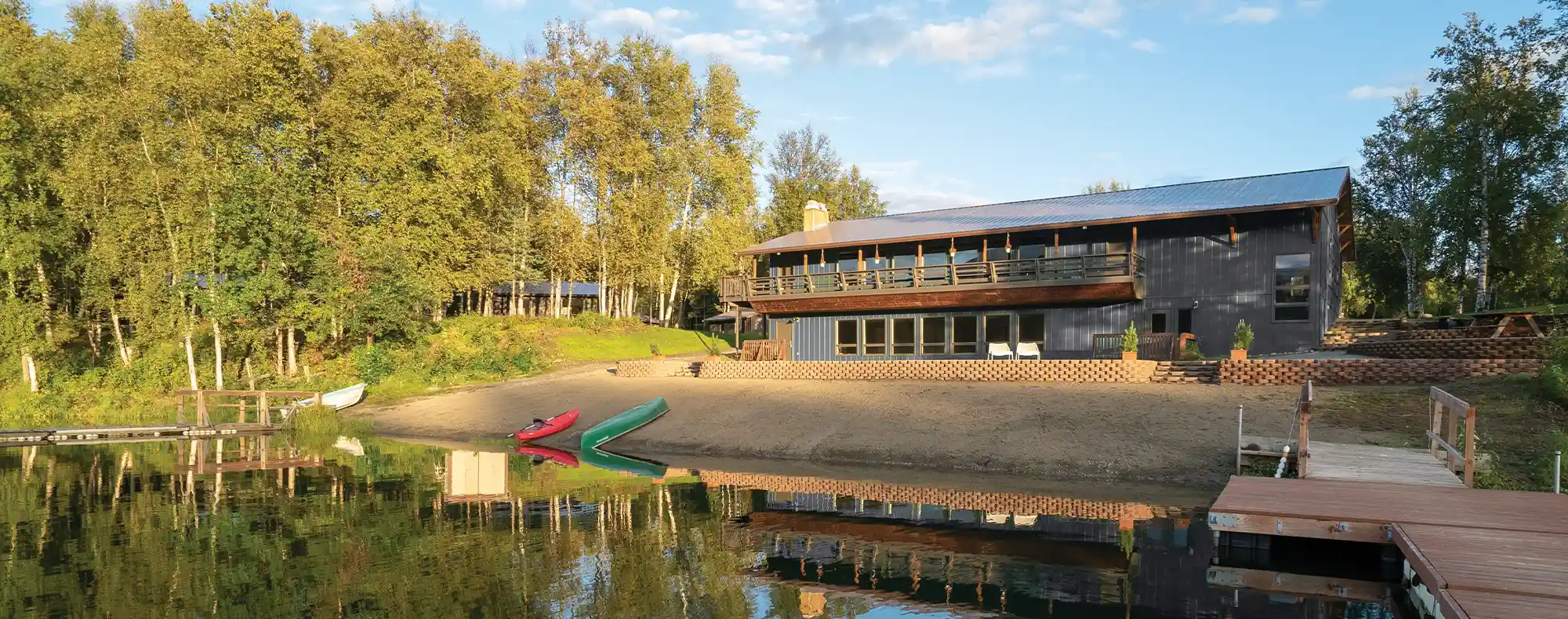
ocktails crafted with locally foraged plants. Premium indoor golf simulators. Riverside glamping. Luxury gyms with high-end classes. A resort with a private lake and shareable plates.
These are all examples of urban amenities that celebrate what’s great about Alaska—and they’re cropping up in the Mat-Su, not its more densely populated neighbor, Anchorage.

ubscribers to newspapers and magazines have paid an upfront fee since weekly papers emerged in Germany in the early 1600s. When industrialization made copies affordable for pocket change, newsboys began selling to passersby. Publishers earned more revenue from advertising, and they still do.
Tandy Hogate has been selling subscriptions since the quarterly Sustainable Alaska Magazine launched in early 2025. She also runs Alaska Homestead Academy, a video streaming archive with monthly online classes that grew out of the Lady Homesteaders club.
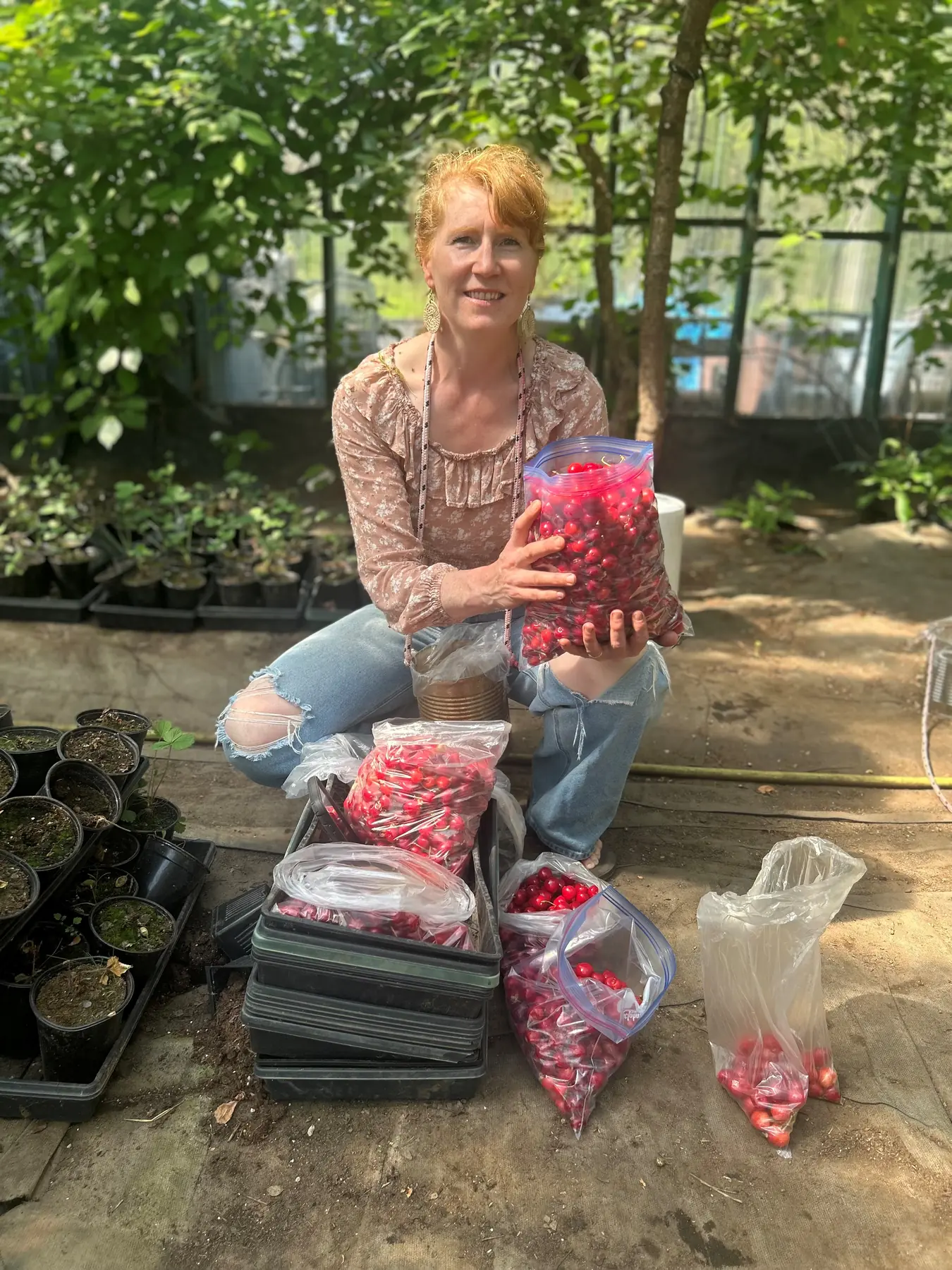
She’s applying those models to Common Ground Alaska, her farm in Big Lake. The farm now charges admission for a visitor to harvest apples, melons, or berries, with a separate per-pound charge for the produce itself. Admission can be purchased as a subscription for unlimited access.
“Subscription retail” gained popularity around 2007, when Netflix pivoted from DVD-by-mail to online video, and the habit broke into brick-and-mortar during the 2010s. Common Ground Alaska was part of that economy before; it started as community-supported agriculture, where consumers buy a share of the harvest and receive deliveries of produce boxes. After Hogate and her husband, Gene, switched to a you-pick farm, they needed a few years before the logic of subscriptions came around again.
From car washes to movie theaters, a variety of Alaska businesses are embracing subscriptions as a sustainable stream of income.

Learn more at cookinlettug.com
 (907) 277-7611


hen the COVID-19 pandemic left Katalina Vaaia without a job, she opened Bobas Cookies to help make ends meet. For three years, Vaaia baked and sold gourmet cookies from her Anchorage home. But state health rules for homemade food sellers led her to close the business when she became pregnant with her second child.
“The hoops that I’d have had to go through in order to do third-party sales would’ve added more cost to my overhead and would’ve required time away from home and obviously my kids,” she says.
different ways to grow
very year, Alaskans buy roughly 2.3 million pounds of button mushrooms. They actually eat about 1.6 million pounds. The rest goes brown, slimy, and straight into the trash—casualties of a supply chain that makes a slow journey north before it ever reaches a grocery store.
Alaska’s short growing season isn’t much of a barrier to shade-loving fungi, raising the question of why more Alaskans aren’t growing mushrooms themselves. A few years ago, more people were. Mushroom cultivators were popping up like—well, like mushrooms after a good rain: a Juneau mushroom farmer, a grower in Homer selling shiitakes, an operation in South Anchorage, a Fairbanks cultivator. Add two farms that have become the closest thing Alaska has to mushroom institutions—Far North Fungi in Chugiak and Boreal Woods in Fairbanks—and the industry was trending up.
he goal of advertising is not just to be seen but to be remembered. When a customer is ready to make a decision, they are far more likely to choose to work with a company they recognize and trust. Consistent advertising ensures your business is top of mind when that moment arrives.
One common mistake that businesses make is treating advertising like a light switch, turning it on and off throughout the year. When business is strong, marketing takes a back seat. When sales slow down, advertising suddenly becomes a priority again.
But brand trust takes time and consistency to build. Most customers are not ready to make a purchasing decision the first time they see an advertisement. Most decision-makers will see a company’s advertising several times before needing the product or service. And when the need does arise, the company that comes to mind first will often win the business.
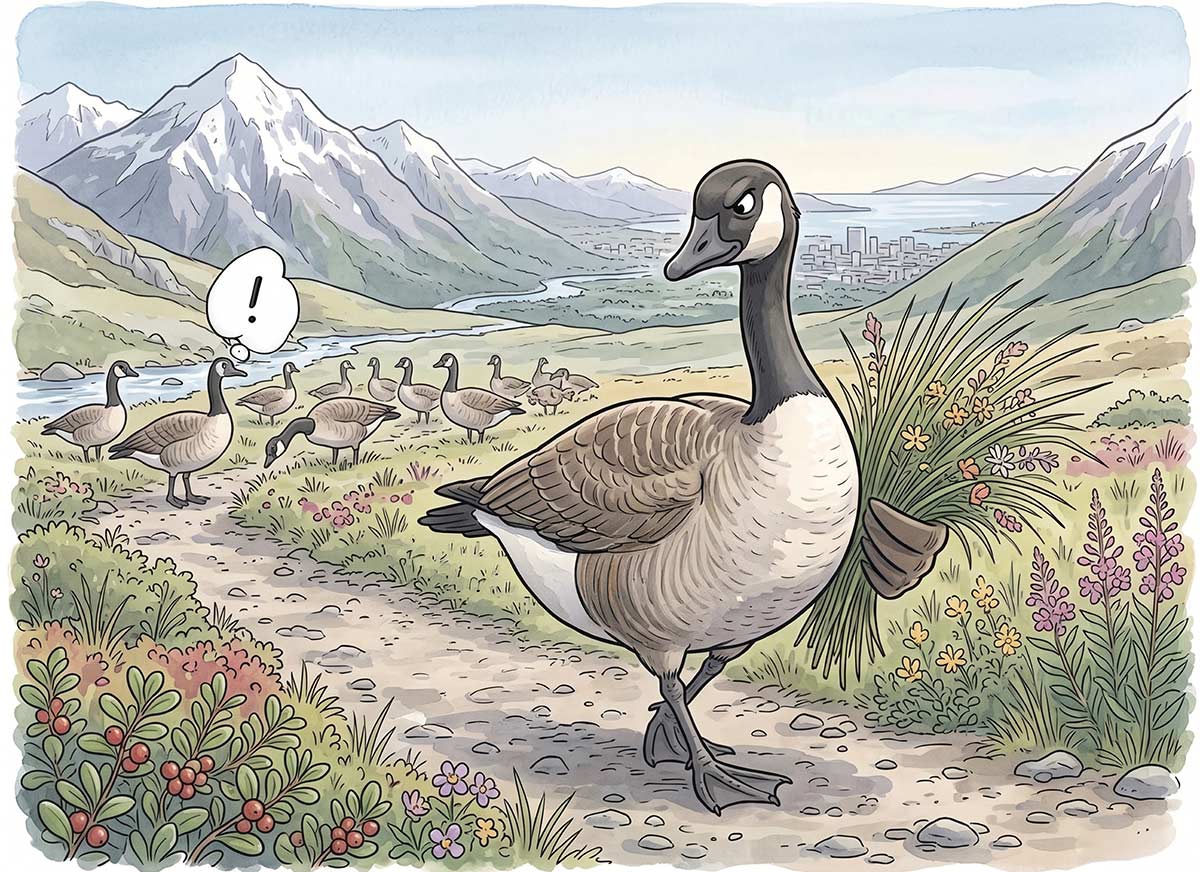
orruption within a business setting is often just seen as bad people doing bad things, but the impact can be greater than just a few publicly prosecuted crimes.
Defining it is challenging because corruption is an umbrella concept, not a universally understood and defined crime. At its core, business corruption is the abuse of entrusted power and position for private gain, which undermines fair competition, destroys organizational culture, erodes public trust, and can lead to significant financial and legal consequences. Since legal definitions risk being struck down for vagueness, lawmakers and international bodies rely on prosecuting specific, clearly identifiable acts, such as bribery, embezzlement, extortion, and nepotism, rather than the underlying corruption itself.
Business corruption is also difficult to measure. US Department of Justice prosecutions, and therefore criminal convictions, for white-collar crime have decreased over the last ten years. Other data tell a different story; according to World Bank Enterprise Surveys in 2024, 2.9 percent of US firms say corruption is a big problem for them and a very severe issue for their operations, and over the past ten years the United States has steadily declined on Transparency International’s Corruption Perceptions Index, falling from 16th place (among the least corrupt countries) to a worse ranking of 29th.

laska has a workforce shortage across almost every sector. We pour energy into recruiting to our industries and to the state, which matters. But without equal effort in retention, we’ll simply churn through employees. To reach our potential, Alaska companies must keep the people they already have so they build their career here.
Most executives assume the way to do that is to pay and promote. Pay matters, but it’s the floor. If people don’t feel fairly compensated, they’ll leave. But once that bar is met, money stops being a lever.
Advancement is similar. It matters, but it isn’t what people are really after. When employees are asked what they want, moving up the ladder is dead last. Instead, they want contribution, skills, confidence, and autonomy. This is true across every age group, every level, and every industry studied.
So how do you uncover what actually drives someone? It starts with a conversation.


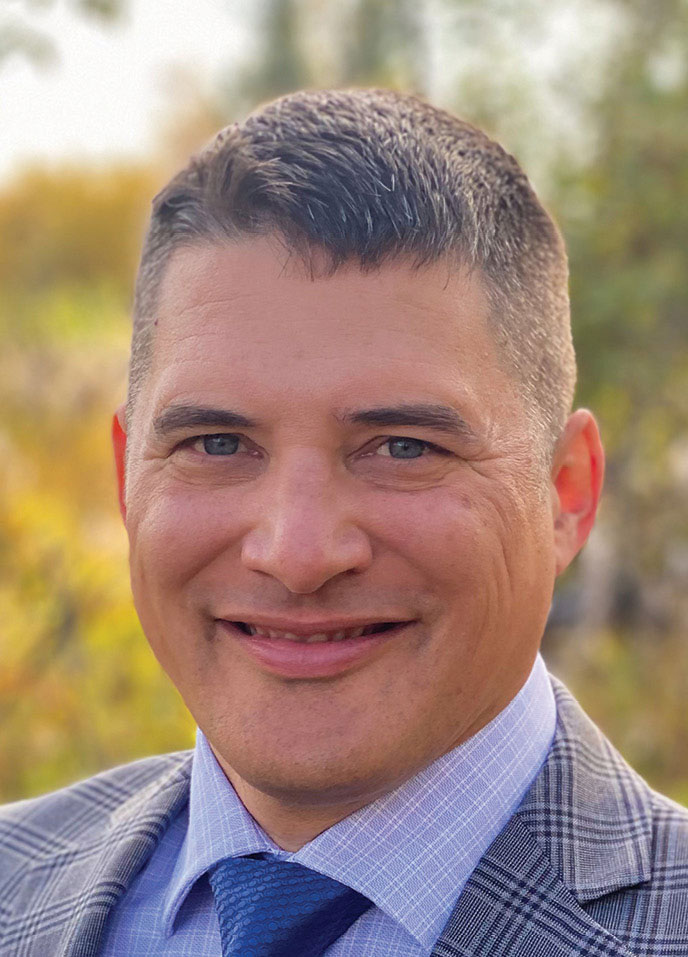
 The University of Alaska Board of Regents selected US Army Colonel Russell “Russ” Vander Lugt as the next UAF Chancellor. As of publication, Vander Lugt commands the 11th Airborne Division’s Arctic Aviation Command at Fort Wainwright, and he has academic experience teaching history at West Point and as department chair at Embry-Riddle Aeronautical University in Arizona. Vander Lugt earned a bachelor’s degree in music and historical theology from Wheaton College in Illinois. He holds master’s degrees in management science from Embry-Riddle and in Arctic and Northern studies from UAF, where he also earned a PhD in Arctic and Northern history.
Alaska Trends
s the saying goes, Alaska is an hour’s drive from Anchorage. North or south of the state’s most populous city are two very different neighbors. Across Knik River, there’s the Matanuska-Susitna Borough, twin watersheds the size of West Virginia with a population smaller than the Charleston-Huntington metropolitan area. And through the continent’s longest highway tunnel, there’s Whittier, the Town Under One Roof. This issue highlights these places with Vanessa Orr’s article “Mapping Whittier’s Future” and Rindi White’s “In the Valley of Luxury.”
Whereas the Mat-Su population is notably growing fast, at more than 112,000, little Whittier boasts barely 400 residents. According to US Census figures, 34.5 percent of Whittier workers commute by car while an equal portion walk. In the Mat-Su, by contrast, 71 percent commute by car, and 11.7 percent work from home.
A Sense of Urgency by John P. Kotter.
Covenant House Alaska.
Figure out what I’m going to eat because I’m always starving. [she laughs] Oh, I’m terrible.
The Seychelles.
A raccoon.
A Sense of Urgency by John P. Kotter.
What charity or cause are you passionate about?
Covenant House Alaska.
Is there a skill you’re currently developing or have always wanted to learn?
Figure out what I’m going to eat because I’m always starving. [she laughs] Oh, I’m terrible.
What vacation spot is on your bucket list?
The Seychelles.
If you could domesticate a wild animal, what animal would it be?
A raccoon.
Off the Cuff
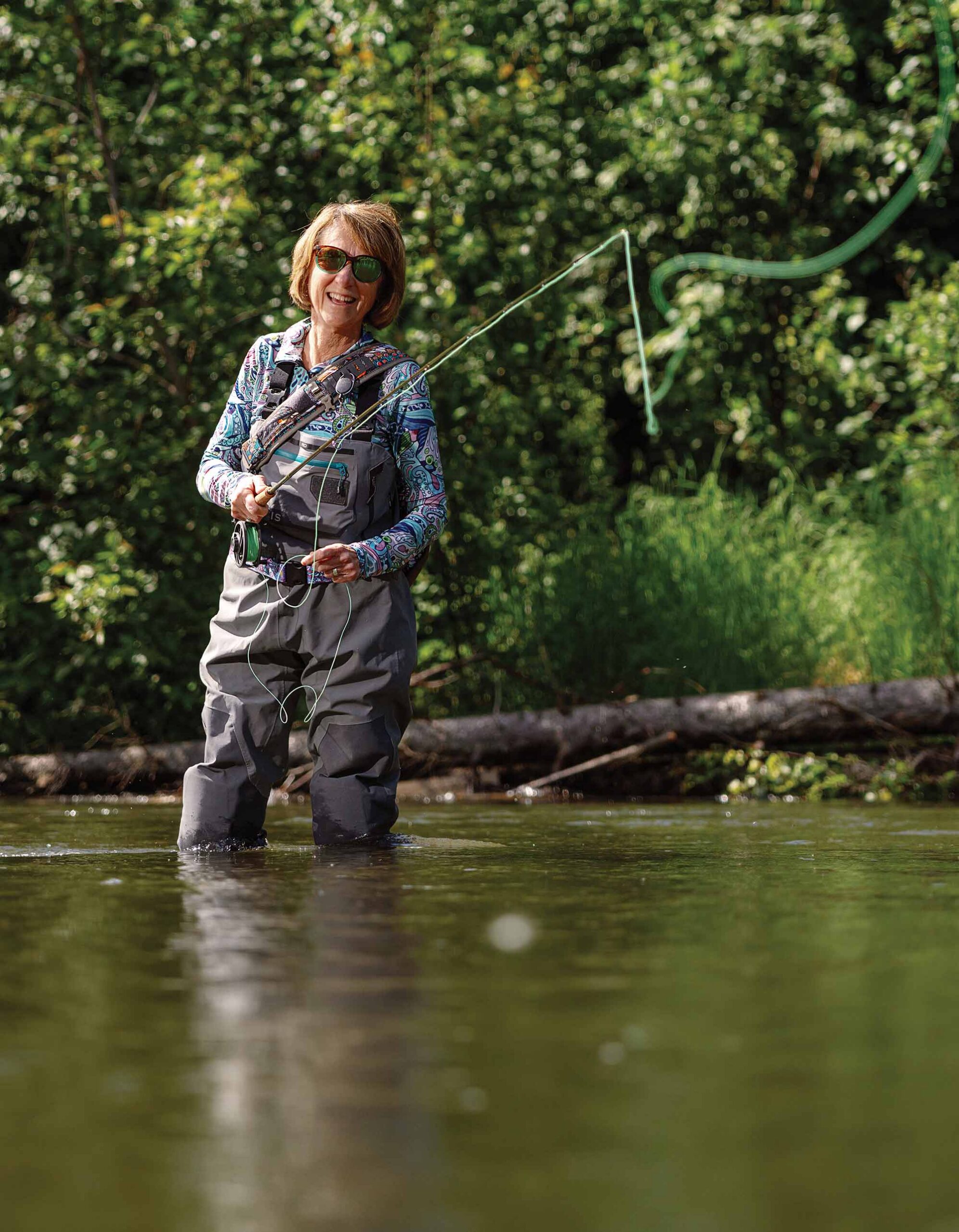
hen Good Morning America highlighted small businesses in each state this summer, the TV show chose Linda Leary’s outdoor apparel brand Fishe Wear as Alaska’s entry. Leary makes her own media, too, so she’s recognized around Anchorage. She recalls, “Two ladies come up to me, and they’re like, ‘Thank you for what you’re doing, and thank you for representing women.’”
Leary started Fishe Wear in 2015 after struggling with clothes while flyfishing. She also runs the Women’s Flyfishing guide service. Leary grew up fishing in Maine, and she says the Kenai Peninsula reminds her of Vacationland: coastal yet rural, with down-to-earth people.
Her experience growing Carlile from a small trucking company into a branch of logistics conglomerate Saltchuk gave her confidence to strike out on her own. Now, Fishe Wear is growing, with a major retailer stocking the brand this fall.