

ubscribers to newspapers and magazines have paid an upfront fee since weekly papers emerged in Germany in the early 1600s. When industrialization made copies affordable for pocket change, newsboys began selling to passersby. Publishers earned more revenue from advertising, and they still do.
Tandy Hogate has been selling subscriptions since the quarterly Sustainable Alaska Magazine launched in early 2025. She also runs Alaska Homestead Academy, a video streaming archive with monthly online classes that grew out of the Lady Homesteaders club.
She’s applying those models to Common Ground Alaska, her farm in Big Lake. The farm now charges admission for a visitor to harvest apples, melons, or berries, with a separate per-pound charge for the produce itself. Admission can be purchased as a subscription for unlimited access.
“Subscription retail” gained popularity around 2007, when Netflix pivoted from DVD-by-mail to online video, and the habit broke into brick-and-mortar during the 2010s. Common Ground Alaska was part of that economy before; it started as community-supported agriculture, where consumers buy a share of the harvest and receive deliveries of produce boxes. After Hogate and her husband, Gene, switched to a you-pick farm, they needed a few years before the logic of subscriptions came around again.
From car washes to movie theaters, a variety of Alaska businesses are embracing subscriptions as a sustainable stream of income.

Alaska Business

Connection is one distinction; another is that subscriptions are transactional, whereas memberships attach to identity. Yet another view is that subscriptions cover the cost of goods, but memberships provide access, with other fees layered on top. For example, Costco charges for groceries even while members pay an annual fee for the perk of bulk pricing.
Subscriptions and memberships span a spectrum. The lowest level of involvement, pure subscription, is simply an upfront payment. A hybrid model blends a flat rate for continued access while also permitting one-time purchases, so hybrids might use “subscriptions” or “memberships” interchangeably. Above that, members pay for exclusive access, like at a fitness club. The highest involvement might include voting rights, such as members of utility co-ops or public broadcasters.
“The listener and the viewer and the readers of our daily digest, they don’t see themselves as ‘subscribers.’ They see themselves as members receiving a service and supporting a service,” says Ed Ulman, CEO of Alaska Public Media. “When we survey our donors, they prefer the word ‘member’ or ‘donor,’ not ‘subscriber.’”
Public radio and TV have used “member” since the Public Broadcasting Act of 1967, yet members can also subscribe. Ulman notes that a $5 monthly donation to Alaska Public Media buys a subscription to the PBS Passport streaming service. So it’s a mix.
Tommy’s Express Car Wash can mix it up too. “The Tommy’s vernacular is ‘members,’” says Austin Davis, owner and CEO of Wild Pines Ventures, which brought the franchise to Anchorage in 2024. “To be a member, you have to have a subscription. So, yes, they are used interchangeably; a member is a subscriber.” Another term he uses is “guests.”
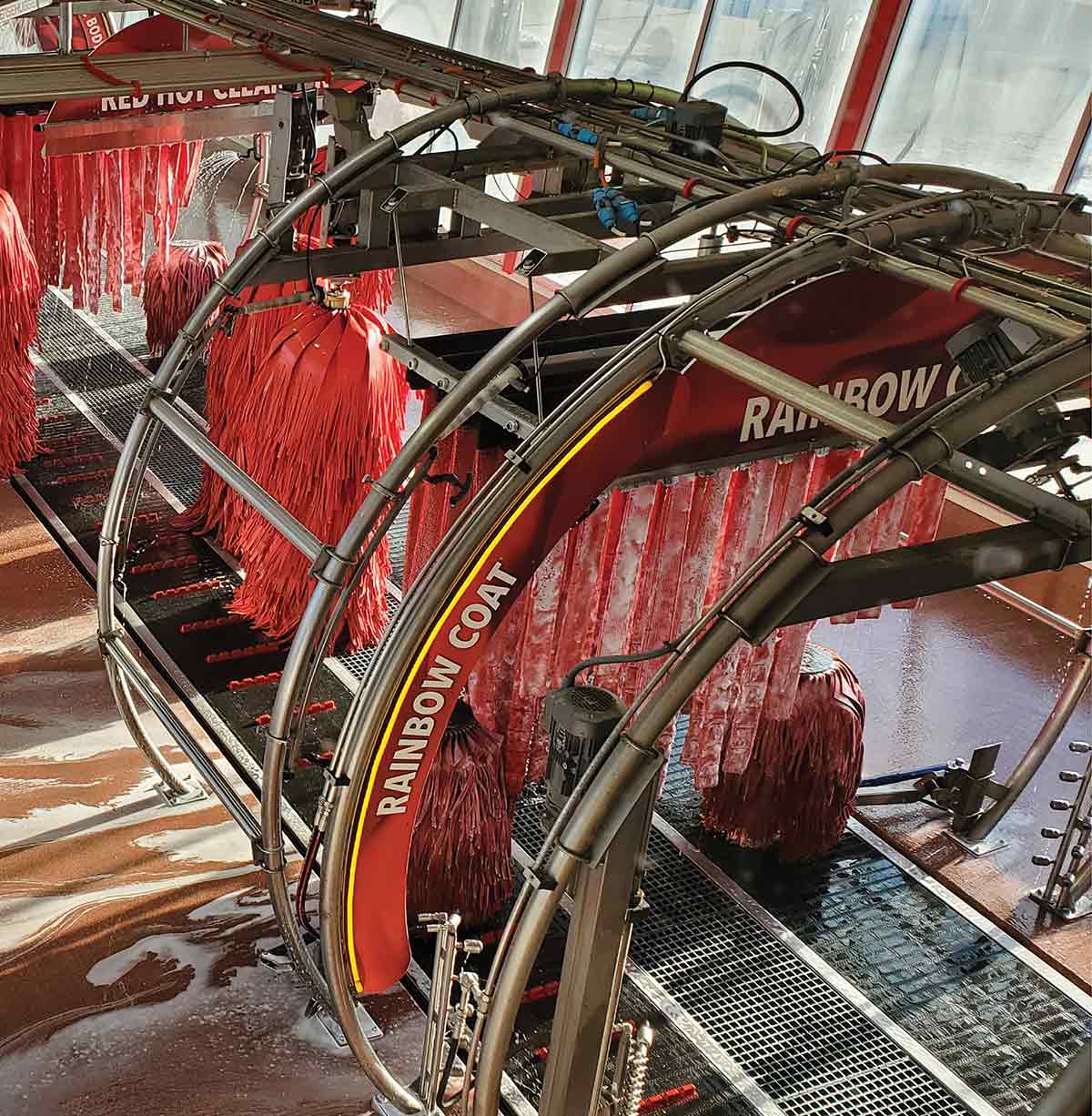
Tommy’s Express gained a second Anchorage location this summer near the Debarr Road Costco store, in addition to its flagship on Abbott Road. According to Davis, about 65 percent of cars going through the Tommy’s Express tunnel are members. The remainder use a cashier window for what Davis calls “unique washes,” making Tommy’s Express a true hybrid. The main perk of membership is the price advantage of unlimited access.
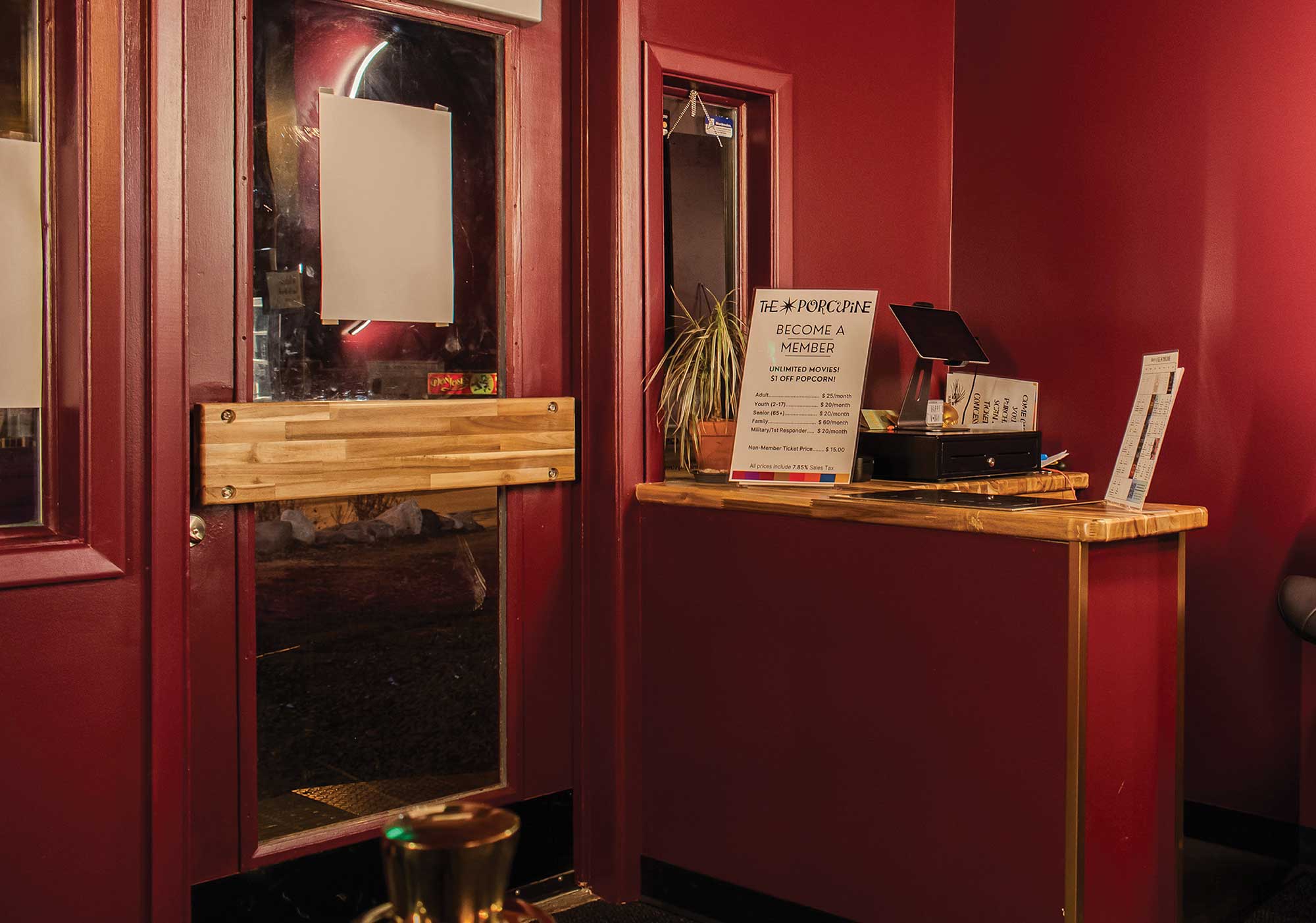
Price is also a perk at The Porcupine Theater. The only movie house in Homer reopened in 2025 after renovation, and the new owners implemented a subscription model for the building’s 70th anniversary. “It’s a monthly subscription, so I do use that word, but I don’t call them subscribers. I call them members because they’re a part of something,” says co-owner Susannah Webster. “They are part of our community; when they come, we recognize them. They get a dollar off popcorn. They bring their own bowls. We know how they like their popcorn.”
Greatland Studios

Fast-forward to 2010, when Birchbox sold curated cosmetics samples by subscription. What followed were boxes of pet toys, shaving kits, science experiments, nerd loot, and meal ingredients. Alongside those monthly surprises, consumers subscribed to video streaming, so why not also sell movie tickets by subscription? MoviePass launched in 2011, originally as a booking service, but by 2017 it sold $9.95 monthly subscriptions, despite the company paying theaters the full retail price of $11 to $12 per ticket for subscribers. At the time, the average consumer watched one movie per month or less, but MoviePass covered one movie every day. MoviePass holders saw more movies each month than company leaders expected, and the company was insolvent within a year. Customer lawsuits claimed bait-and-switch tactics, and MoviePass closed in 2019, although it relaunched in 2021 with a more conservative subscription model and celebrated its first profitable year under the new venture in 2024.
The subscription bubble never burst, and Webster believes The Porcupine Theater is poised to thrive. The 150-seat auditorium was on sale for a dozen years, and Webster, a licensed real estate professional, was curious why it hadn’t sold when she realized that she’d love to keep the theater as an amenity for all of Homer.
Walk-in ticket buyers are welcome, but the subscription plan puts customers ahead by their third movie in a month. “For people who come all the time, it’s an incredible bargain,” says Webster.
To serve those bargain hunters, The Porcupine Theater added second-run and classic fare, expanding from two new releases per week to up to twenty titles per month. Webster explains that first-run movie contracts were too limiting, especially for a single screen. Flexible programming lets the theater cater to members, and their subscriptions ensure reliable cashflow.
“It’s absolutely, 100 percent the reason we are successful,” says Webster. “I initially dismissed it, but when I started to really look into it and look at other theaters that have been doing this across the country, it started to really make sense.”

The Porcupine Theater


Subscriber access keeps prices steady. “The you-pick prices are going to be exactly the same as they were last year, but we’re charging a $5 fee to come into the farm,” Hogate explains. That’s $5 for a single entry; a subscription becomes a bargain after the fifth you-pick visit.
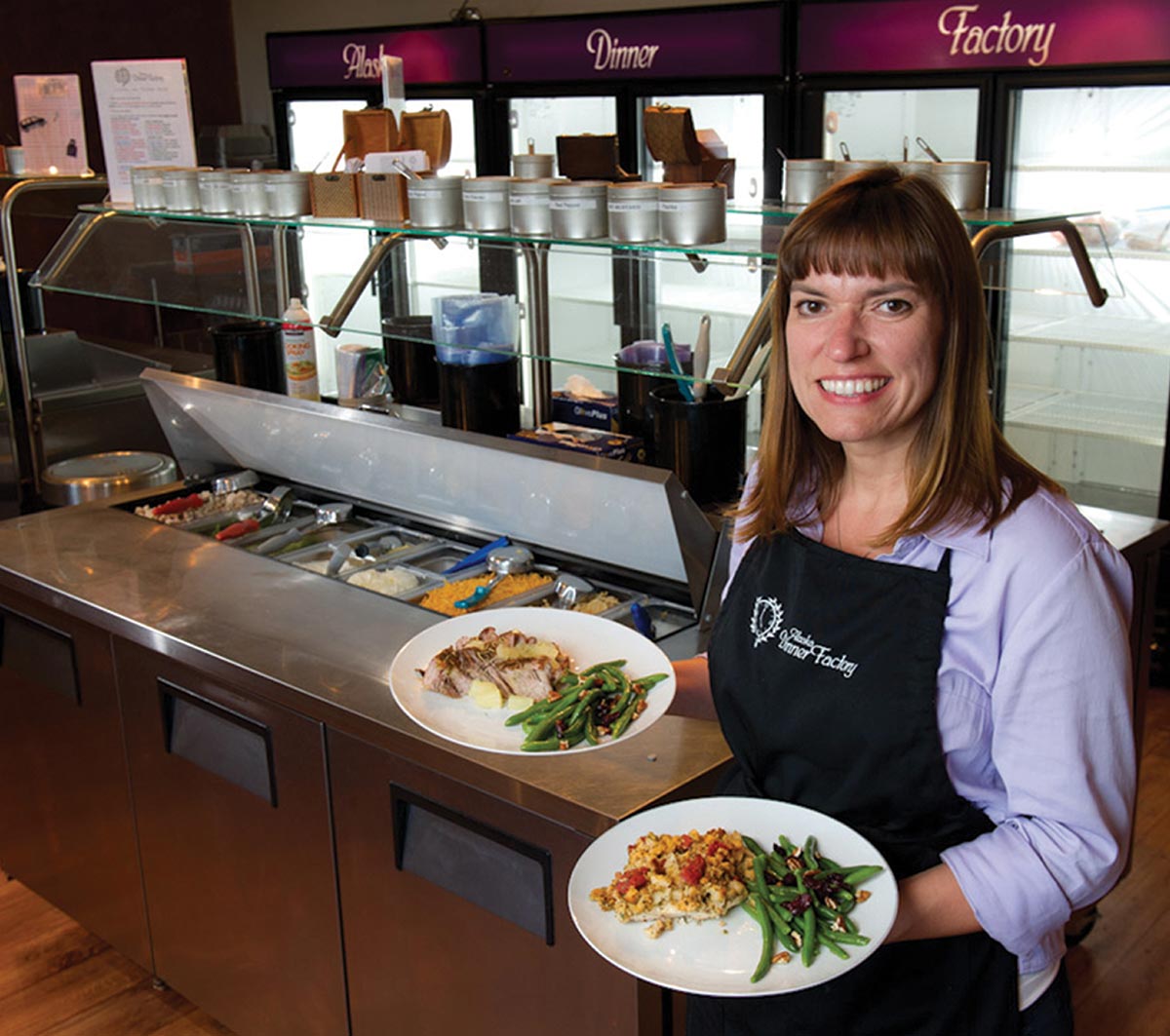
The pivot point for Alaska Dinner Factory came in 2016. Linnea Cummings started the assembly kitchen a decade earlier, and then companies like Blue Apron and Hello Fresh began dropping off meal kits on subscribers’ doorsteps. Although packaged foods like Nutrisystem had been around for decades, mostly for special diets, Alaska Dinner Factory fills a different niche: fresh dishes ordered well in advance.
Keon Hall, general manager at Alaska Dinner Factory, says families appreciate the savings of time and stress when it comes to shopping and meal preparation. “Kids have afterschool activities, or mom and dad don’t get home until 8 p.m. We also have new families; a lot of people get gifts when they’re having their first child,” says Hall. He also sees a lot of students or construction workers.
For them, it’s worth shifting part of their grocery budget to Alaska Dinner Factory for six or twelve entrees per month. A premium tier for a twelve-month subscription has a discounted price plus perks like two free side dishes per month.
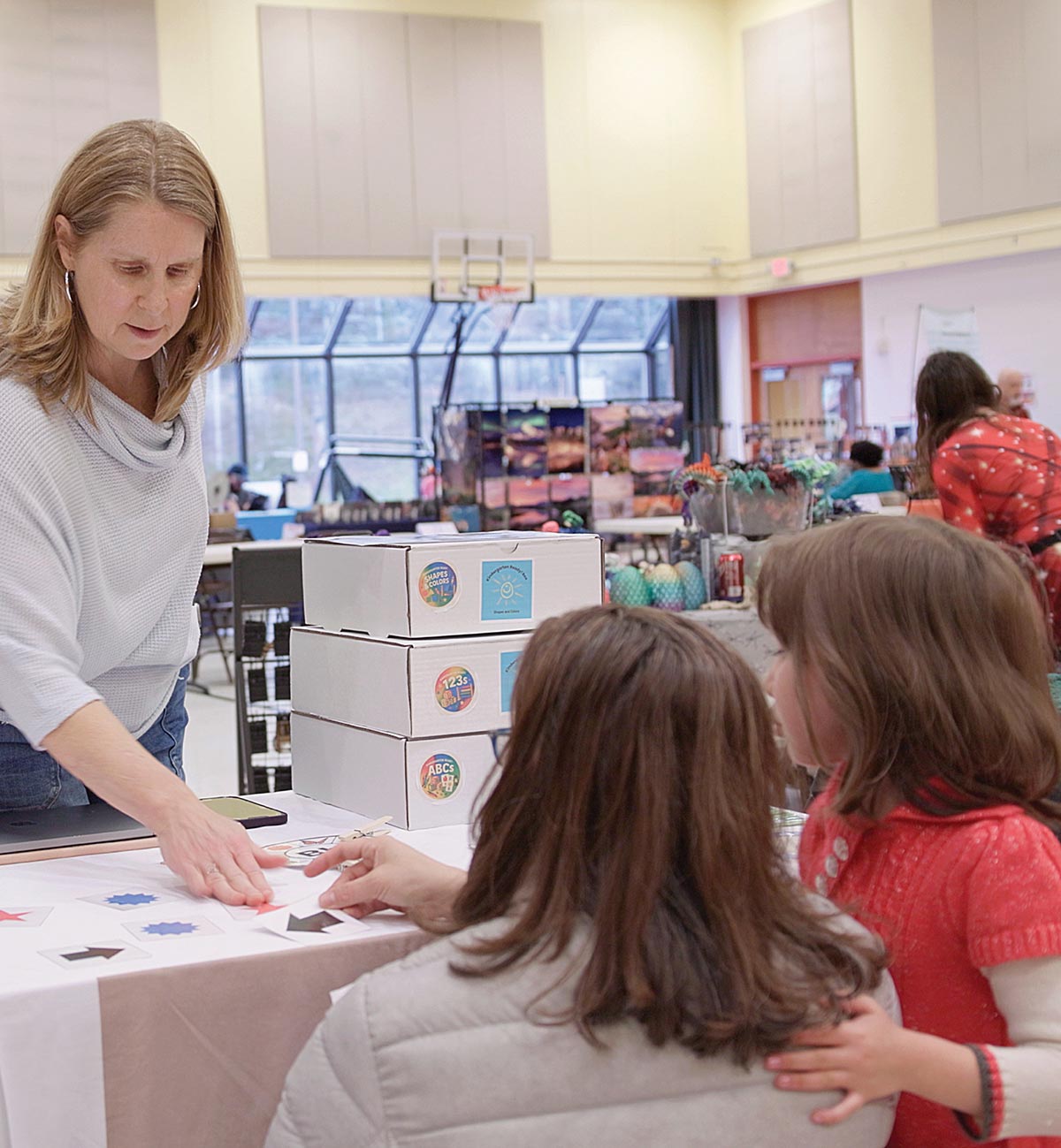
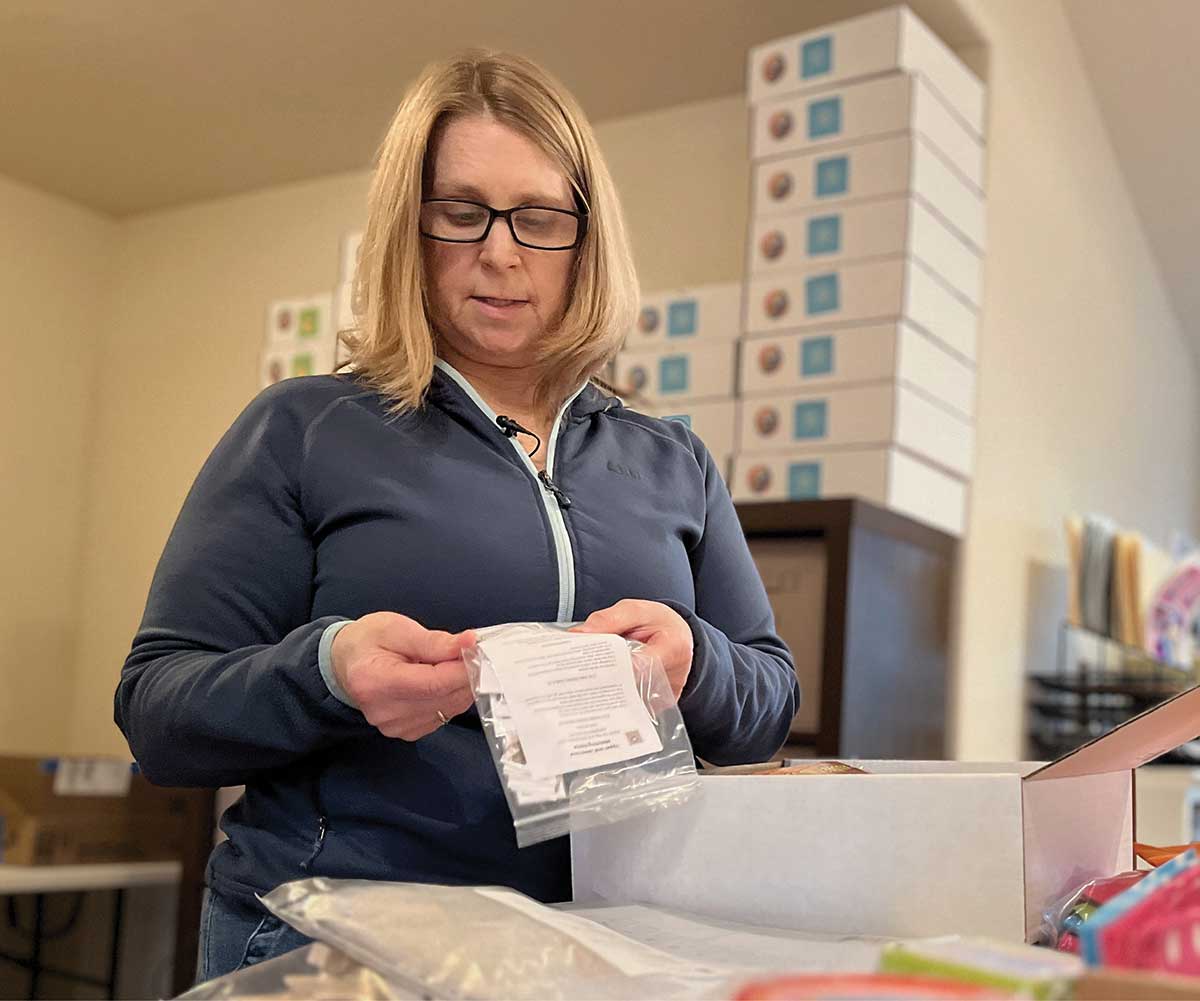
“I wanted families to have a simple, convenient way to receive hands-on learning activities delivered directly to their homes each month. The idea was to create an experience that parents and caregivers could look forward to,” Merizon says.
Merizon also vends merchandise at markets around the Anchorage area, which she considers to be occasions for outreach. “Markets are a wonderful opportunity to meet families face-to-face, gather feedback, and let children interact with the activities before purchasing. While subscriptions remained the primary focus from the beginning, I’ve always viewed markets as a valuable way to build relationships,” she says.
Subscriptions and direct orders are most of Play and Learn Company’s business. She delivers boxes personally, but she also sells at market tables. “The two go hand in hand: subscriptions provide consistency, while markets help us grow our community and share our mission of learning through play,” says Merizon.
Tommy’s Express has been subscriber focused since its inception. “This was definitely baked into the business model,” says Davis. “The Essenburg family that started Tommy Car Wash Systems, they had their own private brand of car washes by the name of Quality Car Wash in Holland, Michigan. And long before the founding of Tommy’s Express, they had a membership model at those, which had a proven track record.”
The leap from loyalty punch cards to full-on subscription had to wait for the right technology, again circa the 2010s. Davis says, “You had RFID tags you put in your window that really took off, thus allowing the membership model to expand much greater.”
Now, lots of local car washes have adopted the subscription model, from stalwart Sudzy Salmon to Chugach Alaska Corporation subsidiary CYBER Express Wash.
Do they share the same risk as the unfortunate MoviePass?
Davis acknowledges that every extra wash incurs a marginal cost to his business, but a doubly clean vehicle is worth something to him. “You’re probably going to be the best marketing that I could get,” he says. “Somebody that goes around with a clean vehicle all the time is a great advertisement for us.” He recalls one customer in Kansas who washed four times every day, so it does happen.
“We find that the average person only has time to come through about four to five times a month,” says Davis, “but we don’t want to dissuade anybody from using the truly unlimited.”
He confides that, at any car wash, a second run through the tunnel might be necessary, so subscription pricing makes it painless. “I tell people whether they’re a member, whether you’re just paying at the window: you don’t pay for one car wash, you pay for a clean car. So I will keep sending you through. Whatever it takes,” says Davis.
Alaska Business
Another benefit is efficiency. Hall does the math for Alaska Dinner Factory. “The more subscribers you have, the more you take out the variables. Like, I know what I need for 250 subscribers,” he says. “So we need to look ahead and have 300 pounds of this or 500 pounds of that product.”
On top of pre-ordered meals, the kitchen prepares a 10 percent surplus to stock in the storefront on Lake Otis Parkway for walk-in customers. “We take up to probably seventy-five to eighty orders per week,” says Hall. “We make it Monday through Friday; delivery happens on Saturday.” Deliveries happen three times per month, and because drivers aren’t racing against a “thirty-minutes-or-less” guarantee, they can cover the entire Anchorage area, without the need for branch locations.
Efficiency is part of the appeal. “With that purchasing power, you’re able to save money. That’s how we’re able to give folks meals for $7 or less per serving,” says Hall. He adds with a chuckle, “Where can you go and get a meal with two sides, that’s going to feed three servings, for $21? You can’t even go through a drive-through for one person for less than $18.”
Subscriptions help Merizon forecast inventory. “Knowing approximately how many boxes we’ll need allows us to buy supplies more efficiently, manage costs, and streamline assembly. This predictability helps reduce waste and ensures we can maintain a consistent quality experience for our customers,” she says.
She also uses lead time to develop themes, design activities, source materials, and test products. Merizon says, “The recurring nature of subscriptions creates a steady rhythm for the business and allows us to focus on building long-term relationships with the families we serve rather than relying solely on one-time purchases.”
Relationships affect the operation of The Porcupine Theater, according to Webster. “People email me and are like, ‘You should totally play this movie.’ Yeah, if they’re a member, I’m a little more inclined to take their recommendation,” she admits. A suggestion box was overwhelmed with requests at one point, which Webster calls part of the learning curve.
Alaska Dinner Factory
The Porcupine Theater must be careful with churn, however. Webster says, “I want to discourage people from jumping on and jumping off. We have winter people, they’re like, ‘I want to be a member just for three months.’ And it’s like, that’s not really what this is about. This is about the theater being here still when you come back from Florida.”
Success is measured in more than subscriber numbers for Play and Learn Company. “While growth is certainly important, the metric that matters most is whether families continue to find value in what we create and choose to stay engaged with us over time,” says Merizon. She prioritizes subscriber retention and repeat purchases.
Davis agrees. At Tommy’s Express, “Growing the memberships is important, but retaining those members is even more important because it means that we are consistently delivering value. While it’s exciting to grow members—and, yes, we are actively always trying to do that—if they aren’t staying with us, then I’ve missed the bigger picture. Retention is probably the ultimate report card because it tells us if we’re delivering on the promises,” he says.
Hogate is committed to ensuring that members feel they’re getting what they pay for, but she can’t overshoot. She says, “I can’t offer someone a $25 membership to the farm, open it all up to them, but then have that cost me $50. You know what I mean?”
Without advertising, Common Ground Alaska signed up plenty of you-pick subscribers, Hogate reports. “People really will stand behind something that they believe in. For folks who believe strongly in the family farm, they’re willing to invest in it, and that’s helpful to us,” she says. “They could go do something else with that money, and they didn’t.”
Subscription retail is an entry point for customers seeking bargains or seeking community. Webster observes, “Our membership is split. We have people who see it as a deal. They’re like, ‘I can save money. I’m gonna sign up for this because I want to go to the movies and I save money.’ And then we have people who just want the movie theater to exist, and it’s worth it to them to pay this amount each month to be able to know that they’re contributing to this community resource.”