

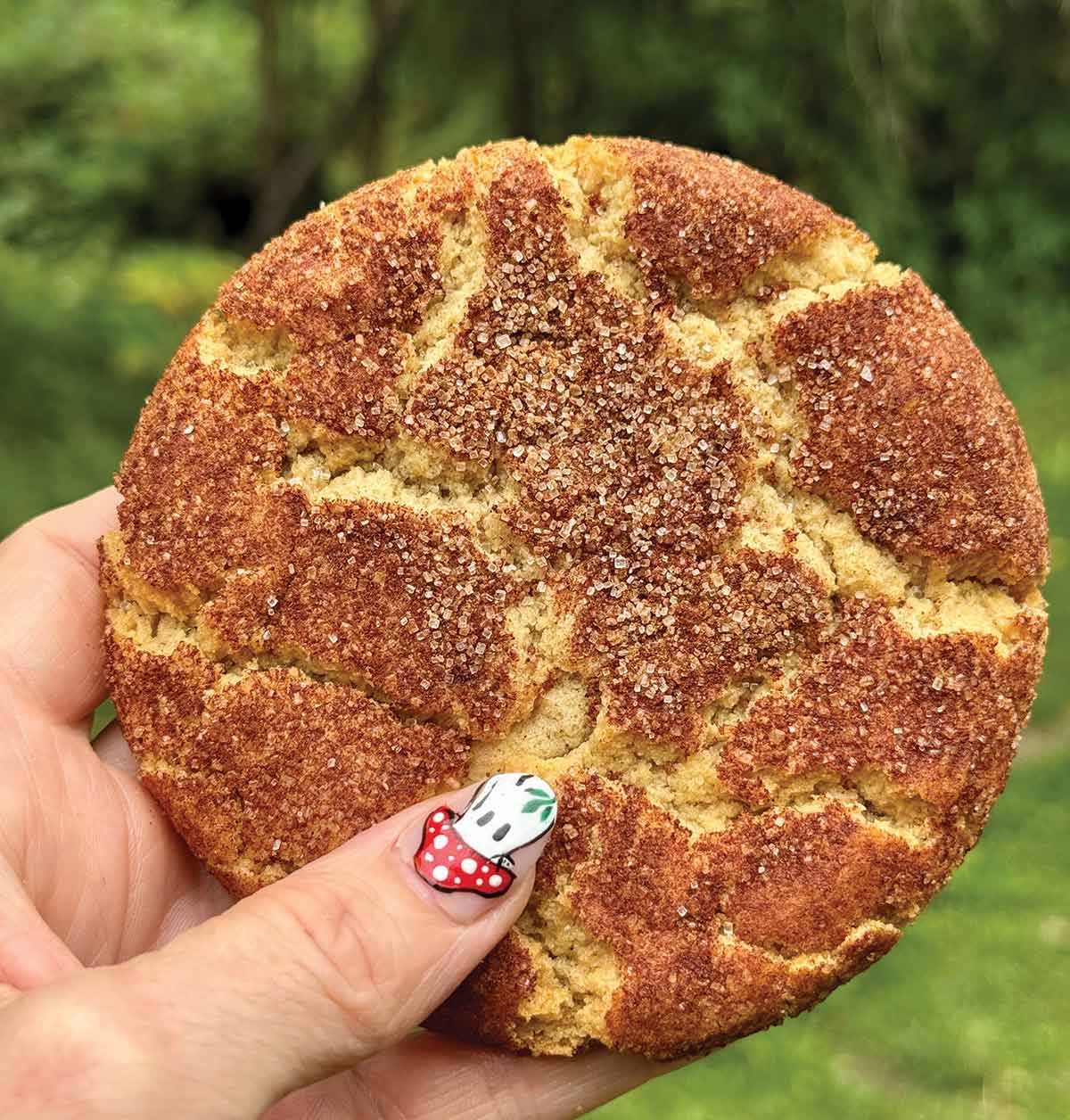
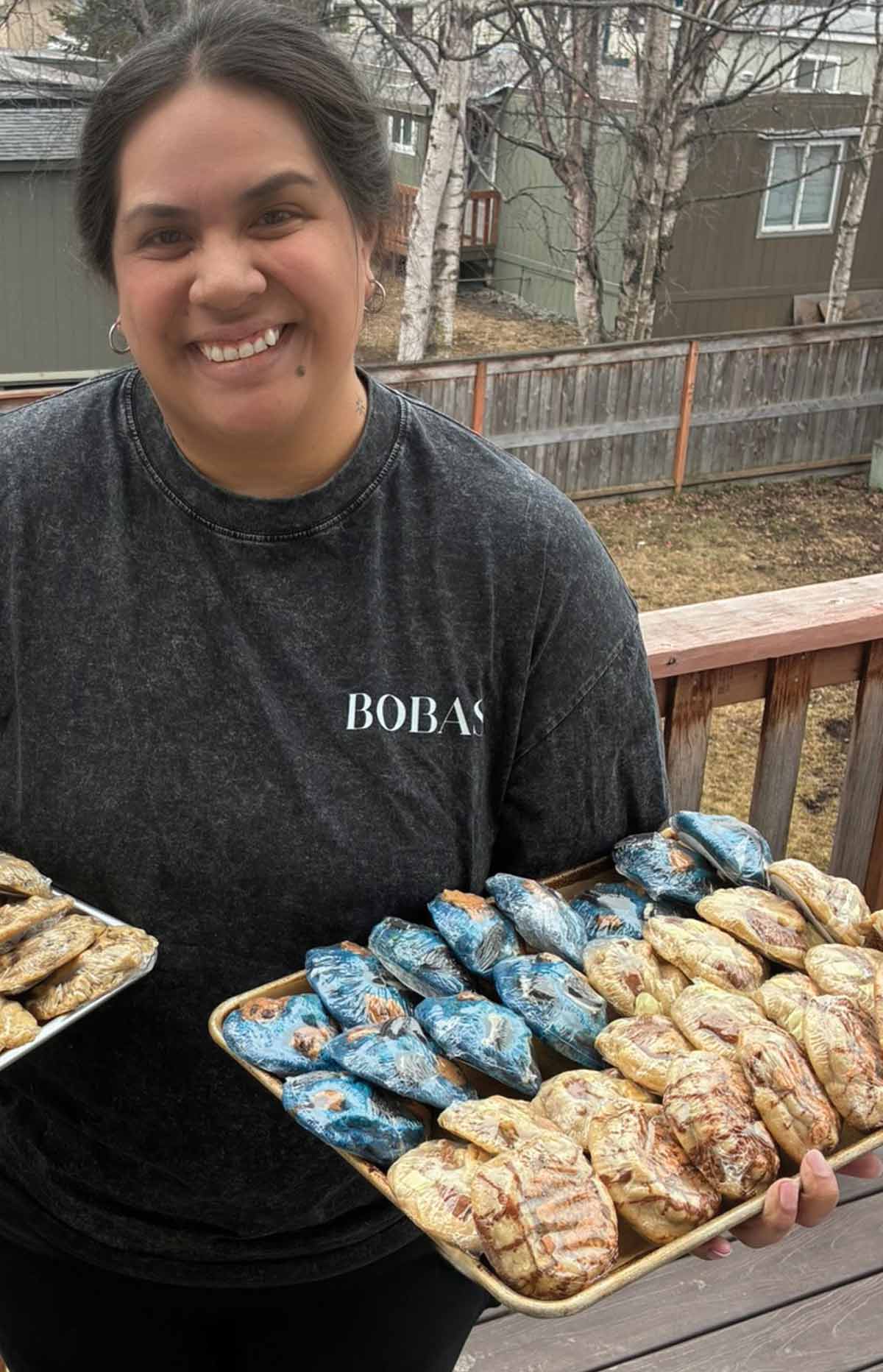
hen the COVID-19 pandemic left Katalina Vaaia without a job, she opened Bobas Cookies to help make ends meet. For three years, Vaaia baked and sold gourmet cookies from her Anchorage home. But state health rules for homemade food sellers led her to close the business when she became pregnant with her second child.
“The hoops that I’d have had to go through in order to do third-party sales would’ve added more cost to my overhead and would’ve required time away from home and obviously my kids,” she says.
“It was a complete gamechanger for my business,” she says. “These changes have positively impacted my business in a major way by creating more opportunities to reach customers.”
Homemade foods are any food produced in an uninspected, privately owned or leased home kitchen, says Sarah Lewis, professor of health, home, and family development at the UAF Cooperative Extension Service. The Alaska Department of Environmental Conservation exempts food prepared under the law from its inspection and food service permit requirements, but businesses must comply with other state and local regulations that govern business operations.
Regulations enacted in 2012 capped gross annual sales at $25,000, limited the types of food that could be sold, and only allowed direct-to-consumer sales, Lewis explains. The new regulations eliminated the sales cap, expanded the list of allowable foods, and allowed third-party sales in certain circumstances, which makes it easier for homemade food businesses to operate.
“Having that income cap off was a big, big, big, big deal. And third-party sales, huge deal,” says Monica Janzen, owner of The Moon Muse, an Anchorage home bakery that specializes in vegan and gluten-free baked goods. “Those were the two most important parts of that deal.”
“That keeps it as a hobby business,” Janzen says of the original rationale. “If you are legit and you care about your customers and you’re trying to keep things safe, with licensing and insurance, then you’re making $2,000 to $3,000 in actual profit by the time it’s said and done.”
However, the sales cap made investing in a business challenging.
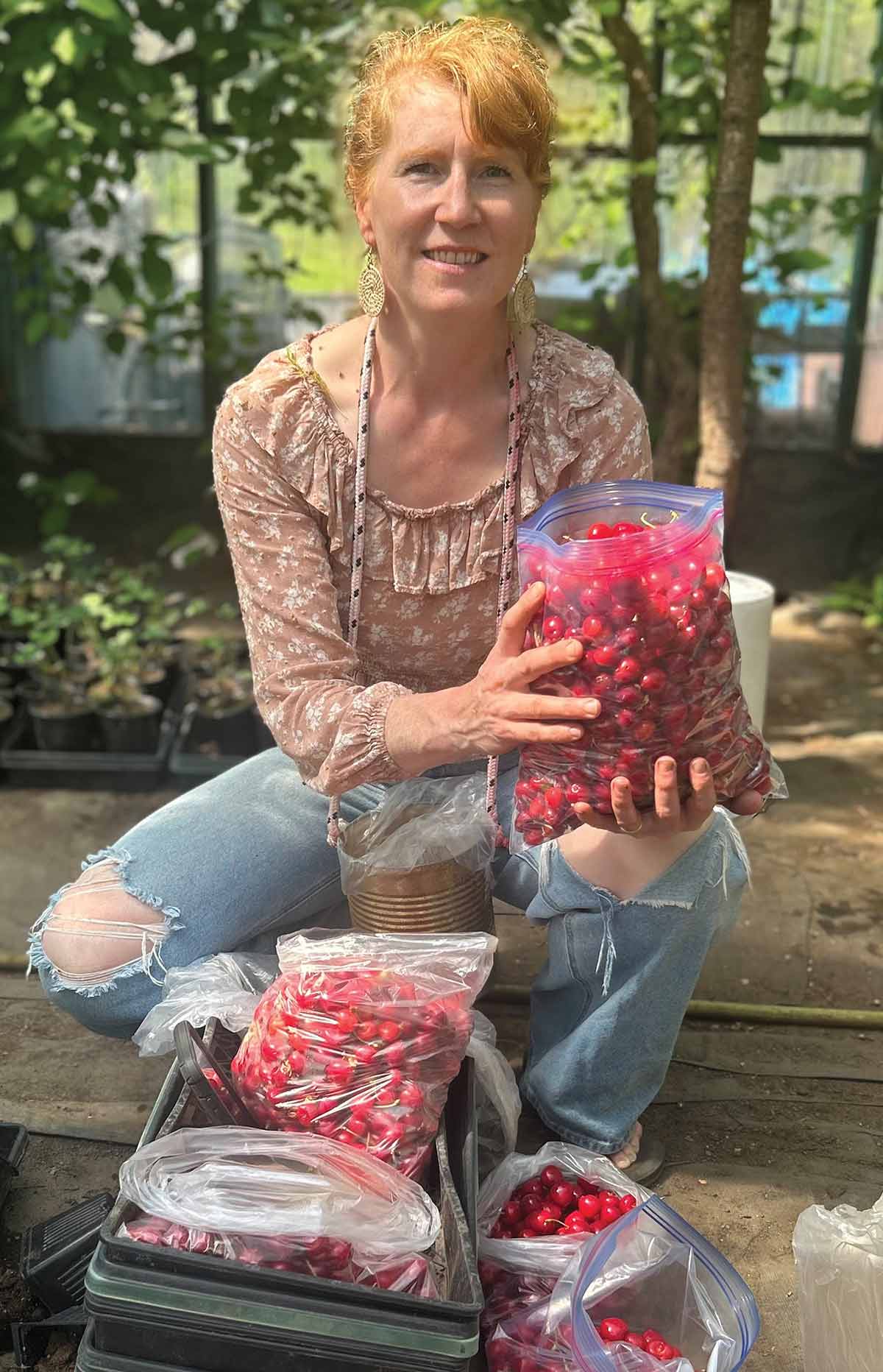
“By my second year in business, I had learned enough about how I wanted to grow my business that I was ready to invest in some equipment and other supplies, like custom printed glass bottles for the kombucha,” says Brandy Nelson, owner of Wild Currant Alaska in Soldotna. “Those investments put my operating business costs above the income cap, which would have made my business insolvent if I couldn’t earn at least as much as I spent.”
Vaaia invested all her earnings back into the business, but because her profit margins were so small, she was still doing everything by hand. With the sales cap eliminated, she’s been able to make real investments in the business.
“The elimination of the income cap has given me much more confidence in growing my business,” Vaaia says. “It’s given me more flexibility, and I’m now able to focus on increasing sales and investing in new equipment and supplies without having to worry about the significant changes that would come with exceeding the income cap.”
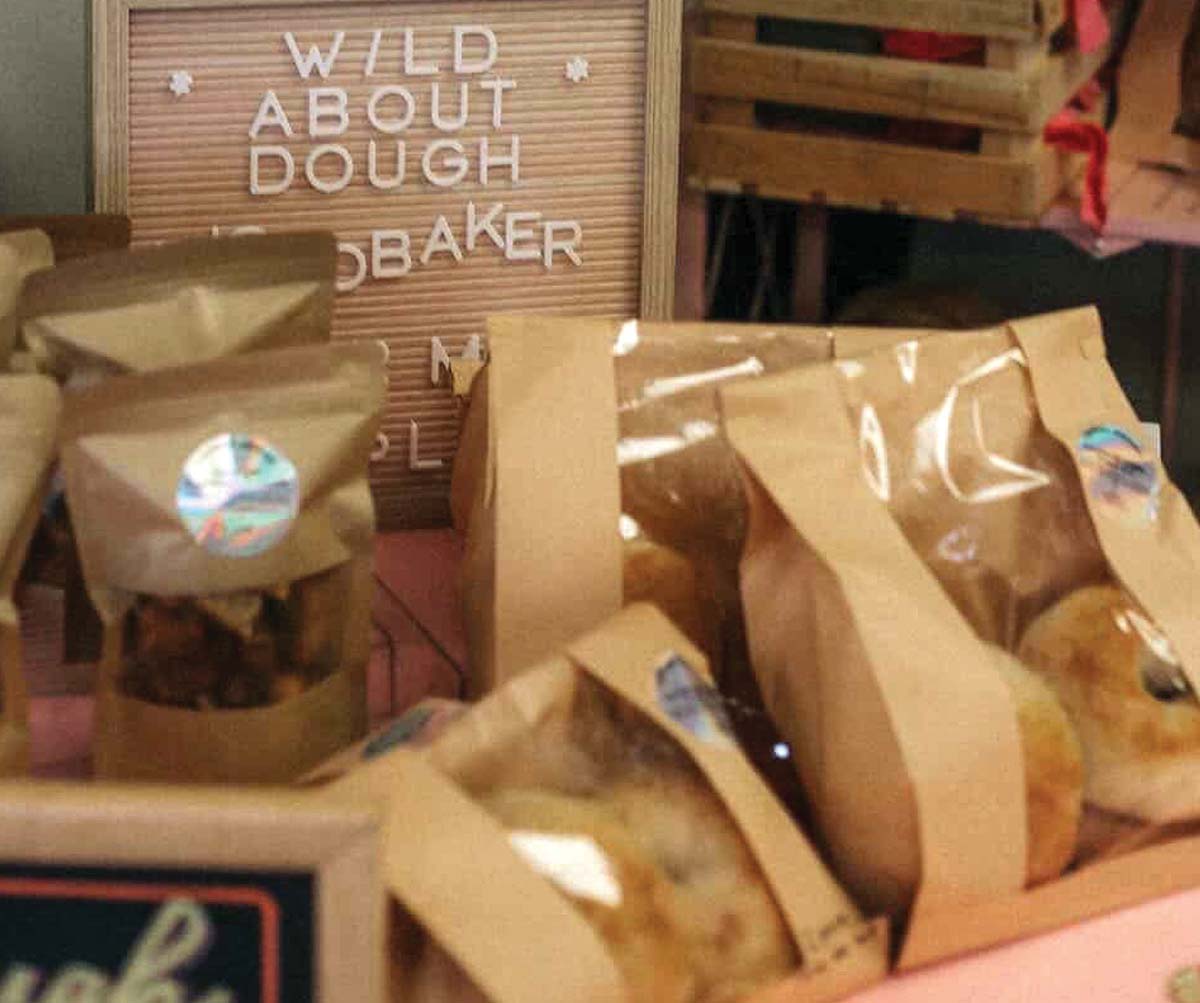
Ivy Veriato opened Wild About Dough in March 2025 and reinvested all her earnings into the business, purchasing a Simply Bread oven, which helped her scale up production. “Instead of doing two sourdough loaves at a time, I’m doing twelve,” she says.
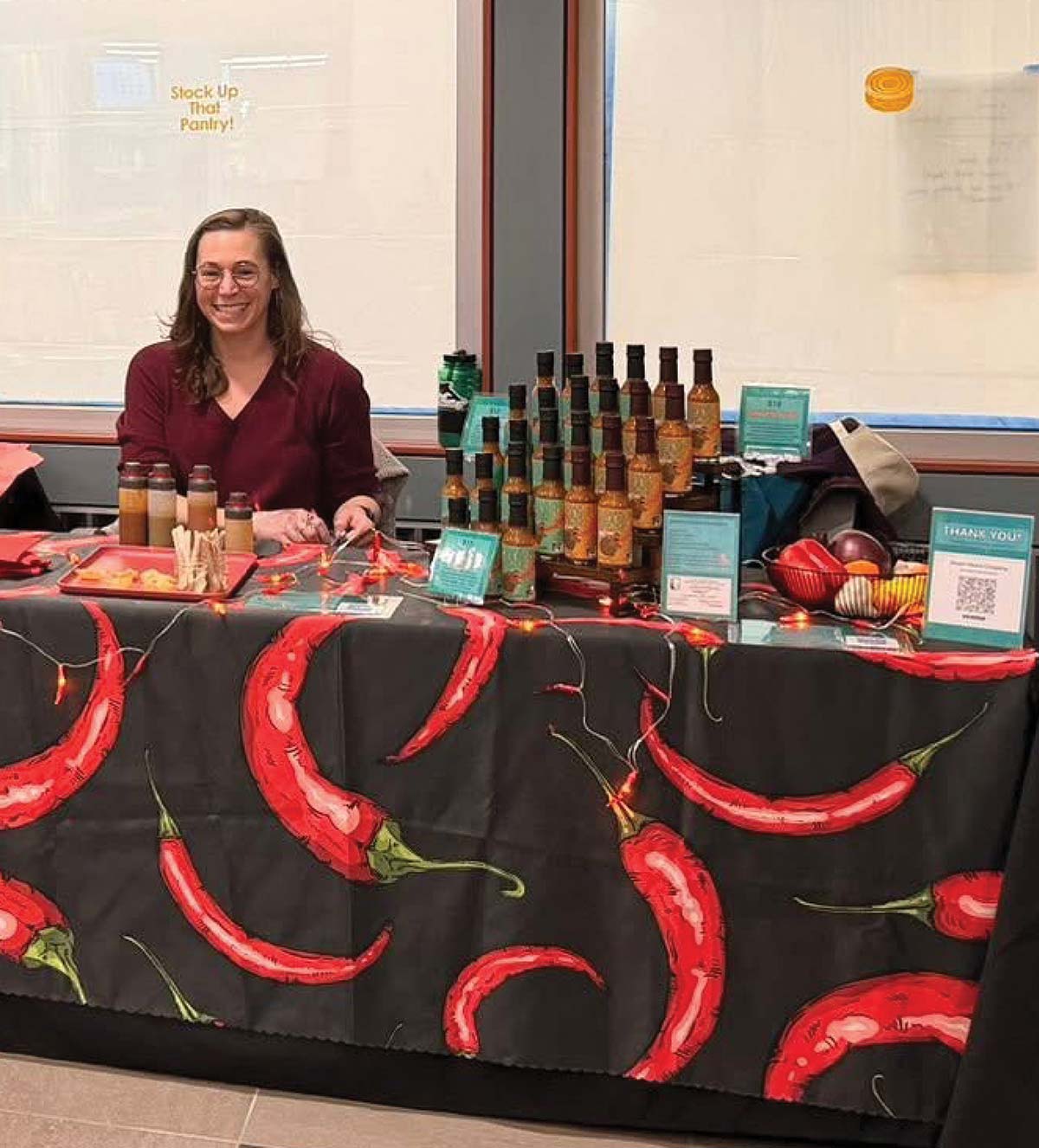
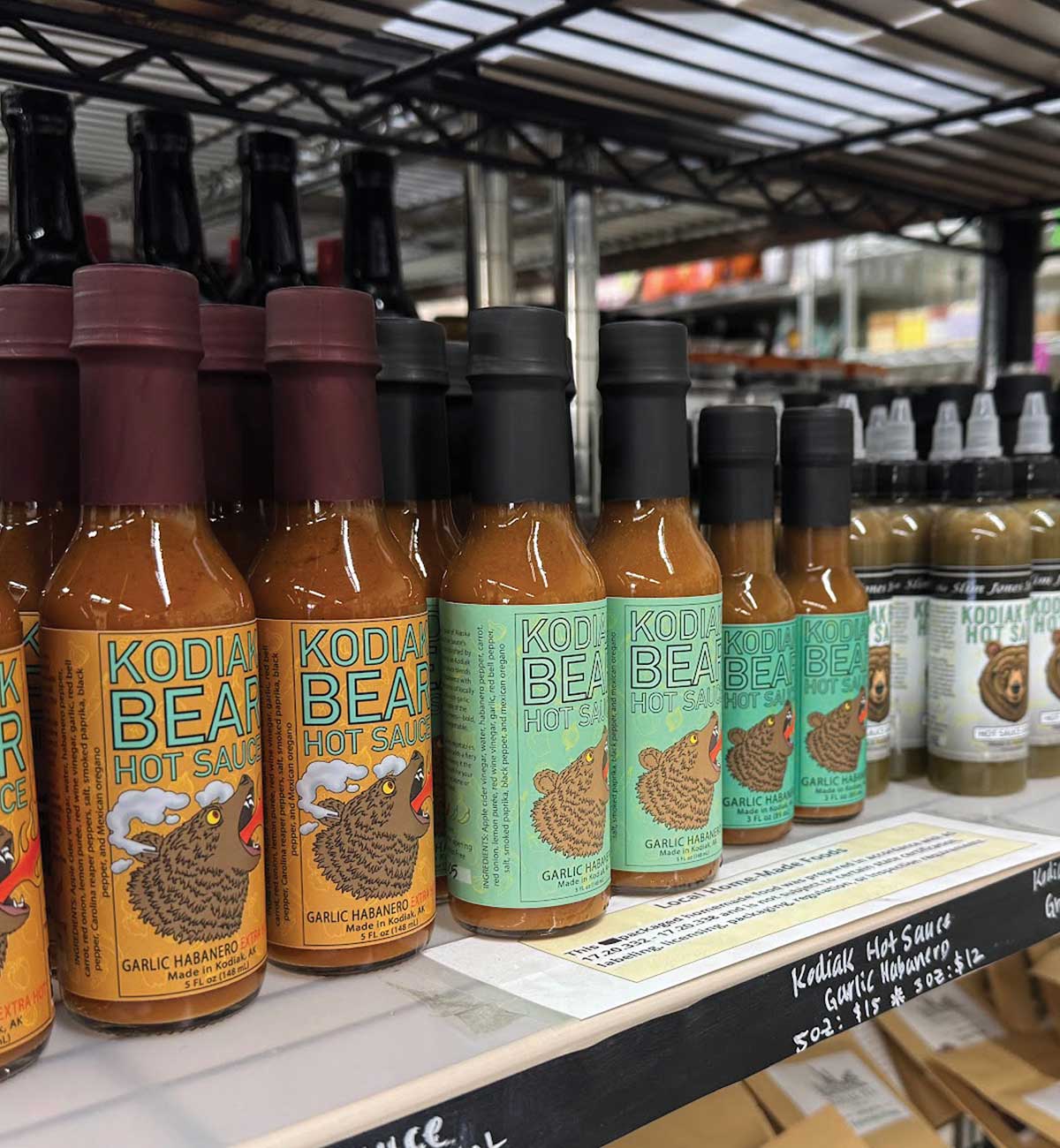
Julia Dissen opened Kodiak Bear Hot Sauce around the time the new regulations went into effect. Although hitting the $25,000 cap wasn’t an immediate concern, she says its elimination makes the overall running of the business less stressful.
“Its removal provides peace of mind and makes long-term planning easier,” she says. “If my business experiences a particularly strong season, I don’t have to worry about being forced to stop selling products partway through the year. That allows me to invest in inventory, build relationships with retailers, and focus on serving customers without wondering whether I’ll have to pull products from shelves or turn away sales.”


Veriato partnered with Natural Pantry and several Anchorage coffee huts, including Brew D’Licious and Bullies & Brew, to sell her baked goods. She estimates that she provides 300 bagels and 96 cookies and scones to Natural Pantry each week, and between 24 and 96 scones and cookies to the coffee huts. The partnerships make planning her schedule easier, meaning more time with her two young sons.
“When I got offered this partnership with Natural Pantry, it was kind of a no-brainer,” Veriato says. “I wasn’t going to have to bake all weekend long or bake for sixteen hours and sell everything in four hours and not have much of a weekend.”
Dissen says third-party sales have had the biggest impact on her business. “Kodiak offers a lot of opportunities to sell through markets and bazaars, but because I work a full-time job, I can’t take advantage of all of them,” she says. “Being able to have agents sell my products allows me to spend more time making hot sauce and less time staffing sales events.”
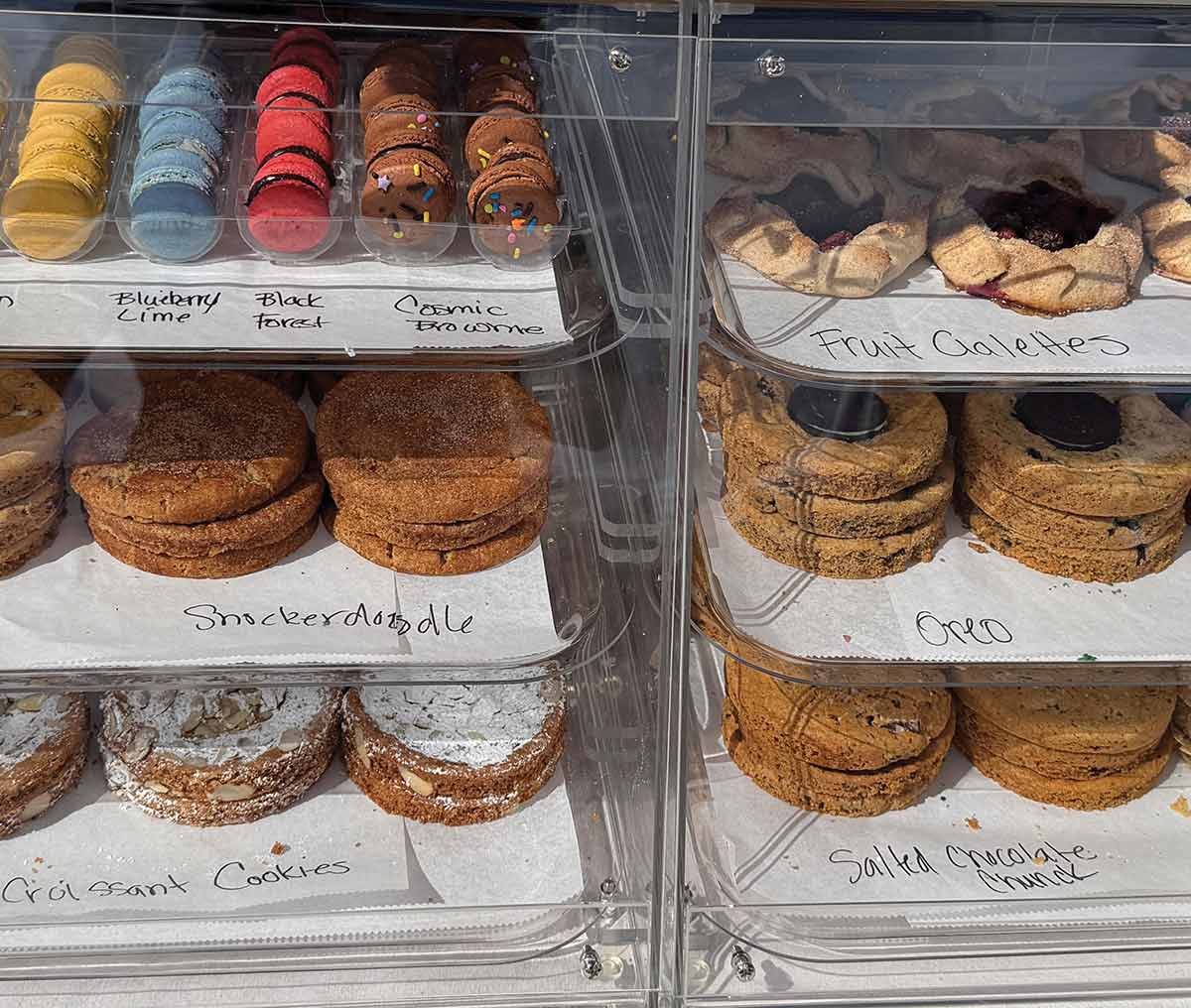
Vaaia, too, says the change has helped her reach customers beyond her friends, family, and social media circle. Like Veriato, she’s partnered with Bullies & Brew and hopes to partner with additional coffee shops to sell her cookies. “This partnership has helped me increase visibility and made my cookies available to people who I might not have been able to come across otherwise,” she says. “The growth that my business has been through in just the past six months has been incredible to see.”
Janzen is also focused on getting her products into coffee shops and small businesses. Like Dissen, her job prevents her from always attending weekend and holiday markets. “The only way for me to grow is getting into coffee shops and things like that,” she says. “This is a way for me to build up and eventually have my own facility but not go into crazy debt to do it.”
The restriction against selling potentially hazardous foods was eliminated, albeit with two caveats, Lewis adds. All meat must come from a US Department of Agriculture-inspected source, and potentially hazardous foods cannot be sold through a third party; only direct-to-consumer sales are allowed.
Businesses have taken advantage of the change by tweaking current recipes and adding new menu items.
Sherri Borchert, owner of Arctic Thistle Bakes in Anchorage, now offers real cream cheese frosting for her cakes and cookies and added cheesecake to her menu. Veriato added cheese to two of her direct-to-consumer bread options.
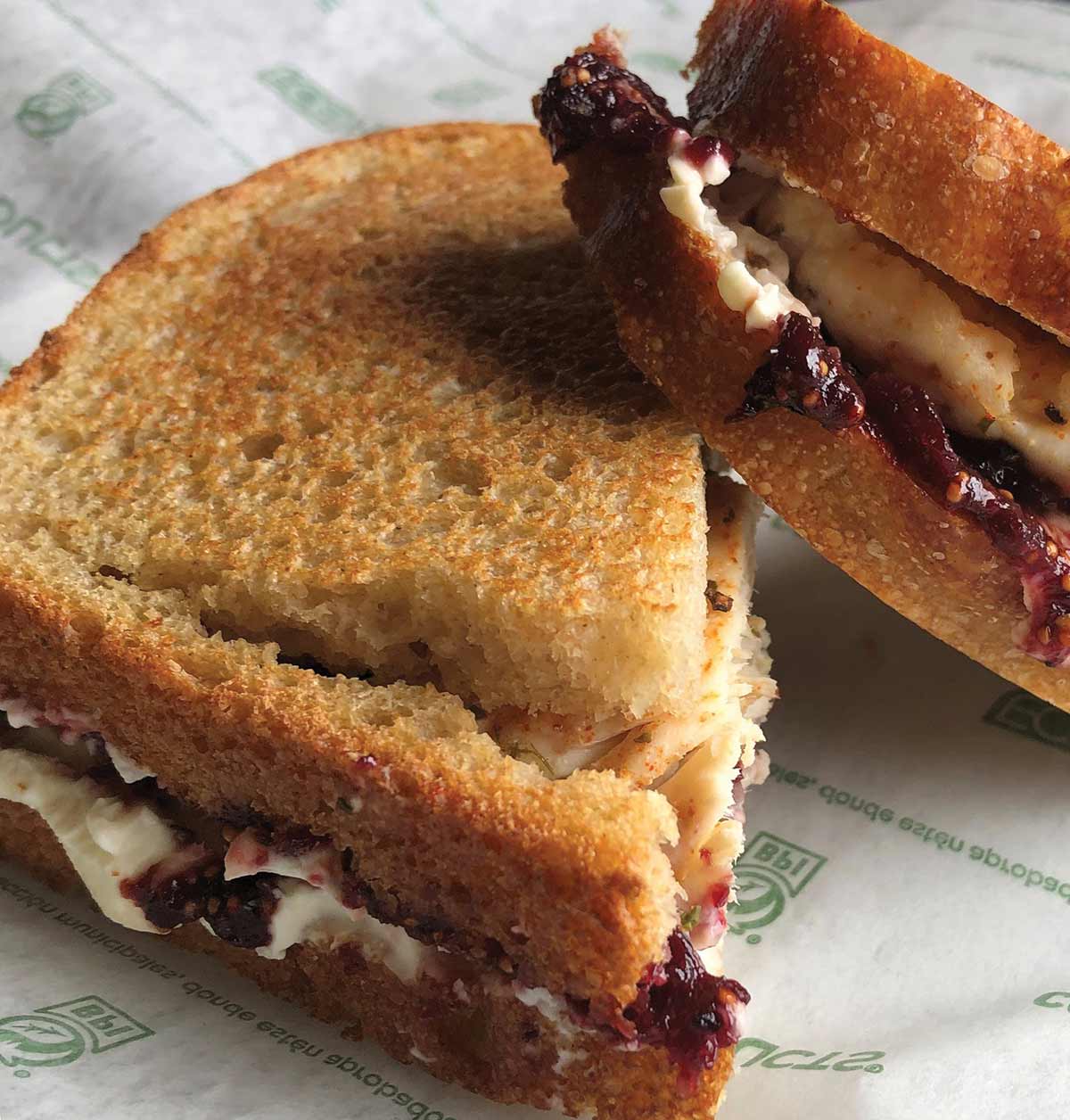
Nelson particularly embraced the ability to expand her menu. “There are so many more foods that I can offer, and I absolutely love that,” she says. “For example, when local herbs and onions are in season, I like to make a lentil salad, which I couldn’t do before. I now sell an organic roasted chicken sandwich with homemade blackcurrant fig jam and cream cheese, which I couldn’t offer before. I am now able to offer local prepared veggies and dip, salads, sandwiches, and I look forward to coming up with even more new foods to add to my menu.”
Together, the changes to the regulations allow homemade food businesses to grow their business in a way that works for them. That, business owners say, is the greatest benefit.
“It really provides a great opportunity for small businesses to grow in a more viable way,” Nelson says. “Some businesses may have the goal of moving into a storefront, and some may want to continue making food in their homes, and I think that’s amazing the way this legislation helps to keep those options open for more businesses.”