

o matter where visitors to the 49th State choose to go, there are always unique activities available to those with an open mind and a sense of adventure.
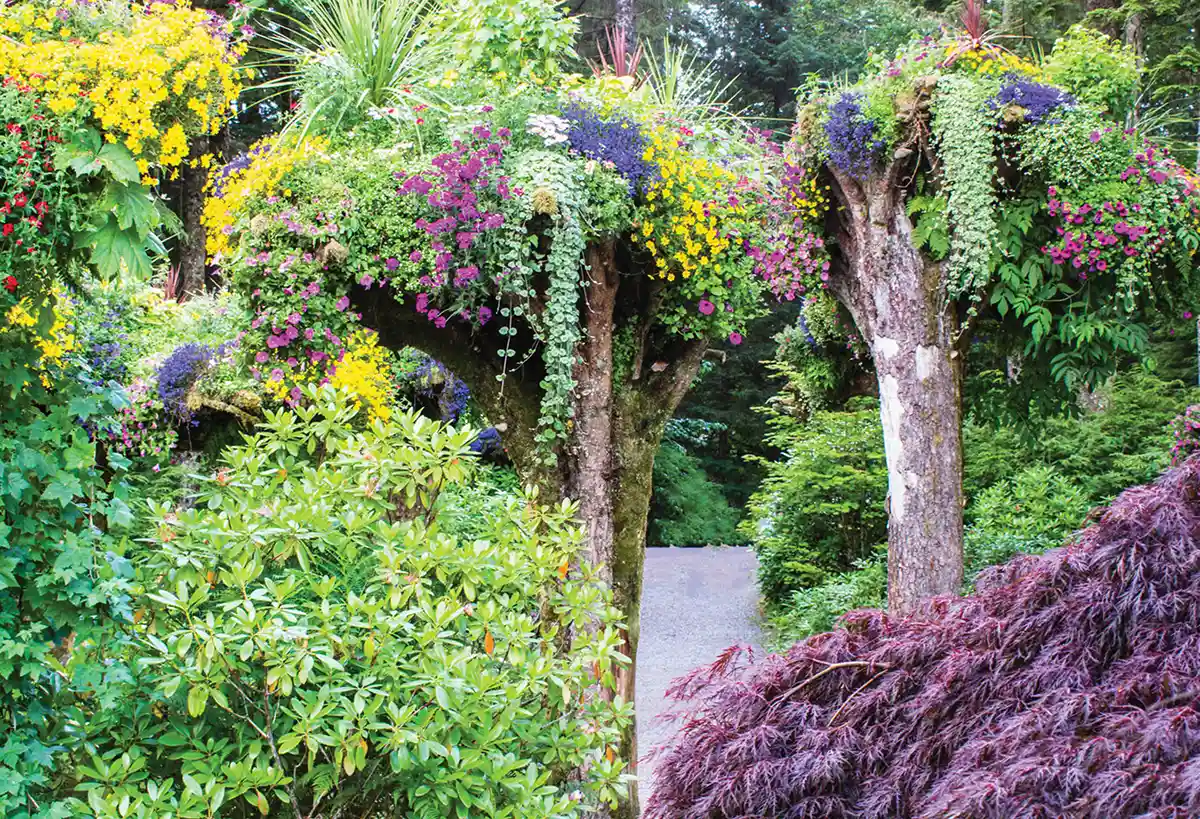
“It’s probably the most unique Alaska experience you’ll ever get,” says Wesley Bowhay of Glacier Gardens, the attraction in Juneau that he manages. “You can see glaciers and whales in most other ports, but you won’t see upside-down trees like this anywhere else.”
Established in 1998 as an add-on to a plant nursery, the Rainforest Adventure Tour now attracts between 50,000 and 100,000 people a year.
Bowhay recalls the origins of his father’s business. “While working at the nursery, our owner, Steve Bowhay, accidently smashed a tree with a rental excavator and decided to plant it upside down,” he says. “That gave him the crazy idea to create an awesome botanical garden, which took four years to build.”
Visitors first walk through the lower garden area, which includes the upside-down trees (now sourced from windblown trees downed on the property) that Steve Bowhay, now 68, handplants each year. The exposed roots are ornamented with between 50 to 150 different flowering plants.
According to Bowhay, the tour is perfect for people of all ages who want to explore the natural world. While most visitors to Glacier Gardens are cruise ship tourists, Alaskans also appreciate the gardens and bring family and friends to this one-of-a-kind experience.
The only run-of-the-mill quality of such unique adventures is that Alaska has an endless supply of them.
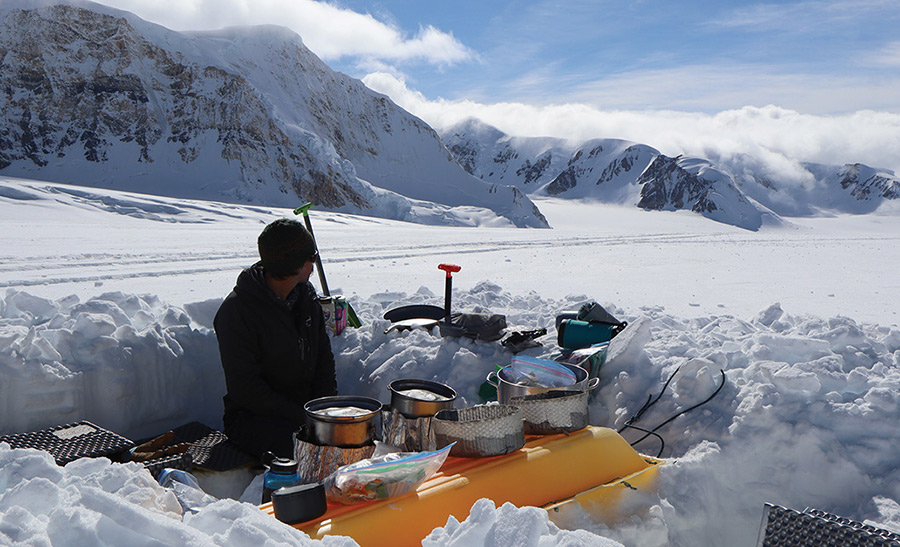
Not for the faint of heart, the mountaineering expeditions adhere to high standards. The McCarthy-based company offers several group trips or can arrange custom private trips to climb different peaks or stay in ski-based camps.
“We offer group trips to the highest high-altitude peaks out here, including Mount Blackburn, Mount Bona, Mount Bear, and Mount Sanford,” says owner and expedition coordinator Anya Voskresensky, noting that three of those mountains are the fourth to sixth tallest peaks in the country. “Mount Bear is similar in elevation to [Mount] Rainier but a completely different beast in terms of climbing it. The mass of the mountain is bigger, and the remoteness factor makes for a unique expeditionary experience.”
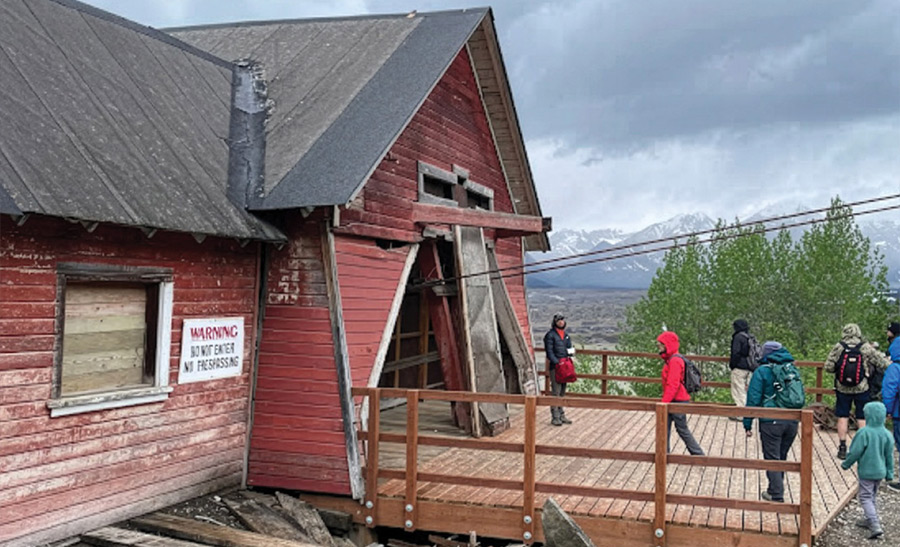
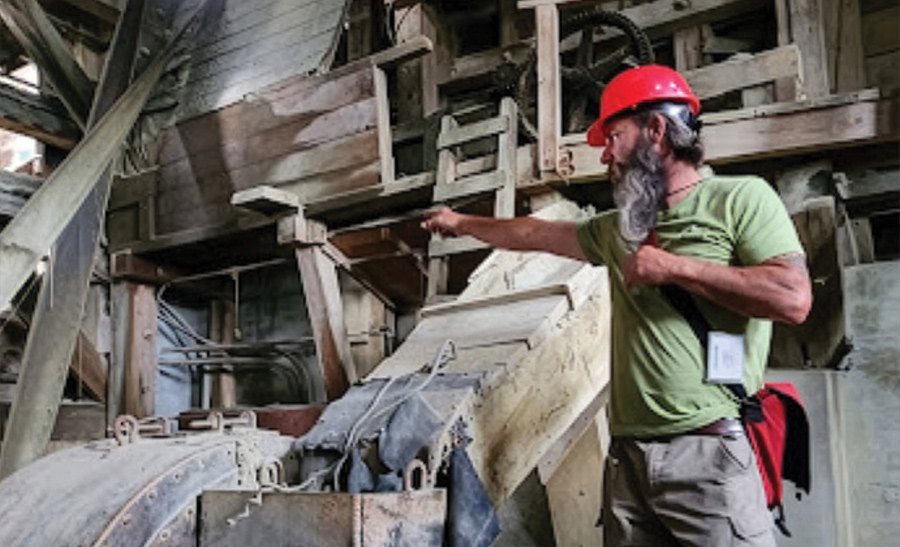
The guiding company also has a concession with the National Park Service to provide historical tours of the abandoned copper mill at Kennecott. While visitors can walk around freely, tour members get exclusive access to two buildings that are otherwise off-limits.
“The highlight of the tour is the fourteen-story Concentration Mill building,” says Voskresensky. “We hike a trail to the top of the building and then go down eleven sets of stairs and ladders. We also visit the chemical leaching plant, which is otherwise closed to the public.” Voskresensky says that the two-hour mill tour is the number one activity for people visiting the area.
Day trips are designed for those who may not have been ice- or rock-climbing before. Beginners learn basic climbing techniques at a practice location before graduating to a moulin, which is a round hole melted by water.
“Climbers are lowered down into the interior of the glacier and climb back out,” explains Voskresensky. “It’s a really unique and thrilling experience to be in a vertical cave of blue ice with water trickling down or a thundering waterfall nearby.”
Visitors craving a wetter experience can contact Alaska Surf Guides in Seward. “A lot of our experience has to do with connecting to the surroundings,” says company founder Scott Reierson, “and that’s easier to do when you don’t have to share that connection with a lot of other people. You pretty much have the landscape to yourself.”
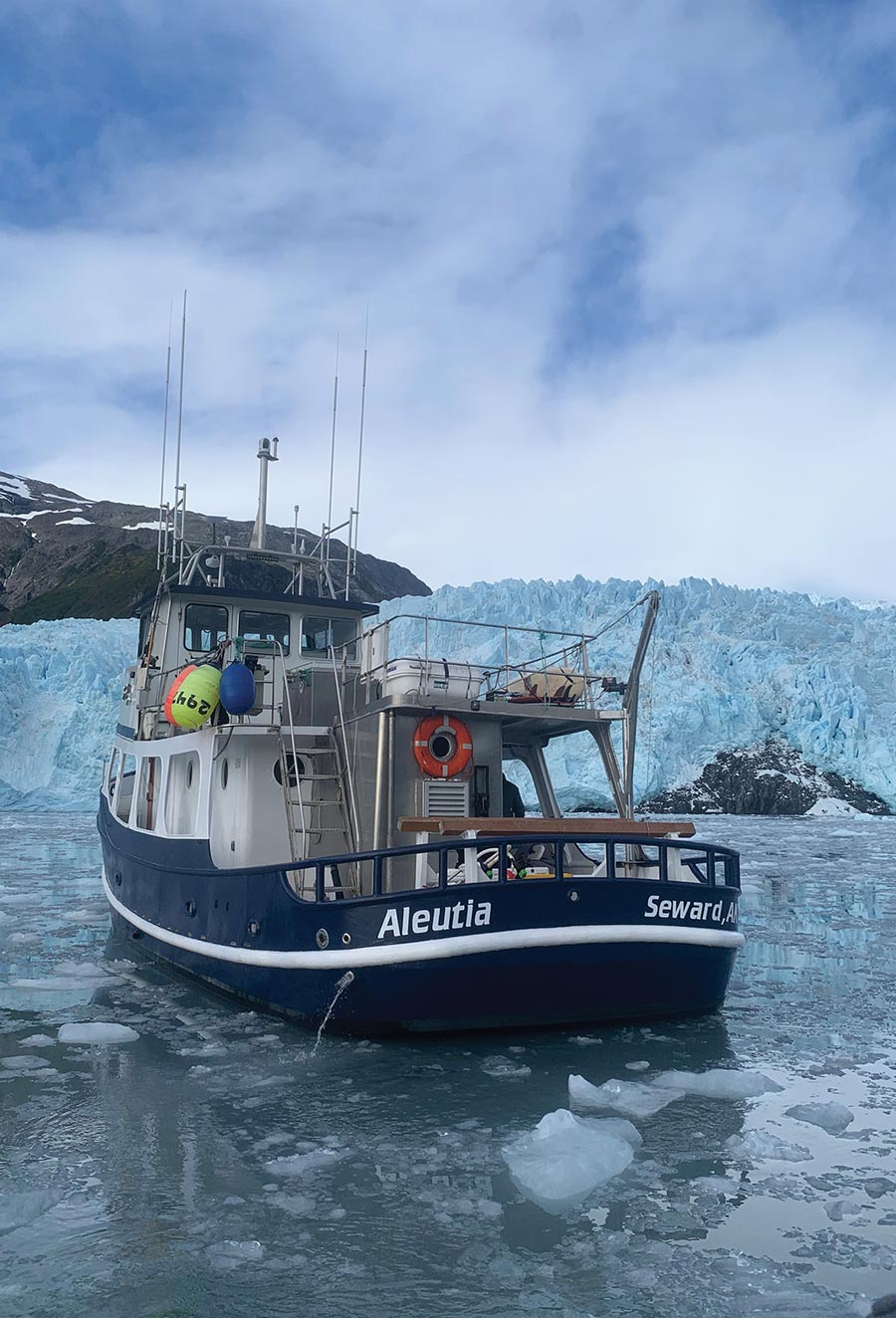
Alaska Surf Guides offers six- to twelve-day boat trips for surfers, typically six-passenger trips accompanied by two crew. Tours are primarily out of Seward, but Reierson also roams throughout the Aleutian Islands. “We’ve got 120 miles worth of range from Seward to hit different surf spots in different locations, checking out wildlife and glaciers, and sharing it with people from all over the world,” Reierson says.
Every trip is different, depending on tides and the weather. Surfers may surf two hours out of Seward or venture eight hours by boat through the central Gulf.
“We work with Mother Nature to provide the best experience for people,” Reierson adds. “We also have a hot shower on the deck of the boat and a heated wetsuit drying and changing room to keep everyone comfortable.”
Glacier Gardens

“Seward is a great home base to chase waves along Alaska’s coast, and I was lucky enough to live on the road system,” he says. Wanting to find others to share the experience with—and split the cost of surf trips—he began his own boat-based business and has been “hanging ten” ever since.
St. Elias Alpine Guides traces its history to 1978. Founded by Bob Jacobs, an elite mountain athlete who held the speed record for climbing Denali at that time, the company originally offered one backpacking trip and one mountaineering trip annually. Now the company employs approximately forty guides to offer a range of outdoor adventure options.
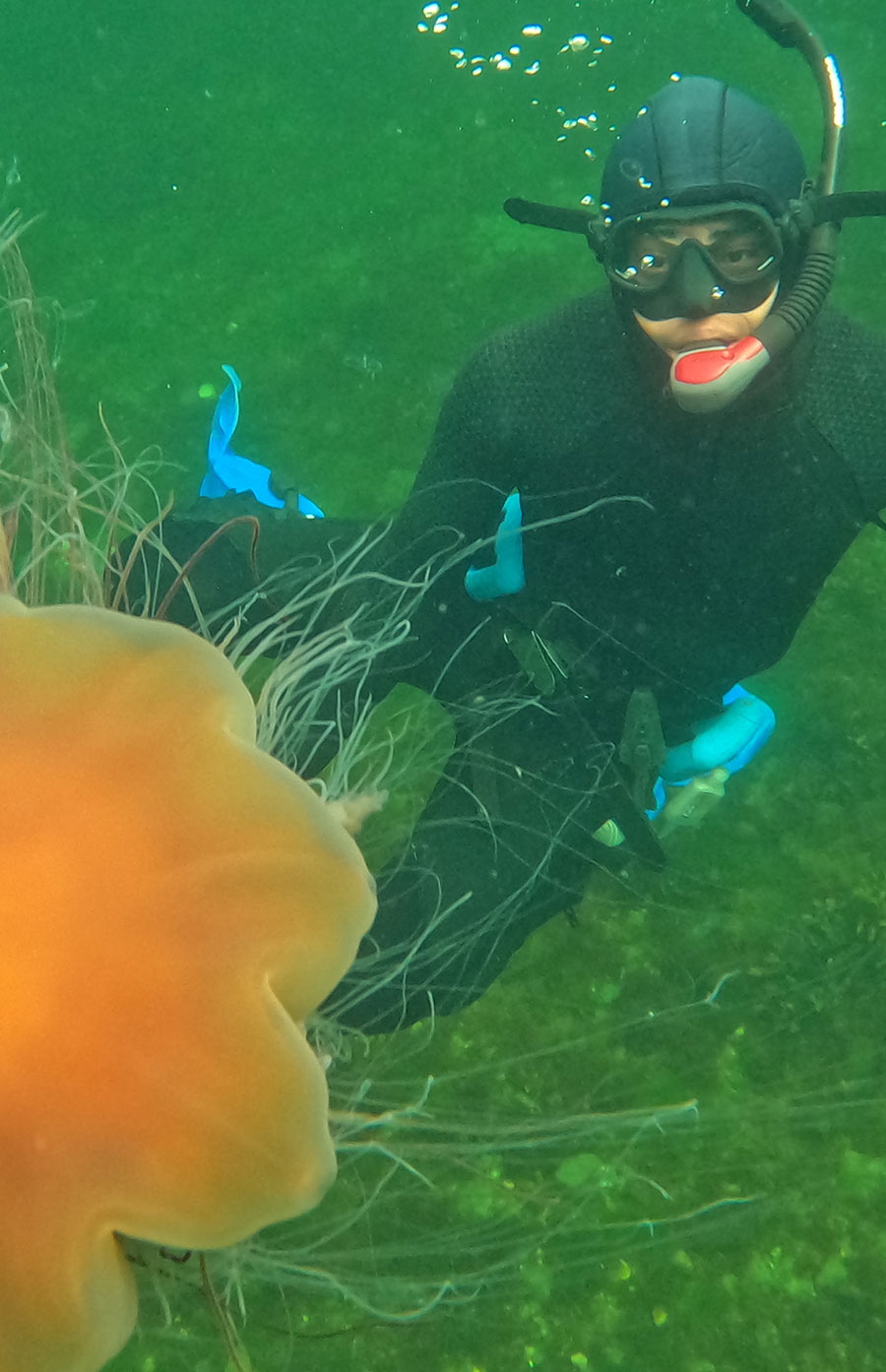
For adventures below sea level, Fred Drake started Snorkel Alaska in 2001. Drake, a Professional Association of Diving Instructors Master SCUBA trainer, got certified as a diver at 15 years old, and it has been his passion—and his career—ever since. Drake worked as a SCUBA instructor for Humboldt State University, private island resorts, and cruise ships before starting his own business in Ketchikan.
“I was working for Norwegian Cruise Lines when they sent their first ship to Alaska, and we convinced them to put wetsuits on that ship, which is how snorkeling in Alaska was born,” Drake explains. “That became the Dive into Adventure program, which also offered sea kayaking, mountain biking, and hiking in the ports of call.”
For the last twenty-five years, Drake has been offering the trip independently to anyone who wants to enjoy Alaska’s undersea world.
“We take people from all walks of life. We’ve even taken people who don’t know how to swim,” says Drake. “While there are some medical/weight restrictions, other than that, this tour is for anyone with an open mind and spirit of adventure.”

St. Elias Alpine Guides
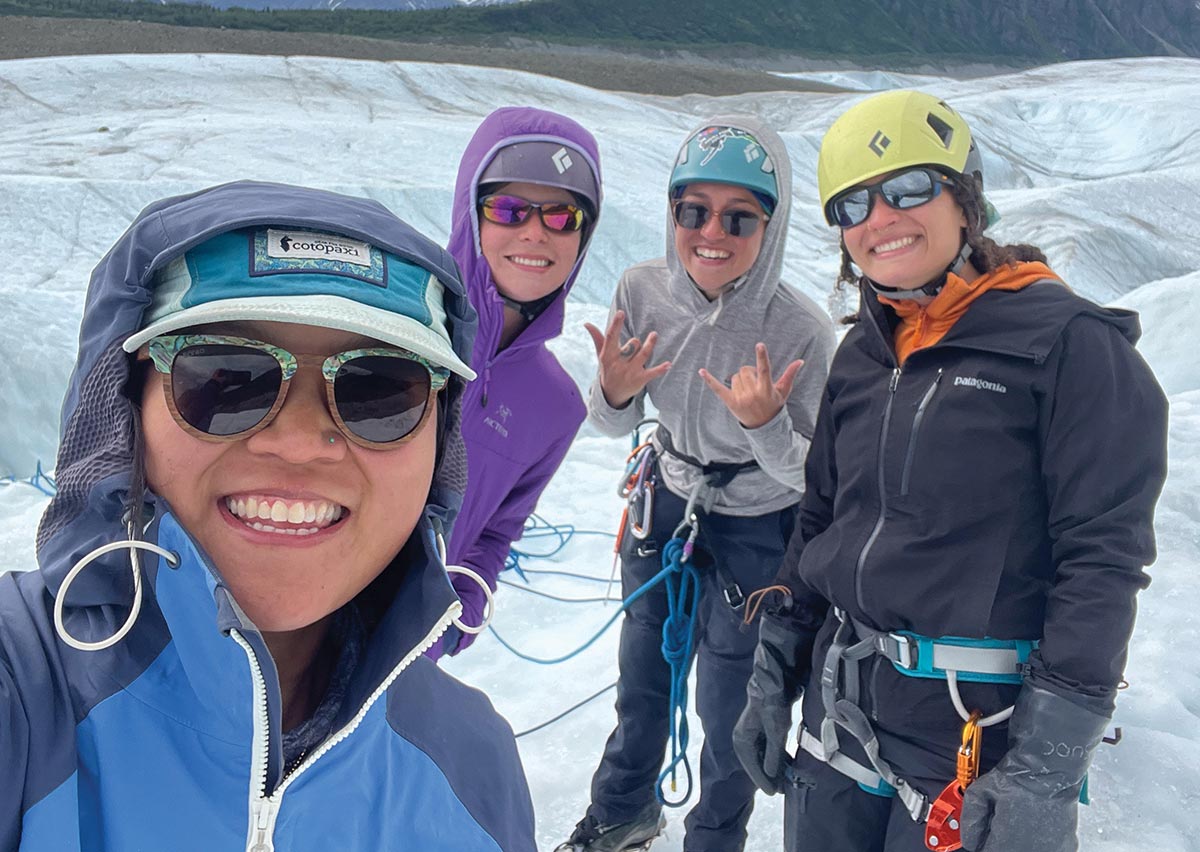
“We go through every bit of gear they’re bringing to ensure they show up prepared,” says Voskresensky, adding that the first day of the trip is spent double-checking packing and going over planning. “Once out there, what you got is what you got.”
As the expedition coordinator, Voskresensky vets every person who wants to go into the back country to make sure it’s the right trip for them. “We want to offer them the experience they’re looking for so that they, and the guides, have a good time,” she says.
St. Elias Alpine Guides is able to offer trips specifically geared to women, including backpacking, mountaineering, and ice-climbing. “We’re unique in the industry in that we have a roughly 50/50 ratio of female and male guides,” says Voskresensky. “Our female guides help women build confidence and skill, and they’re stoked to pass on these lessons to beginners.”
Focus on this demographic has been a selling point for St. Elias Alpine Guides. “Sometimes in more technical sports, there’s a higher barrier of entry for women,” Voskresensky says. “The energy on these trips is so positive and welcoming, and they are some of the most fun trips we offer for both clients and guides. It’s just a different vibe.”
Reierson’s clients are, on average, expert or advanced surfers, but he has also taken beginning surfers on trips. “Our passengers are people looking for adventure, who are okay with uncertainty and are looking for something unique,” he says.
Customers can bring their favorite boards, and Reierson also has boards, hooded wetsuits, and boots and gloves to rent. The tours run March through May and August through October. During peak tourist season in June and July, not only do visitors have plenty of other activities to choose from, both on shore and on the water, but the surf conditions are relatively flat.
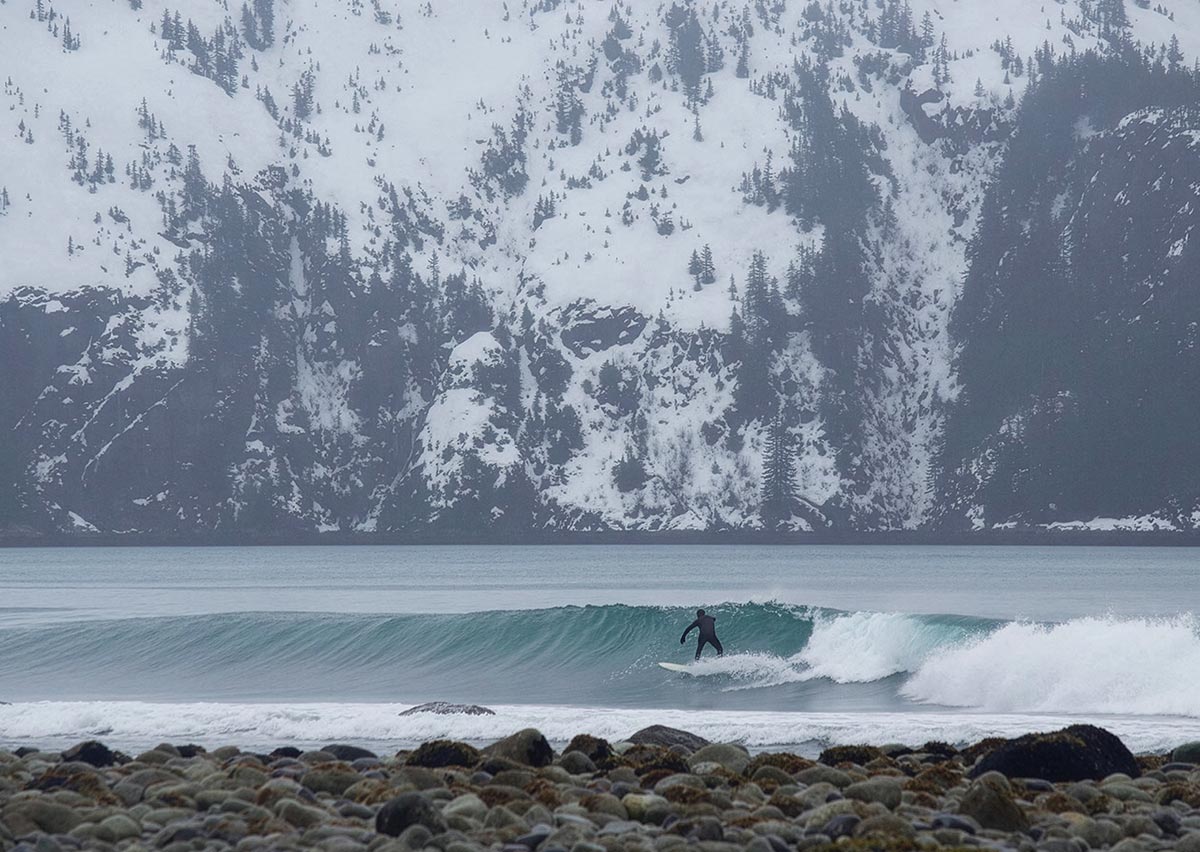
Alaska Surf Guides


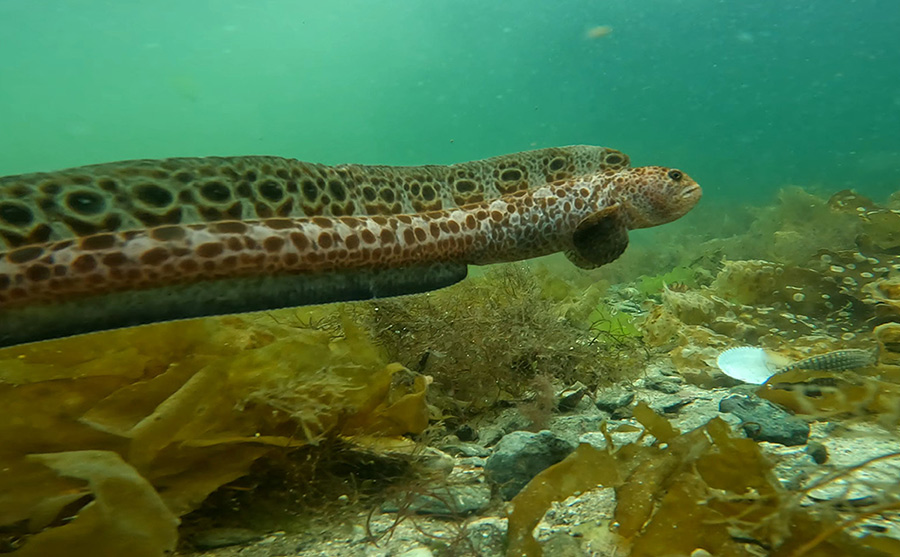
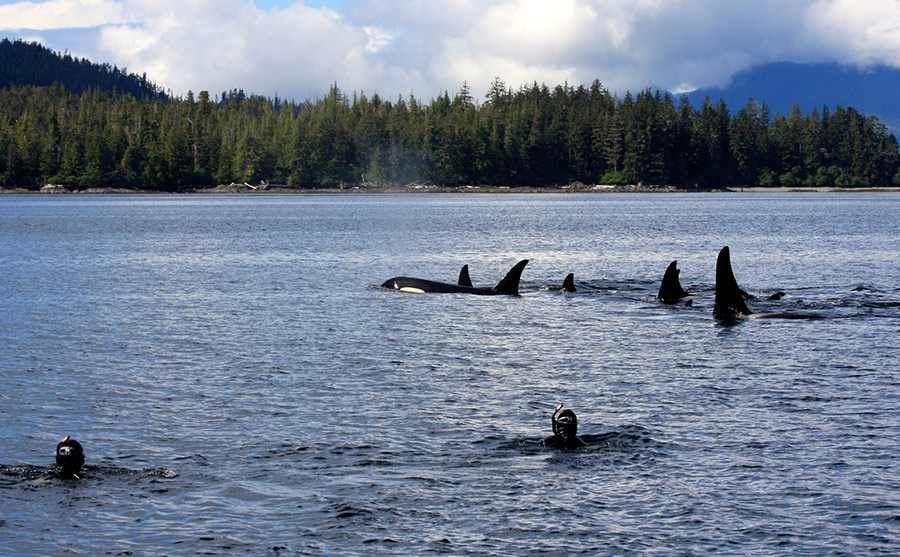
“We’ve also had very close encounters with orcas, humpback whales, octopus, and wolf eels,” says Drake.
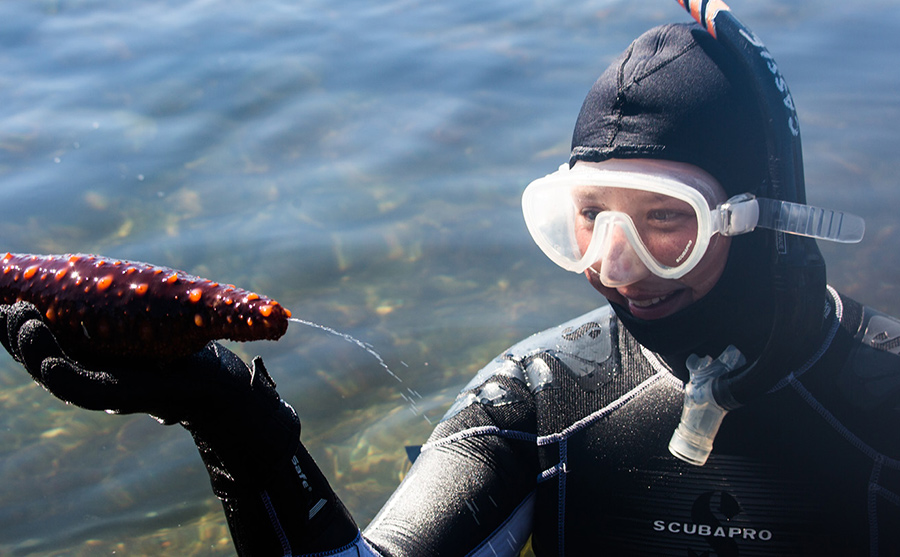
Surprisingly, swimmers stay comfortable in the water, even when it’s 42°F at the beginning of the season in April. The tour includes 7 mm wetsuits and top-end ScubaPro, BARE Sports, and TUSA equipment.
In peak summer, some of that gear can stay dry. “Right now, the water temperature where we dive at Mountain Point, which is five miles south of the cruise ship docks, is 60 degrees,” says Drake. “It’s so warm now that a lot of people don’t even wear hoods and gloves.”
Drake laughs when recalling how often online reviews mention how warm snorkelers stayed. “My staff and I also get praise for leading a very organized experience, and having equipment in amazing condition,” says Drake. “Some say that they’ve come in with low expectations thinking it’s just a novelty tour, and it has blown their minds.”
The Wrangell and Saint Elias Mountains are likewise eye-openers for St. Elias Alpine Guides clients. “These peaks are often the perfect steppingstones for mountaineers who have already done the Lower 49 volcanoes and larger summits,” says Voskresensky. “In Alaska, the atmosphere thins out toward the poles, so the effects of elevation on the body are exaggerated. What is 16,000 feet here feels like 18,000 feet closer to the equator.”
Furthermore, mountaineering in the Wrangell-St. Elias region is different from climbing in the Alaska Range, according to Voskresensky, in that it is an isolated and independent experience. As one of the Seven Summits, Denali has Talkeetna-based infrastructure, including air taxis, climbing rangers, established campsites, and base-camp weather stations.
“Out here, we have none of that,” says Voskresensky. “It’s a very different feel for climbers and even for pilots when they’re flying in. There are no weather stations for 100 miles, so pilots have to fly 20 minutes toward the mountain to see if they can even land. And once out here, our climbers are often the only ones on the mountain that year—or even in several years. You can’t get that extreme wilderness, extreme mountain factor anywhere else.”
While expeditions take a lot of work to get ready, Voskresensky says that it is well worth the time and effort. “There are so many unknowns and unexpected obstacles, and that makes the summit so much sweeter,” she says. “It’s a very raw experience navigating this terrain. There are no tracks, and no one else is in sight; the adventure factor is through the roof.”
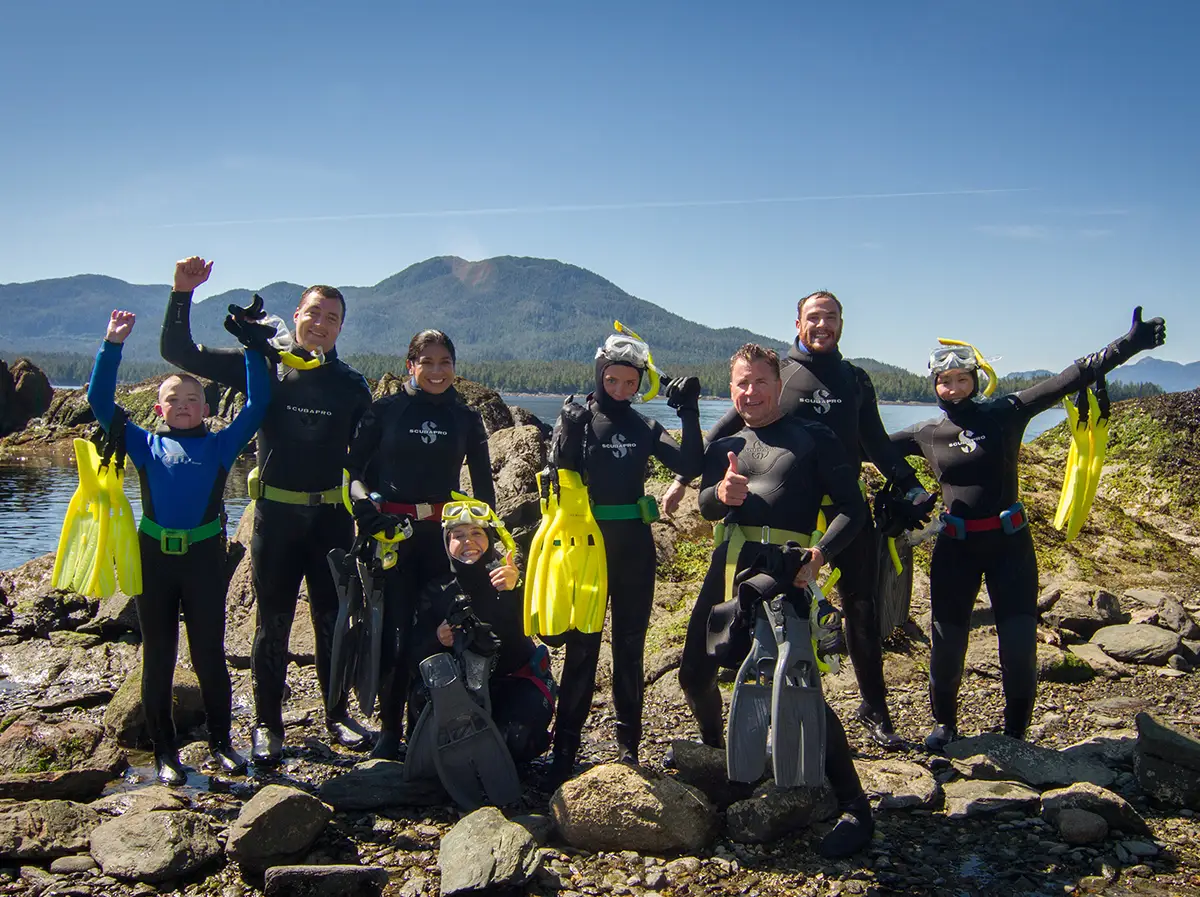
Snorkel Alaska
“Alaska is not the land of guarantees, so they sometimes need to adjust their expectations,” says Reierson. “If they’re excited about visiting one of the most beautiful places on the planet and doing an activity that sets their soul on fire, then their minds will be blown from the experience.”
From mountain peaks and upside-down trees to ocean waves and the forests below, Alaska contains a lifetime’s worth of once-in-a-lifetime escapades. “There’s nothing quite like taking part in your favorite activity in the most vast, impressive, beautiful surroundings,” Reierson adds. “It’s incredibly rewarding.”