

ver had a boss that hovered? Supervised by always being there? Insisted on rewriting submitted reports, sentence-by-sentence and page-by-page? Then congratulations, you’ve experienced micromanagement. This leadership trap may appear as just overly detailed oversight, but it more significantly signals a lack of trust in employees and makes innovating, scaling, and responding to crisis extremely challenging.
In My Way or the Highway: The Micromanagement Survival Guide, Harry E. Chambers indicates that excessive meddling is more common than not, with nearly eight out of ten employees experiencing micromanagement. Researchers Shona Ryan and Christine Rose perhaps described it best as a leader’s excessive control, relentless scrutiny, and constant interventions, severely undermining individual autonomy by dictating every minute detail of daily work. Chambers found that a staggering 91 percent of micromanagers are completely unaware of their behavior and its effect on turnover.
What makes this trap dangerous is the combination of disconnect, its effect on company culture, and the likelihood of increased employee turnover. The effect of micromanagement on turnover intention may be even more significant within non-traditional work environments, such as hybrid and remote settings. Early studies, such as Christopher S. Mendoza’s in 2025, indicate a correlation of more than 95 percent between micromanagement and turnover intention. His research participants reported that “the detrimental effects of micromanagement were so severe that they would voluntarily leave the organization despite monetary incentives.”
Stage 1: The micromanager imposes control on the employee.
Stage 2: An employee’s ability to practice independent decision-making is eliminated.
Stage 3: Their self-efficacy collapses, specifically autonomy and competence, which can’t be developed without actual practice.
Stage 4: Behavioral passivity kicks in, where they stop taking initiative.
Stage 5: Manager perceives incompetence when they misinterpret this learned passivity as actual incompetence instead of created helplessness.
Stage 6: Micromanagement intensifies, which traps the employee in a continuous self-fulfilling loop.
Yep, it’s a death spiral.
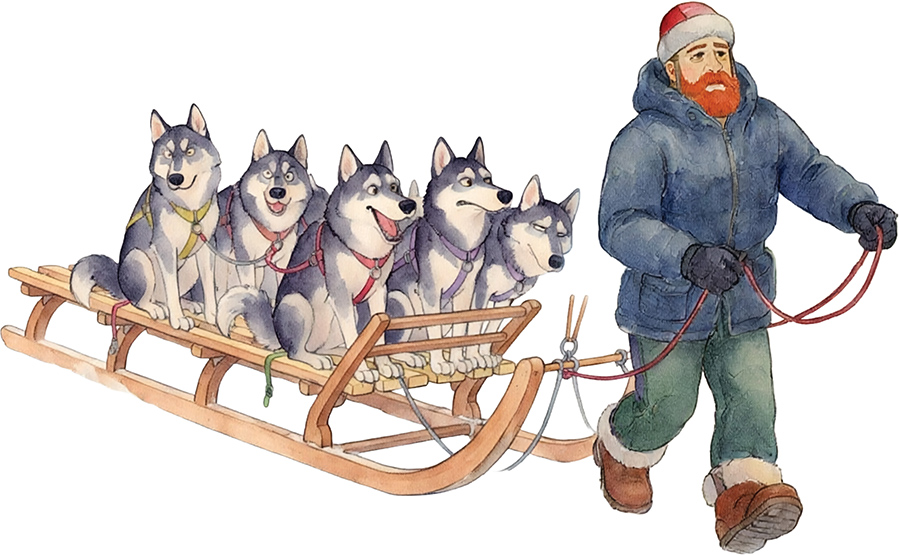
The justification is that close supervision is essential under the following specific conditions:
- High-risk and safety-critical operations. In industries like commercial aviation, nuclear energy, healthcare, and remote extraction like Arctic oil drilling, standard operating procedures must be followed precisely. A single skipped checklist item can lead to severe environmental damage, injury, or loss of life. A “measure-twice” audit mentality is acceptable when consequences could be devastating.
- Crisis management and turnarounds. During an emergency, severe financial collapse, or major technical outage, time is too limited for consensus-building or trial-and-error. Stabilization over team growth is the trade-off here.
- Heavy regulatory and legal compliance. Depending on the industry, companies may face strict legal frameworks for not being compliant, including catastrophic fines or loss of licensing.
- Onboarding inexperienced teams. When employees are new, underperforming, or handling completely unfamiliar systems, close monitoring and step-by-step direction builds the necessary guardrails they need.
The key distinction is intentionality. Effective leaders treat close supervision as a temporary or situational tool. They apply it just when needed rather than incorporate it as their default and permanent management style.
Q: As you know, air cargo operations in Alaska have many moving parts, from weather and federal regulation to layers of people, equipment, and facilities. Ramp or hub teams in remote bush communities often have to solve real-time problems without an executive standing over them. How do you build a culture that maintains high safety and compliance standards while giving local managers the autonomy to make critical on-the-ground decisions?
Karp: I think the root of it is that every time we do something right, we try to acknowledge it. Because not only does it reinforce terrific work, it demonstrates that we have experts throughout the organization. Recognizing people isn’t just about morale; it is also acknowledging the performance and team you already have in-house. And encouraging self-direction actually increases your overall capabilities. If you have wins and you don’t celebrate them, it’s a missed opportunity to create that environment. One that is safe, compliant, and reinforcing the depth of our bench.
Q: When you hand over a major, high-stakes project or account to a rising team member, how do you balance giving them the room to learn (and potentially make mistakes) with ensuring critical cargo deadlines and client expectations are met?
Karp: Every relationship you have with your managers is in a different stage. I think in the early stages, when you don’t fully know someone’s abilities and motivation, it is a bit of a risk for a leader to say, “I’m going to extend a level of trust, but I’m also going to give you the grace to come back and get guidance.” But that’s how you grow people. Challenge them, but not in a sink-or-swim sort of way. When I provide the space for them to take charge, it’s not a gauntlet that’s thrown down, where they need to figure it all out on their own. I’m still available to contribute, and they know that. My preference is to make sure we’re making good decisions—together. That’s very different than saying, “Go do this and don’t screw it up.”
At the end of the day, I know I don’t have the bandwidth to do everything. And delegating allows you to scale.
Micromanagement also implies a bunch of things: I don’t trust you, you don’t have any strengths. But that isn’t true. Everyone brings something to the table. We all have strengths, and we’re better together.
I think you can micromanage or you can mentor. Find people who have potential, share with them the best of your resources, and manage with a declared intent of growth.
Q: Micromanagement has been connected to some leaders fearing losing control. Can you share an instance when an employee made an operational mistake after you stepped back? How did you handle the post-mortem to turn it into a learning moment rather than taking control back?
Karp: That does absolutely happen. I think of it as a teaching and learning opportunity. It is not productive to dress people down if they made one bad decision. It’s demoralizing for everyone.
I think we don’t openly talk about the role of leader ego. Early in my career, I was climbing; I was interested in being the smartest guy in the room, but that’s not useful for creating a positive work culture.
If someone did it differently from how I would have, it doesn’t necessarily mean they did it wrong. If I had tried it my way, I may have failed too. I don’t think second-guessing the outcome is all that helpful. I focus on how do we recalibrate. How does the team learn from this? Because there will be more challenges ahead. If you fail and your leader comes with you and helps you avoid a repeat occurrence, it’s a strong indication that they have confidence in you. That’s how you build an environment where everyone can thrive. Everyone’s success is our success.
It’s the who, not the what. Amazing relationships lead to amazing results.
Q: Empowering people isn’t just about stepping out of their way; it’s about actively preparing them for their next step. How do you identify whether an employee’s mistake is a sign they need more coaching or if it’s a sign you need to step back and trust them more?
Karp: Short of something really egregious, like erratic behavior, it might be that redirecting is better than stepping back. As a leader, you have resources available. Tools in your toolbox. You may have given the wrong task to the wrong person. Someone may really struggle with one assignment, but they may thrive with another. I think a big part of a leader’s job is helping your people play to their strengths and the talents they bring to the table. So I probably wouldn’t sideline but rather redirect.
Don’t assume just because you have a leader who has an interest in the details that you have a micromanager. They may want to help mentor you but just haven’t said those words. I might want to be along for the ride on this project because it’s personally interesting to me, and I want to learn. Understanding the intentions of the leader and having leaders that exercise a level of humility about their own skills is important. Sometimes we get wrapped up in our leader shell and titles. You can’t know everything along this work journey, and appreciating that takes humility.
Join us next month as we explore callousness.
Throughout 2026, Garrick’s leadership series is exploring different ways for leaders to align their values with ethical conduct and create lasting positive impact.