

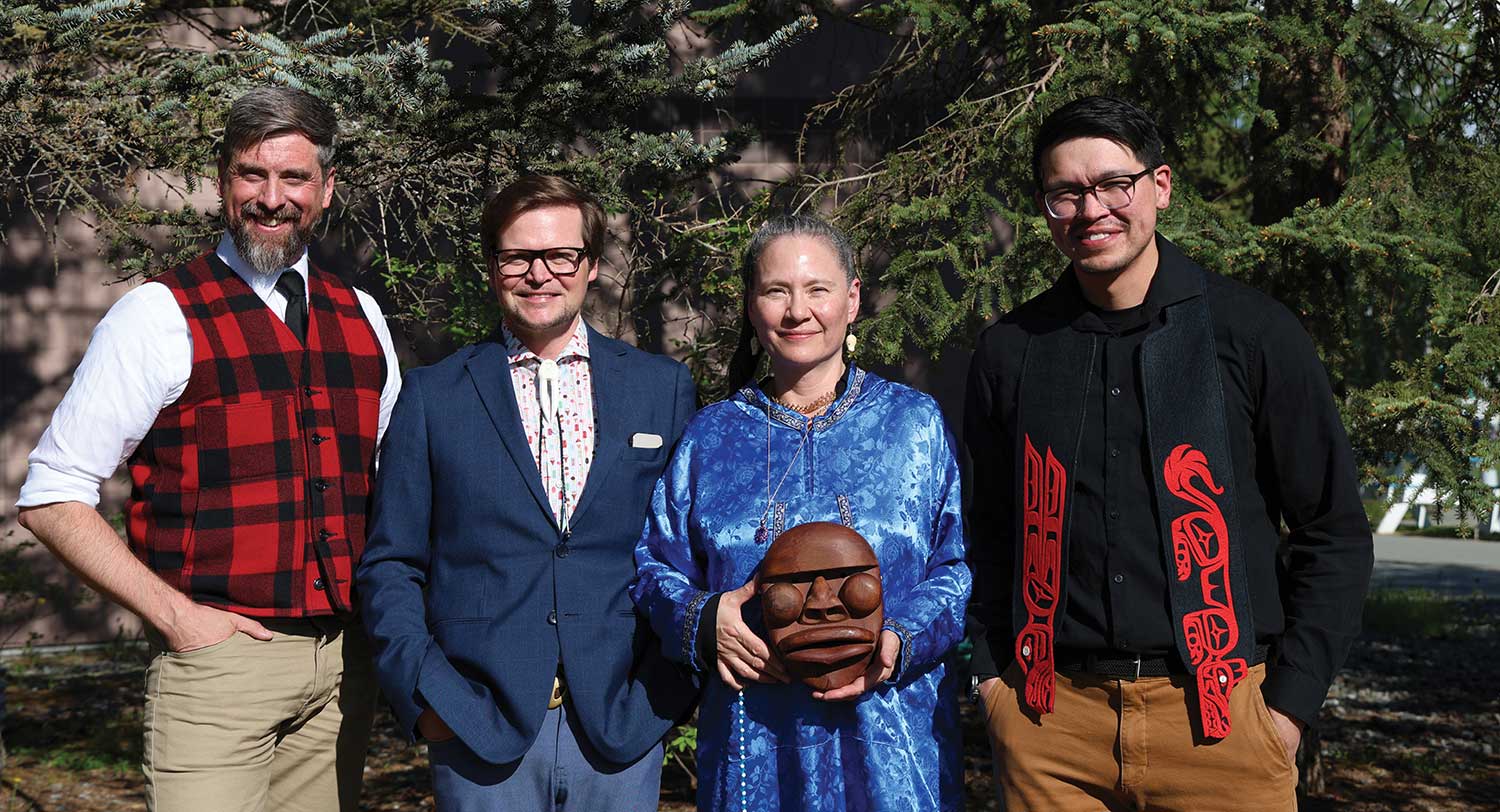
Native University
or Alaska Pacific University (APU), being called an Alaska Native university is not a marketing label. It is the organizing principle behind a governance overhaul that is reshaping how the small Anchorage school defines itself, who has a seat at its table, and where its next generation of students will come from.
The founder of Alaska Methodist University, as it was originally called in 1957, was Unangax̂ from the village of Unga in the Aleutian Islands. Peter Gordon Gould envisioned a high-quality university, accessible to all, that would cultivate Indigenous leadership rooted in Alaska. That founding vision resurfaced in 2016, when APU became tribally governed through a partnership with the Alaska Native Tribal Health Consortium. It deepened further in 2017, when the university restructured and renewed its focus on Alaska Native students.
Now, with the Alaska Native Tribal Health Consortium stepping back from higher education to focus its resources on statewide health services, APU is charting its own path forward—not by walking away from tribal governance but by leaning into it. The timing matters: Federal Tribal College designation requires a student body more than 50 percent American Indian or Alaska Native, and APU currently runs between 30 and 38 percent. Rather than wait years to cross that threshold before making any structural change, the university has rolled out a new three-tier membership model, inviting tribes, tribal organizations, and supporting partners to help govern and sustain the institution long after any single partnership ends.
At the time, then-APU President Robert Onders described the enrollment number as the easy part. The harder, longer transformation, he said, was incorporating Indigenous knowledge and governance into the university’s actual structure, a process APU was still only beginning.
Seven years later, that transformation is still underway, led by Onders’ successor. “This new membership model represents an important next step in APU’s journey as a self-defined Alaska Native University,” says APU President Janelle Vanasse. “It deepens our partnerships with Alaska’s tribes and supporting organizations, ensuring that Alaska Native leadership and knowledge continue to guide our governance and vision.”
The new structure sorts partners into three tiers: stewardship, associate, and allied. Stewardship membership, reserved for tribes and tribal organizations, carries a $100,000 annual commitment and the right to appoint a trustee directly to APU’s board. Associate membership is also limited to tribes and tribal organizations, but it carries no financial minimum; it’s meant as a way for a tribe to formally sanction APU as its Alaska Native university without a dollar figure attached. Allied membership, open to non-tribal entities and individual donors, asks for a $50,000 annual commitment. Associate and allied members can nominate a trustee for an at-large board seat, while a one-time unrestricted gift of $2 million or more secures twenty years of membership outright.
“Community engagement and impact are at the heart of our mission,” Vanasse says. “The new governance model maintains and enhances the mission. By helping students reach their fullest potential and collaborating with partners, we aim to address real-world challenges and create meaningful change for the benefit of all.”
Young began his coursework online during the COVID-19 pandemic and didn’t move to in-person classes until fall 2025, a shift he describes as meaningful. “Being around other students and engaging with the APU community more deeply has been really positive,” Young told APU for a profile the university shared on his experience, crediting instructors and advisors whom he feels are setting him up well for the work ahead.
Alaska Pacific University
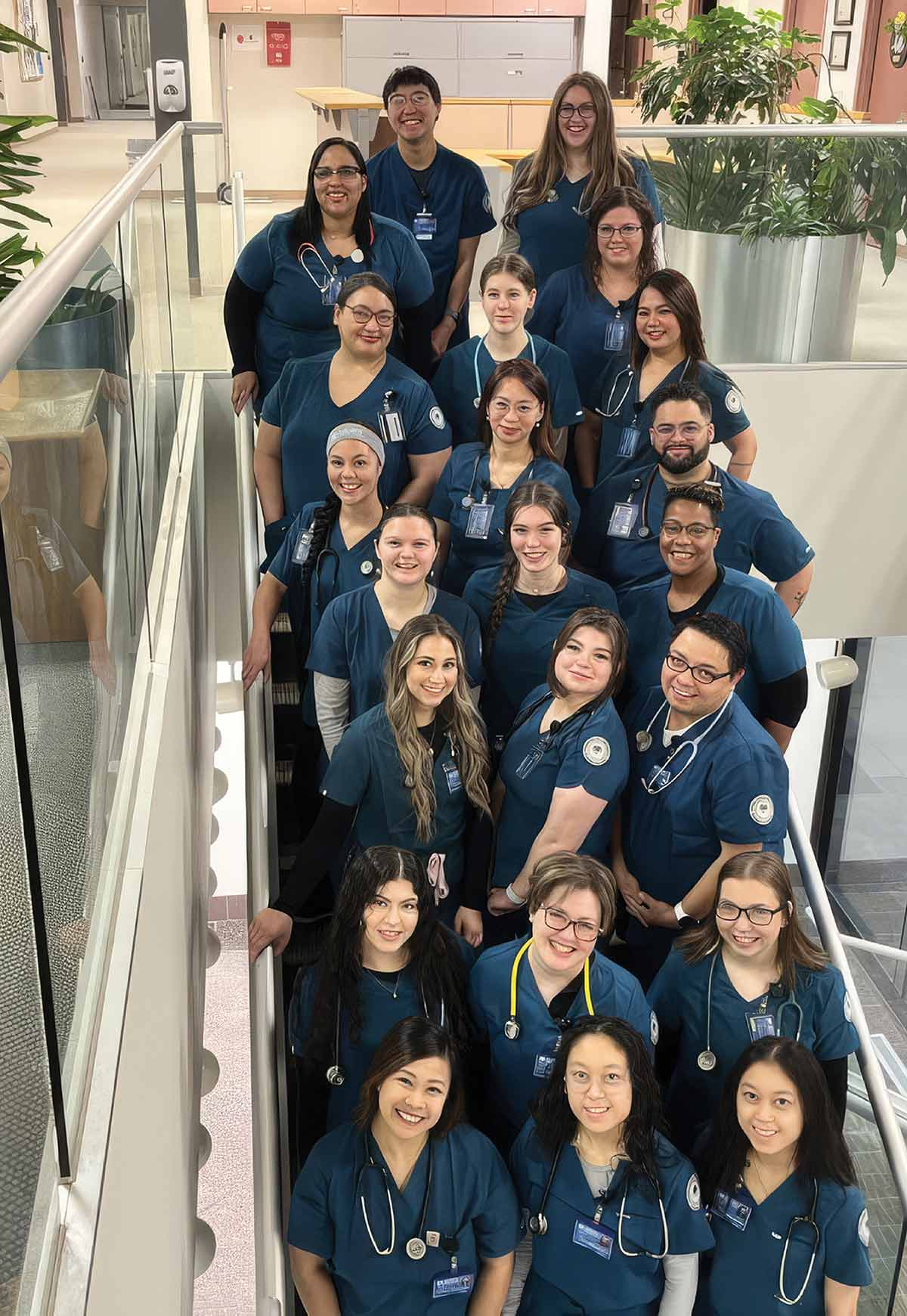
APU’s nursing program grew out of a similar need, identified directly by tribal health providers. In Bethel, APU partners with the Yukon Kuskokwim Health Corporation and Yuut Elitnaurviat to deliver licensed practical nurse training. A parallel partnership trains registered nurses in Utqiaġvik alongside Samuel Simmonds Memorial Hospital and Iḷisaġvik College.
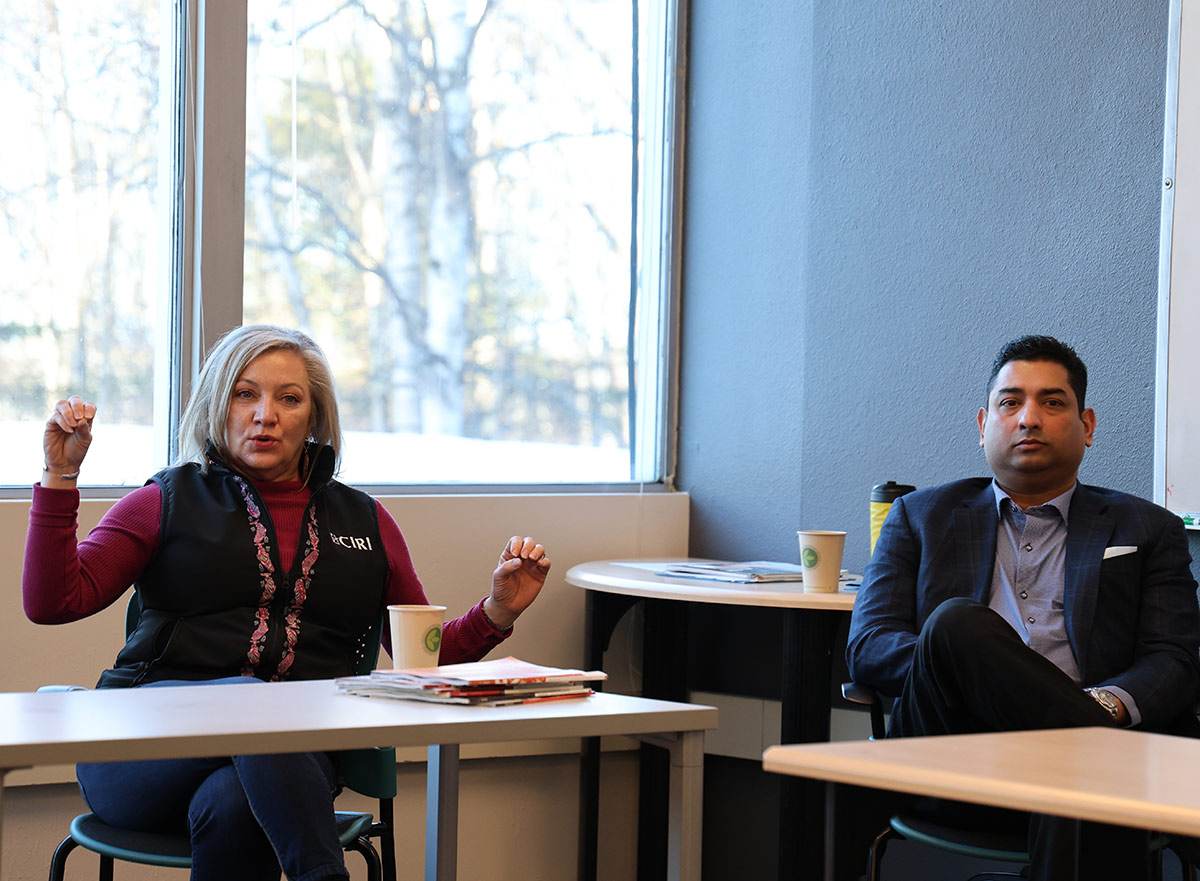
“APU works directly with our partners to identify needs and explore opportunities to fill those needs collectively,” Anderson says. “It all starts with a conversation with the tribes and tribal organizations to identify needs.”
APU has also built teacher-certification pathways tailored to rural school districts facing shortages, along with an environmental public health program designed around the changing needs of rural communities. The university is now working with partners on entry-level business roles and cultural tourism, an area where APU has already run ethical guide training aimed at preparing guides, Native and non-Native alike, to represent Indigenous land and culture responsibly to visitors.
Alaska Pacific University
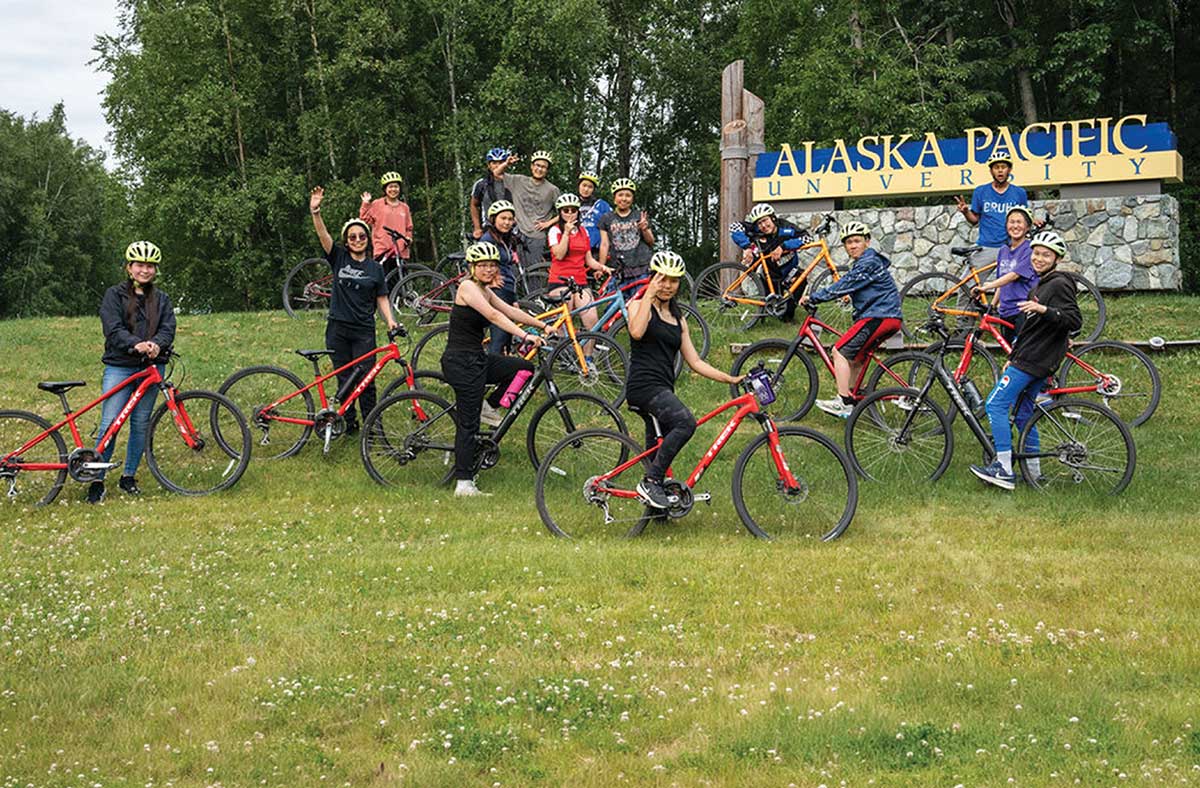
“This model helps all students who are seeking a quality, highly interactive education opportunity that feels like a family,” Vanasse says. Students consistently report feeling connected at APU, she notes, and professors and staff who genuinely care about them, something she says resonates especially with students from rural Alaska seeking a small, personalized, hands-on environment.
Looking ahead, Anderson describes APU’s goal less as a single metric than sustained partnership. “Alaska Pacific University is committed to being a purpose-driven institution, focused on creating positive impacts in the community,” she says. “Through partnerships with member organizations, APU will align its efforts with the needs and well-being of local communities.” That means continued research and projects benefiting Alaska’s environment, health, and economy, work she says keeps the university tied directly to the regions it serves.
For Vanasse, success comes down to reach: more students moving through APU’s programs, and a bigger, more lasting footprint across the Alaska communities the university exists to serve—a view Anderson shares.
Alaska Pacific University
Microplastics research is a small example of what “widening the mission” can look like beyond the governance chart: research money and expertise that might otherwise have gone to an out-of-state university land in Alaska instead, run by and for the state it studies. Anderson and Vanasse describe that same principle as driving the membership model.
Time is still ticking toward the 50 percent Native enrollment threshold. APU’s board can apply for federal tribal college status the moment enrollment crosses it, and Vanasse estimates it’s roughly eight years out, given APU’s current growth rate.
Until then, though, a tribe doesn’t need to wait on a number to help run the university, appoint a trustee, or send its own workforce through APU’s classrooms.