

e’re excited to share excerpts (edited for style and length) from The Fishbowl, a new Alaska Business video series in which we speak with Alaska leaders about the economy: what’s happening and what we should do.
In this first installment, we were privileged to connect with Jon Bittner, president and CEO of the Anchorage Economic Development Corporation (AEDC). The 501(c)(6) nonprofit is where he launched his career in economic development and gained management experience. Bittner left for about nine years to lead the Alaska Small Business Development center, and when AEDC was looking for a CEO—preferably an Anchorage resident with history in management, economic development, and growing programs—Bittner was happy to answer the call, returning to AEDC in March.
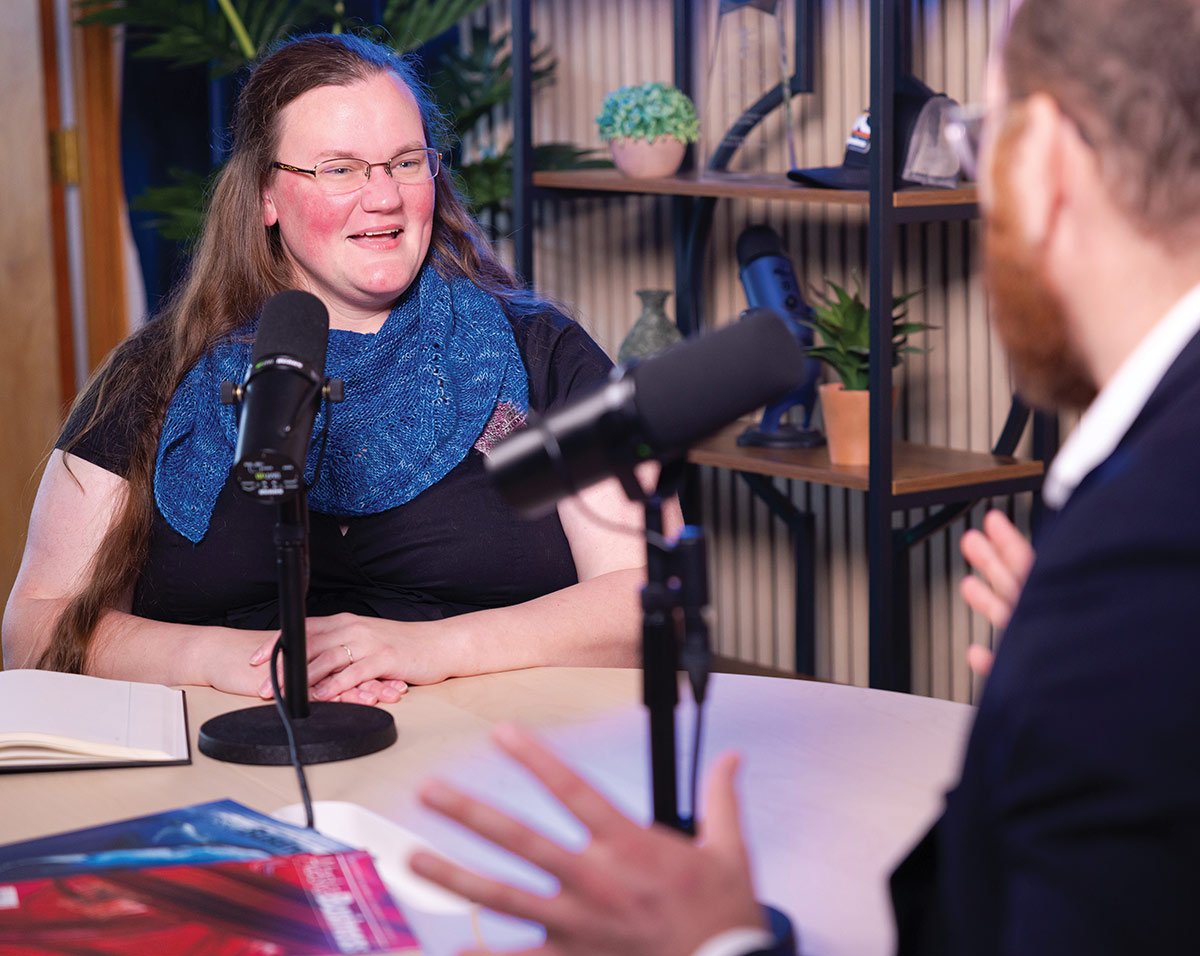
Jon Bittner: It’s interesting. We’re seeing the exact same thing, but there’s a nuance to it. We do a lot of surveys; we do a lot of interaction with businesses. And when you ask individuals, “How are you doing financially?” broadly speaking, people are saying, “I’m doing good.”… If you ask business owners, they’re saying, “My business is doing pretty good.” Fifty percent of the ones that we’ve interviewed said they’re growing. They’re planning to grow. They want to add people. They want to add products. They want to expand their markets.
You ask them, “How’s the local economy doing?” “Oh, it’s terrible. Everything’s on fire.” “How’s the state doing?” “Oh, God, that’s even worse… this is the end of times.”
So we’re trying to understand, and we look at the economic data [because] both of these can’t be true…
From an employment standpoint, we’re extremely low on unemployment, a little over 3 percent. Certain industries are sure they’re falling, but other industries are going gangbusters: logistics, healthcare, things along those lines. So the economy isn’t really floundering. It’s more changing.
And we’ve had these big disruptions, sure. That’s an issue as well.
But what we actually think is happening is, some of this is perception based. Before we turned on the cameras, we were talking about how the internet and digital media is changing things and everybody is getting their information in really interesting ways.
One of the implications of that is some of the communication channels that we’ve developed incentivize certain emotional reactions. You get more engagement for fear, for anger, for things like that. So if that’s the way that a lot of people are [getting information], it skews their perception of what the reality is.
So one of the major things that AEDC is going to be focusing on over the near term—it’s a little weird for an economic development corporation—but we’re actually going to have to get more into the hearts and minds thing… Something to turn people’s perceptions around and say, look, let’s focus on the real issues and not these perceived issues, right? The signal from the noise, if you will.
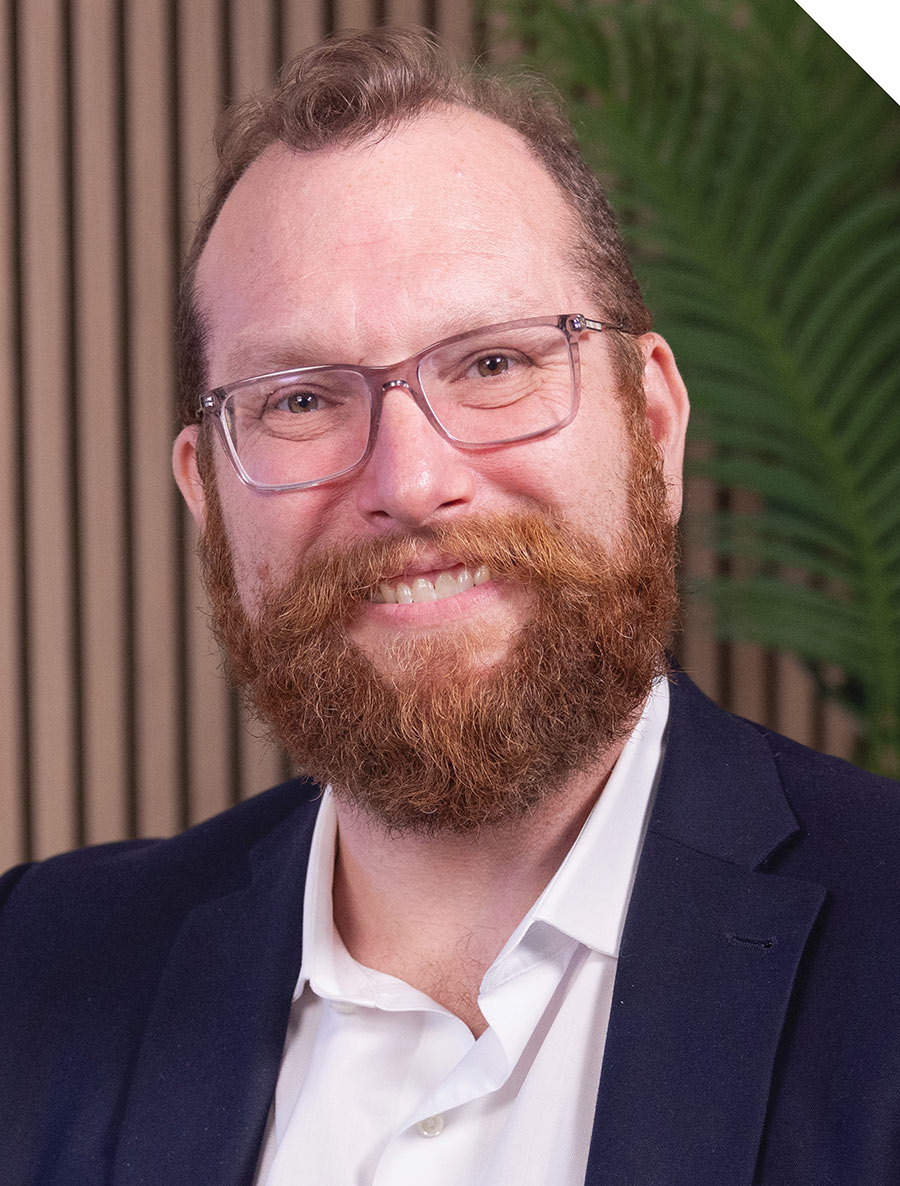
Bittner: One of the things that we’re really focused on right now is we are losing people in the 18- to 64-year-old age range. That’s our workforce population. The only demographic in Anchorage—and in the rest of the state, quite frankly—that’s growing is 65-plus. And there’s nothing wrong with people 65-plus, but they’re not the ones that we need filling these jobs that we have.
We have a lot of opportunity; a lot of industries are growing. We’re getting a lot of new federal investment, particularly through [US] Department of War and Department of Energy, transportation. There’s a lot of new opportunities coming in, but we need bodies to fill these jobs. It doesn’t matter how many businesses you start or how many opportunities you bring to the state: if there’s no one to make that happen, it’s not really as good as it could be.
So one of the things we have to do is, we have to figure out how to invest in ourselves in a way that keeps the people we have here, here, but also attracts more people from Outside to come here and stay here. And that’s a difficult thing for Anchorage in particular. It’s going to mean investing in ourselves as if we believed in ourselves. Not just enough to keep the lights on, not just enough to manage a decline, but to really say, “Hey, there is a positive future here worth investing in.”… We have to put the money where it needs to go that is impactful for the people who we’re trying to attract and retain.
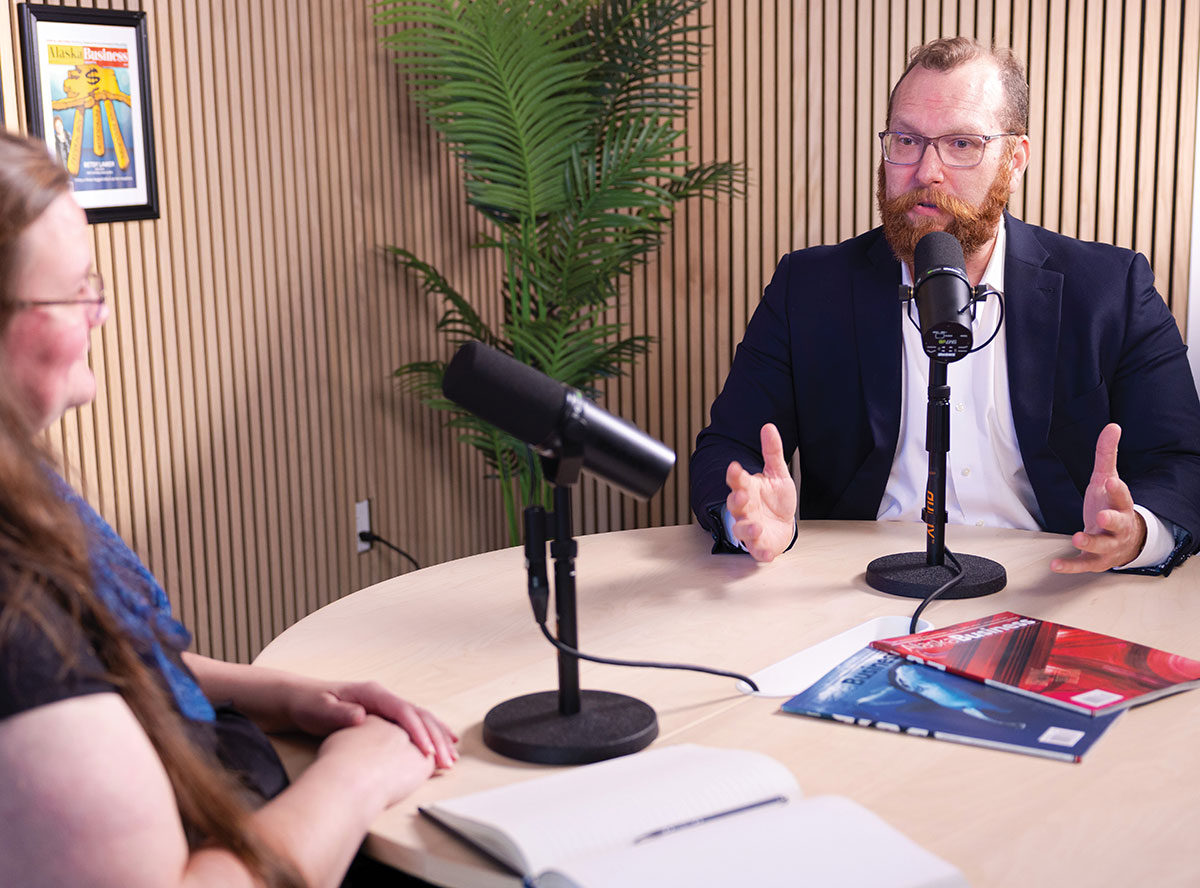
Bittner: Trails and the quality of life and stuff like that, that’s great; it is valid and viable. But you have to have the foundation under it. If you don’t have good schools, it doesn’t matter how good your trails are, people aren’t going to want their kids to grow up here. We can have all the mountains in the world, but if our school systems are closing left to right, people are like, “Well, we’re going to try the second-best mountains in the world.”
You have to invest in infrastructure; we have to have workable roads. You have to invest in public safety. You have to invest in education. And once you get those to a place where people are comfortable with them, then Anchorage’s value proposition, and Alaska’s value proposition, is really clear.
There is a quality of life here. Everyone down in the Lower 48 says they have this unique quality of life. Broadly speaking, though, you can drive state to state, right? It doesn’t change that much between the states… you can find something comparable down there. I don’t believe the same is true for Alaska. We are truly unique. We are a unique experience in the United States and even the entire North America area. We have a lifestyle, an access to wilderness, a size and scope that just doesn’t exist anywhere else. That’s our selling point. But in order to make that sale, we have to have a baseline product that is workable. And that’s going to take some investment.
Anderson: Alaska also has an interesting culture. How can we invite people to understand that culture who might want to be in that space but don’t know it exists?
Bittner: I love Alaskan culture. I love, especially, our fashion sense. It is both my most and least favorite part of living here… you go to the opera, and people are dressed in tuxedos and Carhartts and Xtratufs. Where else do you see that? You don’t. I don’t.
We collect people that march to the beat of their own drums. Again, a lot of people [in other places] say this, but I think it’s true here. I can’t say that about other places.
The best way to get people to experience that for themselves and to fall for this place is to bring them up here short term. This is why the tourism industry is so important. It’s why the military is so important. There’s so many things that bring people up for brief periods of time so that they can experience the best of Alaska. And then when they leave, part of them thinks, “Man, I wish I had stayed here.” Then at least we’re on the list when they’re thinking about moving: “Hey, I had a really great time up there. I met some great people that really shared my values. This is where I can spend the rest of my life.”
The full interview is available on YouTube.