
Alaska Trends
his edition of Alaska Trends features two reports: the construction industry’s economic impact and a construction forecast.
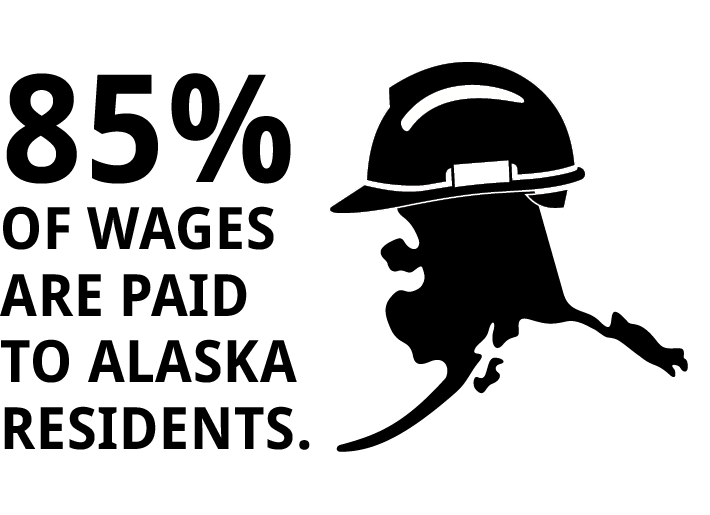
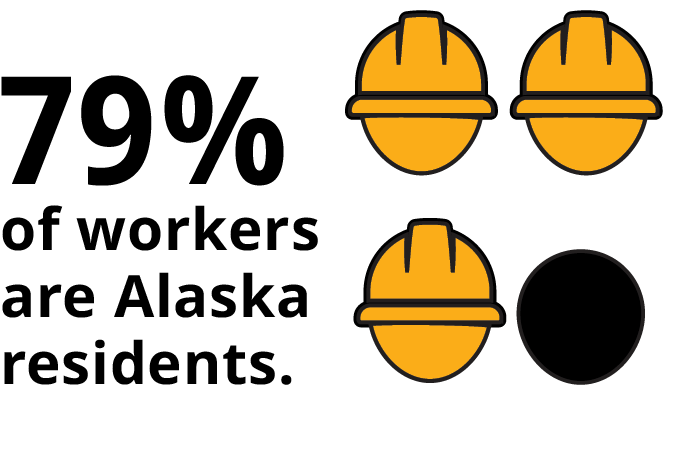
For impact, the construction industry’s presence in Alaska is well-noted through the common adage that Alaska has two seasons: winter and construction. Activities are highly visible as workers build or repair roads, buildings, and other infrastructure. But construction is a part of everyday Alaska life through less visible means, such as providing one in twenty Alaska jobs—accounting for 10 percent of all Alaska income—and an average wage surpassed by only a few other industries, such as oil and gas.
The construction forecast is a critical tool for construction companies, but considering the industry’s impact on the state—both through the projects constructed and the people constructing them—it is one indicator of the economy that all Alaska businesses operate in.
Setting the reports side by side provides an opportunity to consider how important construction industry activities are to Alaskans, as well as how Alaskans can diminish or support those activities through our business endeavors, purchasing choices, and elected leaders.
construction related jobs
Total statewide including multipler effects.
Annual labor income
10% of Alaska’s total payroll.
average annual wage
30% above the average wage for all Alaska workers.
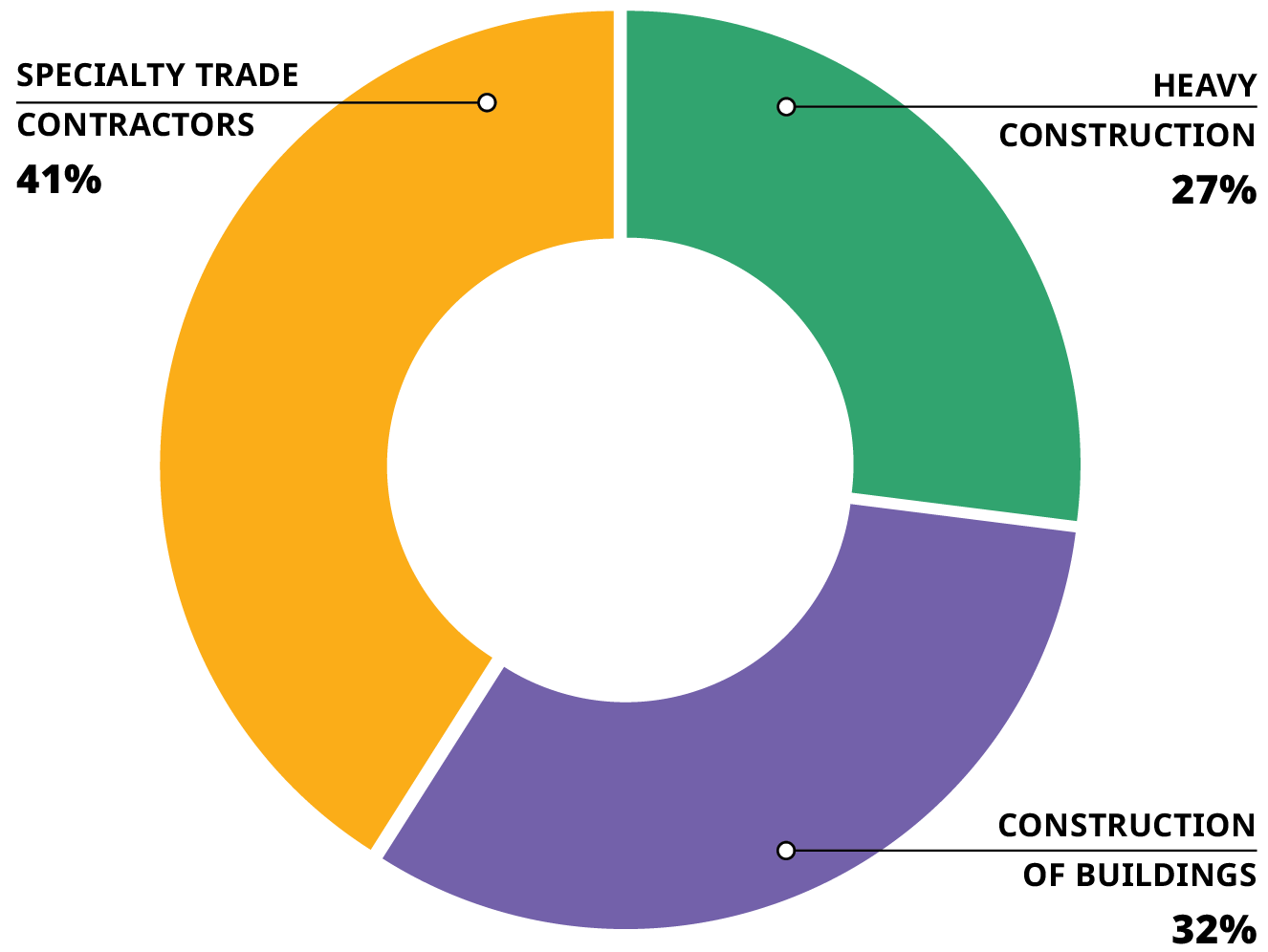

The spending forecast projects total expenditures of $6.7B. Private sector spending accounts for $3.8B while the public sector comprises $2.9B.
One North Slope project will move into production this year, reducing overall oil and gas construction spending.
Healthcare-related spending reflects several large projects, and a wide range of utility infrastructure work is planned for the coming year.
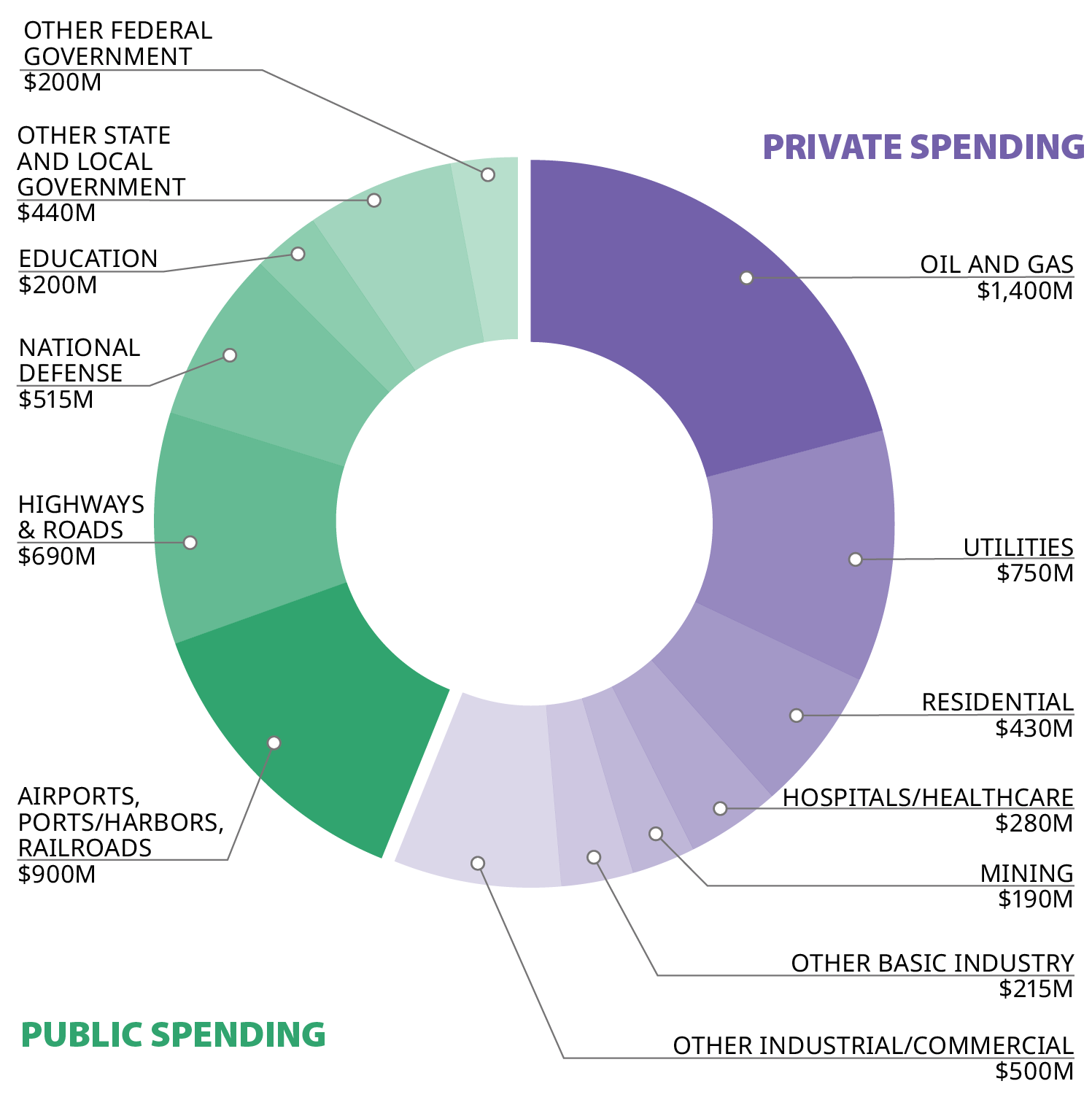
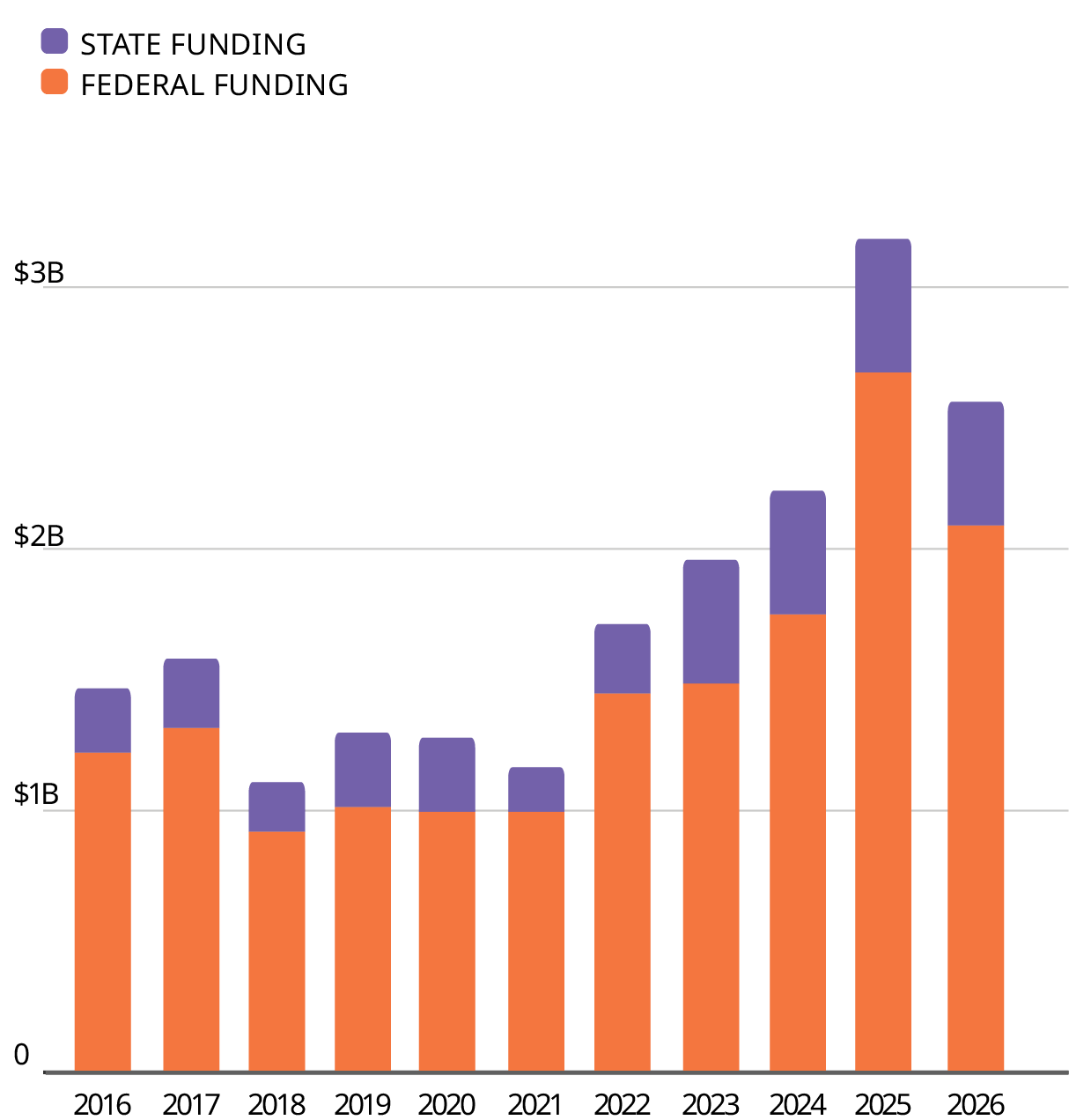
A vital component of annual construction spending in Alaska is federal transportation infrastructure funding. Funds are unlocked by state matching funds.
In early April, Governor Mike Dunleavy signed the legislature’s supplemental budget, which includes $70.2M for Alaska construction funding and unlocks upwards of $630M in federal funding.