

The Boat Company
hile many tourism companies talk about the importance of protecting Alaska’s pristine beauty for future generations of travelers, one company is walking the talk—or perhaps more accurately, floating the boat.
The Boat Company is a mission-driven, luxury eco-cruise operation that has been offering immersive wilderness experiences in the Tongass National Forest since 1979. Unlike other cruise offerings, however, The Boat Company is the only not-for-profit cruise company in the world.
“We are really a unicorn when it comes to the travel industry; people scratch their heads when they hear about us because they don’t understand if we are a not-for-profit, a fishing tour operator, a cruise line, or a boat builder,” says Hunter McIntosh, president and executive director of The Boat Company. “At the end of the day, we’re a business. We’ve got to put heads in beds, otherwise, our not-for-profit work doesn’t exist.”
McIntosh notes that running a not-for-profit is a high-wire balancing act, as enough revenue has to come in to offset the costs of running and maintaining two boats while also funding the company’s conservation mission. The company has succeeded in both goals: its cruises are in high demand, and its contributions to environmental causes now total more than $30 million over the past forty-seven years.
McIntosh’s father, Michael McIntosh, Sr., began the company after falling in love with Alaska while working on a fishing boat and at a cannery in the ‘60s. An avid environmentalist, in 1979 he and his wife joined several non-governmental organizations on a two-week cruise through the Tongass to discuss protecting the area from clear-cutting.
“One of the passengers suggested that dad start a small cruise line, and even though he had no experience in hospitality, he thought it was a great idea,” says McIntosh.
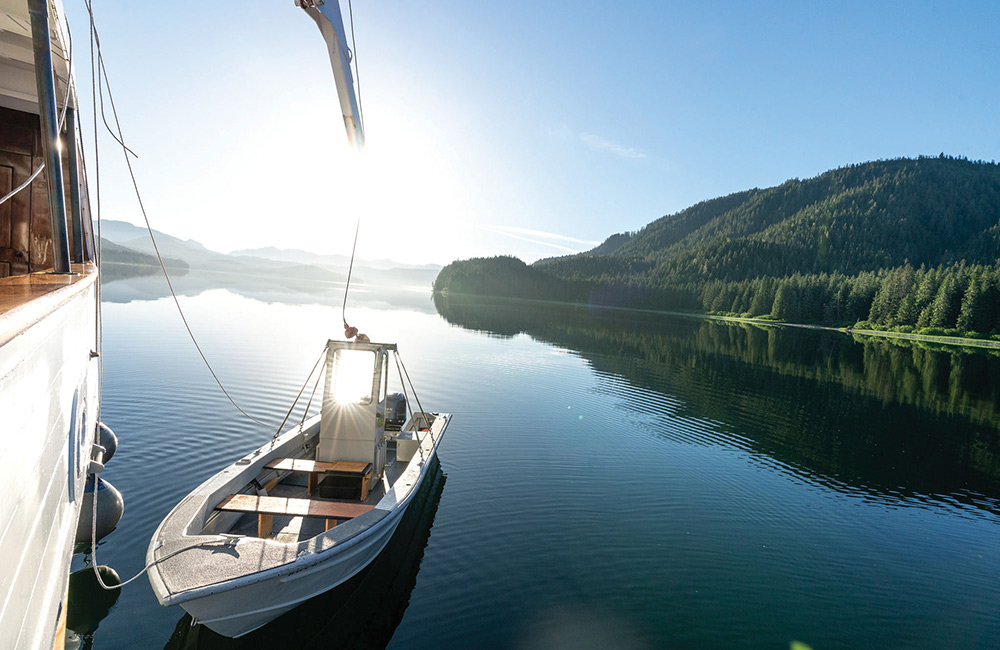
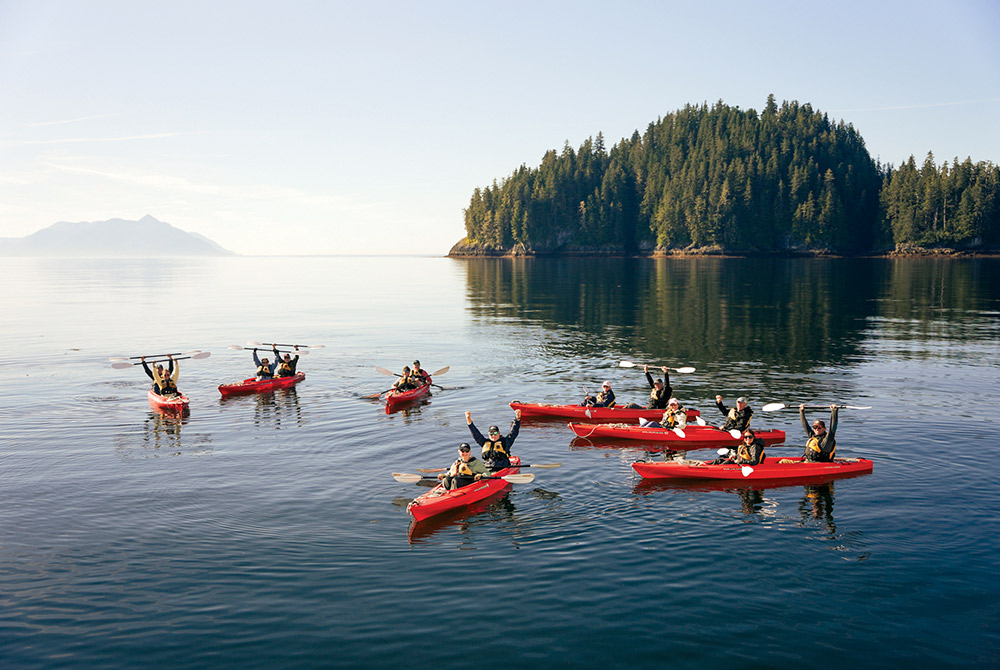
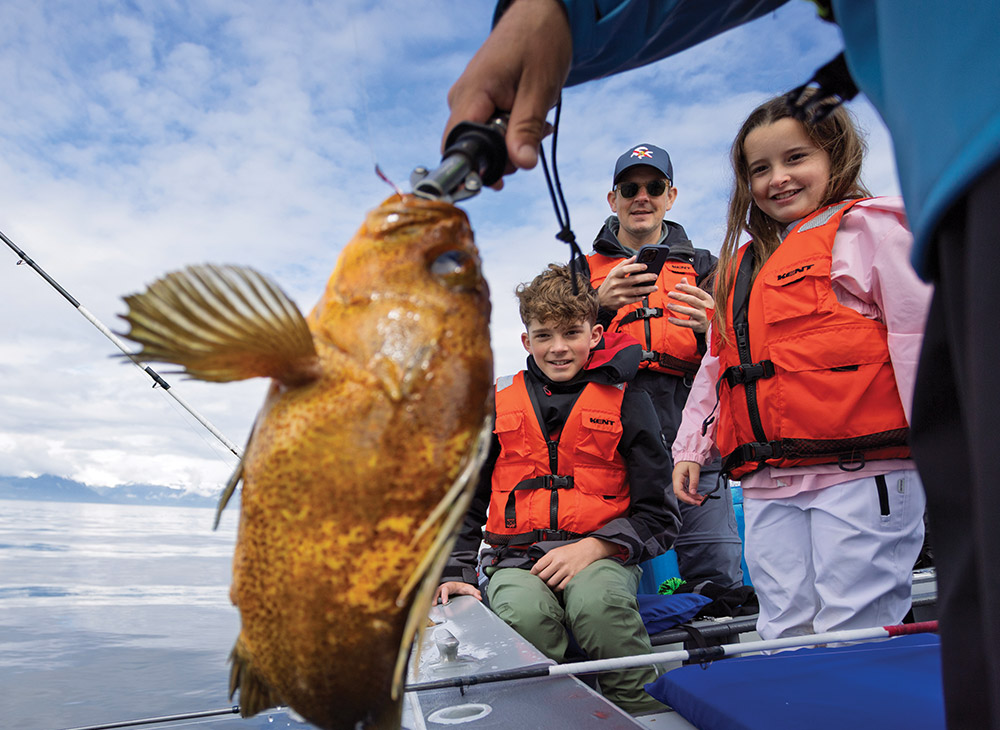
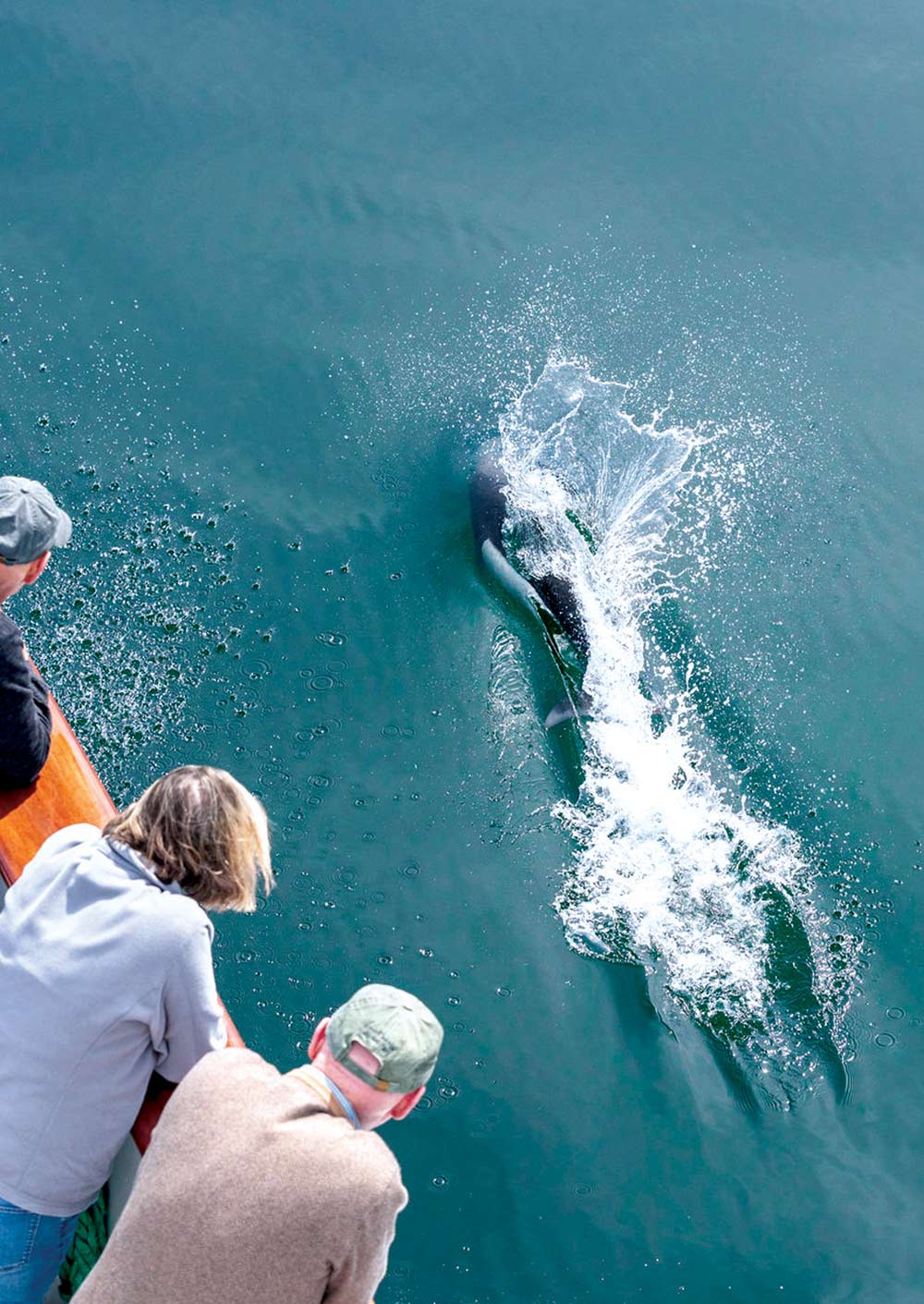
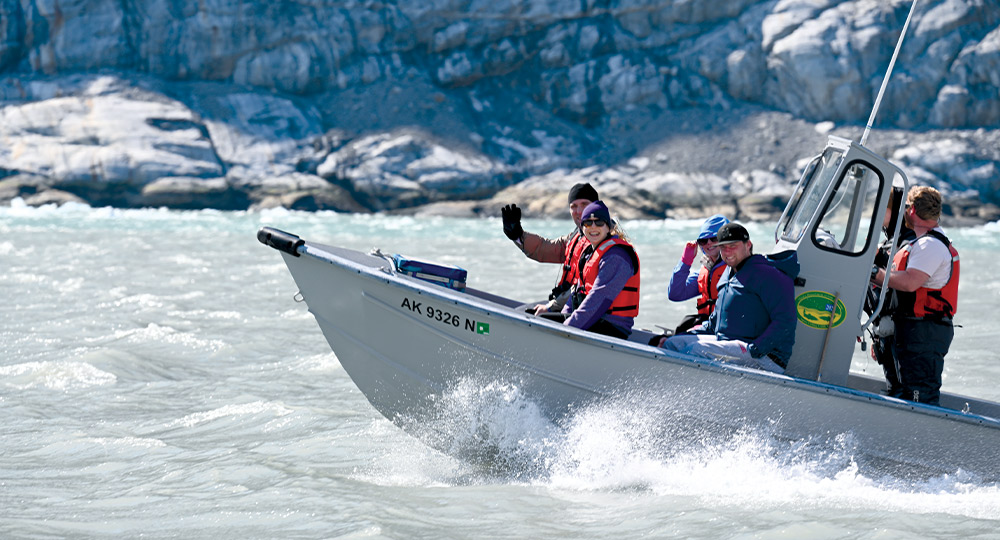
As part of The McIntosh Foundation, The Boat Company provides guests with an insider’s view of the Tongass and Southeast, anchoring up in small bays and coves and providing passengers with hands-on wilderness experiences. Each day, guests hike, kayak, fish, or search for wildlife, depending on what types of activities interest them. Passengers travel on the company’s two boats; the 145-foot M/V Liseron, a minesweeper built in 1952, and the 157-foot M/V Mist Cove.
“No trip is ever the same,” says McIntosh. “In forty-plus years of taking these trips, I see something new every year. I thought I’d reached the limit last year, but then I saw a moose on our way into Juneau. I’d never seen a moose in the wild.”
Bill and Mary Blair of Wilmington, North Carolina, first began traveling with The Boat Company in 2008, and they are now preparing for their sixth trip.
“One time we rented the entire boat, and on another couple of trips we took our whole family and their spouses,” Bill Blair says. “Each trip has been fantastic; it’s better than advertised.”
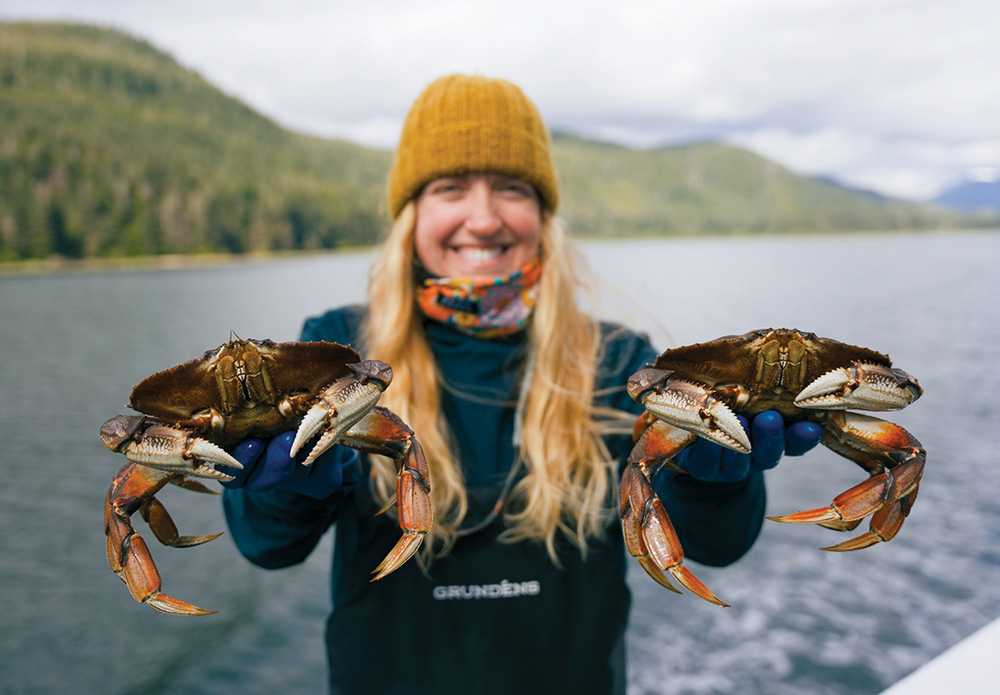
He contrasts The Boat Company voyages against typical cruise ships. “And it’s not a National Geographic trip,” Blair adds. “It’s one of those trips into nature where you fish, hike, put down shrimp pots to enjoy [the catch] with a cocktail at night, and go to bed at 9 p.m. because you’re so tired. Then you get up in the morning and enjoy coffee while looking at bears in a fjord you’re anchored in. It doesn’t get better than that.”
“We do provide education, but we take a very soft approach to it,” says McIntosh. “We don’t want them to feel browbeaten; people get enough of that in real life. The discussions with our naturalists often lead to further questions about our conservation work and guests leave with a lot of knowledge. And they are amazed at what they’ve seen; the Tongass basically sells itself.”
Dave Arnold has enjoyed two trips with The Boat Company and was especially impressed with the company’s commitment to providing environmental education. “We started a small rafting company in 1977, which later became the largest outdoor adventure company in the US, so I’ve been around the block when it comes to adventure travel,” he says. “The Boat Company really impressed me.”
The Boat Company
The Boat Company
The Boat Company
Bookings show that guests appreciate the experience; 75 percent of The Boat Company’s passengers are repeat customers, and another 10 percent of its business comes from recommendations from previous passengers. The remainder of its sales come through travel agents.
“I was first attracted to The Boat Company because of their story; not just the idea of Mr. McIntosh falling in love with Alaska while working at a cannery but also the idea of taking the trip on a wooden boat,” says Arnold. “Even though I made my living with boats, I didn’t know about minesweepers; imagine pulling one out of a junkyard and rebuilding it into a craft that transports people.”
With nearly fifty years of business experience since starting Class VI River Runners in West Virginia, Arnold has to laugh when he thinks of The Boat Company’s unique model. “The not-for-profit aspect was the craziest part of the story,” he says. “I’m doing my taxes, and $1,000 has been donated to some environmental group in the Tongass. How cool is that?”
According to McIntosh, the benefit of being a public charity is that The Boat Company, as part of the McIntosh Foundation, can fundraise in off years when money going out may exceed the money coming in.
“On the downside, most people want to give to charities that save lives from cancer,” he says. “Protecting trees in Alaska is not a high priority on anyone’s list.”
The company also partners with Orvis, an outdoor adventure company that promotes fly fishing trips all over the world, to increase awareness of the Tongass and conservation issues.
“They promote us as a company that shares the same values they do,” says McIntosh. “If Alaska becomes overfished, for example, there will be nothing left for their customers to enjoy in the future. We try to partner with businesses that fit in our realm.”
According to McIntosh, over the years, the company has had to reinvent itself to make the not-for-profit thrive. “We take the not-for-profit hat off and put the business hat on,” he says. “Basically, we run as a small, luxury boutique hotel with a not-for-profit and conservation habit. It can be quite a challenge.”
The Boat Company
Philosophy of Balance
“That was wonderful news; we had no idea we were up for it,” says McIntosh. “It’s a very big deal for us. We’re just a small, two-boat operation that runs seventeen weeks out of the year in Southeast Alaska. To be recognized by them is an amazing honor and very much a happy surprise.”
While The Boat Company runs a fine line between conservation and cruising, McIntosh believes that having a core mission helps to offset the issues caused by running a tourism business in Alaska.
“Our philosophy is that if we can educate people on the environmental challenges happening in the region in a way that contributes to the local economy and affords us the ability to do the types of conservation work that we’ve done for more than forty-seven years, it balances out the fact that, in reality, we are a cruise line that runs on diesel engines until someone comes out with an amazing technology that allows us to operate our boats without diesel fuel,” he says.
“I like to think that the balance falls on the side of conservation even though we’re using fossil fuels,” he adds. “That’s the reality of being a not-for-profit and a tourism business.”