


laska’s State Small Business Credit Initiative (SSBCI) stands out as a national leader in supporting small businesses, startups, and entrepreneurs throughout the state. In September, the Alaska SSBCI achieved the top ranking in the country for funds deployed as a percentage of its total allocation.
Out of 131 jurisdictions, Alaska had deployed 92.5 percent of its $59.9 million allocation, narrowly surpassing Montana at 92.3 percent and significantly ahead of New Hampshire at 79.8 percent, according to the Alaska Small Business Development Center (SBDC), which leads the program. And the Alaska SSBCI program was operating at a pace six years ahead of schedule.
Alaska Small Business Development Center
The federally funded SSBCI program gives small businesses access to capital to expand, create employment opportunities, and strengthen local economies. Originally launched in 2010 and expanded by the American Rescue Plan Act of 2021, the program allocates $10 billion to states, territories, and tribal governments to bolster small business financing.
The Alaska SBDC, housed in UAA’s Business Enterprise Institute, oversees the $60 million, state-level SSBCI program as well as $83 million awarded to the Alaska SSBCI Tribal Consortium program. The SSBCI Tribal Consortium program partners with 125 Alaska Tribes—half of the 250 tribes in the state—to foster investment, job creation, and economic growth. These SSBCI programs distribute funds through banks, credit unions, and investment funds—which, in turn, extend loans and investments to qualified small businesses throughout the state. The funding supports credit and investment programs for existing small businesses and startups as well as technical assistance.
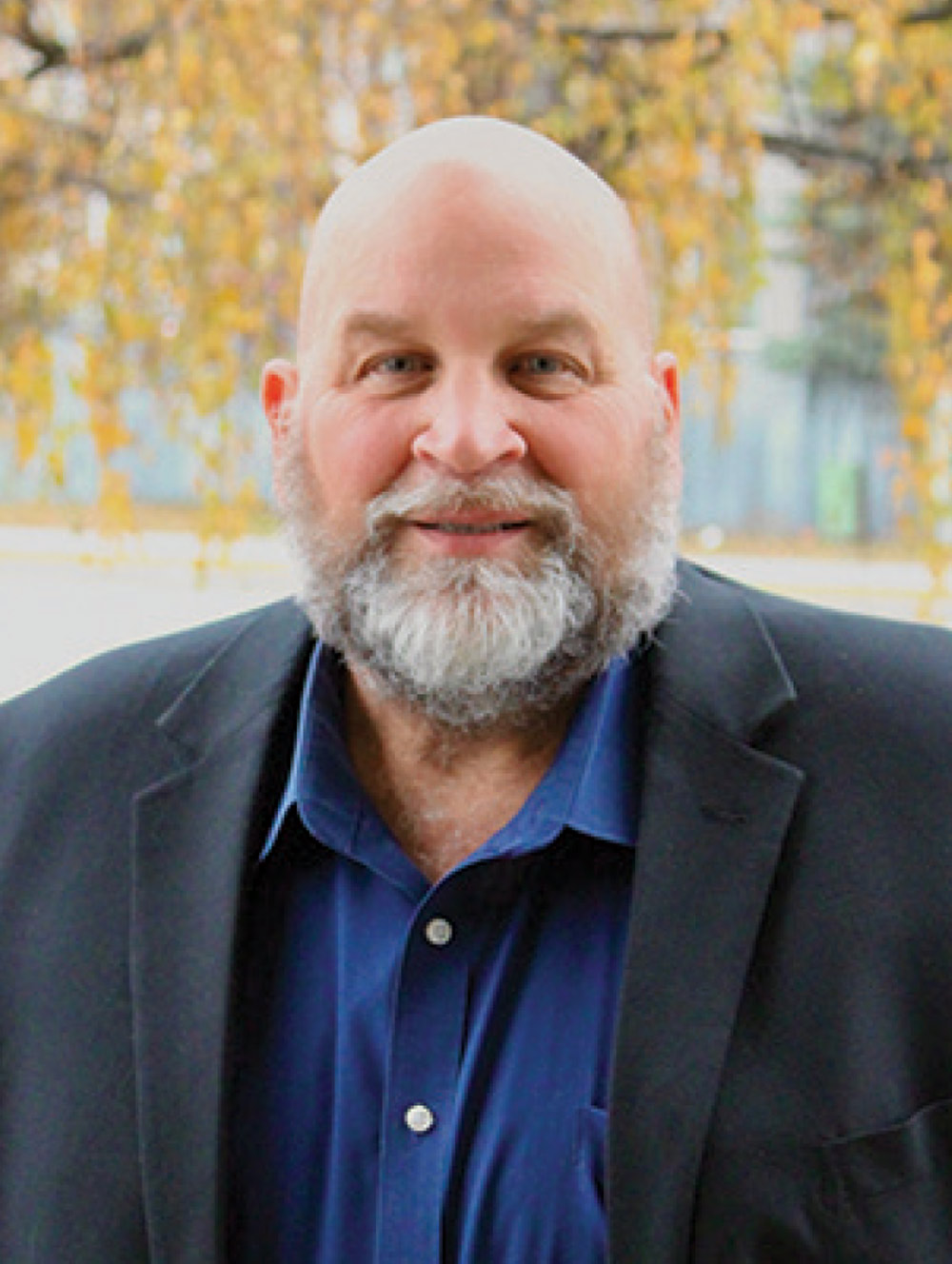
Instead of business owners applying directly to the government for loans, Alaska’s SSBCI program leverages the underwriting expertise and networks of local lenders. “The reason we went that way is if we were trying to directly make these loans to the community, we would need fifty people,” Halverson notes. “We utilize their [lenders’] ability to go out to the community and bring deals so that we can help the small businesses.”

Alaska Small Business Development Center
The Alaska SSBCI program remains flexible within federal guidelines to expedite fund distribution. This practice differs from other jurisdictions that require borrowers to submit documentation to multiple entities or restrict specific loan sizes and project types. “We created a program that was as permissive as the Treasury would allow us to be so that the funds could get out to Alaska and be a part of our economy faster,” Agee says.
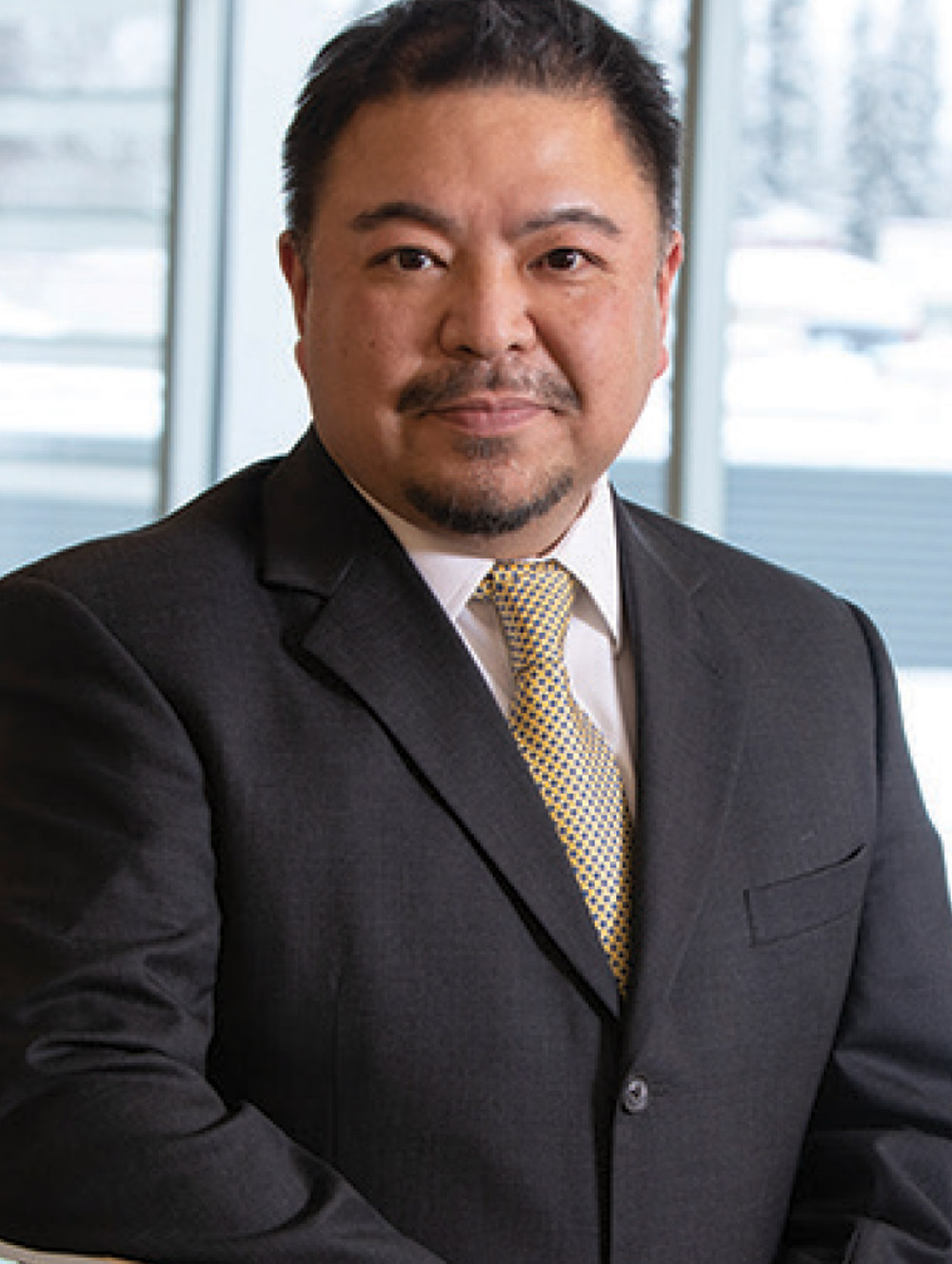
First National exemplifies active participation in the program. The bank provided $18 million for thirty-one loans in 2024 and more than $26 million for nineteen loans as of September 2025, according to Lending Unit Team Leader Shin Suzuki.
The Alaska SSBCI program has allowed First National to finance borrowers who face traditional barriers to funding. “The types of businesses that have most benefited from SSBCI-backed funding are as diverse as Alaska’s economy,” Suzuki says. “First National has helped businesses ranging from tourism, transportation, retail, wholesale, manufacturing, commercial fishing, construction, and beyond.”
First National Bank Alaska
Borrowers who obtain a loan with First National or an SSBCI guarantee can use the funds in various ways. For instance, they can support short-term cash flow with a line of credit, long-term financing for purchasing real estate or equipment, or business expansion. “Programs like SSBCI allow us to support more Alaska businesses and find solutions for the unique lending situations they face,” Suzuki says.
One unique lending situation was the $200,000 loan that Homer-based Kaia Seafoods received from First National in January 2025 through the Tribal SSBCI program. Co-owner Lacey Velsko used the funds to upgrade a fishing vessel with more efficient fish-handling equipment: a liquid slurry ice machine and fish totes. The enhancements were part of its efforts to adopt the Icelandic chilling and handling method in its Pacific cod fishery.

Kaia Seafoods
Last year, Friends by the Ocean received a $2.5 million SSBCI-backed loan from First National. The Alaska Native-owned resort, located 35 miles from Kodiak on 24 acres of oceanfront property in Chiniak, capitalized on a 50 percent guarantee from the Tribal SSBCI Loan Guarantee Program. The loan provided refinancing and working capital, covering construction debt while also supporting final build-out, furniture, fixtures, staffing, and marketing.
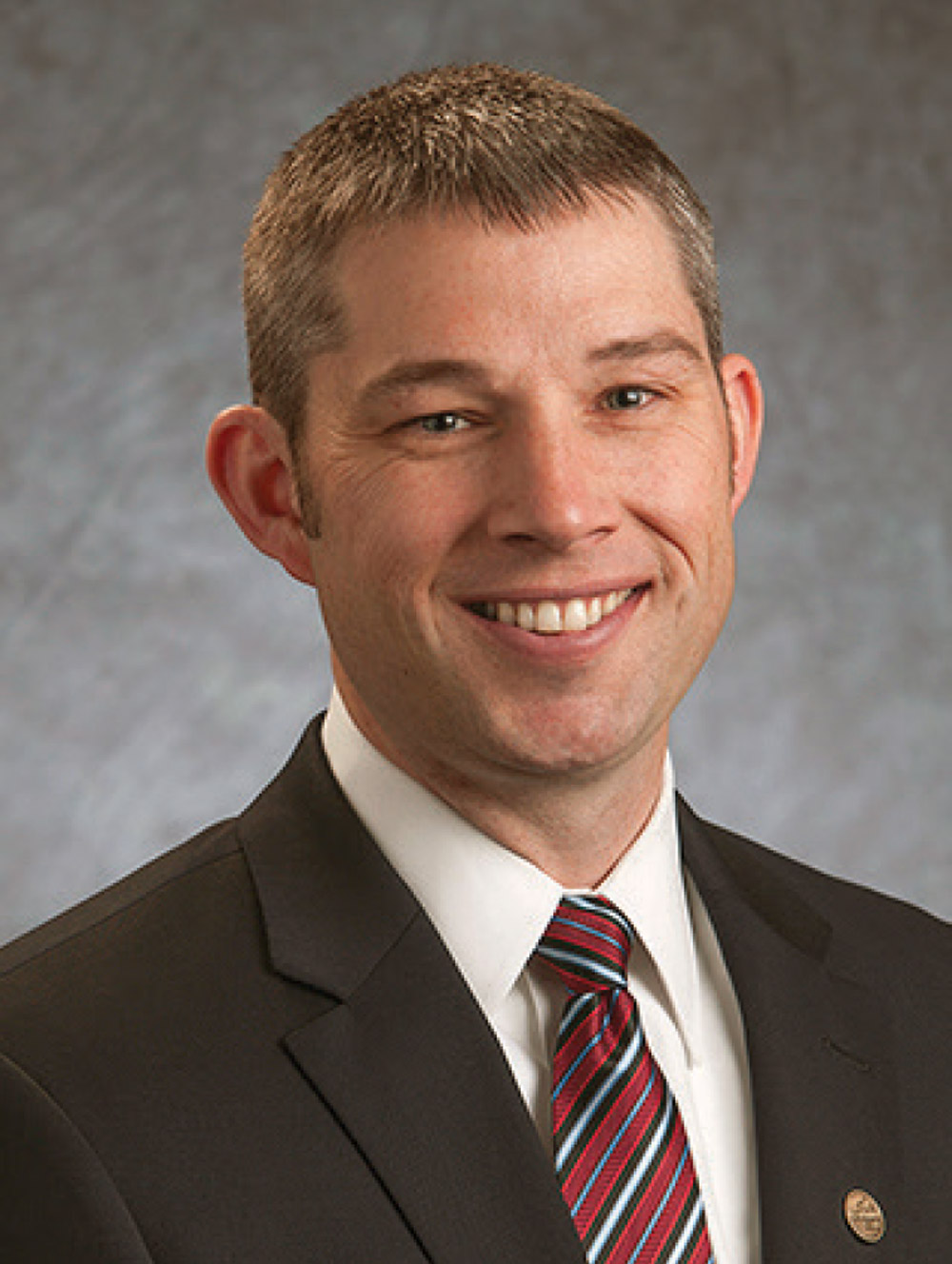
Northrim Bank, another active lending partner in Alaska’s SSBCI programs, has provided loans for a variety of businesses and entrepreneurs across the state. Businesses that have benefited from the program the most include startups, rural/remote businesses, companies that are expanding or in a rapid growth phase, and businesses in higher-risk industries, according to Chief Banking Officer Jason Criqui.

Cheeky Medspa
Thanks to the funding, Coray was able to accelerate her expansion efforts—accomplishing more with her company in less time. Today, she operates locations in Soldotna, Fairbanks, and Homer.
As part of federal requirements, Alaska’s SSBCI loan borrowers must operate within the state and must have fewer than 750 employees. They cannot be registered sex offenders, and their loans and investment rounds must be $20 million or less. Program funds cannot be used for cannabis-related businesses, passive real estate investments, gaming, to pay off an existing loan (with some limited exceptions), or to purchase an owner’s share in the business or reimbursement of owner contributions. And SSBCI funds cannot be combined with other federal funding programs.
Beyond these conditions, lenders determine borrower suitability for Alaska SSBCI funding. The program seeks to facilitate loans that lenders would not make without its involvement. The first step for a business is to reach out to a lender to discuss their financing needs and options. “Once the borrower applies for a loan with First National and provides the required financial information, we process the application and help the borrower complete the SSBCI application documents,” Suzuki explains. “The SSBCI office typically provides a response within ten days. Depending on the due-diligence requirements, loans are closed in a timely manner after the SSBCI approval.”
First National applies its standard underwriting criteria for every loan request, Suzuki says. However, the SSBCI assists applicants with credit challenges or unconventional collateral. For instance, applicants might have cash flow but have a weak secondary source of repayment. Or they could have collateral that is not traditionally accepted at the bank or located in a place that is difficult to reach.
Northrim Bank
Like First National, Northrim Bank uses the same criteria to process all commercial loan requests and considers a variety of factors when underwriting. Criqui elaborates: “What is the borrower’s ability to repay? Is it a sound business model? Do we have primary, secondary, and tertiary sources of repayment? What is the strength of the guarantors? What is our collateral? Does the business have a demonstrated track record for success or is it a start up?”
He adds: “This is not a comprehensive list; depending on the request, the list of questions can be quite lengthy as we assess the viability of the loan. A loan that requires a government guarantee would have a material credit deficiency. There may be an issue with the collateral, or inconsistent cash flow, or insufficient operating history.”

Cheeky Medspa

Kaia Seafoods
Alaska Small Business Development Center
The Tribal SSBCI Consortium program’s impact was reflected in $61,286,921 in total loan value, 53 loans, 51 businesses funded, 50 socially and economically disadvantaged individual-owned businesses, 33 very small businesses, and 21 communities. The program was implemented on August 1, 2024 and closed its first loan on September 4, 2024.
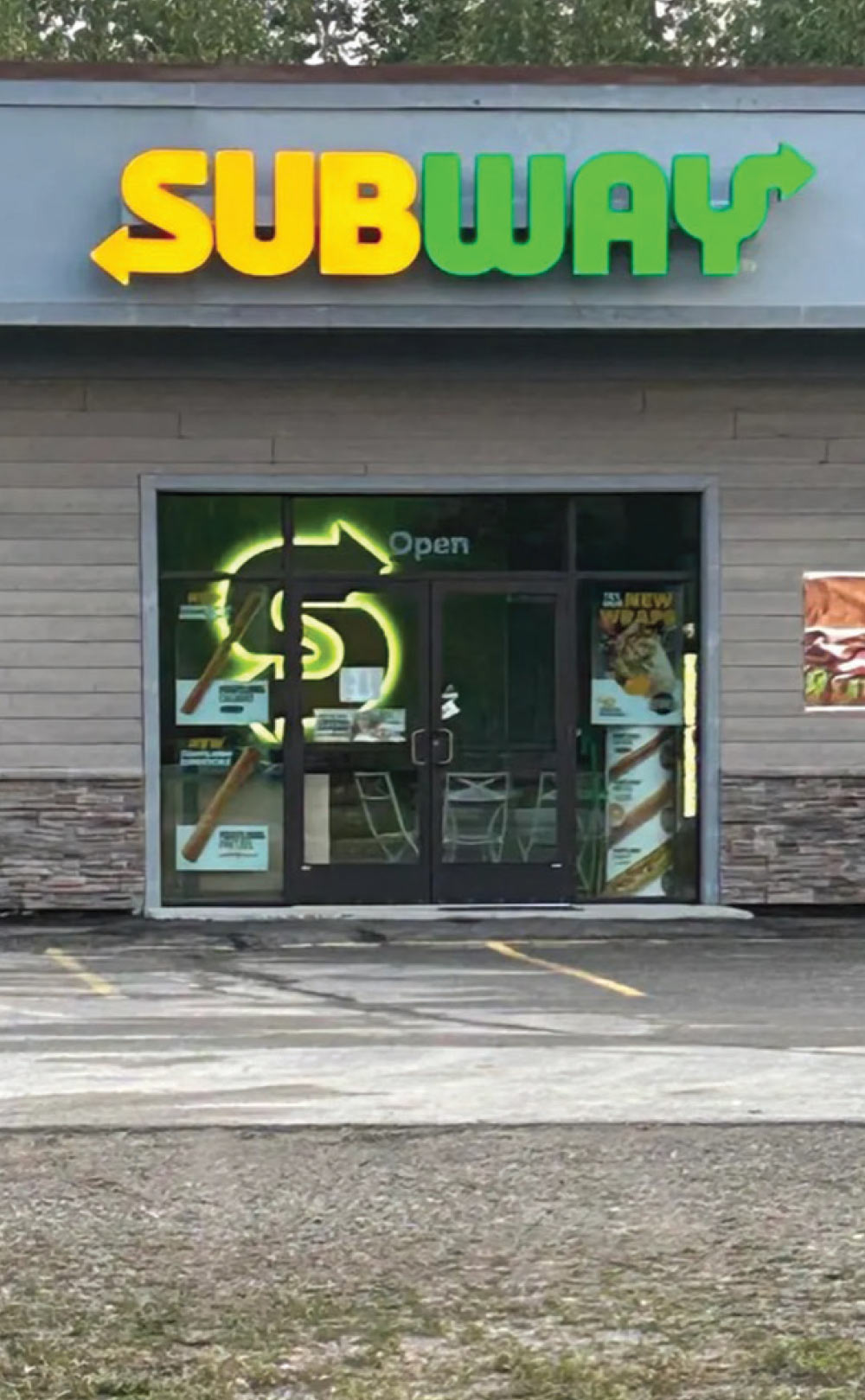
The trickle-down effect of SSBCI loans can add significant value—especially in rural areas, Halverson says. Take, for example, the SSBCI-guaranteed loan that Northrim Bank made to a Subway restaurant in Nenana, which has fewer than 400 residents. “It reduced the unemployment of Nenana by 50 percent,” he says.
Northrim’s participation in the Alaska SSBCI has positively affected its ability to support small businesses throughout Alaska. “It has helped us preserve local jobs, support resource development, grow tourism, increase the property tax base in communities across the state, and provide working capital to companies driving Alaska’s economy,” Criqui says. “The Alaska SSBCI team has created a program that is efficient and thoughtful, and it has driven meaningful economic growth for our state.”
Likewise, First National appreciates the program’s ability to support Alaska’s small businesses. “This has put more money to work in Alaska’s economy,” Suzuki says. “We value how SSBCI enables us to provide critical funding for Alaska businesses, helping to foster growth and create opportunities in our communities.”
Ultimately, the Alaska SSBCI’s goal is to leverage its $60 million allocation tenfold, driving $600 million into Alaska’s small business community. “We want to be good stewards of these funds, and so far we have done a great job,” Halverson says. “Our default rates are negligible compared to the expectations of those who set the program up, and that means the underwriting from our lenders has been significant to avoid any kind of drawback.”