

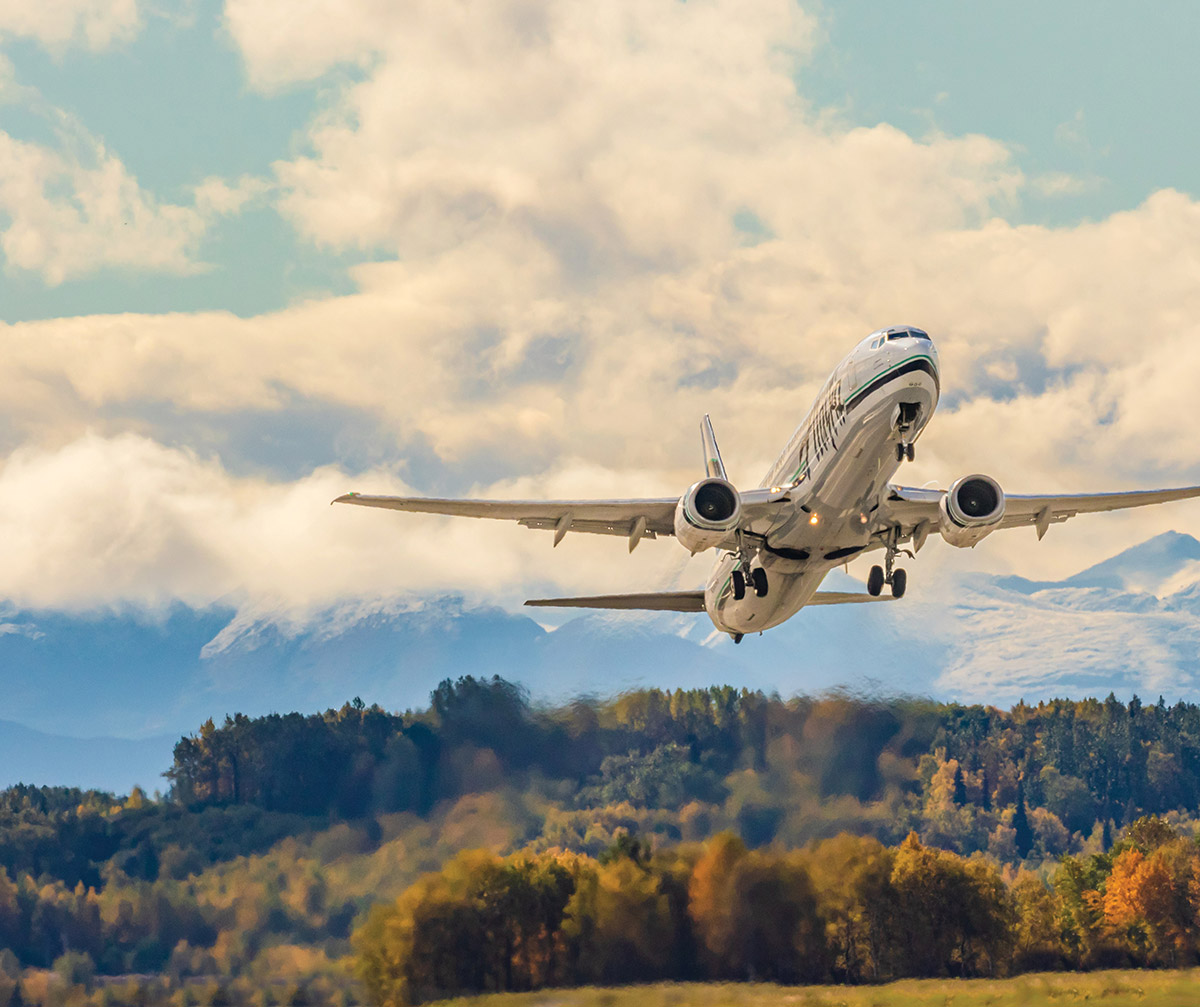
ed Stevens Anchorage International Airport (ANC) is both Alaska’s primary gateway for travelers and one of the state’s most powerful economic engines. Each year, it welcomes visitors while also serving a far larger role in global commerce. According to the latest rankings from Airports Council International World, ANC now ranks first in the United States for cargo volume and third worldwide.
“ANC continues to prove that Alaska is at the center of global commerce,” says Angie Spear, director of the Alaska International Airport System. “Being ranked among the world’s busiest cargo airports reflects the strength of our tenants, airline partners, workforce, and the strategic advantages only Anchorage can offer.”
Because the Pacific Great Circle route passes near Alaska, ANC serves as a key global transit point for air cargo. Major carriers, including UPS and FedEx, regularly stop in Anchorage to refuel, change crews, and sort packages before continuing eastward to Asia or westward to the Lower 48.
Driven by its strategic location, ANC serves as a major link to global commerce. It also plays a role in promoting growth in tourism, trade, and international connectivity.
“Anchorage’s rise to the nation’s top cargo airport highlights Alaska’s critical role in the global supply chains,” says Ryan Anderson, commissioner of the Alaska Department of Transportation and Public Facilities. “By continuing to invest in our aviation infrastructure and partnerships, we’re strengthening a system that drives economic opportunity across the state.”
ANC’s cargo strength is only one part of its broader economic story. The airport’s growing passenger network, expanding airline partnerships, and ongoing infrastructure investments are creating new opportunities for business travel, tourism, and trade while reinforcing Anchorage’s role as a vital connection point between Alaska, the Lower 48, and international markets.
While cargo operations often generate headlines, passenger travel continues to experience significant growth. Airport officials estimate approximately 5 million passengers pass through ANC annually, and forecasts show continued expansion over the coming decades.
“Ted Stevens Anchorage International Airport is experiencing unprecedented growth in interstate passenger traffic. Our research shows ANC leading all medium and large hub airports in the nation with more than an 11 percent year-over-year increase in seat capacity during the first half of 2026,” says Alaska International Airport System Development Manager Teri Lindseth. “This growth reflects strong demand for travel between Alaska and the Lower 48 and reinforces ANC’s role as a critical national gateway.”

In the meantime, the state-owned airport is proceeding with incremental changes at its own pace.
Alaska Airlines continues to strengthen its network with new nonstop routes. In 2026, the airline expanded its spring and summer seasonal service from Anchorage by adding three new nonstop routes to and from Boise, Boston, and Spokane.
“It will now be even easier for visitors to get to Alaska this summer and start their vacation. Also, Alaskans will enjoy more nonstops to visit family and friends in the Lower 48, or explore Boston, Boise, and Spokane,” says Marilyn Romano, Alaska Airlines regional vice president for Alaska.
“These inaugural routes from Anchorage signal a new chapter of growth at ANC and underscore Alaska’s rising role as a global travel hub,” says Spear. “Alaska Airlines’ leadership in launching these connections is creating more choices, more access, and more opportunity for travelers.”
Alaska Airlines isn’t the only carrier focused on increased flights to Anchorage. In October 2025, ANC announced a new seasonal route with American Airlines, connecting Anchorage and Phoenix. The route started in May 2026 and continues through September 8.
ANC also welcomed seasonal service from Southwest Airlines in May 2026, adding another nationally recognized carrier to its growing passenger network.
The addition of Southwest highlights the strength of Alaska’s air travel market and the continued demand for expanded service. “Southwest is honored to announce our intention to serve Ted Stevens Anchorage International Airport and to join the Anchorage and Alaska communities,” says Andrew Watterson, chief operating officer at Southwest. “We look forward to connecting our customers to Anchorage’s rich history and culture, and thank Governor Dunleavy, Commissioner Anderson, and the State of Alaska staff for welcoming us with open arms.”
“This is an exciting milestone for ANC and for Alaska travelers,” says Spear. “Welcoming Southwest gives passengers more choice, strengthens competition, and underscores Anchorage’s position as a gateway for both people and goods moving between Alaska and the world.”
The addition of Southwest also reflects the continued momentum behind Anchorage’s aviation sector, where rising passenger demand complements ANC’s long-established strength in cargo operations. Together, these developments reinforce the airport’s role as both a major economic driver for Alaska and a critical link between the state, the Lower 48, and global markets.
Patricia Morales | Alaska Business
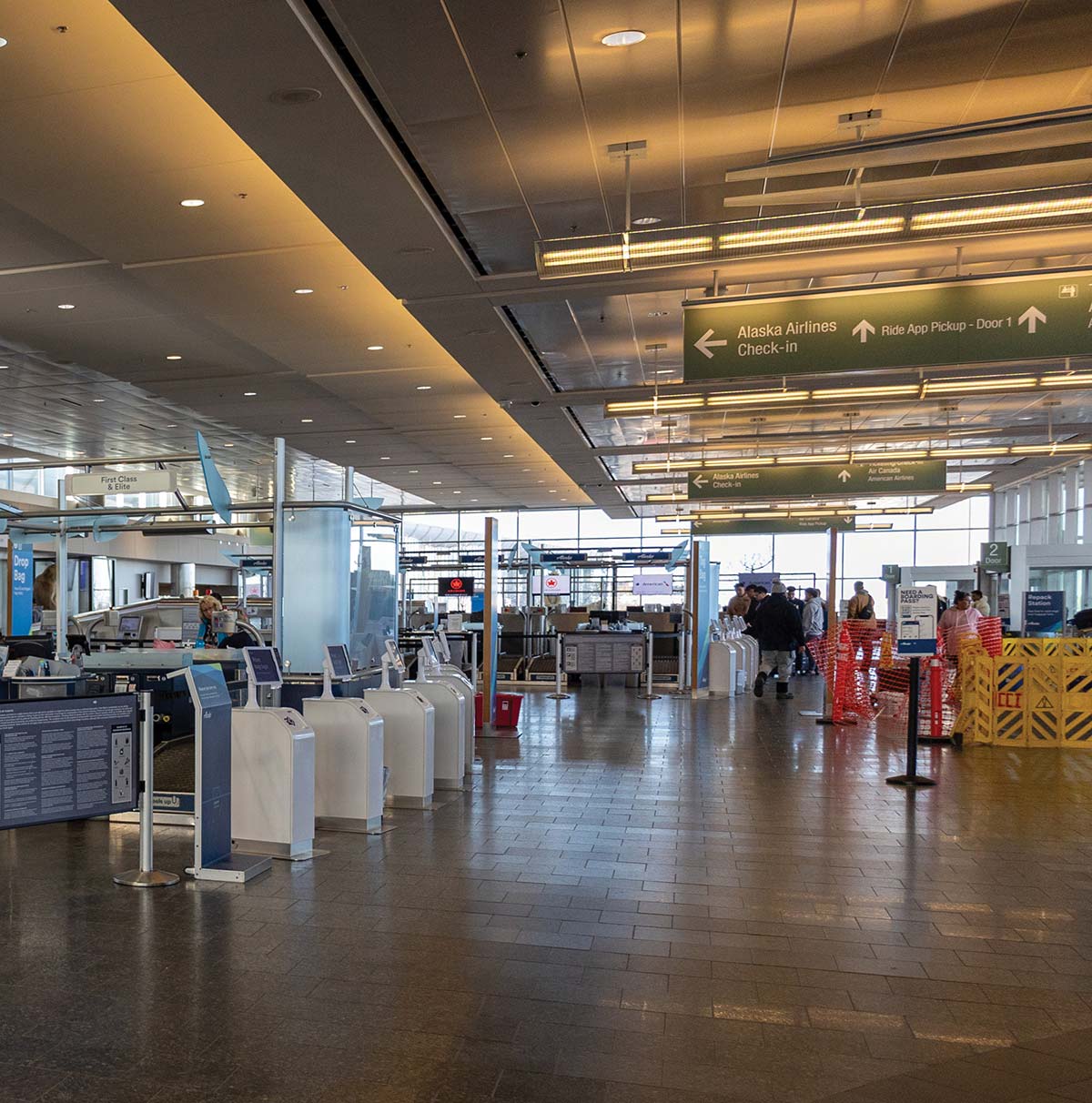
The airport is also evaluating new parking solutions to address increasing demand. Initial plans would add hundreds of parking spaces, while longer-term proposals examine expanded surface lots and the possibility of a future parking structure.
The airport earned top honors for its concessions program, placing first in two Top 50 performance categories in the Airport Experience Fact Book 2025, published by Airport Experience News, a leading source on airport concessions and passenger experience.
The annual publication ranks US airport concessions programs based on measures such as total sales, revenue per enplaned passenger, and overall effectiveness. ANC’s first-place finishes highlight the strength of its food, retail, and service offerings, as well as its continued commitment to improving the traveler experience.
“This recognition reinforces the success of ANC’s thoughtfully curated concessions program and the important role it plays in supporting local businesses and enhancing the overall travel experience,” says Lindseth. “It also represents a positive economic story for the airport and the community, reflecting an airport environment that people want to be part of—not just pass through.”

Carolina Jaramillo | Adobe Stock
Through this voluntary program, passengers who self-identify as needing extra assistance can receive a sunflower lanyard or wristband from airline ticket counters or the visitor information center. A discreet symbol, the sunflower lets airport staff, TSA personnel, and other service providers know that those travelers may need additional time, patience, or support without requiring them to explain their condition or answer intrusive questions. Non-visible disabilities and conditions may include anxiety, autism spectrum disorders, cognitive or sensory conditions, chronic illnesses, mobility challenges, or short-term recovery needs.
“Accessibility is at the heart of delivering world-class service at ANC and FAI [Fairbanks International Airport],” says Spear. “By implementing the Hidden Disabilities Sunflower Program at both of Alaska’s international airports, we are taking another step toward ensuring every traveler feels recognized, supported, and welcomed. We want passengers to know that whether their needs are visible or not, our teams and partners are here to provide care, compassion, and understanding for those who may need extra assistance.”
The airport is also equipped with WHILL autonomous wheelchairs, thanks to a partnership between NANA Management Services (NMS) and Alaska Airlines. Like a self-driving car requested on a ride-sharing app, WHILL has supplied wheelchairs since 2020 and now services twenty-six airports worldwide.
“Anchorage represents an important step in expanding access to autonomous mobility in North America,” says Shane Bogni, president of WHILL Autonomous Service, North America & EMEA. “Our goal is to give passengers more independence and confidence as they move through the airport.”
The service rolled into ANC in March. Users can request wheelchair assistance through Alaska Airlines at the time of booking, prior to arrival, or upon entering the terminal. At the NMS assistance kiosk in the terminal, NMS staff screen passengers for mobility needs and coordinate the service.
“This program is about dignity and independence in travel,” says NMS Vice President of Food, Facilities & Maintenance Clinton Lasley. “Whether a passenger is traveling with limited mobility, recovering from an injury, or simply needs assistance navigating a busy terminal, WHILL autonomous wheelchairs help travelers move at their own pace, with support from our trained team.”