

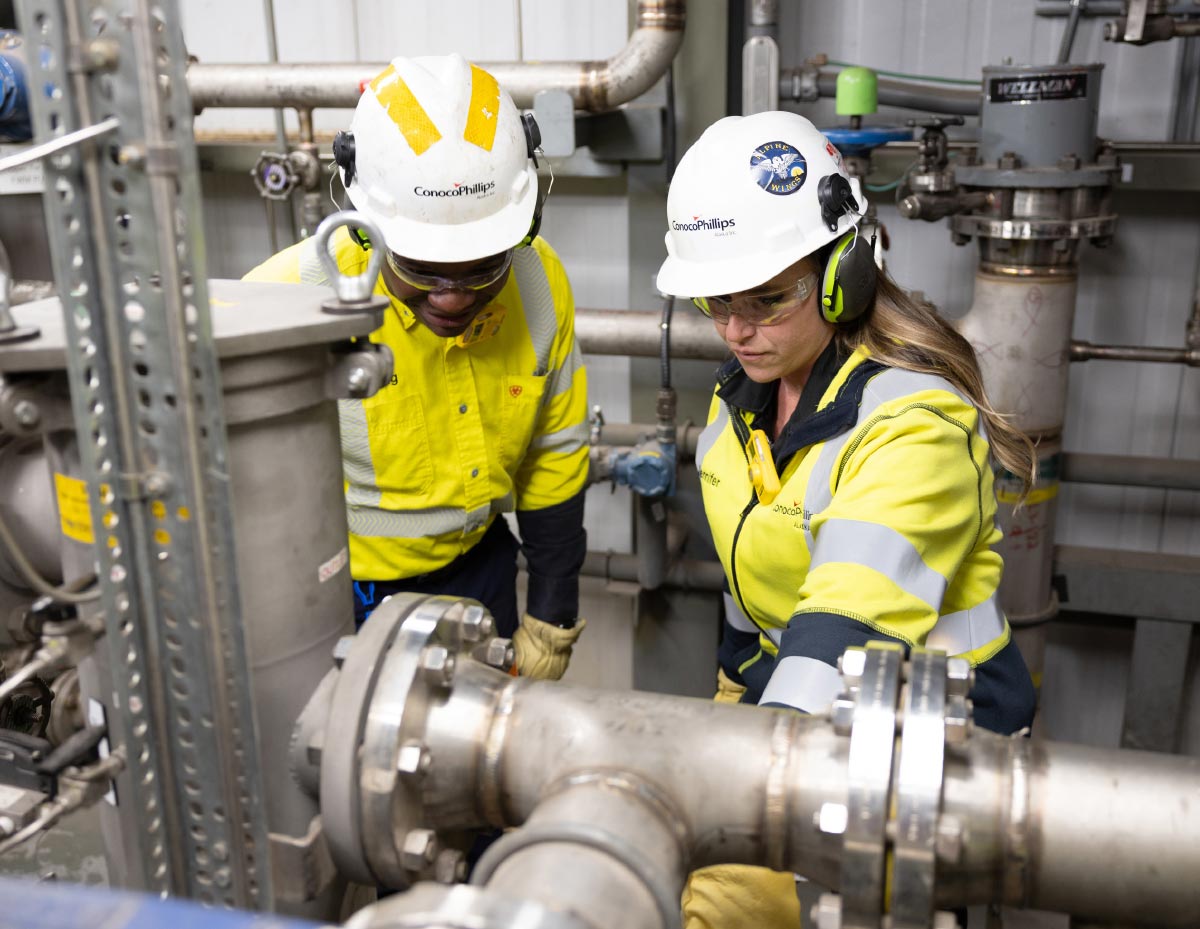
o help meet Alaska’s growing workforce needs, companies are forming innovative partnerships with educators around the state. One example is ConocoPhillips Alaska, which recently donated $400,000 to the University of Alaska (UA) to establish the Process Technology Support Fund. The fund supports process technology programs in Fairbanks at UAF Community and Technical College (CTC) and at UAA’s Kenai Peninsula College (KPC), helping pay for equipment and technology upgrades as well as expanded outreach.
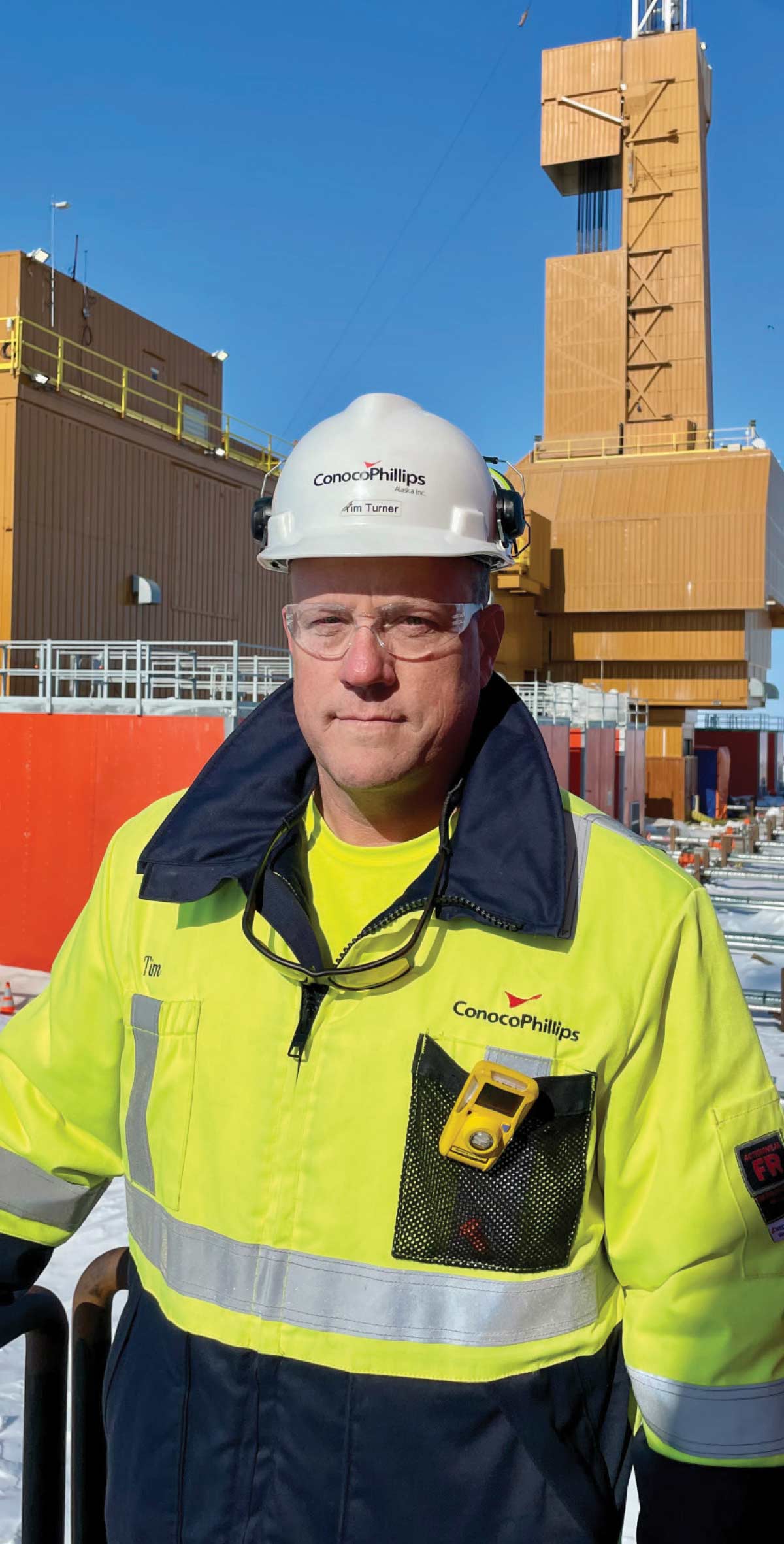
“This is the right time because the workforce need is real and immediate and because UA’s process technology programs already deliver strong outcomes,” says Tim Turner, vice president of operations at ConocoPhillips Alaska. “We see this as a long-term workforce development investment that connects classroom learning to real careers, and we hope it also encourages additional industry partners to invest in this vital pipeline.”
The UA System has long had a strong relationship with ConocoPhillips—its largest corporate donor—which has invested nearly $45 million over four decades. That support has reinforced the value of private-sector investment in workforce training. UAF CTC Dean Kevin Alexander says ConocoPhillips’ latest donation may be the largest single cash gift he has seen directed to any UAF CTC program. In his view, the contribution reflects both the urgency of Alaska’s workforce needs and the strength of the partnership behind the effort.
“The need is growing, and the challenge is twofold: awareness and access,” he says. “Too few Alaskans—especially students in rural communities—know this career path exists, and training programs need the modern tools and reach to prepare students for today’s operating environments. This initiative helps close those gaps by expanding early exposure for high school students, modernizing hands-on training, and creating clearer pathways from classroom to good-paying, in-demand careers in Alaska.”
David Fonger, UAF CTC’s process technology program coordinator, also sees strong demand for both process technicians and instrumentation technicians across Alaska, especially in the oil and gas industry. “Many operators in the field are close to retirement age,” says Fonger, who also serves as a process technology assistant professor and advisor at UAF. “The Alaska LNG [liquefied natural gas] project is going to create an even larger demand for operators in the future.”
ConocoPhillips Alaska
ConocoPhillips Alaska
For ConocoPhillips, Turner says, workforce development is not abstract; it is reflected every day in the people who keep operations safe and running. “Many ConocoPhillips Alaska operators started in the University of Alaska process technology programs, and we know the value of graduates arriving with strong fundamentals and hands-on experience,” he explains. “Our involvement helps ensure the training stays aligned with real-world needs: emphasizing safety culture, reliability, problem-solving, and the technologies students will see on the job.”
UAF CTC’s process technology program prepares students for careers in oil and gas production, mining and milling, transportation and refining, chemical manufacturing, power generation, utilities, wastewater treatment, and food processing. The students work with the same kinds of systems, controls, valves, pumps, and industrial safety expectations they will encounter on the job. The program is aligned with the North American Process Technology Alliance, meaning the curriculum matches national industry standards.
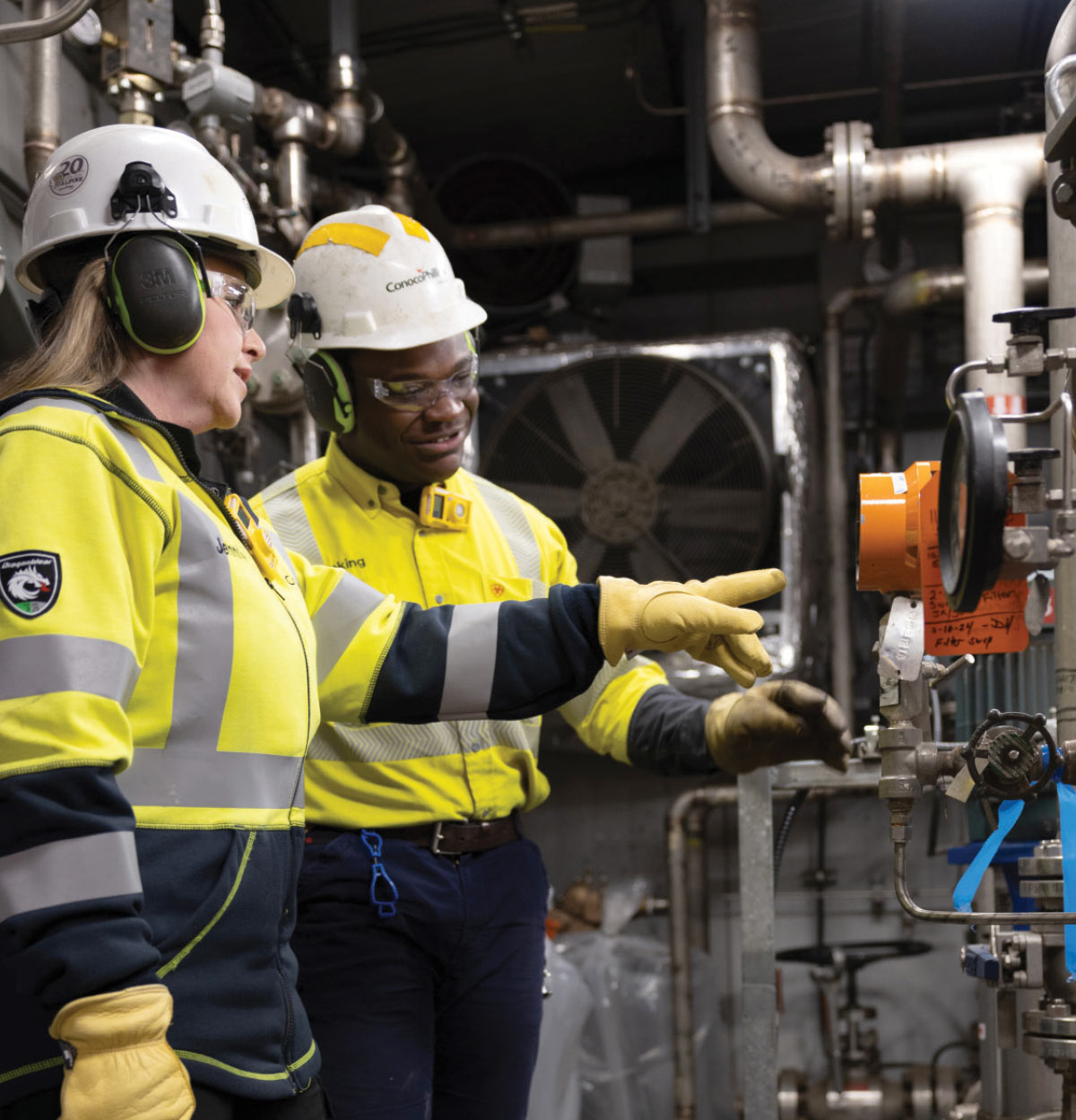
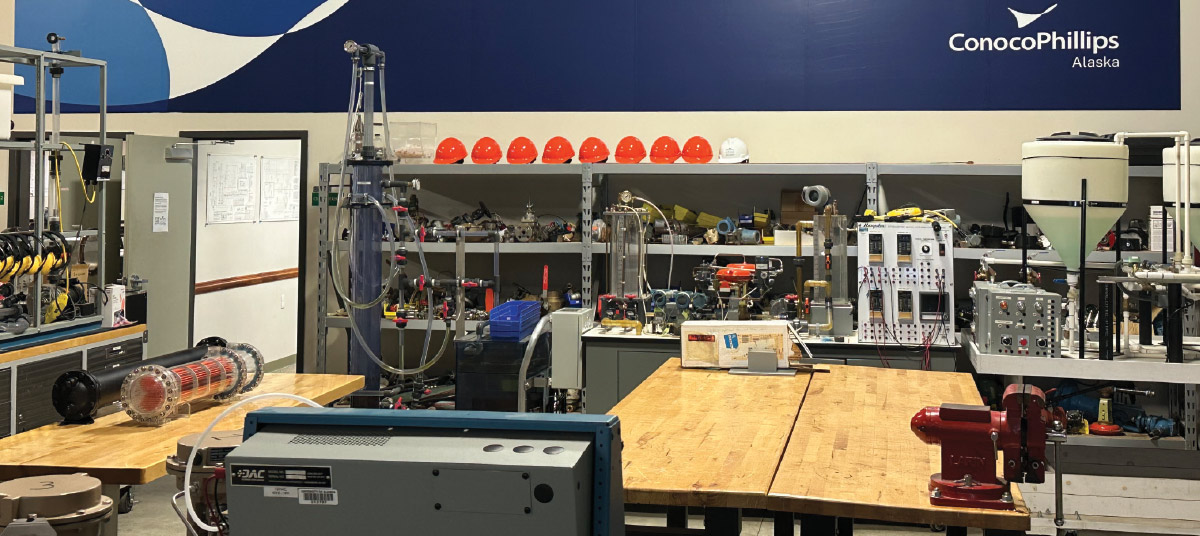
Fonger describes UAF CTC’s process technology program as a comprehensive two-year associate of science degree that focuses on several key areas: safety, knowledge, hands-on learning, and experience. The program leases an off-campus, 6,500-square-foot facility with classroom space and a hands-on shop, creating an in-person learning environment with remote access capability. “This allows each student to gain an understanding of the lecture topic and then complete various hands-on activities to allow a better understanding and knowledge of the topic,” Fonger says.
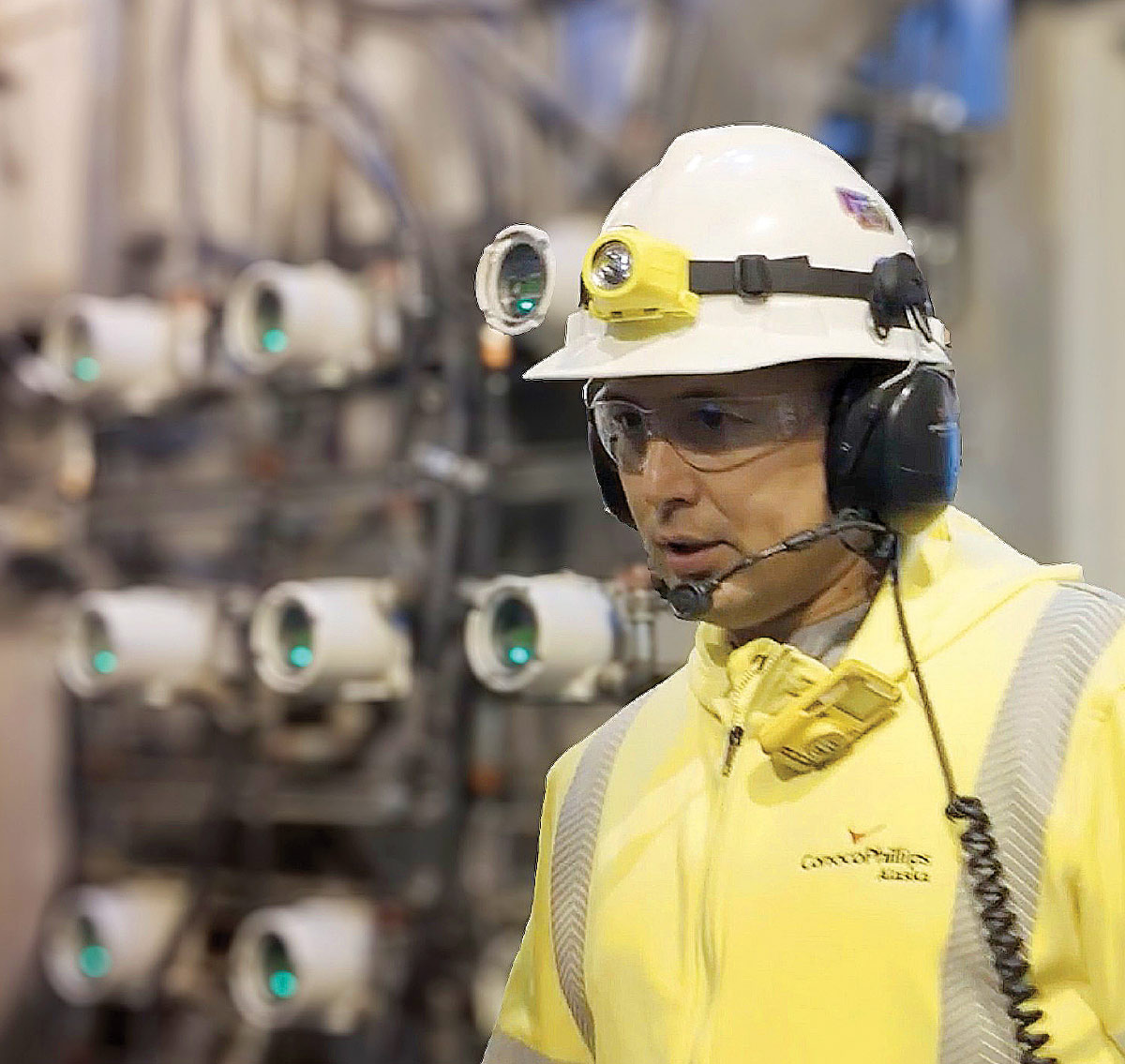
The program’s shop includes hands-on trainers as well as an operational plant with a control room. The plant is used in a variety of classes, from introduction to process technology to piping and instrumentation diagram (P&ID), operations, systems, and troubleshooting. Students prepare for real-world work environments through a safety minute before class, job safety analysis before any hands-on activity, and safety briefings, along with personal protective equipment for each situation.
Students also write plant start-up and operating procedures, which are tested and revised as needed. They use simulators to experience what it’s like to sit in the operator’s seat—starting up equipment, running operations, troubleshooting problems, and handling issues that happen during the simulation. “Parameters are input by the instructor beforehand to simulate a variety of possible issues,” Fonger explains. “This is to see how the student deals with these different scenarios.”
There are no educational prerequisites for entry into the process technology program at UAF CTC, which also offers on-demand tours of the facility. “If you are in high school, reach out and we can talk about the program, classes, and a timeline to complete the degree,” Fonger says. “Adults who are interested in the program, have questions, or are ready to sign up, can also reach out to me.”
ConocoPhillips Alaska
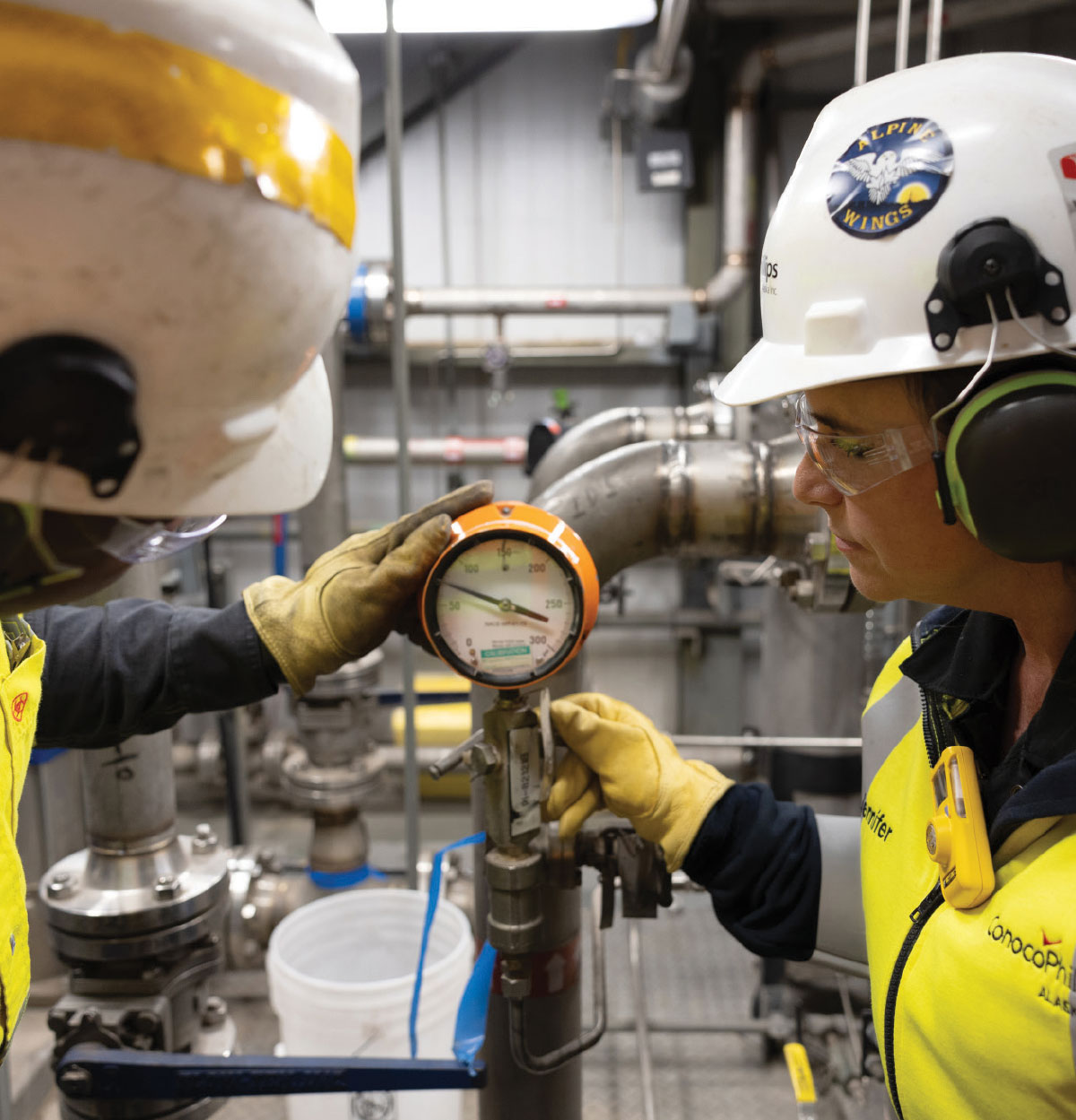
Through the program, Goss expects to gain the skills he needs to learn effectively and absorb knowledge from more experienced professionals. That foundation, he says, will help him become a capable operator who can support the growth and success of those around him.
“There isn’t a scenario where enrollment doesn’t help you in some way. You could enroll, love the program, and set off on a path full of incredible opportunities with some of the major players in the industry,” he says.
KPC’s process technology program has a strong track record. According to recent institutional data, 88 percent of KPC process technology graduates land jobs in their field within one year of graduation. Average first-year earnings exceed $84,000, and the average wage rises to about $130,000 within five years.
Fonger says many students study process technology and instrumentation at the same time. Doing so typically means taking three or four additional classes, depending on course load, but students finish with both a process technology degree and an instrumentation certification. That combination can make them more competitive job applicants. “ConocoPhillips has expressed interest in the instrumentation program expanding to include automation and other high-tech components,” Fonger says. “We have answered the request by adding three classes to help prepare for the automation as well as revamping another class to include automation.”
UAF
Programs with an online component reach more students, while hands-on portions are scheduled as space allows. For now, that is the most effective way to manage growing enrollment. At the same time, the university is looking strategically at how to expand its physical footprint—even as rising costs make that more difficult—so it can accommodate more students and meet workforce demand.
“Every trade sector is showing an increase,” Alexander says. “And, if we’re being honest, the state of Alaska is a little bit behind the power curve in building capacity to meet that demand. But that speaks to state budget challenges and massively increasing costs that are out of everyone’s control. It’s nobody’s fault really, but that’s where we are… Investments like the ConocoPhillips Process Technology Support Fund help maximize enrollments at least to our capacity as we look at ways to build.”
“My hope is that there’s a future where there is faculty salary support or the idea of a sponsored faculty where a large company like Conoco is simply paying a salary that’s competitive with the private sector so that we can recruit folks,” Alexander says. “Or there’s a partnership where they take a competent, qualified instrumentation technician and pay them to come teach for us on a temporary basis and we rotate their expertise through the classroom.”
Long term, Turner says ConocoPhillips would like its partnership with UA to make process technology a well-known, accessible path to stable, high-demand careers—especially for Alaska students who might not otherwise know about or see themselves in these roles. For Turner, success means more students earning early college credit, more modern training capacity, and more graduates stepping into jobs across Alaska’s critical industries.
“On our side, we’re also expanding career on-ramps—our goal is to increase our process tech/operator summer interns each year and offer a stronger pipeline of operator apprenticeships for post-graduates,” he says. “Together, those pieces help sustain a workforce that can support safe operations and long-term economic vitality for Alaska.”