

Track
up-and-comers,
talent for employers
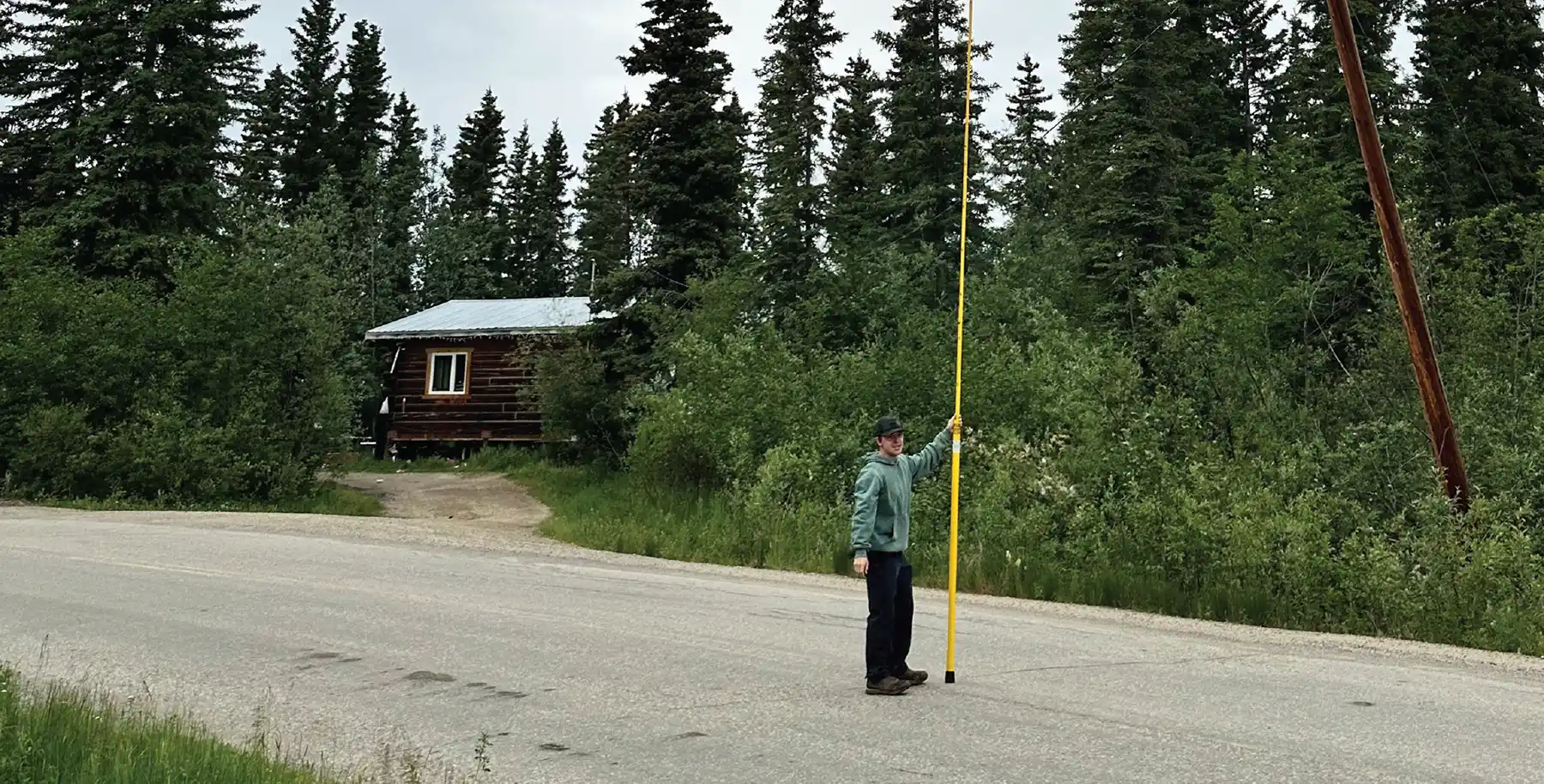
nterns can go far. For example, Calista Corporation used to have an intern by the name of Andrew Guy. Now he’s the president and CEO of the Alaska Native corporation for the Yukon-Kuskokwim Delta region.
Calista’s summer intern program is one of its most successful initiatives for guiding shareholders and descendants toward long-term, rewarding careers, according to Izayah Narull’aq Liu, a Workforce and Shareholder Development (WFSD) Specialist who coordinates Calista’s internship program. “Through this program, we aim to provide meaningful professional experience, expand access to career pathways, and cultivate the next generation of leaders across our region and industries,” he says.
Liu notes that five interns transitioned to full-time positions last year within Calista’s family of companies—a record amount for the program—working in construction, information technology, administration, and finance. And one intern began a registered mechanic apprenticeship program to continue their professional development. Currently, two members of Calista’s WFSD team are previous interns who now help coordinate the very program they once participated in—improving it from the inside out and mentoring incoming interns. Who knows; one of them might become CEO someday.
DOWL
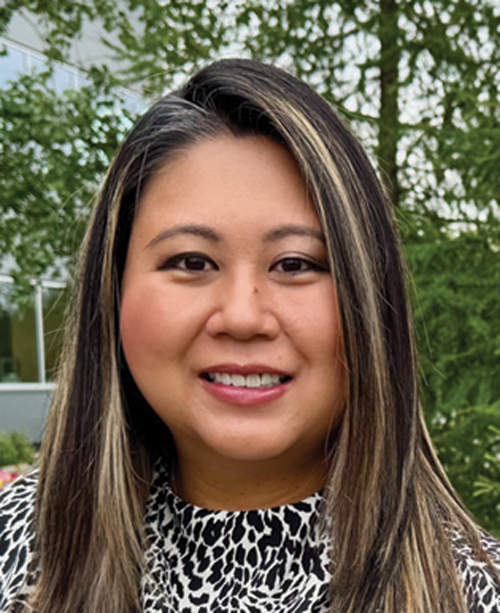
Currently, 60 percent of DOWL’s fifteen Anchorage transportation engineering staff members started as interns and now hold full-time positions at various levels, from recent graduates all the way up to a senior project manager.
Malto is one of them. Joining the company in 2006, she began working full time as a DOWL intern the summer before her senior year at UAA. “My schedule during the last year of school allowed me to continue the internship on a part-time basis and, before graduation, I was offered a full-time position,” says Malto, who has since earned master’s degrees in civil engineering and project management.
SGV International, which provides telecommunications engineering, strives to expose summer interns to the full range of services it offers. Based in Houston, Texas, and with an office in Anchorage, it creates an immersive experience. SGV’s interns get to see firsthand what a typical day looks like for its engineers and field technicians, providing them with professional role models, according to Chief Investment Officer Rob Sauermann.

SGV International
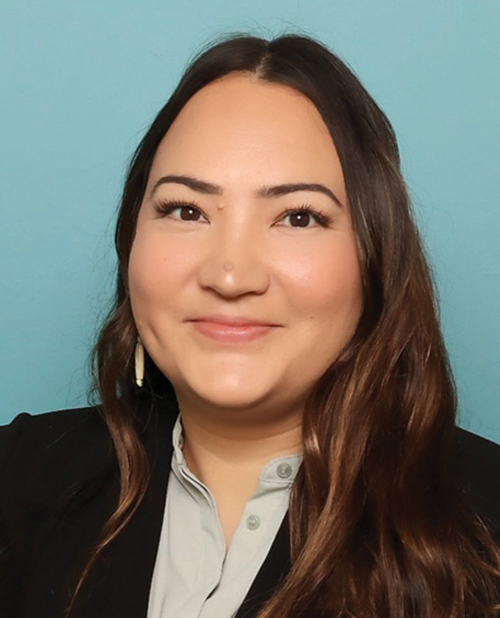
First Alaskans Institute (FAI) operates a distinct summer internship program. It places Alaska Native, American Indian, Indigenous, and rural community members and students with different organizations across Alaska to provide leadership growth and employment experience and exploration. A nonprofit foundation, FAI advances a broader mission with its internship program: to develop the capacity of Alaska Native peoples and communities and its vision of advancing and protecting Alaska Native people for the next 10,000 years.
“The program is designed to provide Indigenous youth and young professionals with opportunities to strengthen their cultural identity, grow their leadership skills, all while gaining meaningful work experience,” says Indigenous Leadership Continuum Director Jitshla Tobitha Woods. “We aim to support interns in developing a deeper understanding of how they can serve their communities, elevate Indigenous ways of knowing, and lead in all areas of life, personally and professionally.”
Since its launch in 2004, FAI’s summer internship program has placed 381 interns with more than 110 partner organizations across 26 communities statewide, Woods says.
“Our team reviews applications with the whole person in mind, considering leadership potential, community involvement, and relation to the program’s mission,” Woods says. “Once selected, interns participate in a detailed onboarding process that includes orientation, program agreements, placement matching, and preparation for success both within the workplace and in our collective learning space.”
Calista’s recruitment runs from December to March. Applicants must be shareholders or descendants, at least 18 years of age by program start, and either enrolled full-time in college or vocational training or a high school senior with proof of future enrollment. Selected interns must pass background and drug checks.
Initial interviews help Calista’s WFSD team assess candidates’ interests, backgrounds, and career goals. Interns then rank their preferred internship choices. “We host ‘meet and greets’ between candidates and hiring managers, who are given résumés and prep questions in advance,” Liu says. “Hiring managers then select a candidate, determine their wage based on HR-provided pay scales, and initiate the onboarding process.”
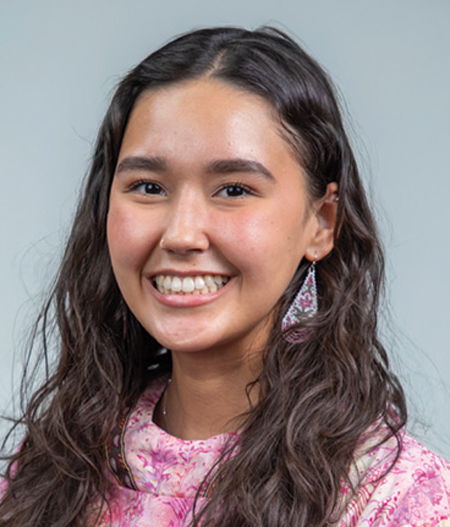
Cadence Aiyanguq Crow learned about Calista’s internship program through her mother, who follows the corporation’s Facebook page. When applications opened, Crow applied immediately and landed a position for this summer. “My main motivation to apply for Calista’s internship was to renew my connection to the people of the Calista region,” Crow says. “I understood that I don’t have experience living in the region myself, and my mom encouraged me to be a sponge and learn everything about my regional corporation.”
At SGV, there’s no formal, on-campus recruitment program for interns. Instead, the company relies on college referrals and current interns to find future candidates within and outside Alaska. “We’re looking for interns who show intellectual curiosity, initiative, and a willingness to tackle new challenges,” Sauermann says.
Sauermann encourages aspiring candidates to be proactive when pursuing an internship. That’s exactly what Kyle Patterson did. Patterson, 21 years old and a rising junior studying electrical engineering at the University of Utah, began networking last fall to secure a summer internship with SGV. He was intrigued by the company’s focus on telecommunications in Alaska. “The telecom industry is relevant to the field I wanted to explore,” he says.
For DOWL, which recruits students both in state and Outside, selecting interns is somewhat of an art, Malto says. Some students have no prior internship experience while others have one or two years of experience. Rather than focusing solely on experience, the selection process evaluates potential and interest in the relevant type of engineering.
“Luckily, we have engineering fields within our Anchorage office and, as the summer intern hiring manager, I work with the leads in those various groups to identify potential intern candidates for their groups,” Malto explains. “Once the intern starts, onboarding is a combination of the typical HR new employee processes and having the assigned mentor help familiarize the intern with our system and getting them started on their first assignments.”

Calista Corporation
DOWL’s Anchorage office has the advantage of having various experiences available. So even if interns are hired into a specific department, they can work in transportation, civil site design, geotech, environmental, and other areas. “Being able to offer that variety of work during the summer really rounds out their overall experience,” Malto says.
Interns at DOWL receive assignments like entry-level engineers do, such as estimating, signing and striping design, technical reports, conceptual layouts, and field inspections. “It’s amazing to see how developed their problem-solving skills are and their willingness to dive in and take on new tasks and assignments,” Malto notes.
First Alaskans Institute
Summer internships at FAI span ten weeks, beginning with orientation and leadership development focused on Alaska Native values. Then interns spend eight weeks in roles at partner organizations, where they take on real-world responsibilities based on their interests and career goals. “These roles range from policy research, community outreach, and project coordination to healthcare and communications,” Woods says. “Every other Friday, interns reconvene for Leadership Fridays to reflect, build skills, and connect with elders, community leaders, and one another.”
FAI also assigns each intern an Indigenous mentor to help guide their journey throughout the summer, connecting professional development with indigenous identity.
DOWL pays interns hourly rates between $22 and $30, depending on location and experience. They also offer benefits such as holiday pay and 401(k) options. “Our rates are reviewed annually based on the market and other factors,” Malto says.
Likewise, Calista bases compensation for its interns on industry standards, job scope, the location of the internship, and the intern’s experience. “We determine our pay based on current market trends to ensure our compensation remains competitive,” Liu says. “Additionally, we provide stipends distributed in three installments throughout the internship to help offset general living expenses, such as housing and transportation.”
Beyond financial compensation, summer interns reap real-world experience that can enhance their education, expertise, and career opportunities. Crow, for example, worked as a communications intern at Calista. She created social media and web content and traveled to Donlin Gold’s camp and the village of Marshall to help interview shareholders. Her proudest achievements were the Storyknife articles that she wrote for Calista’s newsletter. “Making these connections with people from my region are the moments I cherish most during my internship,” she says.
Calista Corporation
Madeline Troxell, 23, spent this summer primarily working with surface water at DOWL. Last summer, she interned with the company’s transportation group. Troxell, from Anchorage, is in her fifth and final year at Brigham Young University. During her recent internship, she was tasked with designing a bike lane for the city of Homer, designing 3D elements in AutoCAD for fish passages and habitats in rural Alaska, and assessing curb ramps along Anchorage’s Dimond Boulevard. “Learning to balance tasks and communicate with the team is important,” she says.

DOWL
“This internship has provided me with the necessary skills and experience to feel confident jumping into the hiring process post-grad,” she says. “My co-workers are great examples of different career paths that you could take in this industry and are always willing to advise me.”
SGV’s internship gave Patterson an opportunity to expand his technical expertise—and return to Anchorage this summer. He worked on a range of projects: the onboarding process, field operations preparations, and site surveys for telephone poles.
Interning at SGV was a “great experience,” and the leadership focused on prioritizing people’s needs, Patterson says. “They’ve done a good job of supporting me, making sure I’m getting out of it what I want, and making sure that what I’m doing is having an actual impact,” he says.
Malto says the efficacy of DOWL’s internship program directly relates to its ability to retain interns and offer them full-time positions. And the impact of the company’s internship program can be clearly seen during the end-of-summer presentations. “Each intern gives a five- to ten-minute presentation of what they learned or experienced during their time at DOWL, and these presentations get better and better each year,” she says. “It’s amazing to see how much an intern can learn and contribute over a three-month period.”
Calista evaluates the achievements of its internship program in several ways, including mid-term and final performance evaluations, anonymous intern feedback surveys, post-internship outcomes, and engagement with continuing development opportunities.
But the strongest indicator is seeing interns grow into long-term contributors—both within Calista and in their broader career journeys. Internship programs are more than a summer job; they’re an investment in people. “At Calista, we treat this seriously,” Liu says. “Our approach is rooted in supporting our shareholders and descendants with tools, experience, and guidance that create lasting opportunities. When our interns succeed, so does our region.”
Similarly, Woods believes internship programs like FAI’s are transformative, fostering Indigenous brilliance, serving communities, revitalizing cultural values, and increasing Indigenous representation. “We hope our model inspires other programs to center culture, mentorship, and community in developing future leaders,” she says.