
Professional Services
Manufacturing Connections
A new trade association, fresh from the assembly line
By Alexandra Kay
Alaska Manufacturing Association
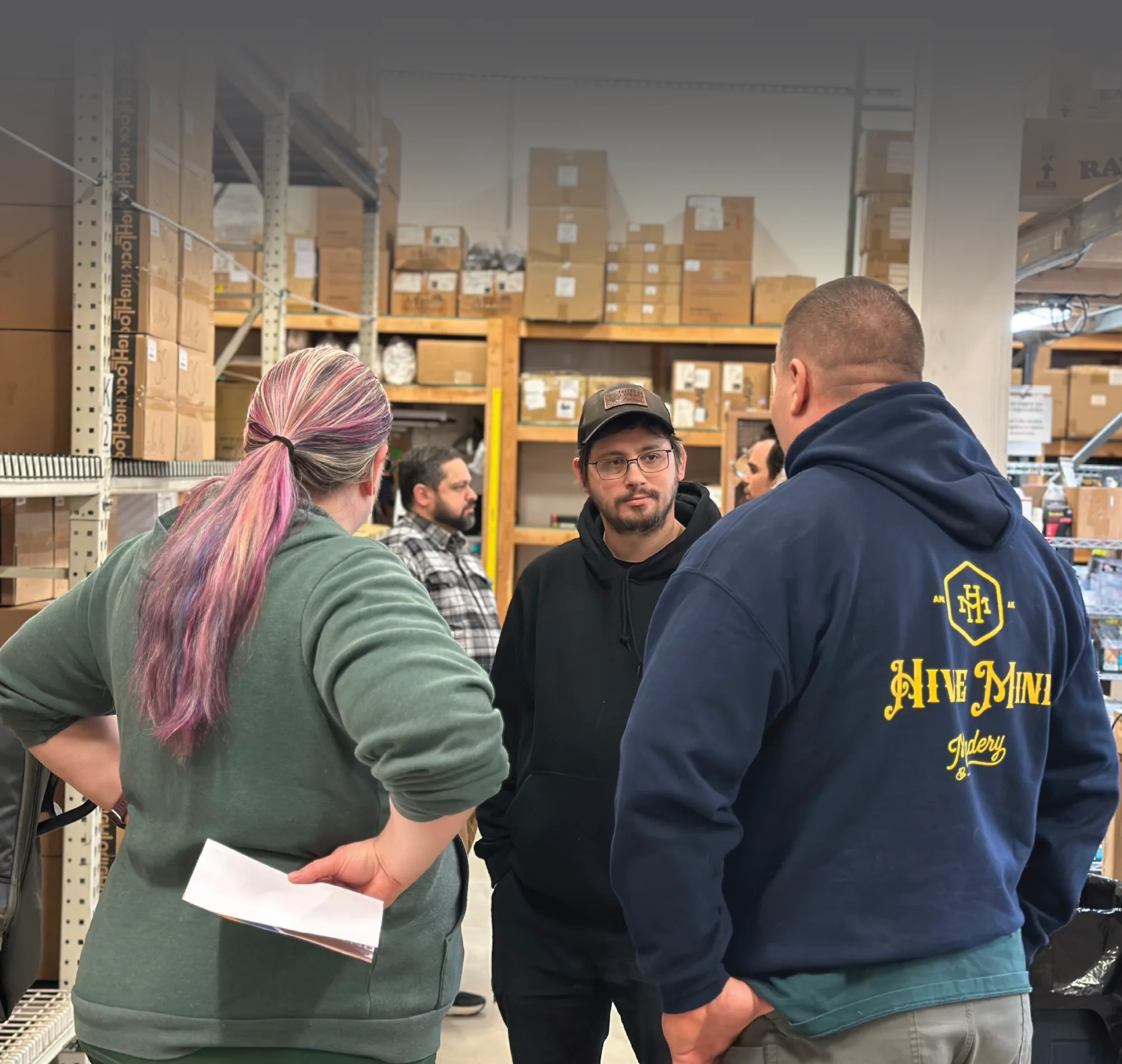
A photograph taken inside a warehouse or storage room shows a group of people having a discussion, surrounded by tall shelves stacked with cardboard boxes and inventory. In the foreground, a woman with purple-dyed hair faces a man in a black hoodie and a baseball cap, who is intently listening to a man in a dark blue "Hive Mind" hoodie seen from the back.
Alaska Manufacturing Association
Manufacturing Connections
A new trade association, fresh from the assembly line
By Alexandra Kay
W

hen Megan Militello learned that the Alaska Manufacturing Extension Partnership (MEP)—the state’s only organization dedicated to helping manufacturers—was closing its doors, she knew something had to be done. Part of a national public-private network, Alaska MEP operated through the UAA Business Enterprise Institute as a “one-stop shop” for support and advocacy. Militello was a supply chain optimization manager with the Alaska MEP team.

Seeing a void to fill, Militello and Lacey Ernandes, both with manufacturing backgrounds from their work with Elevated Oats, founded the Alaska Manufacturing Association (AKMA).
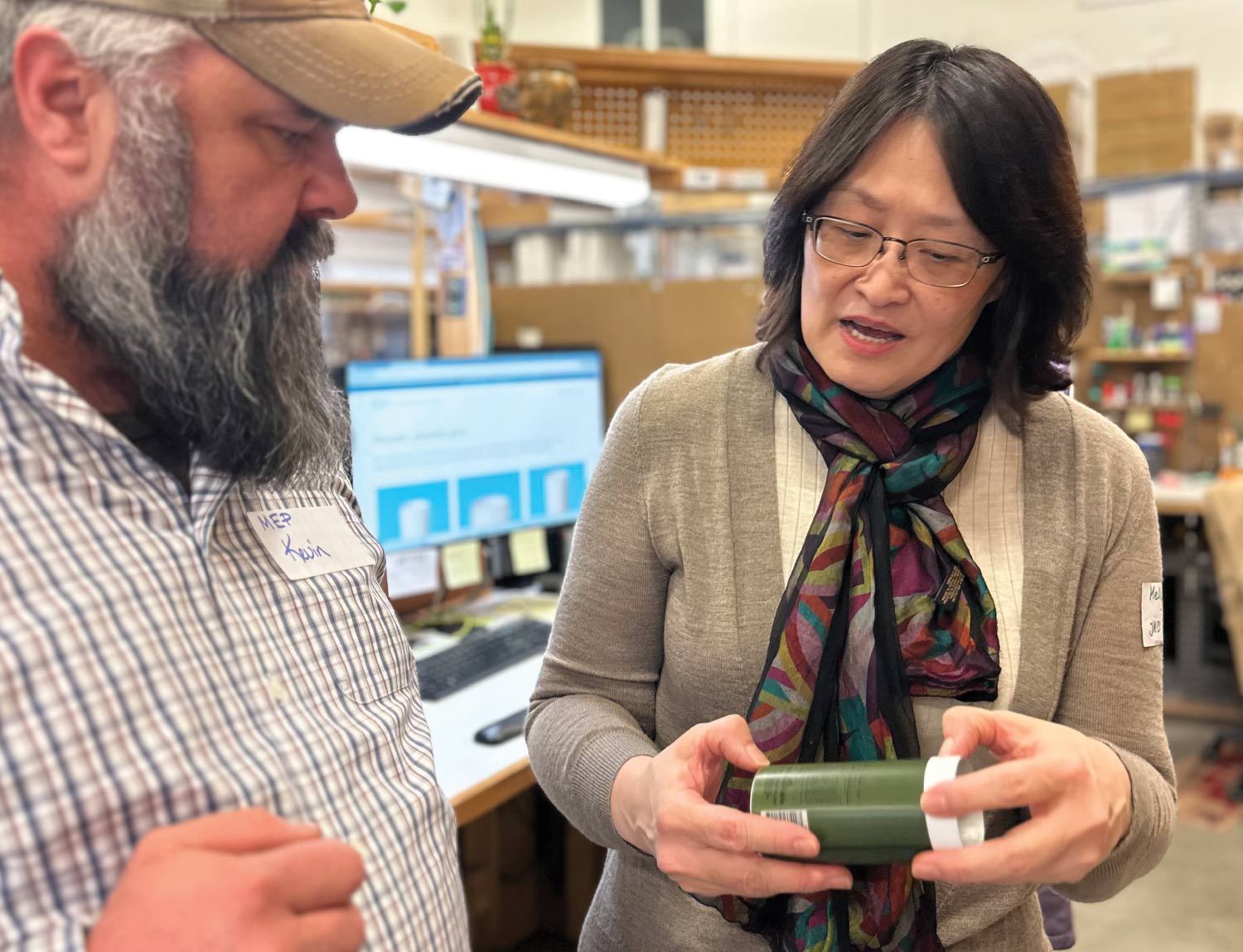
A close-up photograph shows two people in an office or workshop setting, focused on a small, olive-green cylindrical product that the woman is holding. The woman on the right, wearing a scarf and glasses, appears to be explaining the product to the man on the left, who has a long gray beard and is wearing a baseball cap and a plaid shirt with a name tag that reads "MEP Kevin."
AKMA organized a mixer event that brought together Kevin Thompson of AK Mountain Dog salmon treats with Kelly Dyer of JKD Brands packaging supply.

Alaska Manufacturing Association

“We recognized that Alaska had a need for something permanent, Alaska-led, that was dedicated to supporting our manufacturers,” Militello explains. “Not just through technical assistance but through advocacy, networking, and visibility. We wanted to make sure that that momentum didn’t get lost and that manufacturers had a seat at the table when it came to shaping Alaska’s economy.”
Filling a Critical Gap
AKMA exists to connect, support, and amplify Alaska’s manufacturing community, addressing what the founders saw as significant gaps in the business landscape. “We have no central organization that unifies, advocates for, or amplifies the voices of our manufacturers,” Militello notes. “The gap is visibility, connection, coordinating those advocacy efforts.”

Too many Alaska manufacturers were working in isolation, she says, yet they faced common challenges like logistics, regulatory hurdles, and access to markets without a unified voice or support system. AKMA brings together the people shaping the future of manufacturing in Alaska—Militello believes that if a company is building, supplying, supporting, or growing something real, it belongs at the association.

The timing was crucial. As the Alaska MEP prepared to shut down on June 30 after serving as the state’s primary manufacturing support organization for years, AKMA stepped in to ensure the manufacturing community wouldn’t lose momentum.

Untapped Engine
AKMA’s mission is straightforward: advocate, connect, and grow Alaska’s manufacturing community. “We want to make sure manufacturers of all sizes, not just the big ones, have access to resources, visibility, and a strong voice in shaping Alaska’s future,” says Ernandes.

The founders envision AKMA as more than just another business organization. “Manufacturing is an untapped economic engine in Alaska,” Militello explains. “We envision AKMA as the connector that can help diversify our economy by building local supply chains, fostering innovation, and creating jobs. We want Made in Alaska to be more than just a label—we want it to be a movement that strengthens our communities and reduces our reliance on imports.”

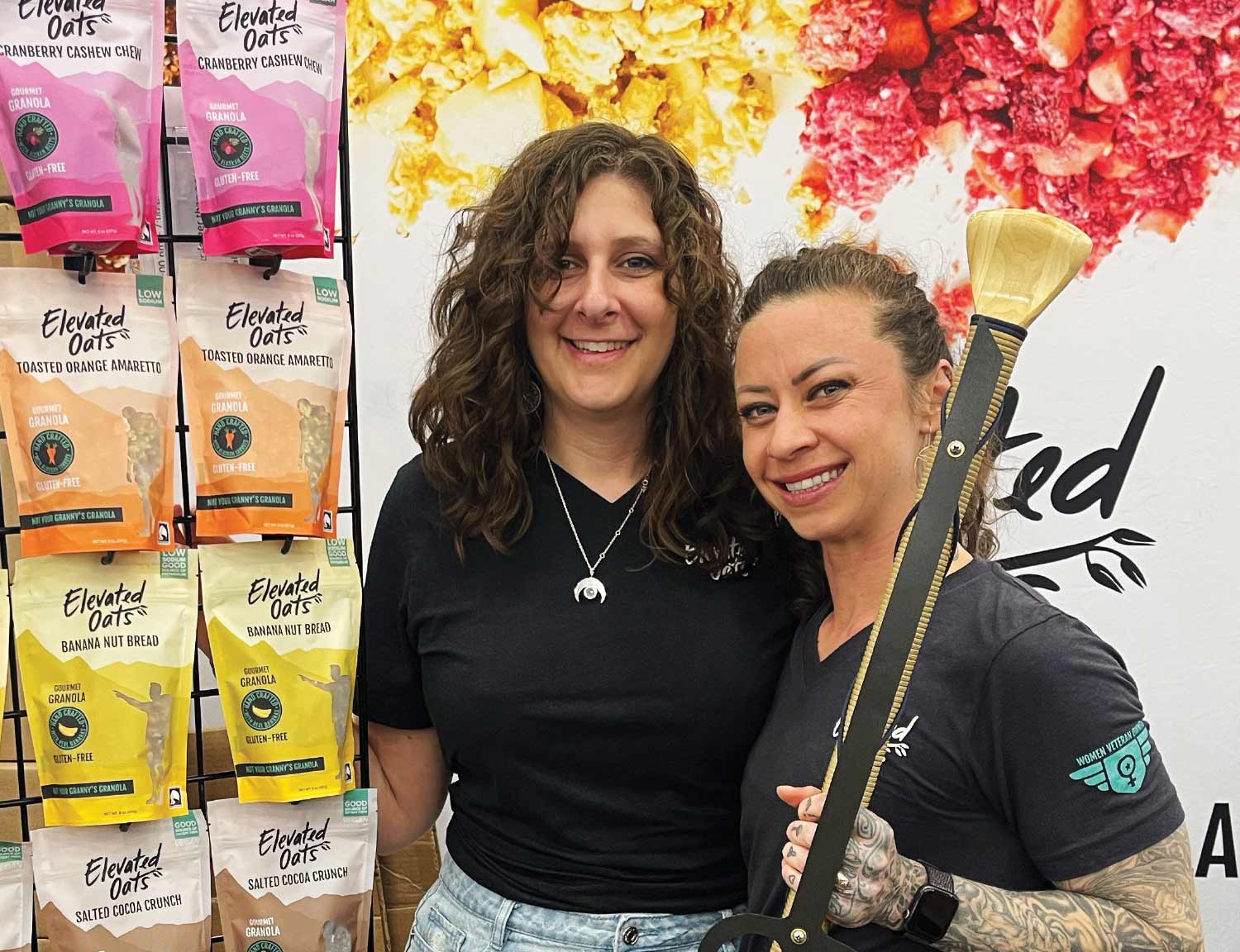
Lacey Ernandes and Megan Militello won a 2021 Veteran Startup of the Year award for their Elevated Oats

Alaska Manufacturing Association

A photo features two smiling women standing in front of a shelf stocked with various flavors of "Elevated Oats" granola in brightly colored, stand-up pouches. The woman on the right has tattoos and is holding a decorative, wooden award.
Alaska’s manufacturing landscape is more diverse than many people realize. To a first approximation, seafood exports are the vast bulk of what rolls off the state’s production lines, followed by petroleum refined for in-state use and gravel. Beyond those sectors, AKMA’s growing membership includes food and beverage producers, metal fabrication shops, outdoor gear makers, packaging companies, and everything in between. Currently at about 30 members, AKMA has ambitious growth plans, targeting 150 manufacturers within the next year.

Food and beverage manufacturing stands out as particularly strong in Alaska. “Everything from seafood processors to craft food and beverage brands to freeze-dried co-packing,” Ernandes notes. The association also sees growth in outdoor gear, construction materials, and niche products that highlight Alaska’s unique resources and ingenuity.

Militello and Ernandes aim to eventually represent about a quarter of Alaska’s estimated 700 manufacturers, which would give them diverse insights and collective knowledge to effectively advocate for the industry’s needs. From small startups to established companies, AKMA creates meaningful opportunities for growth through networking events, education, vendor partnerships, and industry collaboration for all members.
Turning Challenges into Innovation
Manufacturing in Alaska comes with specific obstacles compared to the Lower 48. “Logistics is the top one, for sure,” Militello says. “Costs and scale. Shipping materials in and products out can be expensive and slow. Energy costs are high here, and many manufacturers operate at a smaller scale, which can make it harder for financing, workforce, and distribution.”
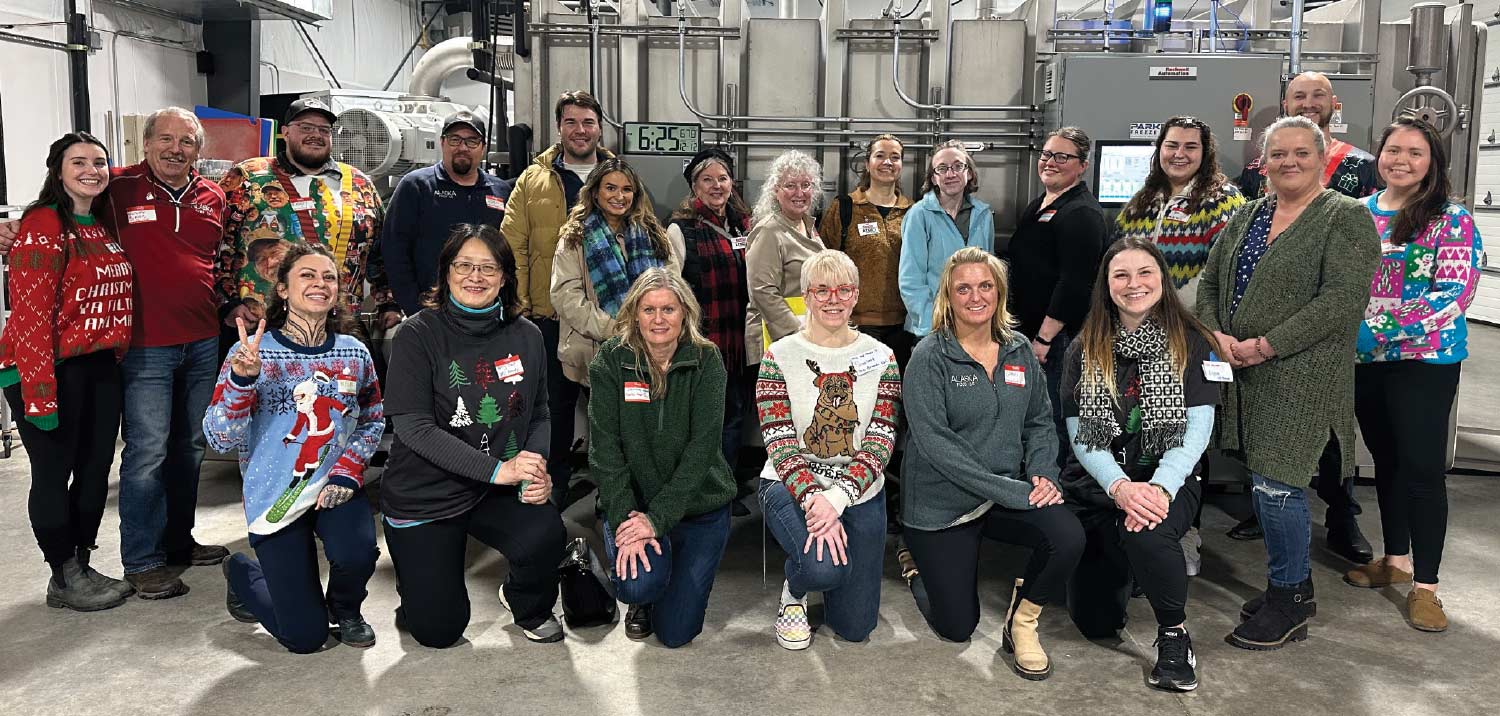
A diverse group of approximately 20 staff members pose for a group photo in what appears to be a food production or manufacturing facility, with industrial equipment visible in the background. Many of the staff, who are standing and kneeling, are wearing Christmas sweaters or other festive attire.
The Alaska Food Company freeze-drying factory in Wasilla hosted AKMA’s mixer event last winter.

Alaska Manufacturing Association

But Alaskans turn these challenges into opportunities for innovation. Take Alaska Food Company, one of AKMA’s members. The company saw the food security challenges in rural Alaska—where supply chain difficulties mean fresh produce often spoils before reaching remote villages—and became Alaska’s only Department of Environmental Conservation-approved freeze-drying manufacturing facility.

“[In] one of the rural villages, one of the stores is not buying produce after thirty years because our supply chain is just so challenging,” Militello explains. “Having the opportunity to send freeze-dried fruits, vegetables, things like that, I think is going to give completely different nutrition for the people in those villages.”

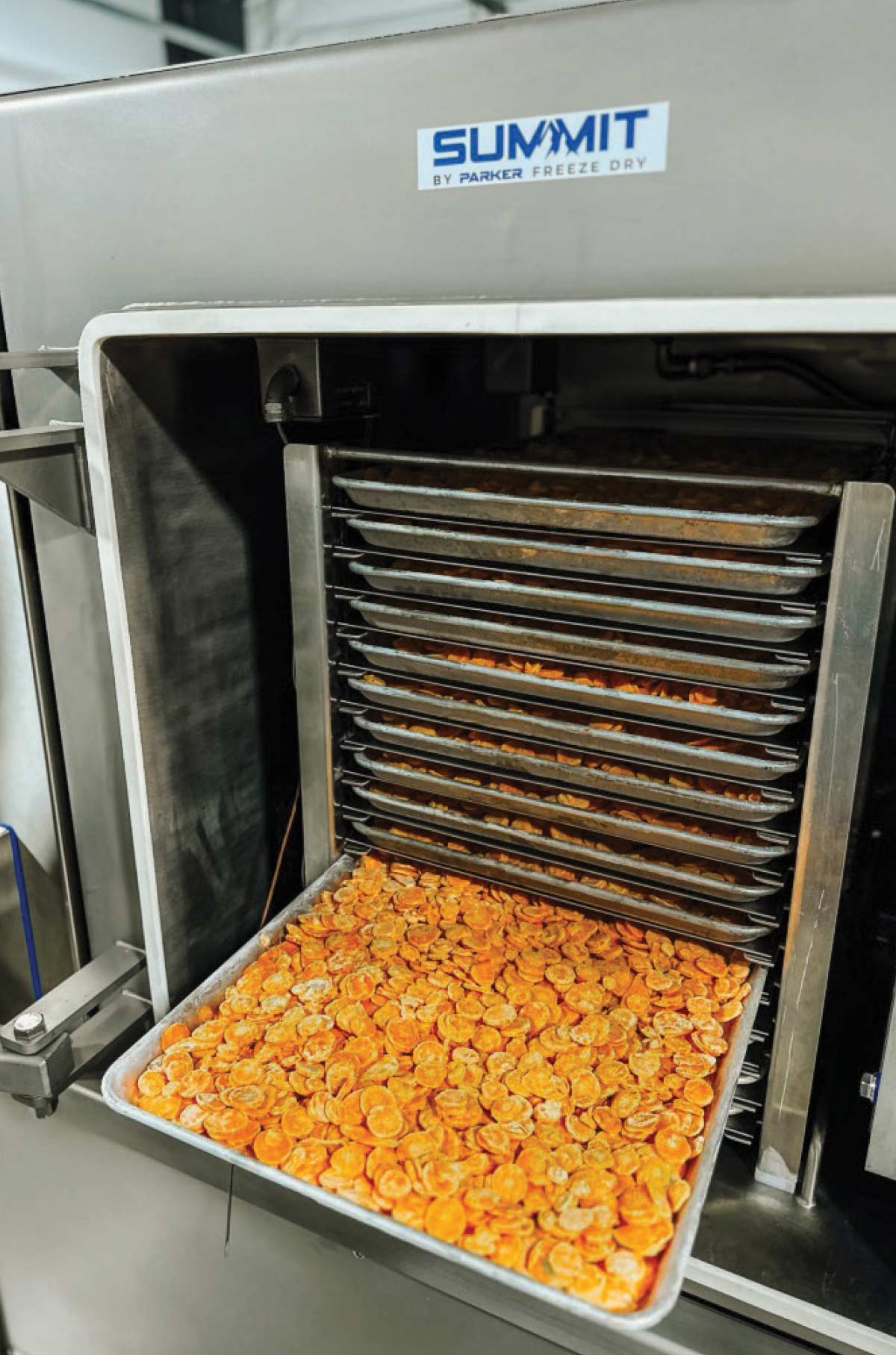
Alaska Food Company is even working to expand access by renting out smaller commercial freeze dryers from Parker Freeze Dry’s Summit line to communities so they can process their own food locally rather than shipping everything out for processing.

Building Connections and Resources
AKMA is arranging opportunities for growth through networking events, education, vendor partnerships, and industry collaboration. Its events include the quarterly MFG Mixers, which are networking gatherings that bring together “passionate makers, innovators, and business owners who understand the journey,” according to the akmfg.org website.

Beyond in-person events, AKMA hosts virtual roundtables to ensure manufacturers in rural areas aren’t left out of the conversation. The association also offers educational workshops, such as a class in how to leverage AI-enabled tools like ChatGPT. AKMA is also developing a marketing curriculum.

One of the biggest initiatives is building Alaska’s first vetted business-to-business manufacturing directory. “We connect members with vendors, agencies, [and] regulatory experts who understand what’s going on,” Militello explains. “A problem that we had when we were entrepreneurs is [that] you kind of get sent to everybody, but there’s not that one specific person where it’s like, ‘Oh, hey, go to this person.’ If we can help people get the right person in their corner right off the bat, it would make a huge difference.”

Advocacy and Policy Priorities
Both founders come from military backgrounds, and now they’re pivoting from commerce into public policy. Ernandes and Militello are building advocacy capacity by partnering with experts who understand both manufacturing and policy. They’re working with a manufacturer-lobbyist who brings firsthand industry experience to their advocacy efforts.

To amplify its advocacy, AKMA is partnering with Vessel, a veteran-owned company from Idaho that specializes in gathering data from manufacturers across states. “They’re going to help us gain a deeper understanding of manufacturers’ needs across the state,” Militello explains. “The collaboration will help us gather data and insights so that we can paint a clearer picture for legislators and policymakers on what Alaska manufacturers need most.”
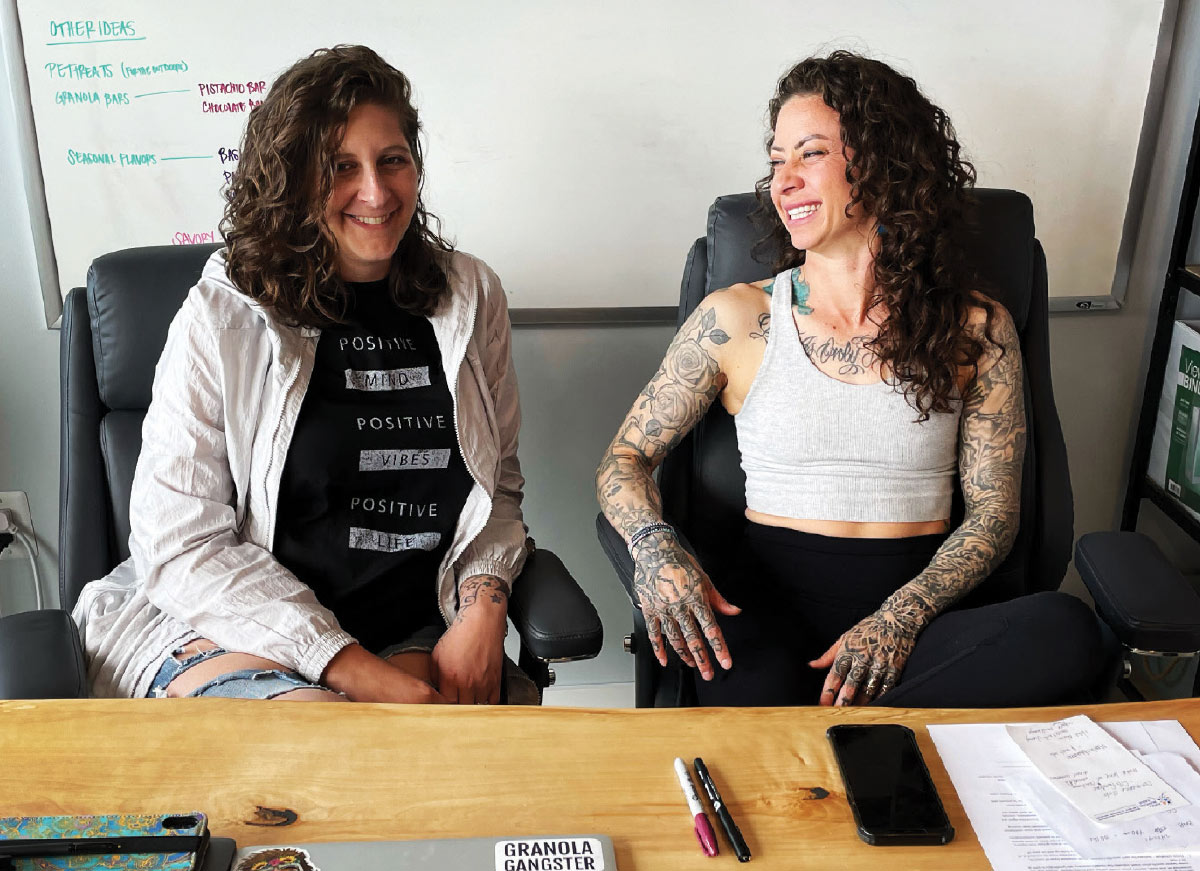
A photo features two women seated in office chairs behind a wooden desk, both smiling. The woman on the left is wearing a light jacket over a black t-shirt that reads "POSITIVE VIBES POSITIVE LIFE," while the woman on the right is wearing a light gray tank top. A whiteboard listing "OTHER IDEAS" is visible in the background.
The experience running Elevated Oats inspired Lacey Ernandes and Megan Militello to assist other Alaskans.

Alaska Manufacturing Association

Food security is the common product of Alaska Food Company’s dehydrator and AKMA’s industry assistance.

Alaska Manufacturing Association

A tray filled with a single layer of freeze fried food is pulled out of a large, stainless steel "SUMMIT by PARKER FREEZE DRY" industrial machine. Multiple trays are stacked inside the unit above the exposed tray, showcasing the commercial-scale food processing equipment.
This data-driven approach gives them credibility with policymakers. “A big part of this work is making sure we’re not just sharing anecdotes but real data,” Ernandes notes. “That’s why our collaboration with Vessel is so important. It gives us the ability to show legislators the full picture of manufacturing in Alaska with the kind of credibility and detail that drives action.”

AKMA’s policy focus centers on addressing Alaska’s unique manufacturing challenges. Its priorities include reducing logistical bottlenecks and freight costs, supporting workforce development programs aligned with manufacturer needs, and advocating for better visibility for Alaska-made products in local retail.

“You go to one of these big box stores, and the signage is like this big,” Militello says, gesturing to show how small Made in Alaska labels typically are. She and her team also want to create a stronger regulatory framework that supports small-scale and startup manufacturers.

AKMA’s approach to government relations is simple: “We show up,” Ernandes says. “We participate in roundtables, bring manufacturer voices to policymakers, and we share real stories of what’s happening on the ground.” Launching a manufacturing association has already opened doors: the two have been invited to numerous events, including Commonwealth North events on tariffs and transportation and roundtables by the US Small Business Administration.

Five-Year Vision
AKMA’s five-year vision is ambitious but grounded. Success would mean having “a robust, engaged membership that can represent all corners of Alaska, so not just the main metropolitan area, like Anchorage and the [Matanuska-Susitna] Valley,” Militello explains. She and Ernandes want recognition and influence at the policy level, a strong directory, a trade show that keeps dollars circulating within the state, and ultimately they want to see Alaska manufacturing recognized as “a thriving, visible, and growing sector of our economy.”

As membership grows, AKMA plans to expand services, bring on additional staff, and build capacity for larger events and advocacy campaigns. Militello and Ernandes are creating systems for ongoing compliance monitoring, accelerator programs, and statewide trade shows.

Looking beyond Alaska, the two have an even bigger vision. “Once we connect our manufacturers, the idea is that we can expand that to all the other states, and we’ll be able to connect our manufacturers with other American manufacturers as well,” Ernandes explains. This builds on the now-defunct SCOIN program (Supply Chain Optimization Information Network), a two-year pilot program of the National Institute of Standards and Technology that expired in mid-2025.

The 2025 Food Festival and Conference mixer in Kodiak brought experienced and aspiring manufacturers together to compare notes.

Alaska Manufacturing Association

A photograph taken inside a dimly lit crowded brewery or pub shows two people in the foreground talking near a table with paperwork and drinks. The woman is smiling, wearing a bright red and blue jacket, and holding up a small glass of beer toward the man in a tan hooded sweatshirt, while many other patrons are visible seated at tables and the bar in the background.
The Bigger Picture
Manufacturing in Alaska is often overshadowed by oil, gas, and fishing, but it quietly contributes thousands of jobs and millions of dollars in economic activity. Ernandes points out, “When you support local manufacturers, you’re not just buying a product, you’re supporting jobs, innovation, and resilience in our state.”

She and Militello see significant opportunities ahead for AKMA in local food security, mariculture (particularly kelp in the Kodiak area), construction materials, renewable energy technology, and value-added resource processing. “We had that virtual roundtable, and manufacturers shared what was missing in the state, like the finishing, or the value-added processing,” Militello notes.

She gives the example of a tea producer in Soldotna who wants to use local ingredients but can’t find anyone who grows and processes mint locally. Militello asks, “We have so many carrots and root vegetables that are grown here, but then where is that next step? Where is that value-added processing so that we can have these crops year-round for Alaskans?”

AKMA is more than an event series or directory—it’s a growing ecosystem built by and for Alaska’s manufacturing community. Through its work connecting makers, vendors, and innovators, AKMA is not just supporting individual businesses, it’s building the foundation for a more diverse, resilient Alaska economy. For Alaska’s manufacturers, the message is clear: You don’t have to work in isolation anymore.