

ith the fewest farms of any state, Alaska has immense potential for increased production. The US Department of Agriculture’s census of the industry, based on data collected in 2022 and released in 2024, counted 1,173 farms in Alaska with a market value of agricultural products sold totaling nearly $91 million.
The market value of vegetable crops grown in Alaska, including the state’s significant nursery and greenhouse industry, totaled nearly $40 million in 2022. Just over half of that total ($21.6 million) came from nursery, greenhouse, floriculture, and sod crops. The market value of livestock, poultry, and their products—including beef, pork, chicken, dairy, and eggs—totaled more than $51 million.
The number of farms in Alaska has increased by 18 percent since 2017. In the last twenty-three years, the number has nearly doubled, growing by 93 percent since 2002. The average size of an Alaska farm is 742 acres, and there are 869,852 acres in production statewide. Also notable: 47 percent of Alaska farmers are women.
The last US Department of Agriculture census counted 2,045 Alaskan farmers, 327 more than the 2017 census, and 791 of the producers are new to the industry. “Those new farmers are primarily growing crops on less than nine acres. They’re also selling through farm stands, farmer’s markets, and community-supported agriculture programs. What that tells me is that the financially viable option for farmers is direct consumer sales,” says Tanana Valley Farmer’s Market executive director Brad St. Pierre. “The agriculture industry in Alaska has a lot of potential.”
“VanderWeele is the biggest vegetable farmer in the state, and you can find his carrots, lettuce, and broccoli in Fred Meyer and Safeway,” says St. Pierre. “But he still, to this day, sells at the farmer’s market in Anchorage. He believes it is important for people to meet the farmer. I often tell people that the markets are not high-tech, but they are high touch. That interaction sets this apart from buying things in the store. And having a presence in the community is a powerful thing for a farmer.”
With a strong retail presence, VanderWeele Farm is an exception in Alaska. Most farmers sell exclusively through stands, markets, and community-supported agriculture (CSA) programs.
CSAs establish direct connections between agricultural producers and consumers. Under this model, community members purchase a share or subscription from a local farmer at the onset of the growing season. This advance capital enables farmers to cover initial costs, while shareholders receive regular distributions of fresh, seasonal produce—and occasionally flowers, meat, or eggs. Farmers benefit from greater financial stability through guaranteed income, and consumers gain access to high-quality, locally sourced food and a direct relationship with their producers.
Selecting locally grown produce enables consumers to lower the carbon footprint associated with extensive transportation and packaging processes, contributing to decreased pollution and waste generation. Supporting local farmers and producers sustains economic circulation within the community, facilitates job creation, and provides opportunities for small businesses to prosper. Furthermore, purchasing foods close to their source often means they are harvested at peak ripeness, resulting in superior nutrition and flavor compared to products transported thousands of miles.
Additionally, getting to know local growers can spark greater appreciation for where food comes from and promote sustainable agricultural practices. A strong local food network means communities can better withstand disruptions in global supply chains, providing a dependable source of food during emergencies or shortages. Altogether, these benefits underscore the importance of nurturing and investing in local food systems for the well-being of both people and the environment.
Despite that importance, it has been estimated that only 5 percent of foods Alaskans eat are produced within the state’s borders.
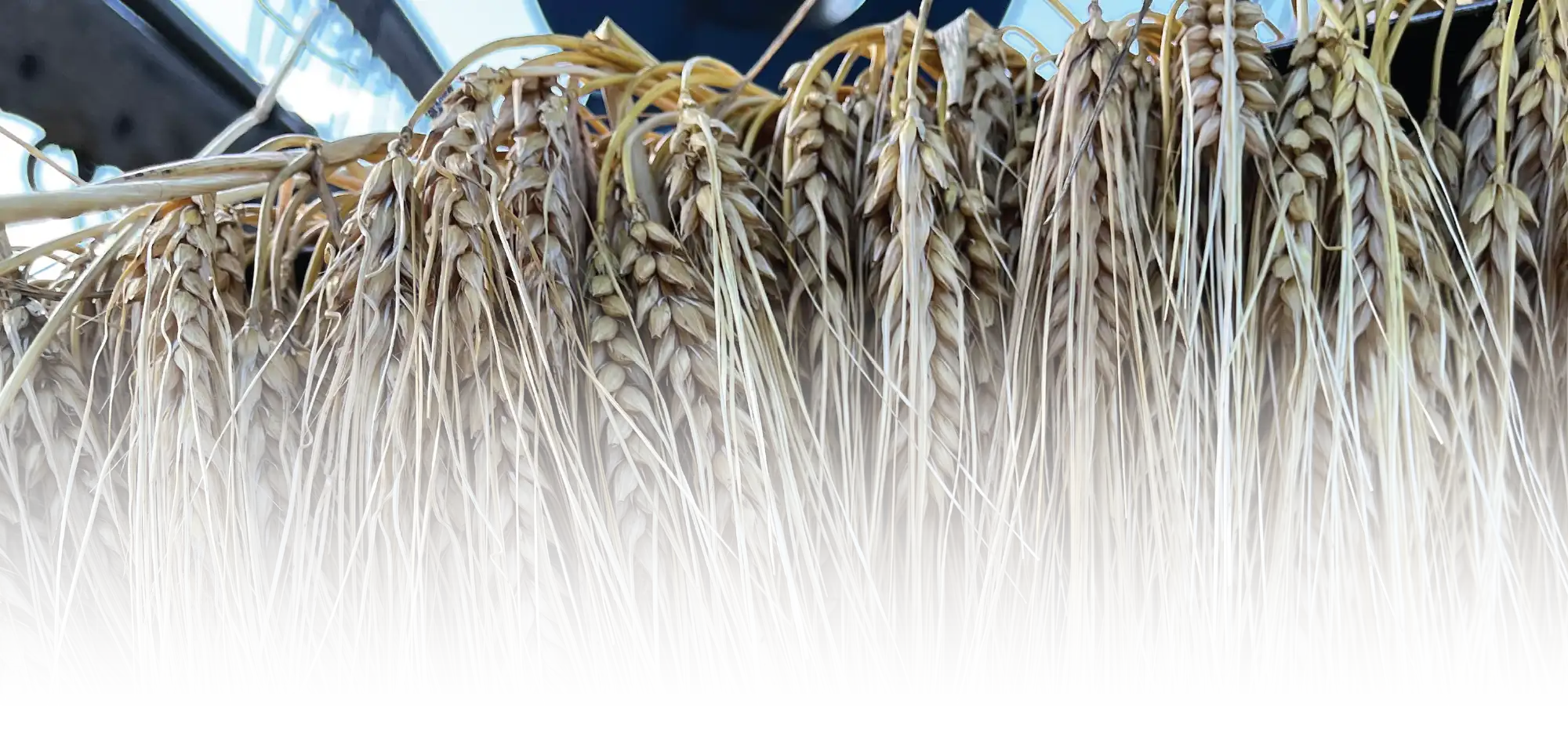
Growing food at high latitudes presents several challenges, including short growing seasons, extended daylight hours (for crops that need darkness for certain physiological processes), and occasional mid-season frosts. Researchers at the UAF Agricultural and Forestry Experiment Station address these conditions by developing varieties of barley, wheat, sunflower, berries, potatoes, and other vegetables that are suitable for northern environments. Studies focus on cover-crop performance, soil health, greenhouse light efficiency, plant nutrient content, invasive species and pest management, and the persistence of pesticides and herbicides in cold soils. These findings offer scientific guidance for both commercial agricultural operations and home gardeners.
This research is credited with creating a market for Alaska’s only agricultural export, the peony. Commercial floriculture began at UAF’s School of Natural Resources and Environment when Patricia Holloway identified the commercial potential of the peony industry in Alaska—the only place where peonies bloom from June through August. Thanks to her research and public education efforts, there are now more than 100 members in the Alaska Peony Growers Association.
In addition to university-led research, farmers get creative: they utilize structures such as high tunnels and greenhouses to extend the growing season, protect plants from frost, and initiate seedlings earlier. Raised beds and warming the soil makes it possible to grow more crops even in harsh conditions.
In summer, crops make the most of the extended hours of daylight (from April to September), which encourages bumper harvests. Everything from potatoes and peas to pumpkins and poinsettias grows in the season of unlimited sunshine. Farmers use greenhouses to extend the season for warm-weather crops such as tomatoes, cucumbers, and herbs.
Livestock farming in Alaska primarily focuses on cattle, pigs, chickens, and goats. Many farmers in the region prioritize animal welfare and sustainable farming practices, ensuring that animals are raised humanely and in harmony with the environment.
During the short but highly productive summer months, livestock are typically raised on open pastures, capitalizing on the abundant grazing land. In the colder winter months, farmers use stored feed to sustain their animals, a practice that helps maintain the health of their livestock despite harsh weather conditions. It also creates a market for farmers to sell Alaska’s most abundant crop: hay.
In January 2025, Governor Mike Dunleavy signed an executive order establishing a cabinet-level state agriculture department. He stated in a press release, “The establishment of a Department of Agriculture has been thoroughly analyzed over the past three years and has been the top priority of the Alaska Farm Bureau for decades. Others view this action as growing government. To the contrary, this action in fact removes a layer of government that currently stands between the needs of the agriculture industry and the governor and legislature. By establishing a department, we will ensure that agriculture has a seat at the table whether it is in the governor’s cabinet room or at a committee in the legislature, now and in the future.”
Some Alaska residents and businesses question the need for this designation. “People often say the industry is growing and we’re moving in the right direction, why should we spend more government money on this?” shares Seitz, who raises sheep at Lancashire Farm in Soldotna. “I always respond by noting that our big industries did not get to where they are without state support. Just think of where agriculture could be if there had been a strong support system through all these years.”
The Alaska House and Senate voted by a narrow margin in March to override the executive order, preferring to establish the department by legislation. Dunleavy reissued the executive order, and House and Senate leaders have now filed a lawsuit challenging the governor’s authority to do so.
The merit of a standalone department is not necessarily in question. Representative Sara Hannan of Juneau, who chairs the Legislative Council, says, “The 34th Legislature still may create a Department of Agriculture, but the executive order action of creating that and attempting to do it in a special session and after an executive order has been rejected, those are the legal questions that we need addressed.”
Elevating the Division of Agriculture to a cabinet-level department was the top recommendation of the Alaska Food Strategy Task Force, when it completed a final report ahead of the 2025 legislative session.
The number of markets has increased from thirteen in 2006 to sixty-five in 2023. AFMA maintains a comprehensive statewide directory featuring these (now sixty-six) markets, as well as local food hubs, CSAs, and farm stands, ensuring that both residents and visitors can easily locate sources for healthy, locally produced food.
A robust resource library and the Alaska Farmer’s Markets Toolkit provide support to farmer’s markets throughout the state. AFMA also educates farmers and market organizers to improve food security by providing access to local foods in the heart of communities.
AFMA is also looking toward the growth of the agricultural industry by focusing on the next generation of young farmers and is launching an Alaska chapter of the National Young Farmers Coalition. This nationwide, farmer-led, grassroots organization focuses on shifting power and changing policy to support the new generation of working farmers equitably. The organization is calling for farm policy that will deliver a bright future for young farmers and ranchers across the United States.
Alaska’s agricultural sector demonstrates significant potential, grounded in the resilience and innovation of its farming community. By developing advanced cultivation methods and promoting sustainable food systems, farmers in Alaska continue to demonstrate that the region can support productive agriculture and reliably supply its population, regardless of weather conditions.
Over the past twenty-five years, the Alaska peony industry has grown from one research plot at the UAF Georgeson Botanical Garden to an international marketplace with about 100 commercial growers. Today, peonies are largely a direct-to-consumer cut flower business and bring in a quarter of the state’s horticulture industry’s $90.9 million in annual revenue. “Alaska is number one in the nation for peony farms,” says Pat Holloway, a UAF professor emeritus of horticulture.
Some growers are looking beyond the blooms, seeing peonies as a source of edible oil, flavorings, food dyes, corrosion inhibitors and antibiotics. Peonies could even be used to fight tooth decay.
For example, peony seeds are used in China to make a cooking oil, Holloway says. But peony seeds are hard to get in Alaska because the state’s short growing season doesn’t allow commercially grown peonies to mature enough to create seeds. An exception is bushy peony, Paeonia anomala, known locally as Jana’s peony. Holloway is looking at Jana’s peony and others that may contribute to a future oilseed line.
Mike Williams, owner of EagleSong Peony Farm, is pursuing an alternative use, investigating the market for botanical peony extracts. “Peonies contain a large amount of bioactive substances,” Williams says. “The entire plant can be used.”
Peony blooms can yield flavorings and food dyes. An anti-corrosion extract from the foliage may be added to metals used to build bridges, ships, and pipelines. Antioxidants extracted from the flowers and roots of peonies could treat tooth decay.
Williams is already at work, utilizing a commercial distiller he acquired in 2023. He says, “We’re going to create an extract that we can distill, dehydrate, and package, which could have a shelf life of twenty years.”