

Steering Committee
Community collaboration on the Chukchi Sea coast
Olgoonik Corporation
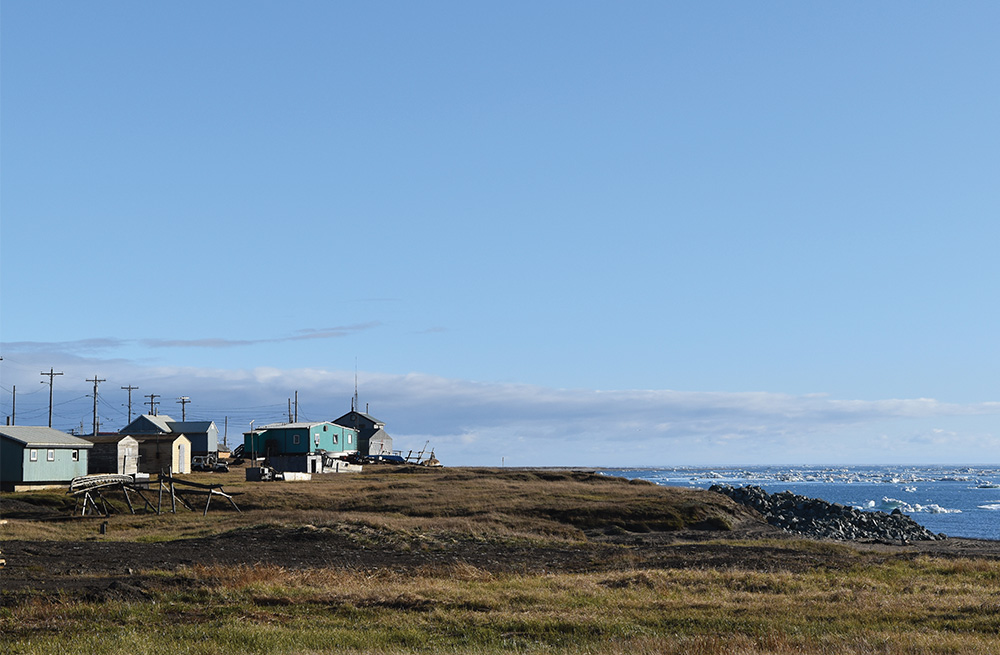
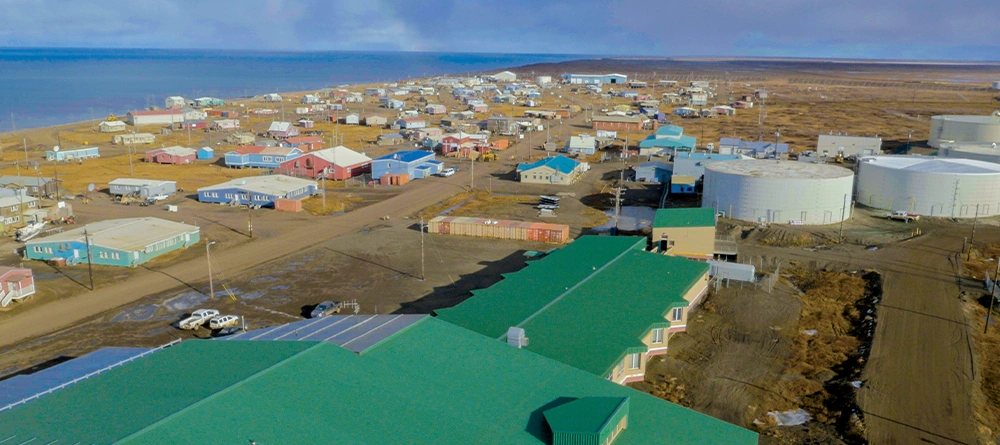
ituated on the coast of the Chukchi Sea, Wainwright is among the northernmost communities in the United States. With a primarily Iñupiat population of more than 600 people, the village known locally as Ulguniq integrates longstanding subsistence practices with an expanding presence in Arctic logistics, energy initiatives, and regional development efforts.
The Wainwright Steering Committee (WSC) is an umbrella organization to coordinate among local government, tribal leaders, corporate partners, and community organizations from the Village of Wainwright, the City of Wainwright, and Olgoonik Corporation. The committee helps set priorities for community planning, infrastructure, workforce development, and social services. Its work ensures that major projects match local needs and long-term goals. By providing a space for collaboration and accountability, the WSC is key to managing change, overcoming challenges, and ensuring that Wainwright’s development benefits the community rather than creating problems.
The City of Wainwright, a second-class city within the North Slope Borough, oversees municipal services such as the boat harbor, community center, playgrounds, ice cellars, and cemeteries. The city government is supported by state funding, grants, and donations.
The Village of Wainwright, a federally recognized tribe, stewards and develops tribal lands and resources in accordance with tribal, customary, and federal law while safeguarding the cultural and social interests of its members. In addition to engaging in government-to-government relations and securing public and private grants, the Village operates essential community services, including the food bank, tribal records, and the local childcare center.
Olgoonik Corporation is the Alaska Native village corporation overseeing lands and assets owned by its 1,680 shareholders, all of whom have a direct lineal connection to Wainwright. Olgoonik Corporation operates worldwide as a federal contractor and locally with community-serving enterprises that anchor the village. As steward of roughly 175,000 acres of surface estate surrounding Wainwright, the corporation manages land for traditional use and future economic development opportunities adjacent to the Chukchi Sea and the National Petroleum Reserve-Alaska.
Olgoonik Corporation
These assets not only create jobs and deliver essential services to this isolated Arctic community but also position Olgoonik as a valuable partner to private companies and government agencies on larger Arctic projects.
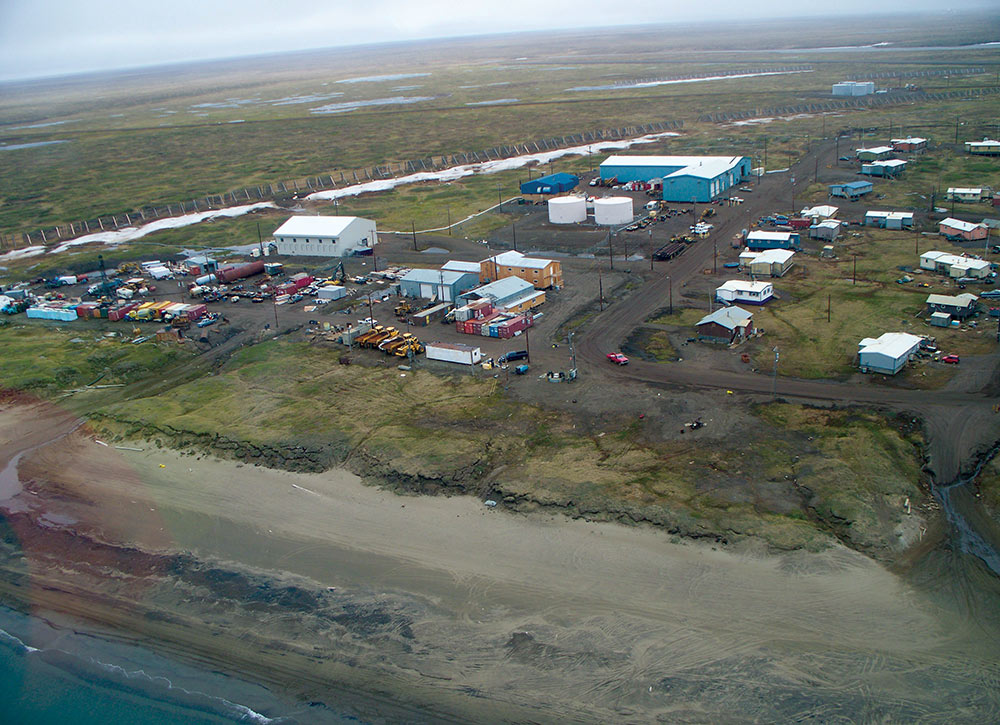
A nearby lagoon was named in 1826 for English naval officer John Wainwright, no relation to US Army General Jonathan Wainwright, namesake of the Interior military post.
Olgoonik Corporation
Olgoonik Corporation

Wainwright was the ultimate “turnagain” for Captain James Cook, where he decided in 1778 that the Northwest Passage was not navigable.
Olgoonik Corporation
“Most of the 600-plus residents in our community are affiliated with all three entities—city residents, tribal members, and corporation shareholders,” explains Bockenstedt. “For issues with broad community impact, the WSC founders decided it would be helpful to establish a central forum where representatives from each entity could hold joint discussions and hear from individuals interested in doing business in or near our community.”
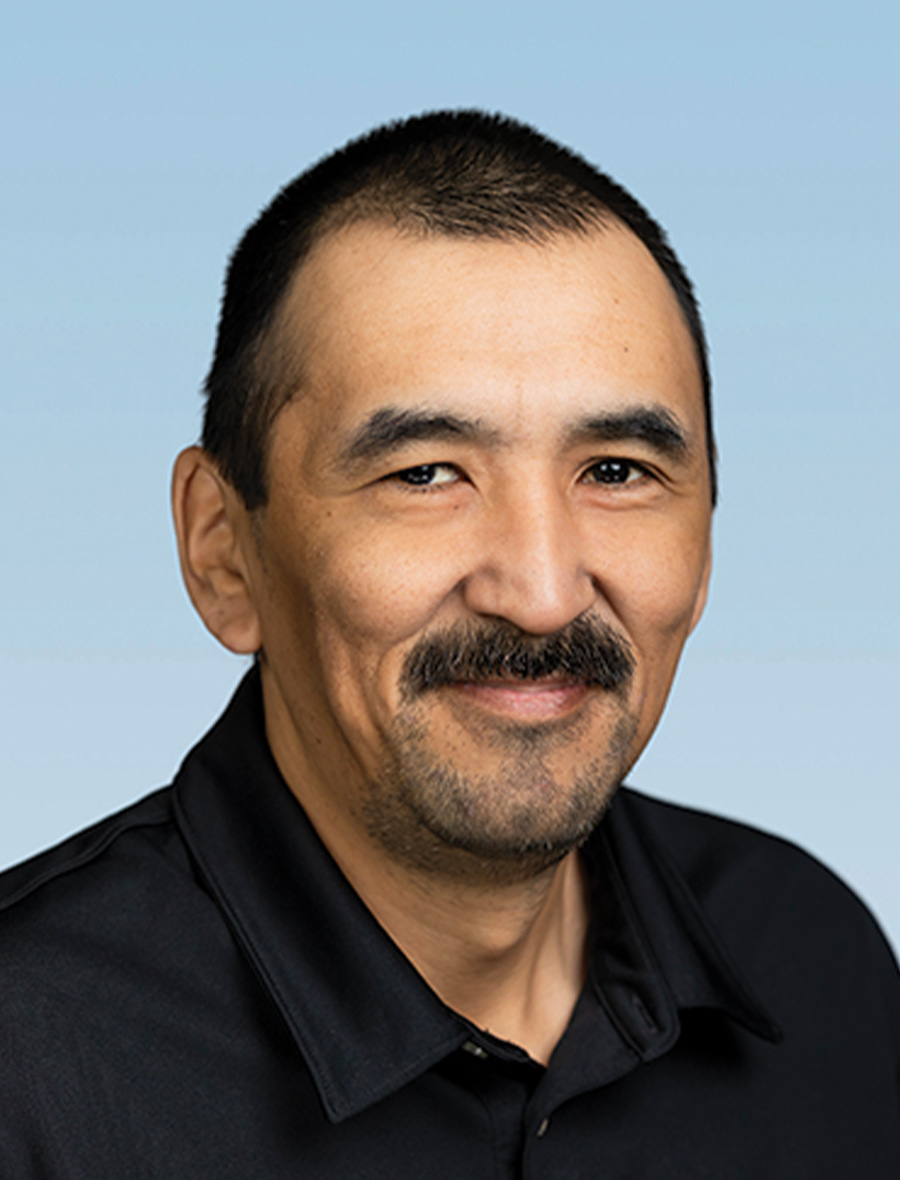
“The most important thing, in my opinion, is coming together at the same table,” says Olgoonik Corporation board chair Oliver Peetook.
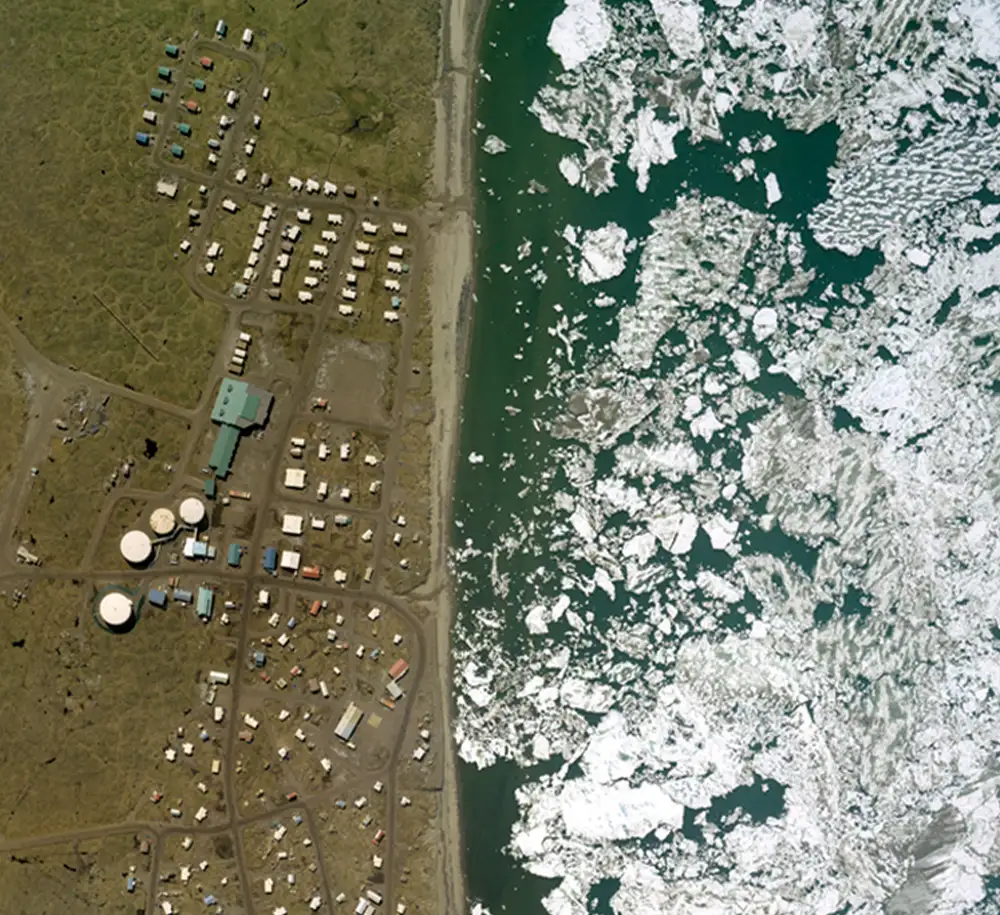
One important task WSC came together to achieve in 2025 was the North Slope Borough Capital Improvement Program priority list. Following meetings among its members, the WSC reconciled its community priorities for 2026, with the top three being the North Slope Borough’s investment in coastal erosion mitigation, a new landfill, and another snow fence to protect infrastructure from windblown drifts.
“Our landfill is really close to the coast, and with coastal erosion happening so fast, it’s a matter of time before the dumps we have now will be in the ocean. We need to get the landfill away from the ocean,” says Peetook.
Local leaders are working together to plan adaptation responses, such as the relocation of waste facilities farther inland and studying seawalls or other erosion-mitigation structures as part of long-term community planning.
Olgoonik Corporation
Another priority Peetook would like to see in Wainwright involves the creation of a municipal cellar reserve. The shared reserve would support households, especially elders and young families, in creating and maintaining ice cellars that safely store harvested whale, seal, fish, and other subsistence foods, even as permafrost and weather patterns continue to change.
“A municipal cellar reserve in the city, a small plot where our community members can build ice cellars for their families, is especially important in our community,” says Peetook. “When you have an ice cellar for your family, it shows that you’re building roots in that community. You can set your family up for generations.”
Equally important is Wainwright’s commitment to sustainable growth rooted in culture and community. Subsistence hunting, fishing, and whaling remain central to local life, reinforcing food security and cultural continuity while shaping how development is approached. For businesses seeking to operate in the Arctic, Wainwright demonstrates how Indigenous leadership, environmental responsibility, and economic opportunity can advance together in one of the world’s most demanding and promising frontiers.
The key to maintaining the balance of priorities lies in the collaborative efforts of community leaders. “When all the different entities and leaders in the community gather together at the same table and use the resources we are in charge of to do what the tribe, corporation, and municipality needs—progress is possible,” says Peetook. “At the end of the day, we all serve the same people and have a lot of the same interests. Working together makes the most sense and produces the same fruit.”