

nhabited for more than 2,000 years, St. Lawrence Island near the Bering Strait sustains a population of more than 1,400 mostly Siberian Yupik people with its local bounty of seabirds, marine mammals, fish, and imported ungulates. Archaeologists have uncovered signs of ancient famines, however, as a record of the island’s precarious food security. Savoonga, the largest community on the island, is taking steps to strengthen its food independence.
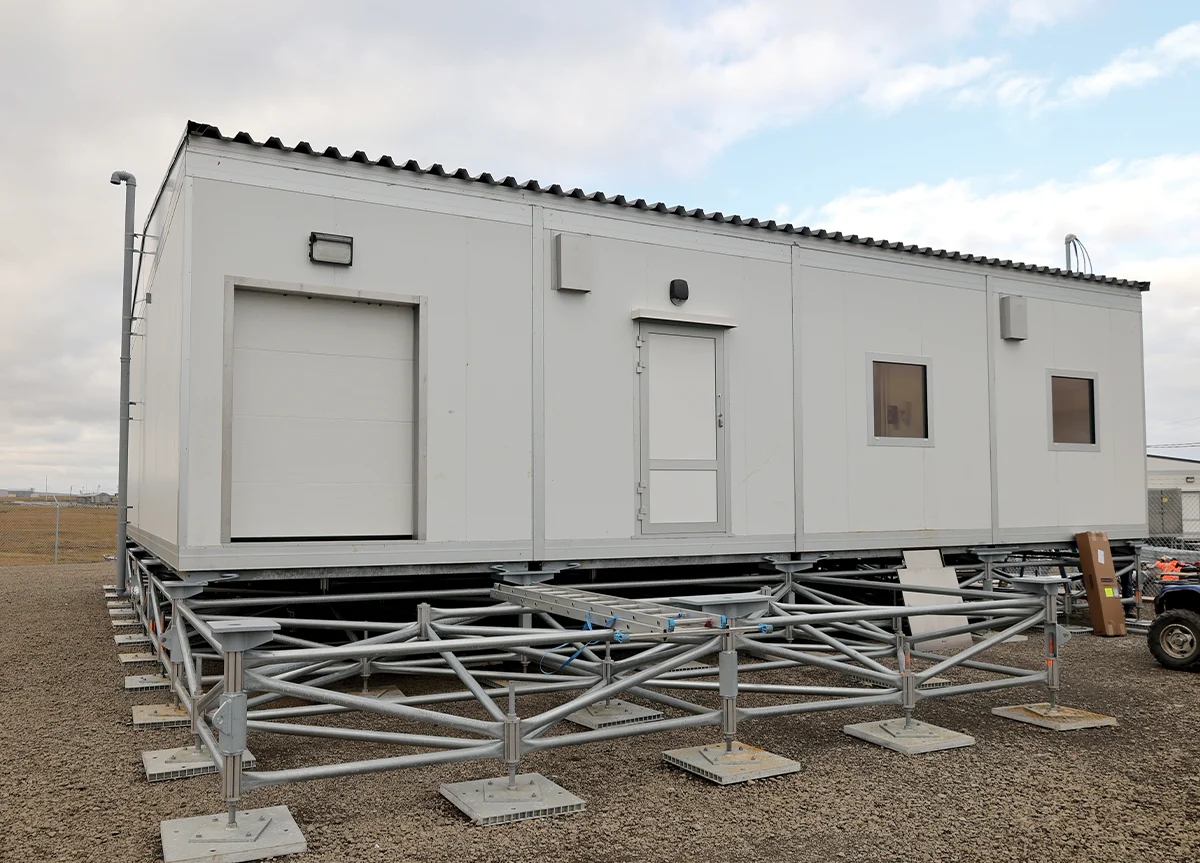
An upgraded fish processing plant in Savoonga is on track to start services this summer. Norton Sound Economic Development Corporation (NSEDC) began replacing the thirty-year-old halibut plant in June 2025 after modules arrived from Finland. Fish processing provides economic opportunities for commercial and resident fishers as well as employment within the community.
“While the local manager and his team have done an amazing job at maintaining the facility, nothing lasts forever, and the time has come to upgrade our infrastructure in Savoonga,” says NSEDC COO Tyler Rhodes.
Rhodes says discussions about replacing the seafood plant had been underway for a couple of years when the Native Village of Savoonga and its associated reindeer herding operations were awarded funds to build a processing plant of its own. This development helped catalyze progress on the halibut plant, as the two similar projects could potentially benefit from being built at the same time.
Following the lead of the reindeer project, NSEDC also selected Kometos, a Finnish designer and builder of modular food production facilities, to develop the halibut plant. Kometos was founded in 1991, during a deep economic crisis in Finland that was worsened by a warm winter that left reindeer carcasses rotting in field slaughterhouses. Company founder Raimo Niemi developed a mobile meat processor that could be set up with as few as two technicians.
Work in Savoonga had commenced by late 2025, when Niemi passed away, leaving his company to the next generation of management.
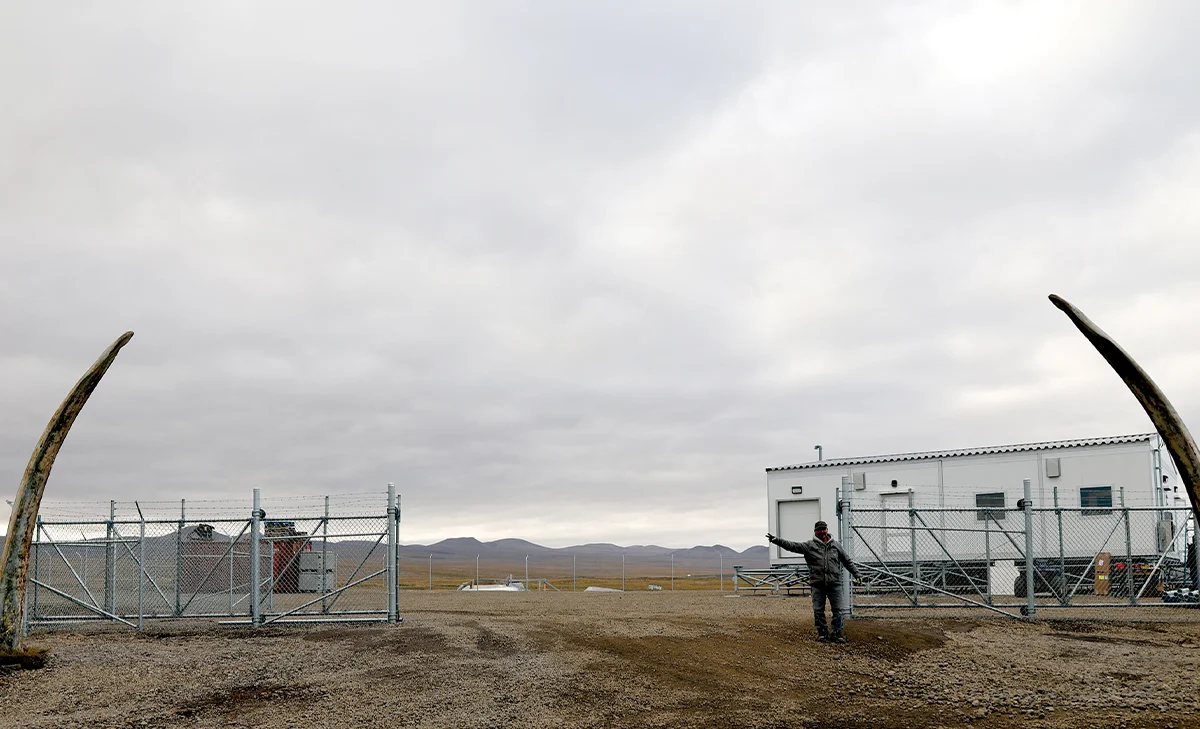
Kometos built both the halibut and reindeer plants at its facility in Kauhajoki, Finland, in modular sections that were shipped to Savoonga and assembled on site.
Design work for the building site, utilities, and foundation was provided by Coffman Engineers, which also provided construction management services. TBI Construction Company, based in Wasilla, provided the sitework, foundation, and utility extensions for the project. Most of the project was completed in October 2025, with only a few small items left to complete before the facility goes into service this summer.
Norton Sound Economic Development Corporation
Norton Sound Economic Development Corporation

Norton Sound Economic Development Corporation

The number of fish delivered fluctuates from year to year, but in recent years, total deliveries to the plant have ranged from 10,000 to 30,000 pounds. While the scale of the fishery is small in Savoonga, it has an outsized impact on residents, given the relatively few opportunities to earn income on St. Lawrence Island.
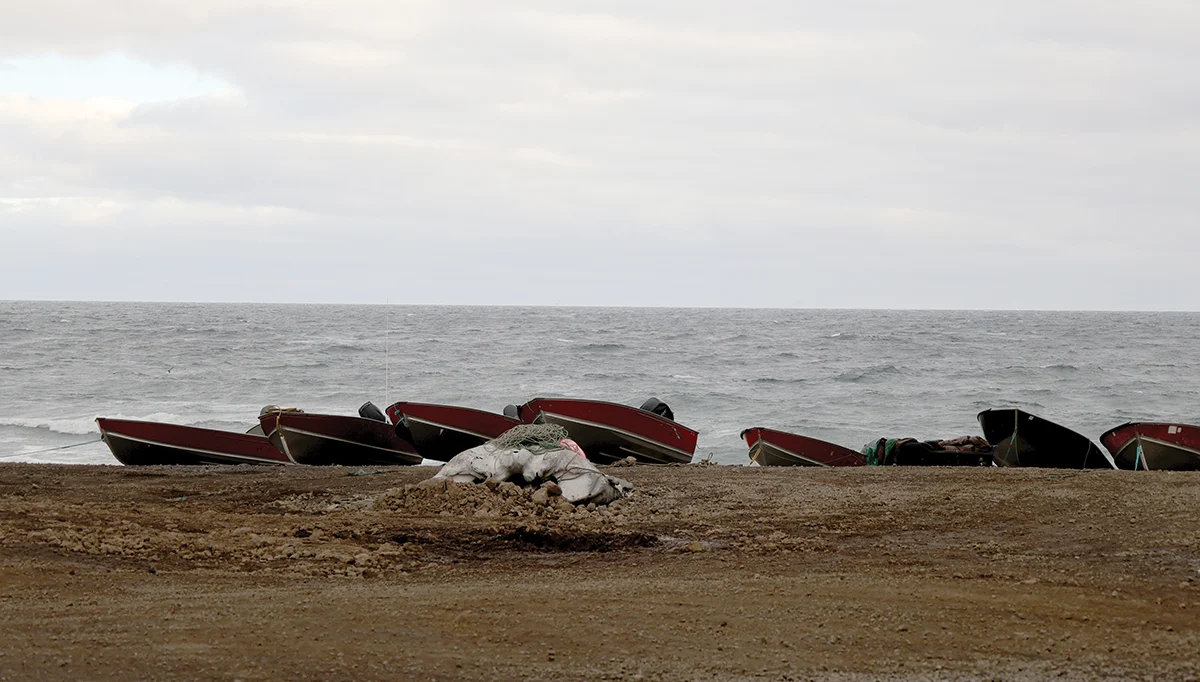
Likewise, this fishery is unique in that fishers use open skiffs with longline gear and pull their catch onboard by hand. The resident fishers who deliver to the plant operate independently from NSEDC, yet without NSEDC’s infrastructure in place, they would have no outlet to sell their harvests.
“Each pound delivered by these fishers is hard-earned,” says Rhodes.
The fishery has a ripple effect through related activities, such as fuel sales to fishers and to the plant. Fishers who pay for their vessels through halibut fishing can also use them for subsistence hunting and fishing, providing critical, healthy nutrition for residents. The construction of the plant also provided an economic boost for the community, as most construction positions were held by local residents. The gravel for the project was locally sourced, and lodging, food, and supply sales all increased to support the specialty workers who came to the island to work on the project.
In the past thirty years, NSEDC has established markets for Savoonga halibut and other fish shipped to Nome. The halibut is primarily sold domestically in the Lower 48 and in local and regional markets in Alaska.
According to its mission statement, NSEDC participates in the Bering Sea fisheries to provide economic development to its member communities through education, employment, training, and financial assistance while protecting subsistence resources. In addition to programs focused on grants, scholarships, training, and research, its regional seafood operations are a major component of NSEDC’s mission, which supports and provides a market to the regional resident fleet while also creating employment opportunities for residents throughout the region.
In addition to halibut from the sea, the land supports reindeer, first introduced in 1900 by missionary Sheldon Jackson. With federal funding awarded in 2022, Savoonga Reindeer Commercial Company organized plans for a processing plant next door to the seafood plant. Once certified by the US Department of Agriculture, that plant will be in business in 2026 as well.
Together, the processed reindeer and halibut not only secure the local food supply on St. Lawrence Island but they are products sold for cash to strengthen economic ties.