

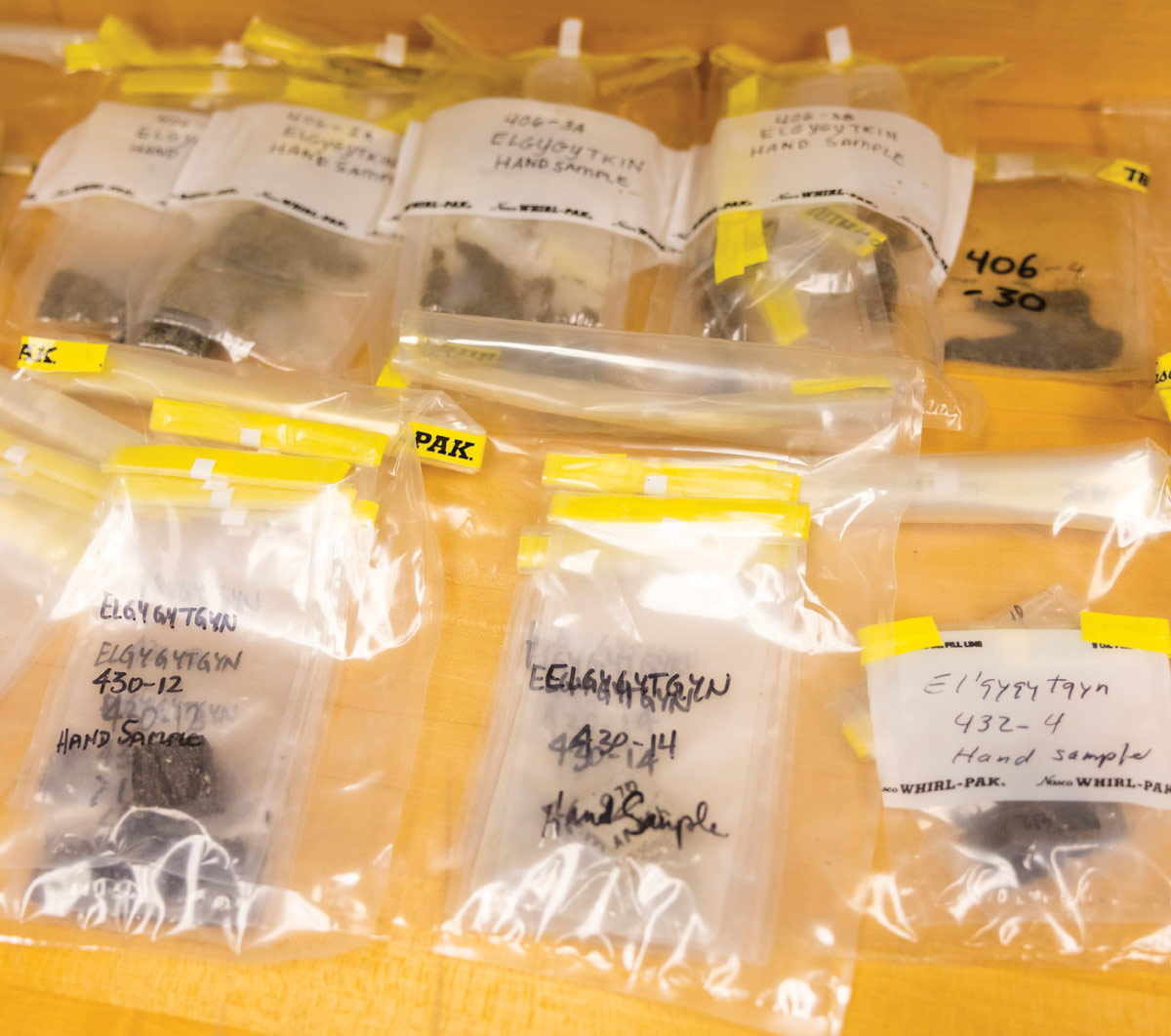
hat makes Alaska a treasure trove of critical minerals? According to retired state geologist Steven Masterman, it’s partly a matter of simple geography.
“We are one-sixth of the country, so even if we were just average, we would have one-sixth of the country’s resources—but we’re not average,” Masterman explains. “Because we’re so large, we can supply a lot of minerals. We have a lot of geological environments in Alaska, and so we host a lot of different mineral deposits.”
Alaska already boasts the nation’s largest zinc mine at Red Dog, which produces critical minerals, such as gallium, as byproducts. The state also has significant deposits of graphite, lithium, rare earth elements—forty-nine of the fifty minerals deemed critical to national security and technological advancement, many that have yet to be fully explored.
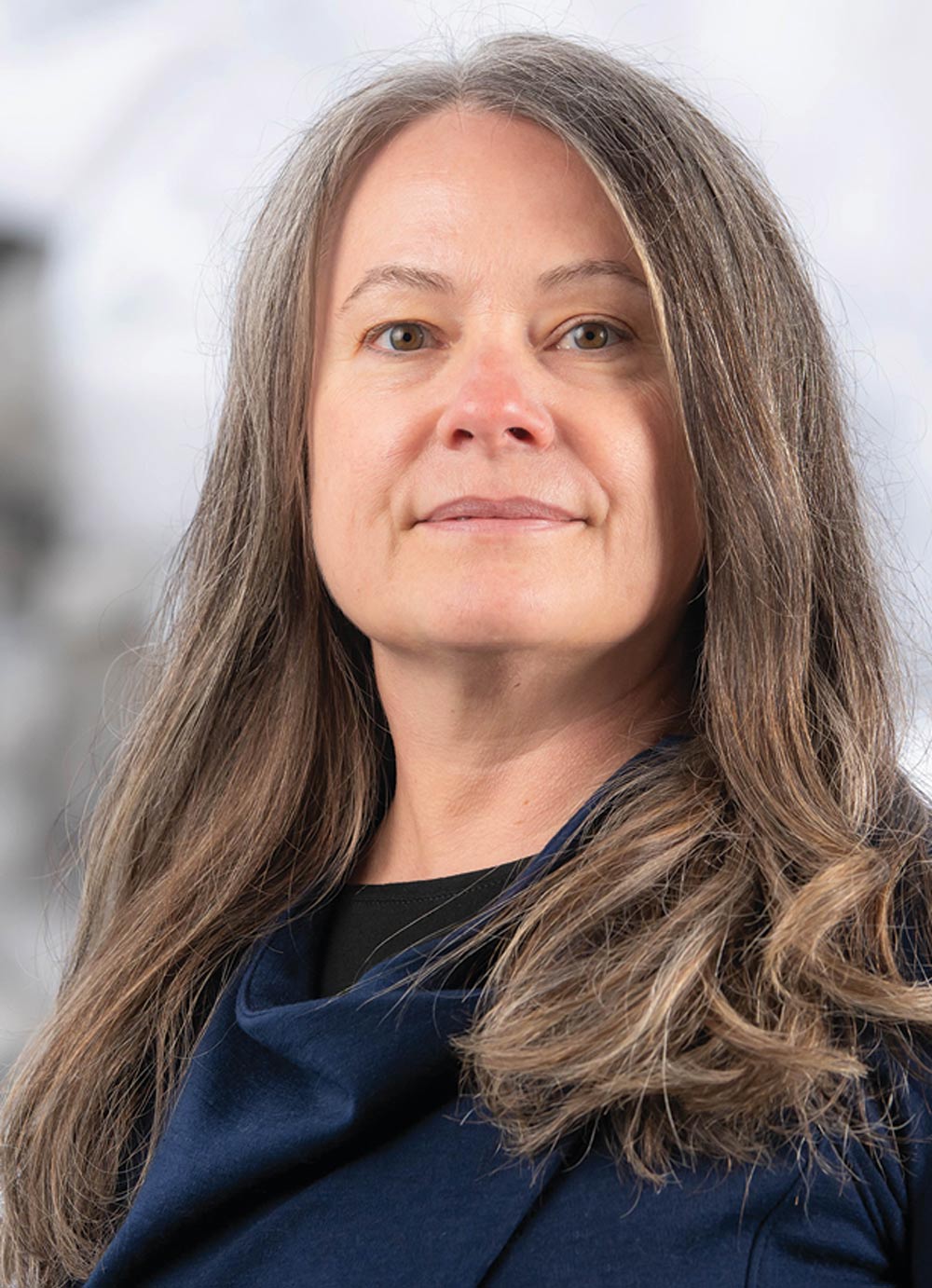
Recognizing this potential, UAF established the Alaska Critical Minerals Collaborative (ACMC) in 2023. Based at the UAF Geophysical Institute, the ACMC facilitates research across the University of Alaska system with industry, agency, and academic partners. It brings together university faculty, staff, and labs to conduct critical mineral research that the ACMC hopes will positively impact the state’s economy and society in the near future.
ACMC
Critical minerals include elements like rare earth elements, lithium, cobalt, gallium, germanium, and dozens more that are essential components in technologies ranging from electric vehicles to advanced weapons systems. Many of these elements are currently sourced primarily from foreign countries, particularly China, creating serious vulnerabilities in domestic supply chains.
The ACMC brings together researchers and laboratories from across the University of Alaska system to tackle the complex challenges of critical mineral discovery, characterization, and extraction.
Brent Sheets, director of the UAF Institute of Northern Engineering’s Petroleum Development Laboratory and leader of its Carbon Ore, Rare Earth, and Critical Minerals (CORE-CM) program, which has been working on critical minerals assessment throughout Alaska, notes one particularly exciting discovery: “We found a very exciting area in the Yukon River region… We tested the coal. It’s off the charts in both gallium and germanium. Those things should not be in the coal. It is an anomaly that is fascinating.”
JR Ancheta | UAF Geophysical Institute
JR Ancheta | UAF Geophysical Institute
JR Ancheta | UAF Geophysical Institute
JR Ancheta | UAF Geophysical Institute
“The collaborative is just starting to get its legs underneath it,” explains Nicole Misarti, director of the UAF Institute of Northern Engineering. “We’re just standing it up. It’s only been around for a year, so these are all things that we’re growing and building into.”
One of the ACMC’s first major achievements has been establishing a cohesive laboratory workflow across multiple university departments. Before the ACMC was formed, researchers and lab equipment were siloed, making comprehensive mineral analysis difficult and inefficient.
“Up until now, all [sample analysis] had to go out of state,” Misarti explains. “They have to ship all of that stuff out of state, work with a commercial lab. So now we’re right here, right next door in the state.”
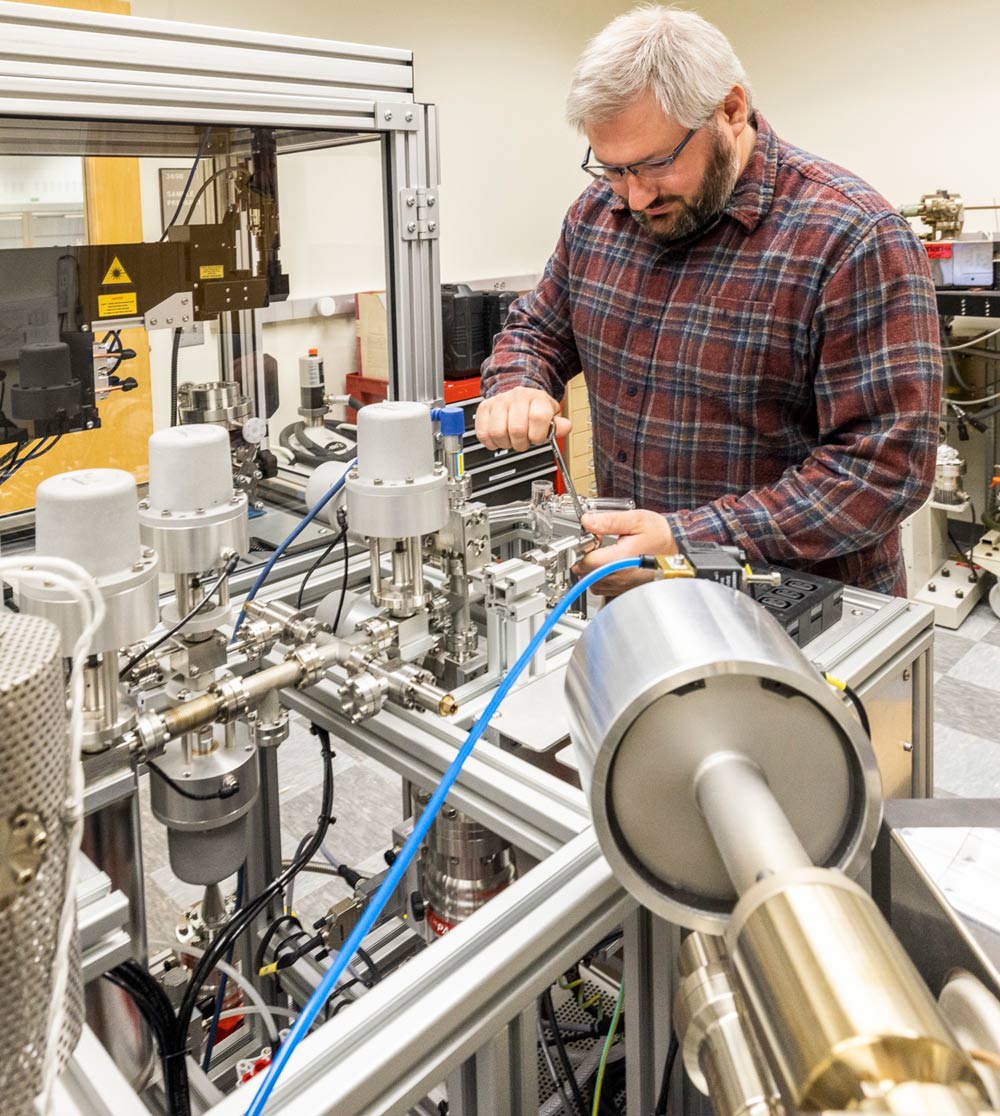
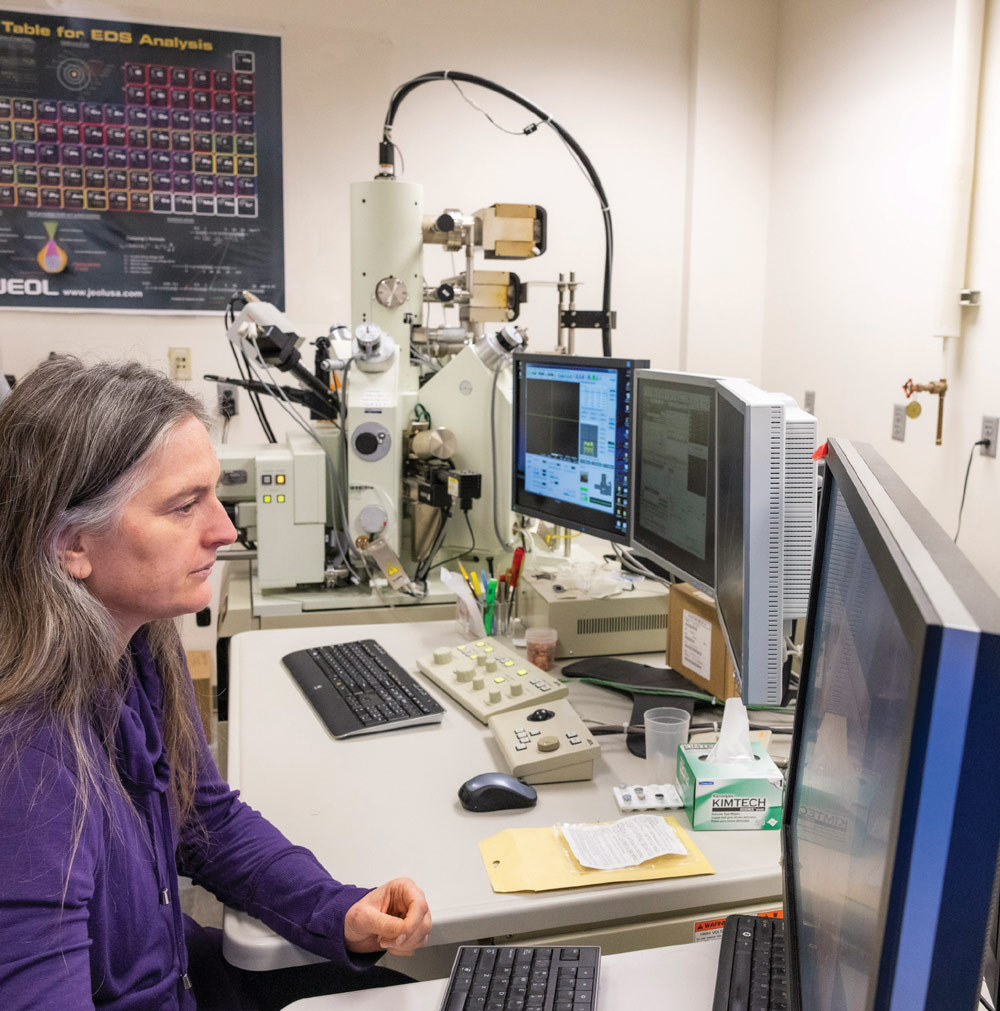
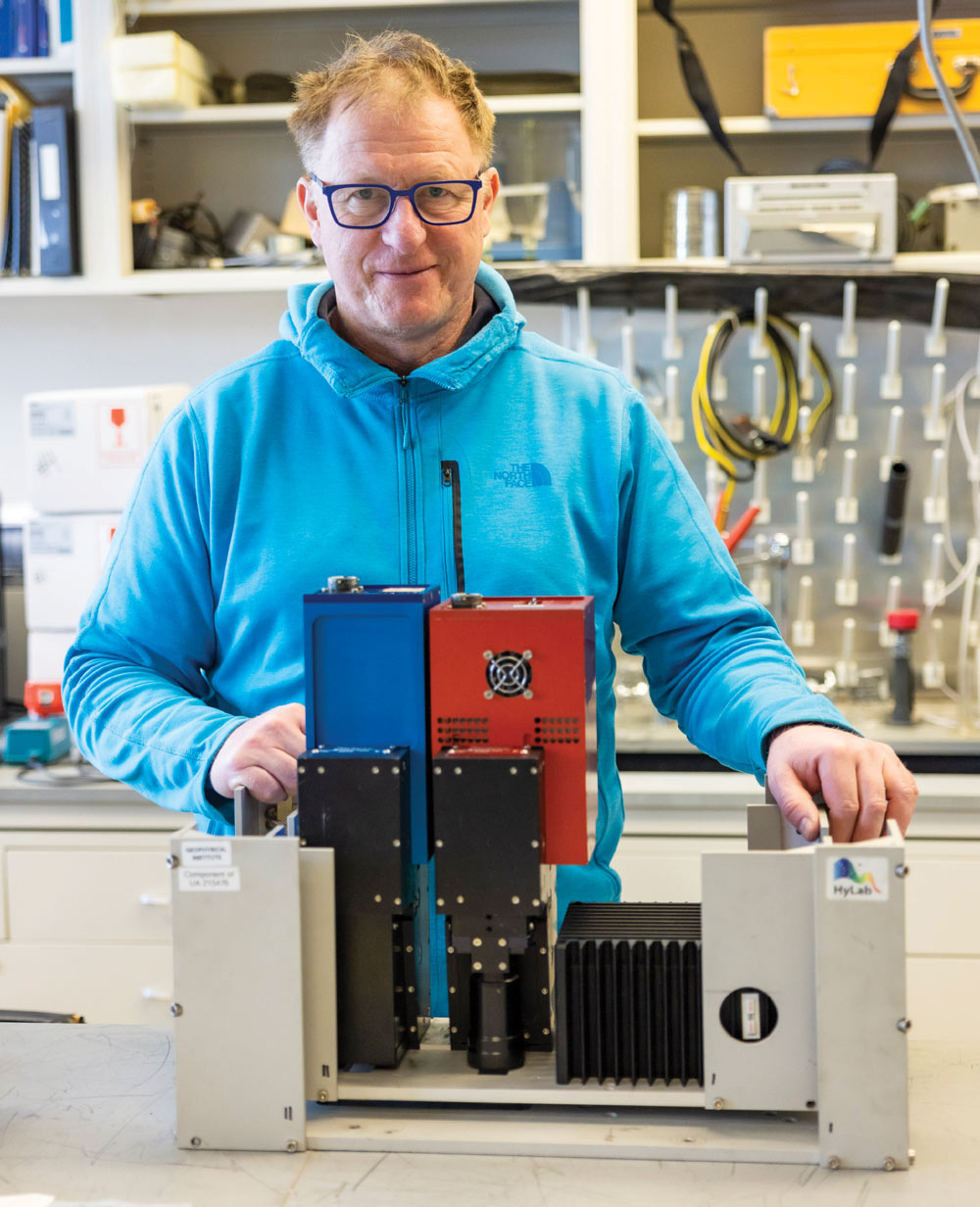
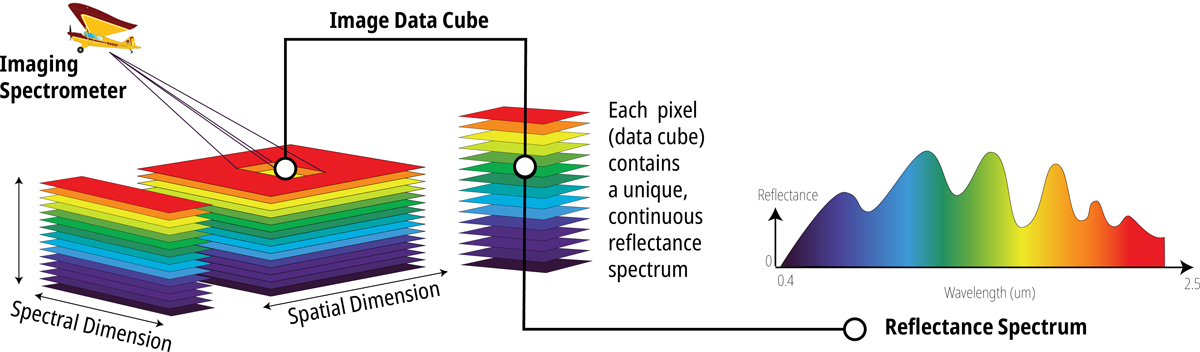
The ACMC leverages sophisticated instrumentation for mineral analysis across multiple facilities. The Institute of Northern Engineering laboratories house an inductively coupled plasma mass spectrometer that can detect extremely small amounts of elements in solution. The Advanced Instrumentation Laboratory features an electron microprobe and scanning electron microscope that can map the distribution of elements within minerals at microscopic levels. The Hyperspectral Imaging Laboratory conducts aerial surveys to identify mineral deposits from the air. And a new geochronology facility with advanced mass spectrometry capabilities helps researchers understand when and how mineral deposits formed.
Sean Regan, chief scientist of the ACMC, notes the range of analytical capabilities: “We have several things going on right now, including a new LAICPMS [Laser Ablation Inductively Coupled Plasma Mass Spectrometry], which is going to be really great for trace element analysis of minerals and materials. The other big lab is the advanced instrumentation laboratory, which has an electron microprobe which is capable of spatially resolved analysis of major and minor elements, so detailed maps of minerals can be documented.”
The instruments and the team at the ACMC amplify what UA System researchers could accomplish on their own.
“For Alaskans, we are building the next generation of experts in critical minerals, ensuring economic opportunities for this state’s residents for years to come,” says Masterman, who has served as president of the Association of American State Geologists and is now the ACMC’s deputy director.
JR Ancheta | UAF Geophysical Institute
“A big focus of our CORE-CM research is how to do as much processing as you can at that remote site as cheaply as you can,” Sheets says, “so that when you ship ore off site, you’ve got a higher concentration of valuable products that you’re after.”
Regan adds that environmentally conscious extraction methods align with the ACMC’s purpose. “Critical minerals are elements that are really needed for the green revolution and the diversification of energy, and at the forefront of the mission is, of course, an environmental conscience,” he says.
The ACMC is exploring several cutting-edge approaches:
- Biological processes using indigenous microorganisms to separate rare earth elements from ores, avoiding the need for hazardous chemicals.
- Supercritical carbon dioxide extraction techniques for processing coal ash to recover critical minerals.
- Advanced remote sensing and AI technologies to identify promising deposits without extensive on-the-ground exploration.
- Novel processing methods that work efficiently in Alaska’s extreme cold conditions.
Regan notes that some researchers “have been working on ways to pull critical minerals out using algae or bacteria, which would get around a lot of the mine waste. We also have a project working with marine biologists, hydrologists, and geologists—going from source to sink—tracking solubility in ground water and testing if algae in the ocean just outside of that are actually portioning up any of the elements in order to hopefully farm algae.”
A UAF research team received a $1.9 million grant in 2023 to explore whether seaweeds near Bokan Mountain, a rare earth element prospect on Prince of Wales Island, absorb enough mineral runoff to be commercially significant.
“Our faculty have been working for years looking at permafrost, climate change, environmental justice issues, working within communities,” Misarti notes. “Having [Institute of Northern Engineering] be a part of this collaborative allows for all of that voice and all of that interest to come through as well.”
Lance Miller, vice president of natural resources at NANA Regional Corporation and chair of the ACMC board, underscores the importance of environmentally sound practices. “A key part of the underlying aspects of the collaborative is use-inspired R&D,” he says. “Examples might be better, more efficient ways for mining extraction so there’s less waste. Or technologies with reclamation, closure, with water treatment.”
The ACMC established partnerships with Alaska Native corporations—including NANA, Bering Straits Native Corporation, Calista Corporation, and Doyon, Limited—recognizing that critical mineral development has the potential to bring economic benefits to rural communities.
Marcel Buchhorn | UAF HyLab
Recreated by Alaska Business
“It’s not just producing the minerals, it’s actually processing them,” Miller explains. “While that’s included in the collaborative, that will be a challenge—just because it’s Alaska and there’s remoteness and power cost and labor—but we are on the Pacific, and once you get stuff on a ship, you can send it anywhere.”
The ACMC is working to ensure Alaska has the skilled workforce needed for this growing sector by integrating critical minerals education into university curricula.
“The University of Alaska really shines with strong engineering and geoscience programs directly integrated with undergraduate and graduate curriculum,” Regan says. “Classic economic geology curriculum has been brought back to the forefront for students.”
“We will know we’re successful if industry partners are clamoring at our door asking to partner with us,” Misarti notes, looking ahead to the ACMC’s future.
Miller envisions growth over the next five years. The collaborative has three broad goals, he says: “Really solidify the organization and partnerships, set up the structure so the organization is sustainable, and then have an innovation ecosystem and be recognized and grow as a national leader.”
If successful, the ACMC could play a crucial role in reducing domestic dependence on foreign sources for critical minerals while bringing sustainable economic development to Alaska.
As Masterman puts it, “We’re not number one in a lot of things, but we’re on the list. That’s for sure.”
In the race for critical mineral independence, being on the list might just be enough to transform Alaska into the nation’s most strategic resource frontier.