

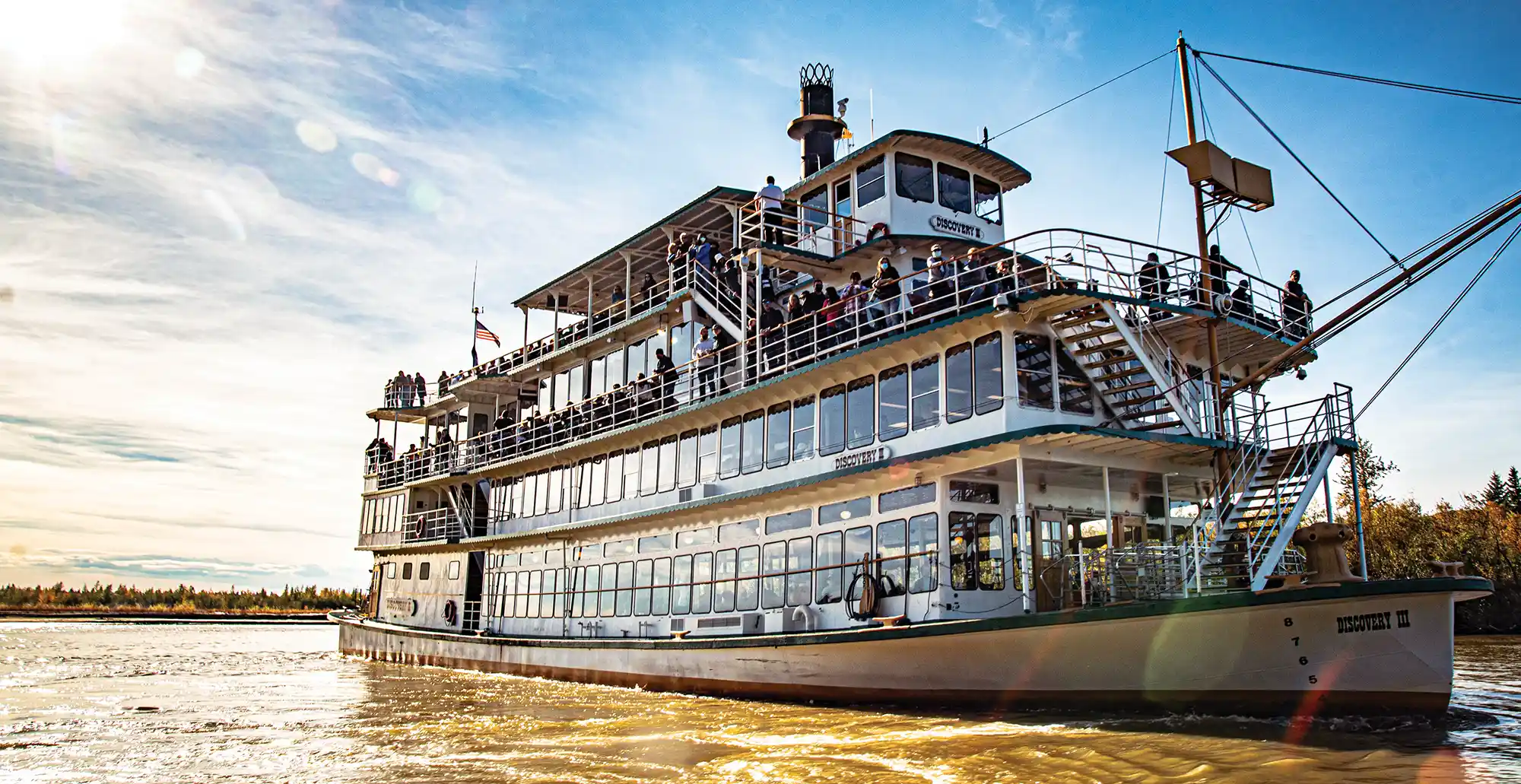
ime has a way of marching forward. But every summer, three generations of the Binkley family turn back the clock—for a few hours, anyway. For seventy-five years, their Riverboat Discovery tour has steered guests down Fairbanks’ Chena and Tanana Rivers for a glimpse of the Interior’s past and present.
Riverboat Discovery
Through the years, the Binkleys have adapted to grow with the tourism industry, all while remaining true to their roots.
“They’re not going to rest on their laurels at all,” says Jay Lewis, “The Voice of Discovery,” who narrated the tour for thirty years. “It’s the only way you survive seventy-five years.”
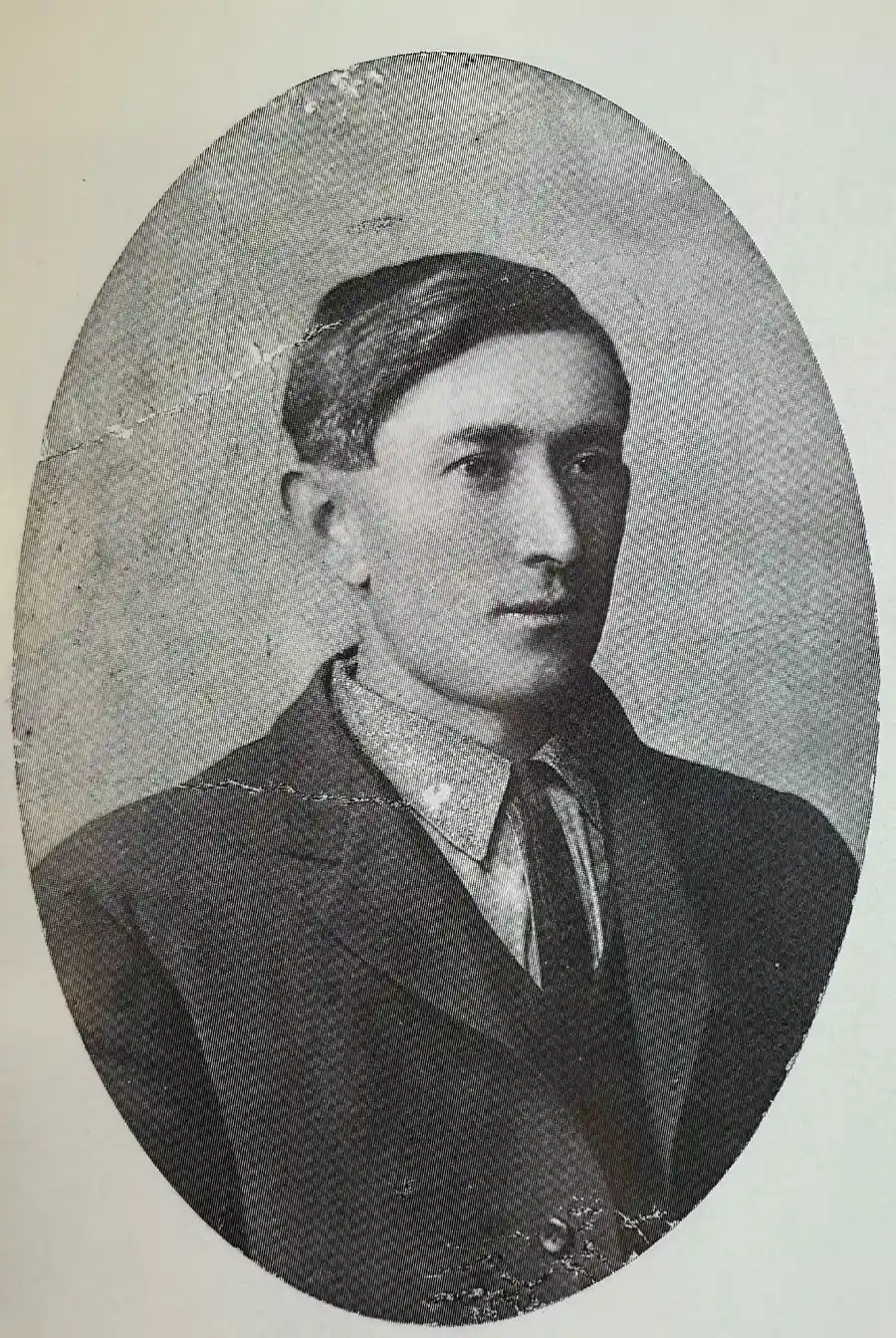
The 18-year-old caught a steamship to Skagway and joined the hordes of would-be prospectors on the trek over the Chilkoot Pass. But when Charles reached Bennett Lake, just across the border in British Columbia, he saw that many of his fellow travelers lacked the understanding of the water he had gained from working around boats and shipyards on the Ohio River.
Riverboat Discovery
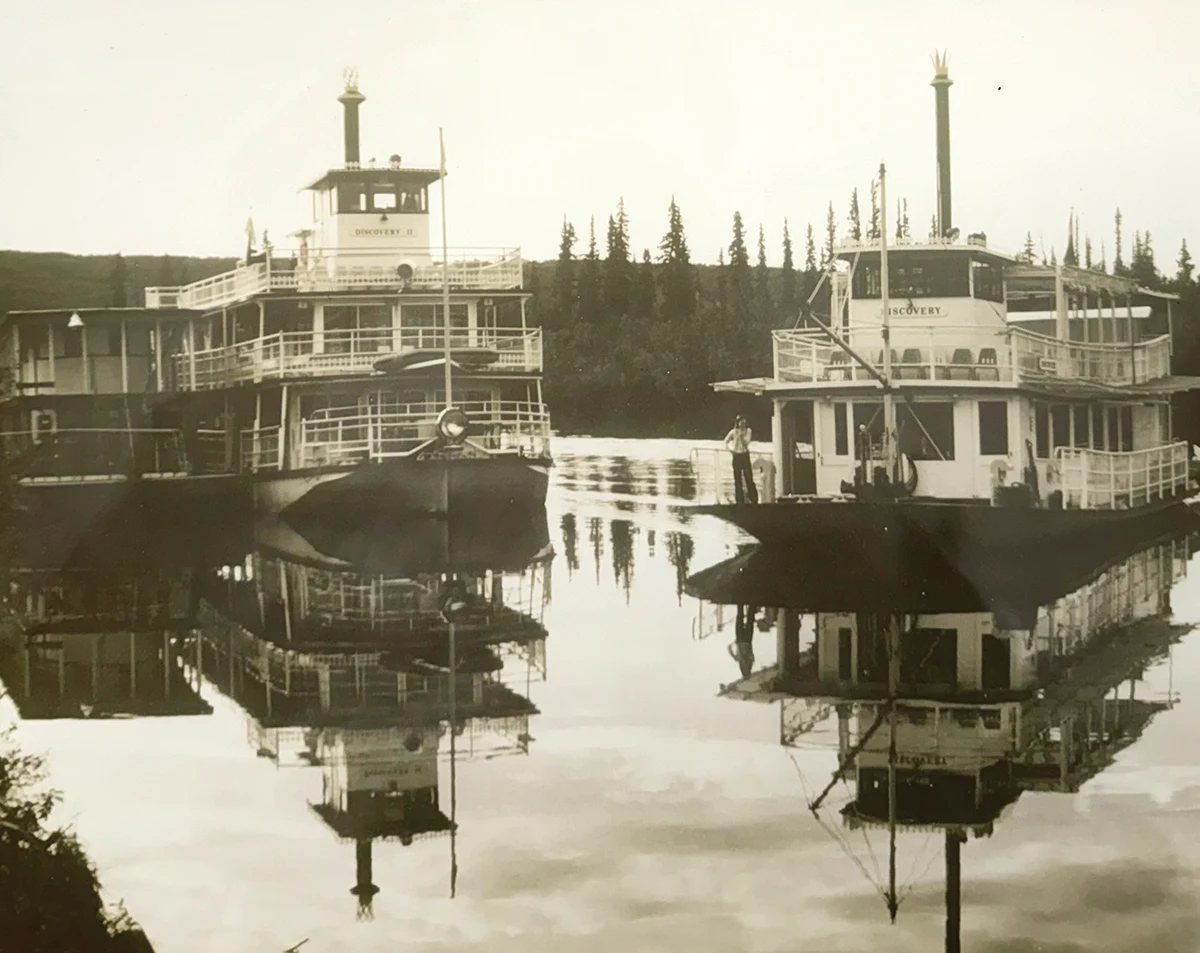
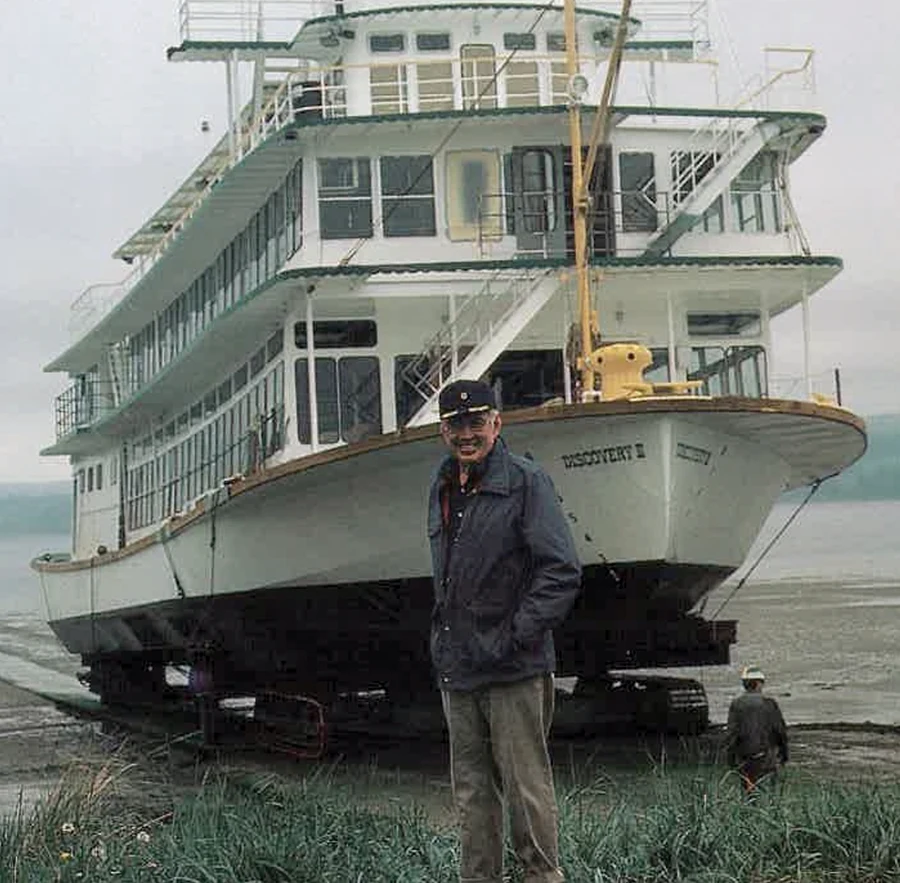
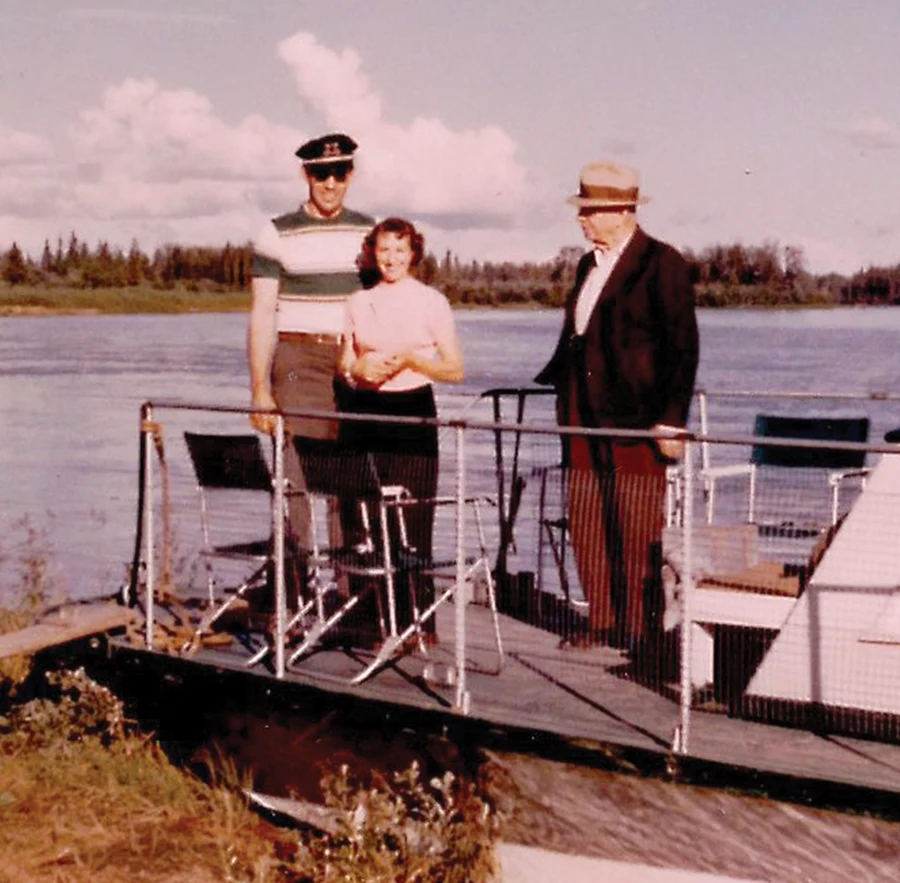
Charles partnered with Sydney Barrington, and the duo made a name for themselves hauling freight along tributaries of the upper Yukon River and eventually the Susitna and Stikine Rivers. When Charles died of pneumonia, 5-year-old Jim and his mother left Wrangell for California. But stories of Charles’ legendary status as a boat captain, builder, and engineer lured Jim back.
“At the time, the Yukon River was kind of the last bastion of this steamboat era, so he decided to come up here and relive the adventures his father had had,” Wade says.
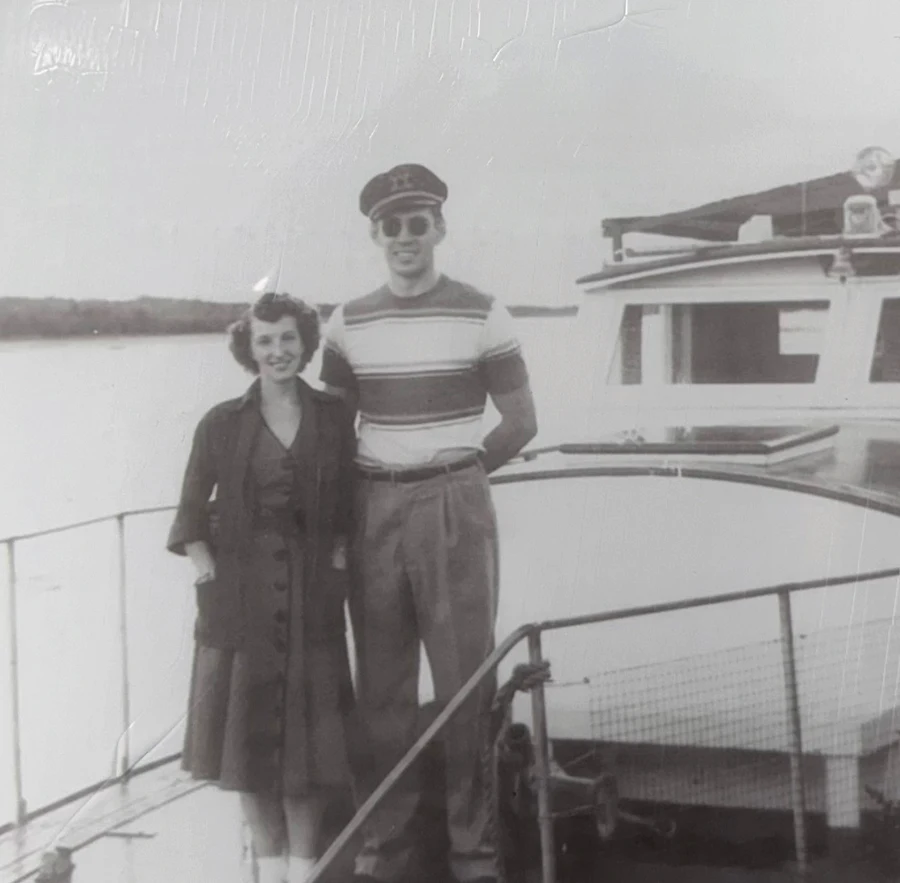
Jim worked as a deckhand in Wrangell before making his way to Fairbanks. A summer job on the river turned into jobs aboard steamboats and sternwheelers. Jim worked his way up to captain and hauled freight from Nenana to Galena during World War II, Wade says. He met Mary at UAF, and the couple married in 1947. In 1950 Chuck West, “the godfather of Alaska tourism,” asked if Jim could give his guests a tour of the river. Jim and Mary agreed.
“They took a few trips, made coffee and doughnuts for every passenger, and entertained the guests,” Wade says of those early cruises aboard Godspeed. “The trip was really a recreation of [Jim’s] time on the Yukon River and what his experiences were as he traveled these rivers and met the people along the riverway.”
After five years, Jim and Mary decided to turn their hobby into a full-time venture. It’s now a family legacy.

Riverboat Discovery
“We haven’t really tweaked the main formula,” says Ryan Binkley, Wade’s brother and president of Godspeed, Inc., the holding company for the Binkleys’ tourism interests. “The main idea is still that we’re showcasing life in Alaska for today and yesterday.”
Jim and Mary recognized that Alaska was a once-in-a-lifetime trip for many of their guests and that, in addition to experiencing Alaska, visitors wanted to have a good time. The couple aimed to give it to them.
“I’ll never forget one time Captain Jim said, ‘Look, we’re not in the boat business, we’re in show business,’” Lewis recalls. “Even though they promote the boat, it’s really a floating stage.”
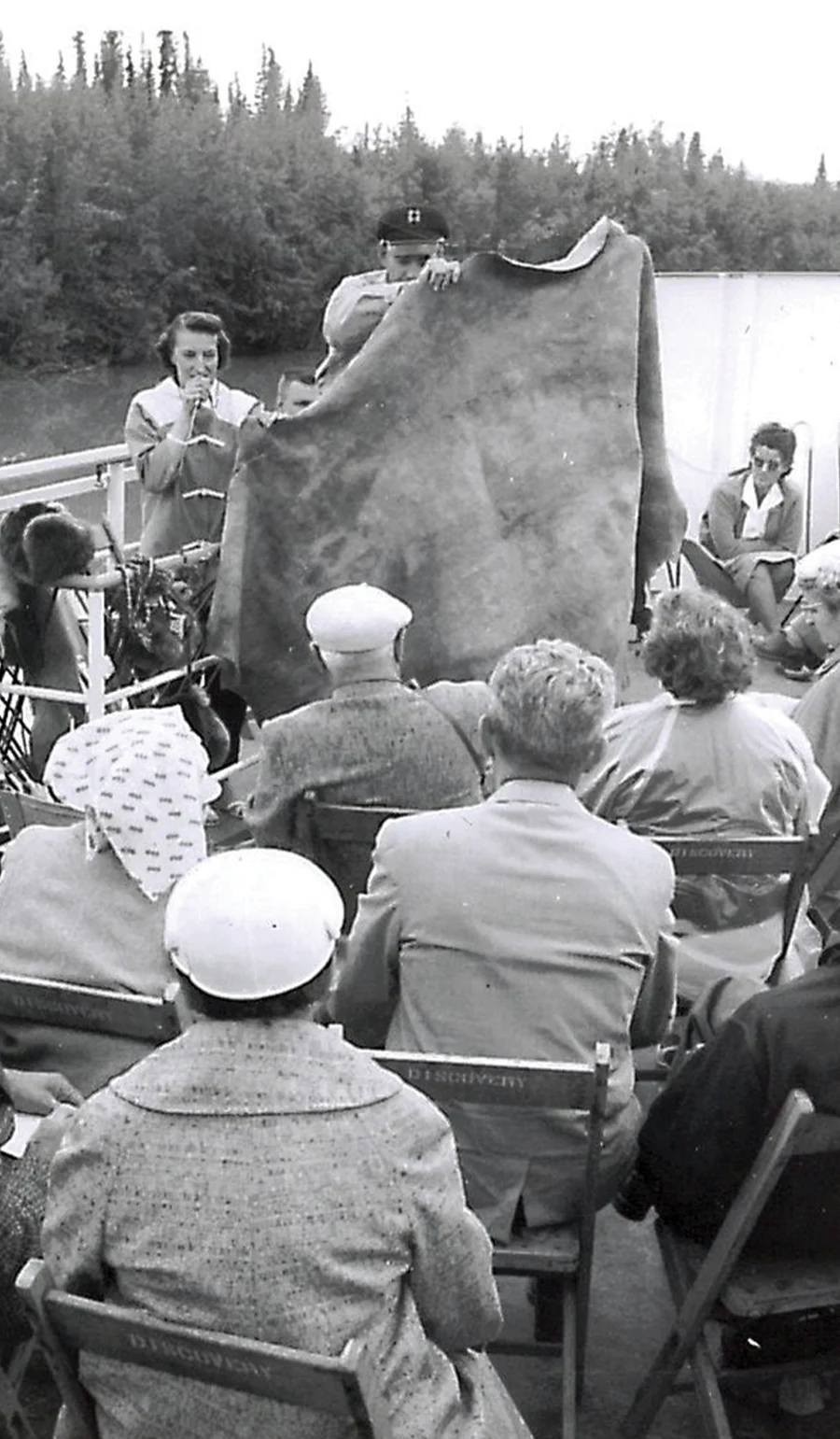
Jim shared personal stories of his life as a riverboat captain and of life in the Interior. Jim and Mary worked closely with Alaska Natives to develop the cultural portion of the tour and share their stories directly with guests. In 1985, the cultural tour moved to Chena Village; during the hour-long stop, Alaska Native guides share Athabascan traditions and culture and take guests on a walking tour of the replica village.
“This idea of seventy-five years of cultural tourism, this opportunity to share Alaska Native culture and to allow young Alaska Natives to tell their story, is a really special part of our tour and what makes this experience so authentic to our guests,” Wade says.
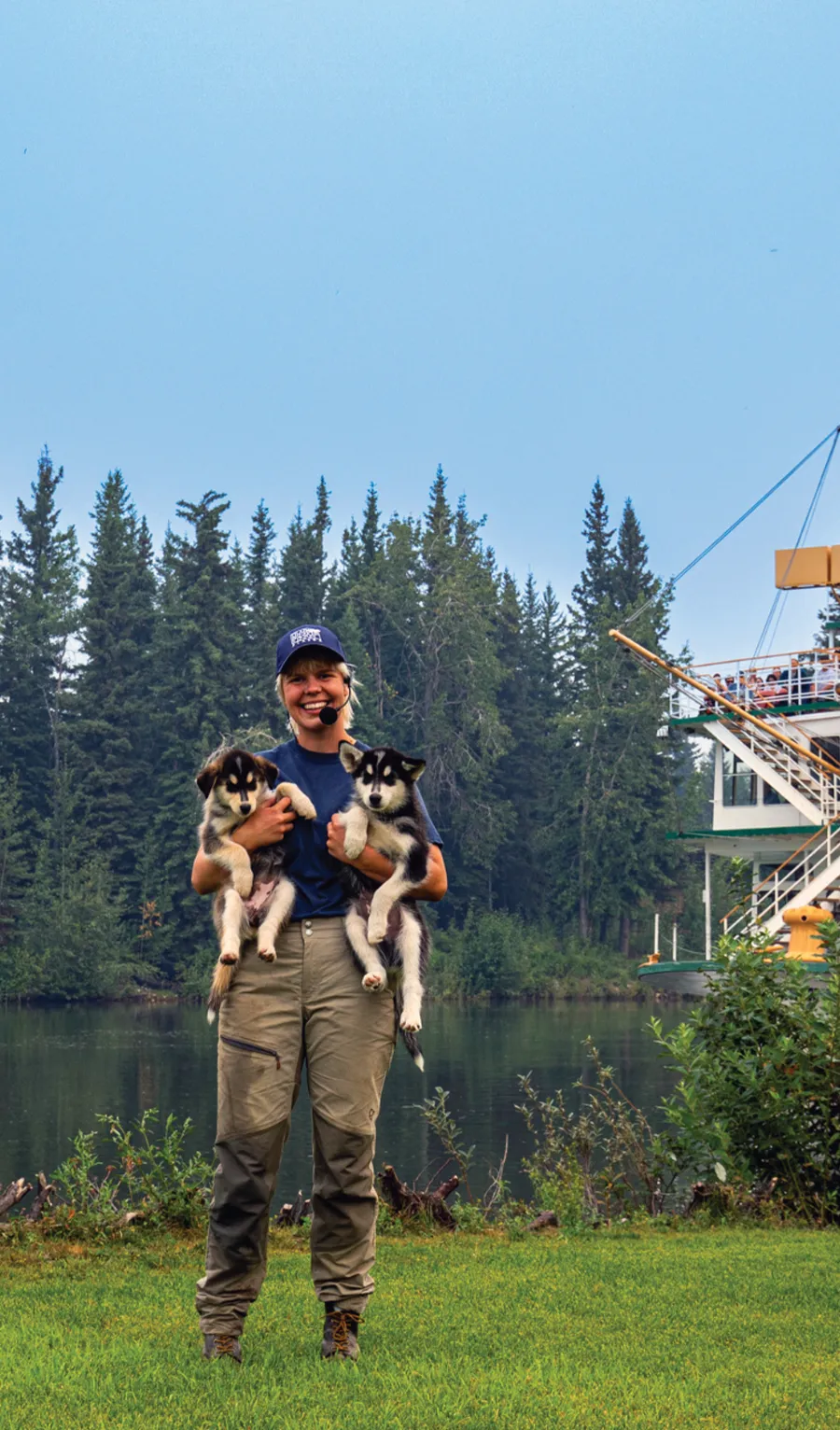
In 1992 Trail Breaker Kennel, owned by late four-time Iditarod champion Susan Butcher and her husband, David Monson, joined the show.
“The idea was just to come by, and Susan or I would go out and have puppies to show,” Monson says. “The problem for them was that, when they got near our house, the guests started yelling questions from the boat.”
Mary handled the back-and-forth between Susan and the guests, but when her and Jim’s son Skip Binkley took control of the wheel when Jim retired, he eliminated the middleman.
Riverboat Discovery
Riverboat Discovery
The Binkleys added a bush pilot demonstration and expanded the tour’s dock, Steamboat Landing—“Binkleyland is really what it is,” Lewis says with a laugh—to mimic an old Alaska trading post. Guests can also step into a room cooled to -40°F to briefly experience a Fairbanks winter. In 2010 they added a sit-down restaurant at Steamboat Landing and a grab-and-go counter onboard Discovery.
“It was little innovations like that, to try to give people as much of an Alaskan experience in three hours as we could,” Lewis says.
In 2015 the Binkleys initiated what Ryan calls “the biggest shift” when the family began looking for expansion opportunities beyond Fairbanks. The strategy is to partner with similar operations.
“We’re interested in partnerships with companies like us, meaning companies that have been in the visitor industry for a long time, are well-regarded, provide high-quality tourism, and are kind of iconic for their region,” Ryan says.
The expansion has taken them to the skies and the seas. A partnership with Alpine Air Alaska in Girdwood was a natural fit; in addition to being boat captains, Wade, Ryan, and John are helicopter pilots as well. They became majority owners of Wings Airways & Taku Lodge in Juneau, and they have partnered with Norwegian Cruise Line and the Spokely family to build a cruise ship dock at the old Ketchikan Pulp Mill in Ward Cove and repurpose the mill.
Wade believes that the family’s longevity in Alaska and the tourism industry is a benefit in their pursuit of future partnerships.
“We’re committed to Alaska, we’re committed to this industry, and we’re committed to being here,” he says. “We’re not going anywhere.”
Riverboat Discovery
“I think honestly the only difference is there are more of them involved now,” Monson says. “Each generation works with the other for a long time, so we’ve seen this generation go basically from when they were little kids, washing the windows, to now sitting up in the office, making decisions for the riverboat.”
Lewis remembers watching Captain Jim and his sons Skip, Jim Jr., and John in the wheelhouse teaching the G4s how to captain the boat and the business.
“I watched this being passed on from father to son and father to daughter,” he says. “Nothing was really different because of this thread of passing down the dedication and how important it was to make sure the customer had a good time.”
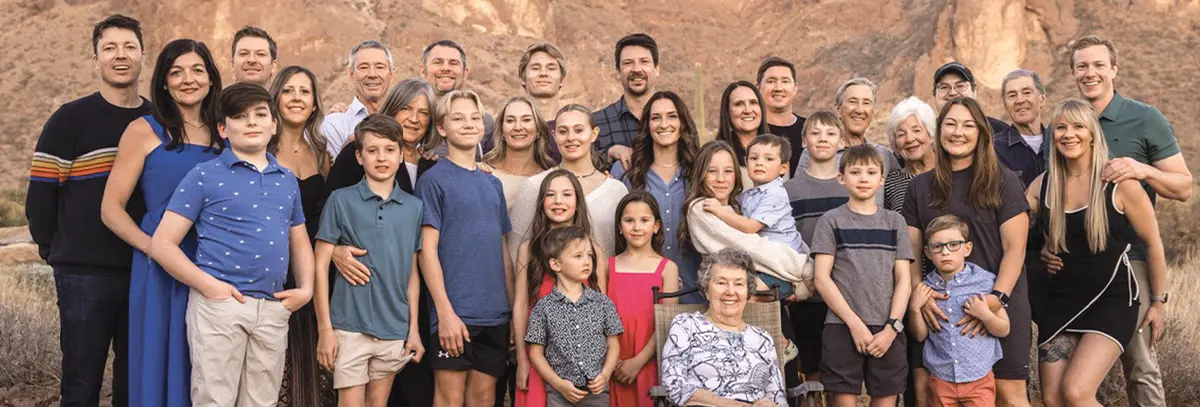
Six of the eleven G4s are involved in the businesses’ daily operations. In addition to Ryan and Wade, who also step behind the captain’s wheel every summer, their brother James Binkley is the construction and operations manager at Ward Cove; cousin Scott Binkley is the IT manager; and sister Kai Binkley Sims and cousin Madison Binkley Hanneman captain Discovery III during the summer. The older members of the fifth generation, who range in age from 4 to 19, work on the boat during the summer and are learning to captain.
But even when the reins are handed over, nobody in the earlier generations truly leaves.
“I don’t know if you ever really take over in a family business,” Ryan says. “They [his father and uncles] are still very much involved, not on a day-to-day level, but on a strategic level.”
Skip, John, and Jim are all members of Godspeed, Inc.’s board of directors and occasionally steer Discovery. John sits on the board of Wings Airways and works alongside James at Ward Cove. Mary, who is 99 and lives on the Chena River, waves to passengers every day as the boat returns to Steamboat Landing.
“It’s not always rosy,” Ryan says with a laugh. “It depends on which day you catch us, but I think generally we make it work. We all are still getting along fairly well.”
“It’s just so rewarding to have people that you care about and trust with you day in and day out,” Wade adds. “And as you make these achievements and find success, it’s really gratifying to be able to do that with the people you care about the most.”
Wade and Ryan say there is only hope, no pressure, that successive generations join the business. Each of them earned engineering degrees with an eye toward different career paths—but the business, and the connection it provides to the past and the family, pulled them back in.
“I do feel a deep connection to the past in a way that’s a bit unique,” Ryan says. “It’s pretty rare for a kid my age to be doing something that his great-grandfather was doing a hundred years ago. It gives me a sense of my place in the universe, that I’m doing something that I’m meant to be doing.”