

he reality TV show Bering Sea Gold follows the activities of gold-seekers dredging off the coast of Nome. While the show captures the drama of dredge operators jockeying for position over gold-rich patches, personality conflicts, and the occasional big strike, the details of how this mining activity is regulated rarely make it into the final cuts of the show. Behind every suction dredge dropping into Norton Sound sits a comprehensive regulatory framework designed to protect both the environment and the community.
Alaska Department of Natural Resources
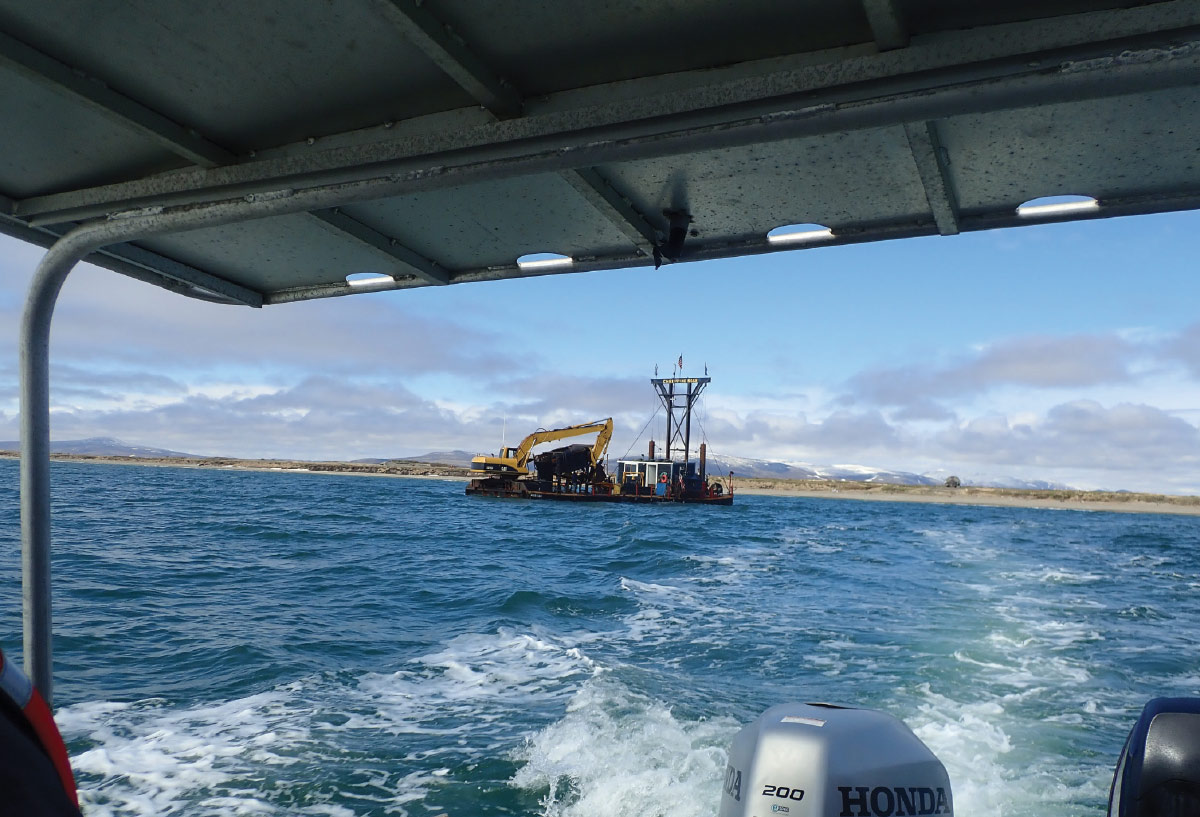
The state manages eighty-nine offshore lease tracts plus numerous mining claims, along with two public mining areas, the East and West Beach Public Mining Areas. Anyone operating a suction dredge in these public areas needs a permit to mine regardless of dredge size, a requirement instituted when gold prices climbed and friction between miners increased.
Because of the popularity of the Discovery Channel show, DNR sends a reality-check letter to prospective miners. The letter warns that there are no roads to Nome, equipment is expensive to ship, there are no campgrounds near the recreation areas, and miners will likely spend more money than the value of any gold they find. It also notes that two untrained miners have died offshore while dredging.
The permit application gets routed to the Alaska Department of Fish and Game (ADF&G), the Alaska Department of Environmental Conservation (DEC), and, depending on the project, the US Army Corps of Engineers and the US Environmental Protection Agency. “Processing time varies by project size and complexity, but for a typical small- or medium-scale offshore suction dredge, applicants are generally advised to file several months before the season,” Charron explains.
Equipment size matters. West Beach limits recreational miners to 6-inch or smaller suction nozzles with no more than 23-horsepower pump engines, while East Beach allows up to 8-inch nozzles with 46-horsepower pump engines. These limitations maintain the small-scale, recreational character of the public areas and extend the life of the resource.
Alaska Department of Natural Resources
Alaska Department of Natural Resources
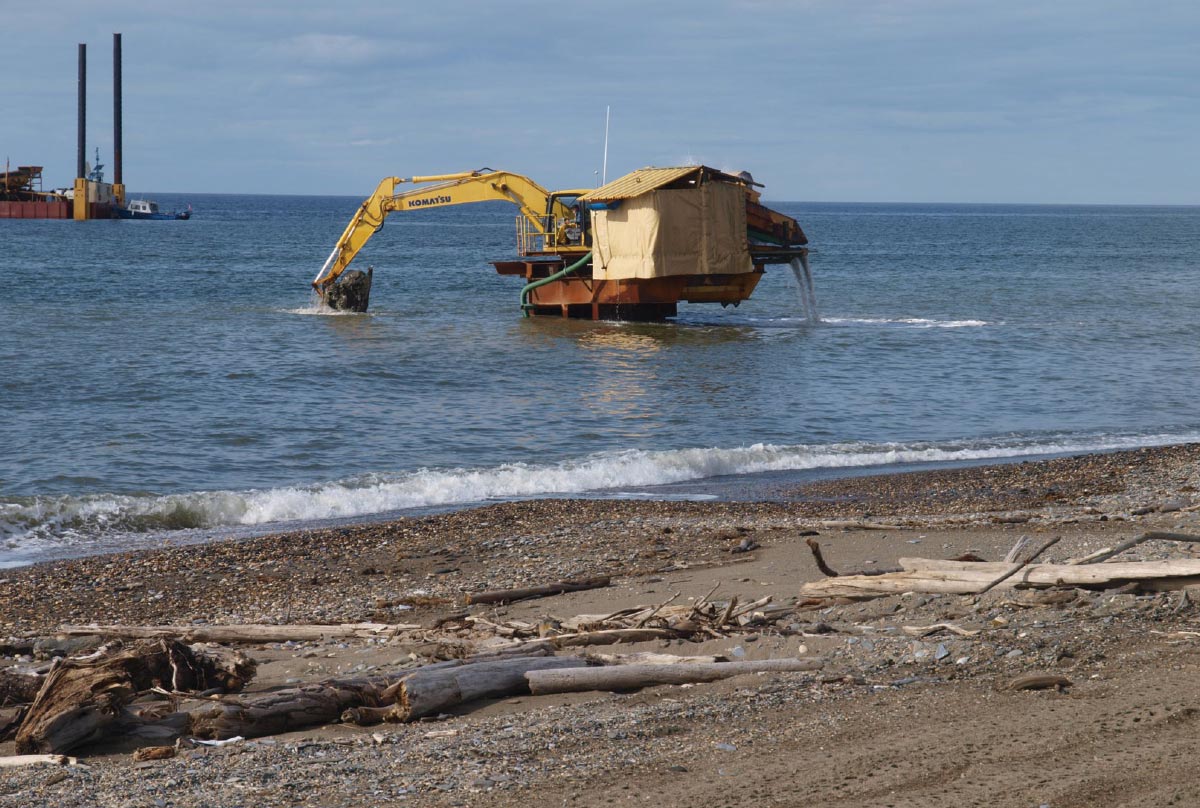
DEC’s permits include visual monitoring to restrict turbidity plumes. Medium suction dredges—those with 6- to 10-inch nozzles—are limited to a 500-foot radius mixing zone, while large dredges more than 10 inches and mechanical operations face a 1,600-foot radius limit. All permits include best management practices for sediment control, seasonal restrictions, separation requirements around fish nets and river mouths, and hydrocarbon management requirements (i.e., fuel containment).
“Due to the naturally high-energy environment offshore of Nome, most fine materials are carried offshore to deeper, calmer waters. The remaining nearshore materials, where dredging occurs, are coarse and quickly settle,” Dallman says. “Based on offshore observations and permittee monitoring, the sediment plumes dissipate quickly, well within the authorized mixing zones.”
“In Alaska we designate our different streams as anadromous or non-anadromous. Anadromous streams contain fish that spawn in fresh water but live most of their life in salt water,” explains Audra Brase, regional supervisor with the ADF&G Habitat Section in Fairbanks. “Most of the Nome rivers have salmon, so that’s what our biggest concern is, so that those fish won’t get impacted as they’re coming back. Pink salmon spawn in gravel in brackish water, so the buffer zone around dredging is important.”
Charron adds, “DNR imposes spatial buffer restrictions around anadromous stream mouths, coordinated with state and federal biologists, to limit dredge-related acoustic and sediment turbidity impacts on upstream fish passage during peak juvenile salmon outmigration and adult salmon entry.”
There are limited exceptions: Between September 15 and December 1, mining is allowed within 500 feet of the Snake, Penny, and Cripple Rivers , but never closer.
From mid-June to mid-September, subsistence fishers set nets up to 300 feet long just offshore. These nets are critical for families across western Alaska who depend on them for food. Dredge operators must stay at least 300 feet away from any part of a set net. For 8-inch or larger dredges that create turbidity, that buffer expands to 500 feet.
“First priority is to the fish, making sure populations are healthy; second priority is to the subsistence fisherman,” Brase says. “There are restrictions that you can’t do dredging within a specific distance from the nets so the subsistence users are not impacted by these activities.”
In public mining areas, operators must maintain at least a 75-foot separation between dredges. The first miner on site establishes their position, and anyone arriving later must locate their entire operation—dredge, anchors, divers—outside that buffer zone. And only one dredge per operator can be operated in the two public areas combined, preventing companies from leasing out multiple dredges and collecting royalties.
And here’s one rule that probably frustrates reality TV personalities: Dredgers can only occupy a site while actually operating. There’s no leaving the dredge anchored overnight unless the operator is sleeping on it. No leaving markers to hold a spot. When the dredger leaves, someone else can move into that location.
State land begins at mean high tide—just 1.04 feet at Nome—meaning miners need to be in the water to be on state land. Everything above that belongs to Alaska Native corporations: Sitnasuak Native Corporation, Bering Straits Native Corporation, or King Island Native Corporation. Want to camp near the mining areas? You need landowner permission. Trespassing would be grounds for permit revocation.
Furthermore, “The summer operating season is primarily constrained by sea-ice retreat, storms, and Port of Nome operations,” Charron says. “Sea ice typically retreats, and the port opens for vessels in late May or the first week of June, allowing dredgers to operate through late September or early October.”
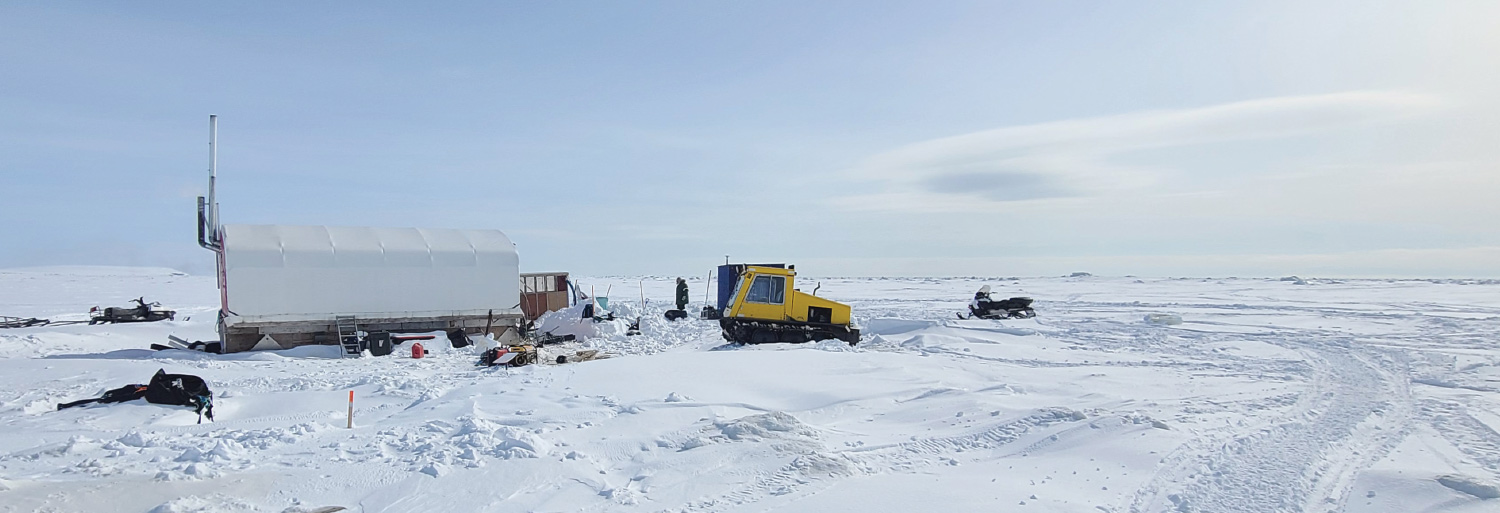
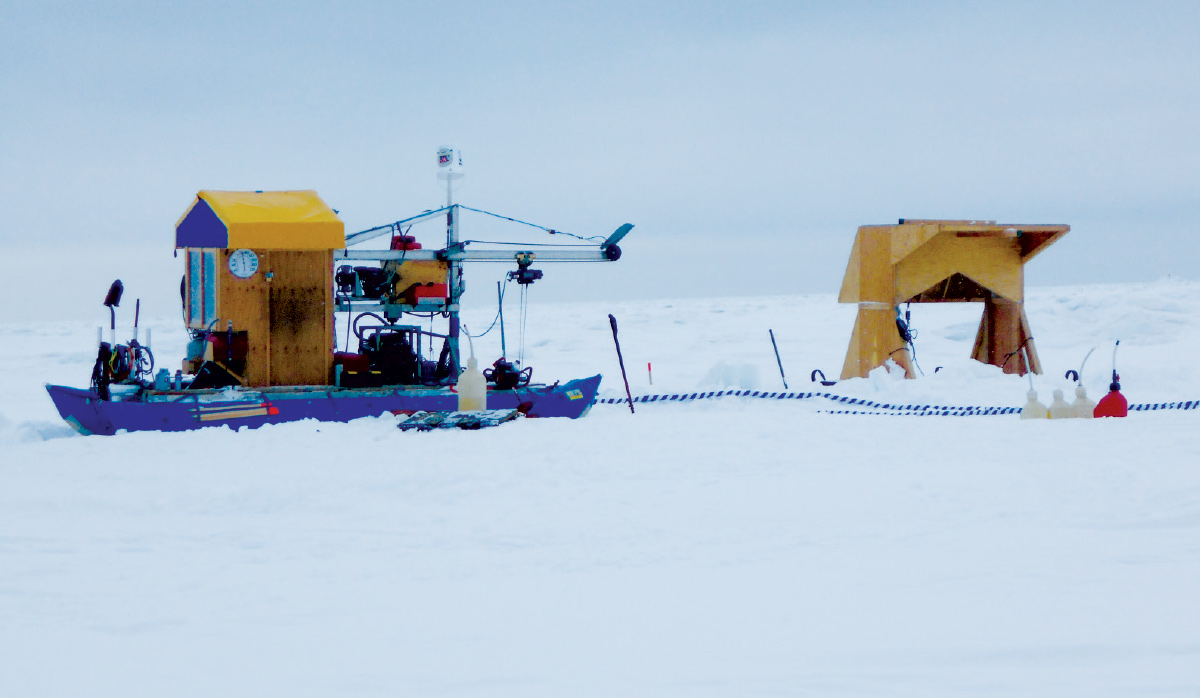
Winter dredging is not allowed in the public mining areas. On lease tracts or mining claims, operators are limited to diver-assisted small and medium suction dredges from January 15 through April 15. This timing accounts for increased nearshore red king crab mating activity. Permits include mandatory stop-work orders if divers spot crabs. The April 15 cutoff avoids deteriorating sea ice that could lead to shore fast ice breakup, safety risks, and potential spills.
“DNR has conducted detailed best-interest findings for Nome offshore mining leases, thoroughly evaluating economic benefits to the statewide and local Nome economy—such as jobs, business activity, and state revenues—alongside environmental, habitat, subsistence, fisheries, and navigation impacts,” Charron says.
DNR’s oversight activity coordinates with DEC on wastewater discharge, ADF&G on habitat protection, the Port of Nome and US Coast Guard on marine safety, and the Army Corps of Engineers on federal in-water work.

Alaska Department of Natural Resources
Alaska Department of Natural Resources
Alaska Department of Natural Resources
When problems do arise, “Occasional issues include dredge vessels operating outside approved lease or claim boundaries, housekeeping or logbook deficiencies, and recently expired approvals,” Charron adds. DNR addresses these via warning letters, corrective action requests, or authorization suspension.
The regulatory obligations continue year-round: an annual statement of labor is due September 1, rent is due September 1, reclamation statements are due January 1, Alaska Pollutant Discharge Elimination System general permit logs are due January 31, mining license taxes are due April 30, and production royalties are due May 1.
“Suction and mechanical dredges deposit processed sand, silt, gravel, and cobble directly back into the mined area as operations progress,” Charron notes. “In this high-energy marine environment—where frequent Norton Sound storms scour and reshape the seabed—reclamation focuses on ensuring operations do not leave cobble piles or obstructions that could pose navigational hazards in shallow waters, rather than restoring original contours.”
All three state agencies agree that the current framework adequately protects Norton Sound while allowing economic opportunity. “Nome offshore dredging operates under a well-established and closely overseen framework that includes best-interest findings, lease stipulations, multi-agency permitting, and field oversight,” Charron says.
Challenges for small-scale operators remain minimal. “Most offshore operators are smaller-scale suction dredges, making compliance relatively straightforward once operators familiarize themselves with area-specific rules,” Charron notes.
Bering Sea Gold may capture the drama of offshore mining, yet the careful regulatory balance ensures orderly access to the resource. The framework governing these operations demonstrates how Alaska manages resource extraction to protect the environment, respect subsistence uses, and allow economic opportunity—all in one of the state’s most dynamic marine environments.
The Gold Rush never ended in Nome; it just learned to follow new rules.