

Alaska Trends
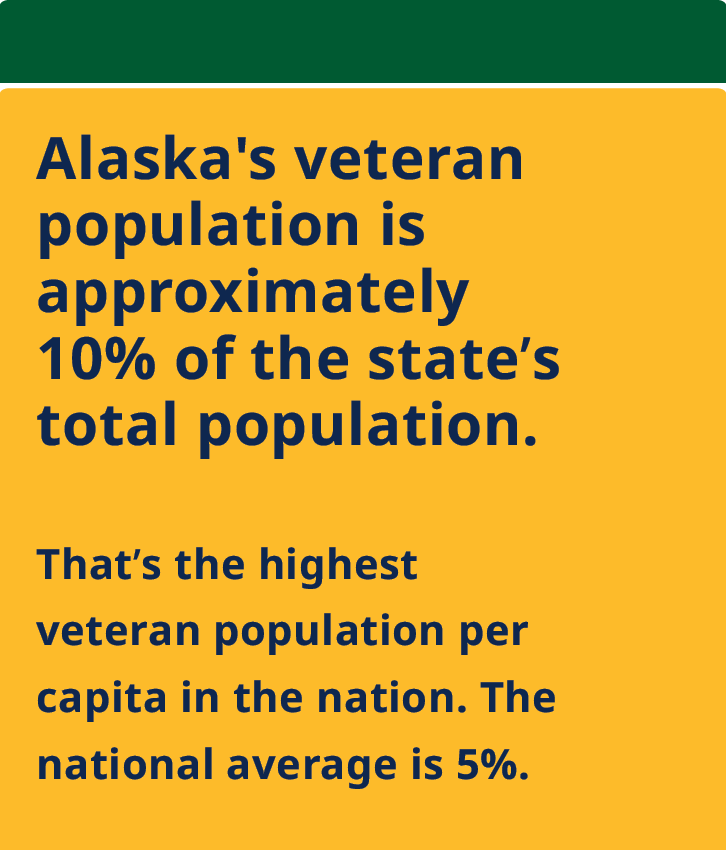
early 10 percent of Alaska residents are military veterans, the highest concentration of any state. They are eligible for services at hospitals and clinics managed by the US Department of Veterans Affairs (VA). Those facilities in Alaska serve nearly 38,000 patients, including mental health services. To accommodate a growing number of clients, the VA clinic at Joint Base Elmendorf-Richardson recently expanded.
Renovated rooms feel open, not clinical. “Veterans deserve places like this,” says Will Gordon, president and CEO of general contractor GDM. “Spaces that help them feel calm, safe, and taken care of.”
As recounted in Jamey Bradbury’s article “Designed to Care,” the VA expansion balances clinical needs with pleasing aesthetics.
To further elucidate those clinical needs, this edition of Alaska Trends examines the demand for and supply of mental health and medical care among the state’s military vets. A report prepared in August 2025 for the nonprofit Veterans Healthcare Policy Institute surveyed the topic to evaluate the effect of 2018 legislation that led the VA to contract with private vendors for nearly one-third of direct care. The data show a system still in the process of assembly, struggling to catch up even as a new generation enters the VA patient pool and while the department adapts to a nationwide reduction of staff in 2025 of 30,000 positions.
“Especially with the post-war veterans from Iraq and Afghanistan, mental health is a huge priority,” notes Gordon, a disabled combat veteran himself. “We designed this space anticipating future growth.”
When the ribbon was cut on the clinic expansion, staff and patients breathed a little easier, now that they have space to work comfortably.


of the veterans in Alaska are female

of veterans earn less than $50K annually

of the veterans in Alaska are retired
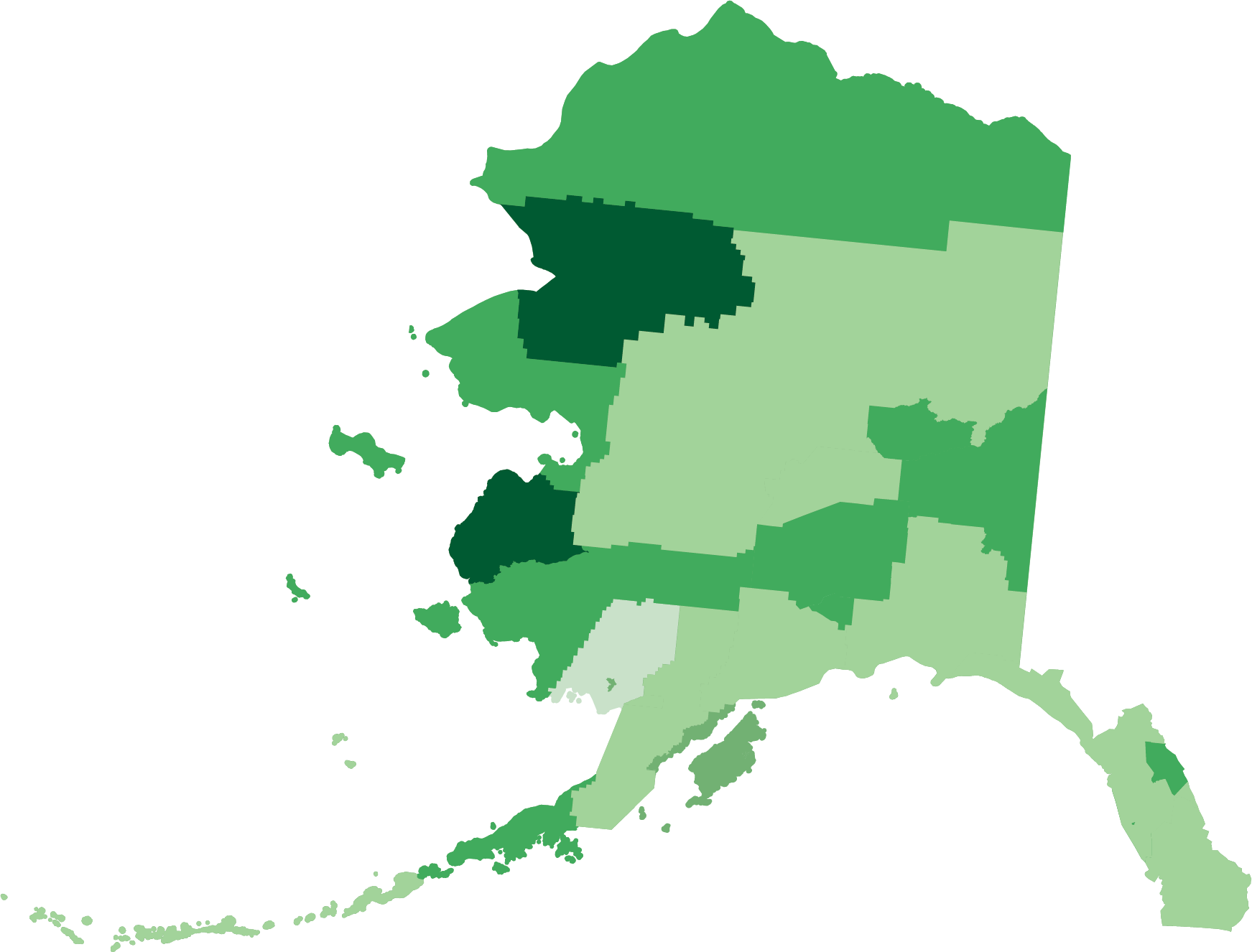
Outside of Anchorage and Fairbanks, most communities are designated “Health Professional Shortage Areas.”
27 of 29 boroughs and census areas have severe primary care physician shortages.
HPSA score
HPSA scores range from 1 to 25 for primary care. The higher the score, the higher the priority for receiving resources and incentives.

VA Inpatient Facilities
VA Outpatient Sites
VA Rehab Programs
VA Cemeteries
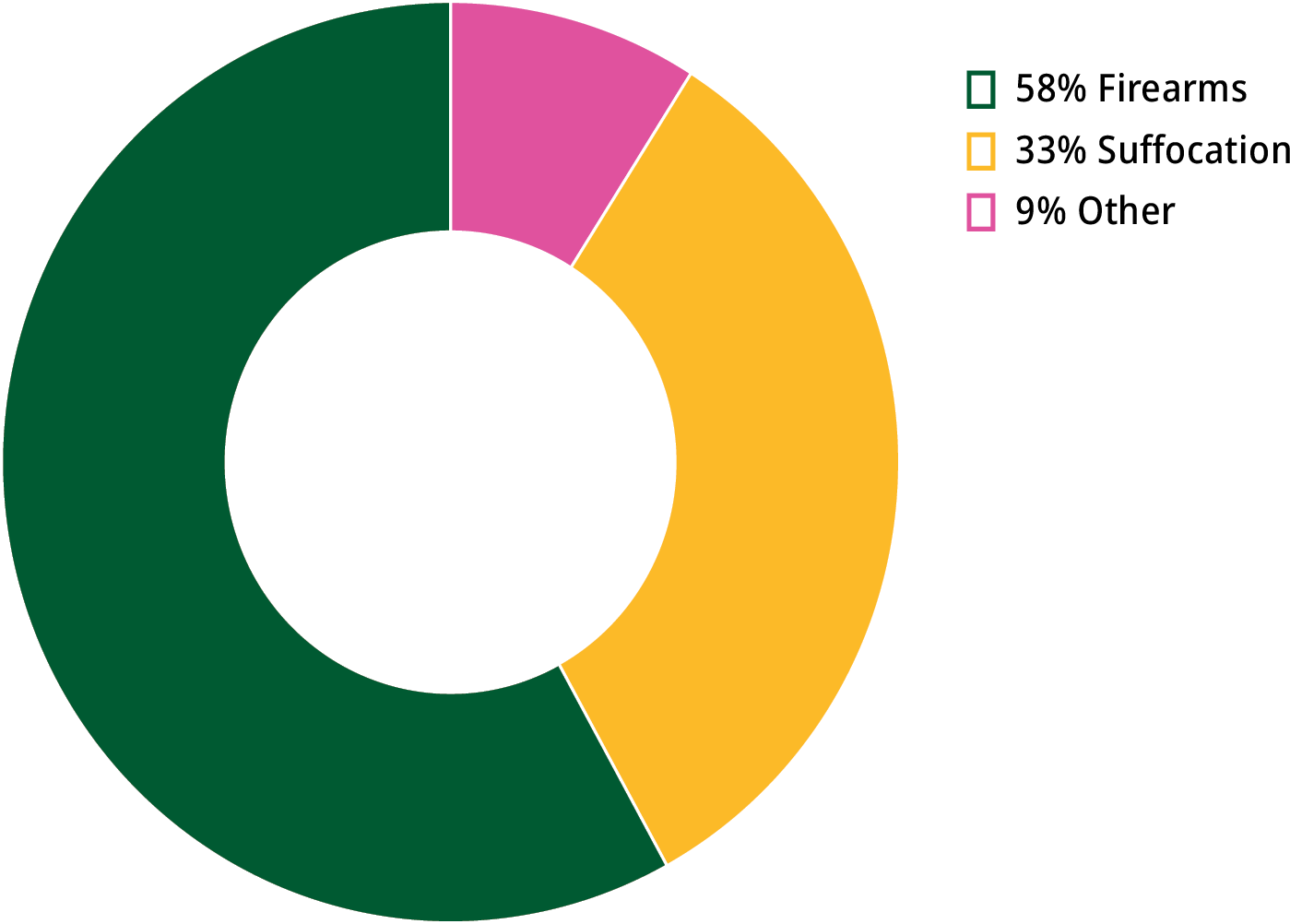
of suicides committed by vets in Alaska involved a firearm.
According to the VA, Alaska’s suicide rates among vets are significantly higher than the national general population suicide rate.

of mental health needs are currently being met in Alaska.
additional primary care providers are needed by 2030 to maintain the status quo. That would be 40% above current levels.