

ntil disaster strikes, building safety is something few people consider. In the past few years, earthquakes, snow loads, and high winds have done extensive damage around Alaska. After the fact, professional building inspectors play a large role in assessing damage and ensuring safety during repair. In advance of disaster, though, inspectors make sure new construction complies with building codes. While building inspections can certify the integrity of a building, it is only one component in preparing residential homes and commercial structures for the next unforeseen event.
Most people only meet a building inspector when they’re buying a home. Lending institutions usually require one to ensure code compliance for electrical, mechanical, architectural, and structural components. Although this category of inspection is the one most people are familiar with, it isn’t the only one. Baginski says at least six other categories exist beyond the buyer’s inspection.
PND Engineers
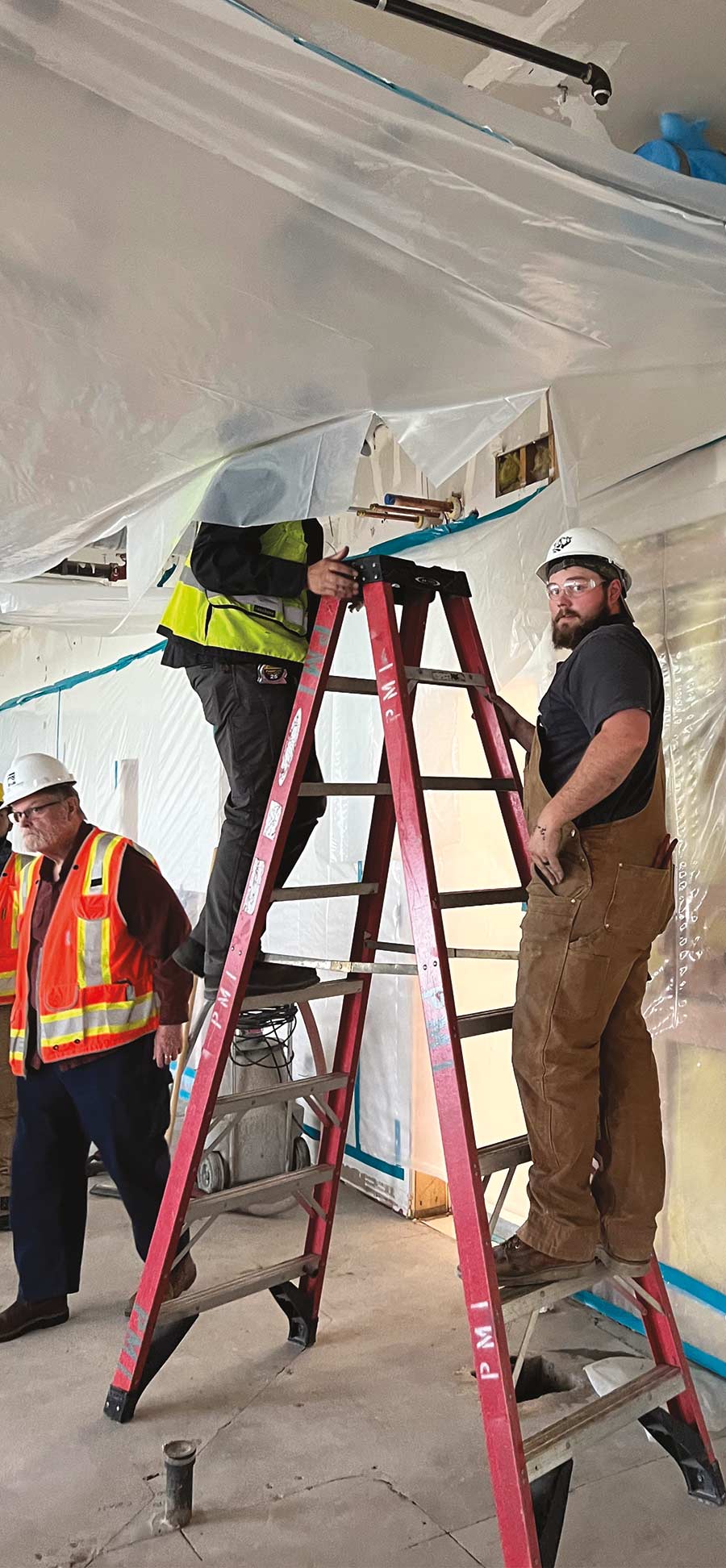
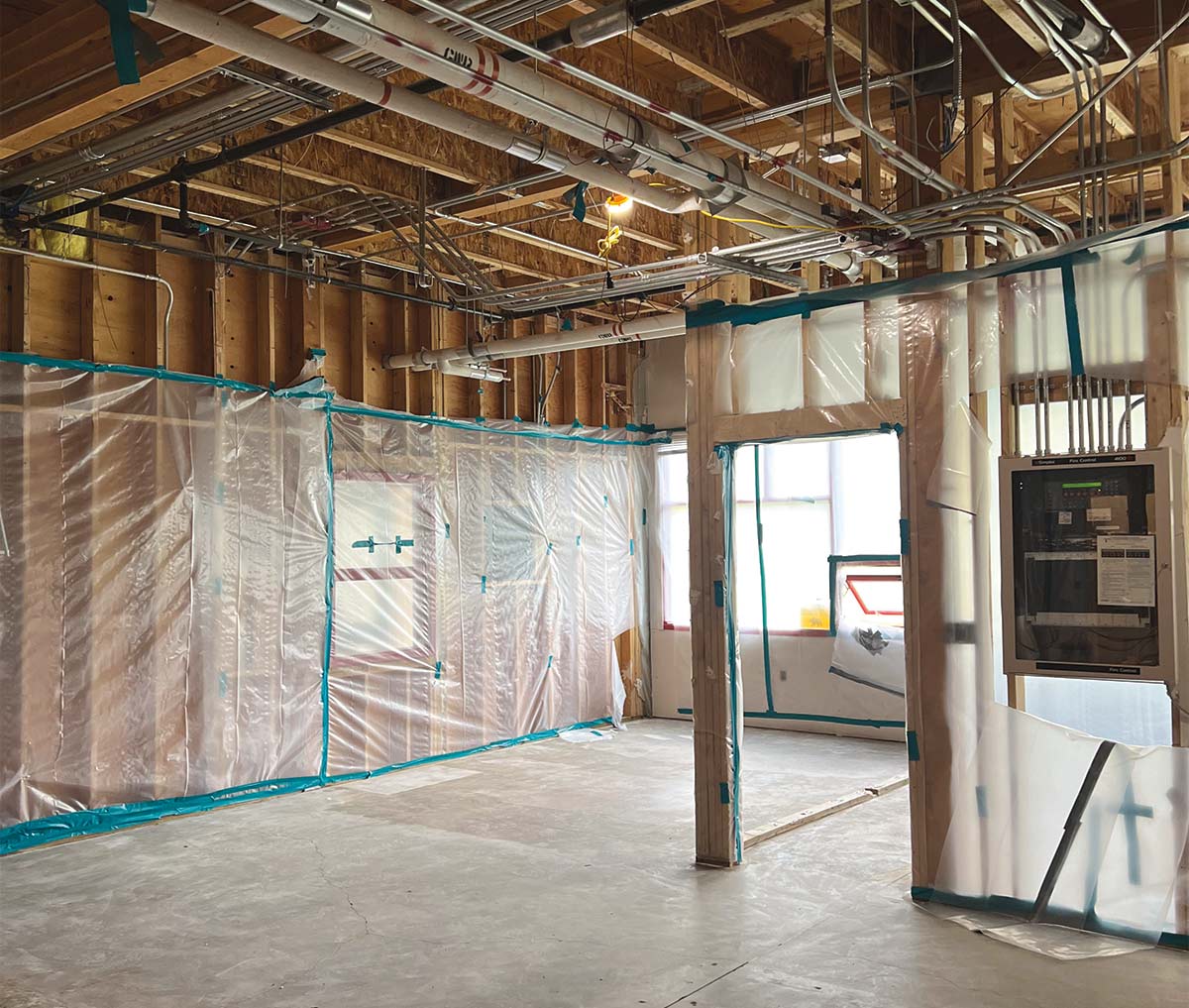
For older buildings or buildings that lack plans for documentation, a building structural inspection is called for. These can focus on a specific component, like a sagging beam or cracks in the basement walls, or they can be a complete assessment of structural soundness. This is different from an as-built structural inspection, which is a thorough documentation of how the building was put together. This type is typically done for buildings that don’t have a complete set of plans, generally when they are undergoing significant modifications.
Emergency structural assessments are the type that follows major earthquakes, extreme winds, or roof collapses. These aren’t close examinations; rather, inspectors search for evidence of structural distress such as cracked drywall, out-of-plumb walls, disconnected components, cracked windows, stuck doors and windows, failed foundations, or failed slopes outdoors.
“During the last major earthquake, thousands of these inspections were conducted in the area and resulted in a number of buildings being condemned,” says Baginski.
At times, inspections depend on the code requirements. For instance, a building special inspection follows the International Building Code for certain critical components, usually for seismic or wind resistance. Baginski says these inspections occur during construction by certified building inspectors approved by the local jurisdiction or by the engineer of record or designee. Some special inspections require additional certifications, such as for welding, where a certified welding inspector may be required.
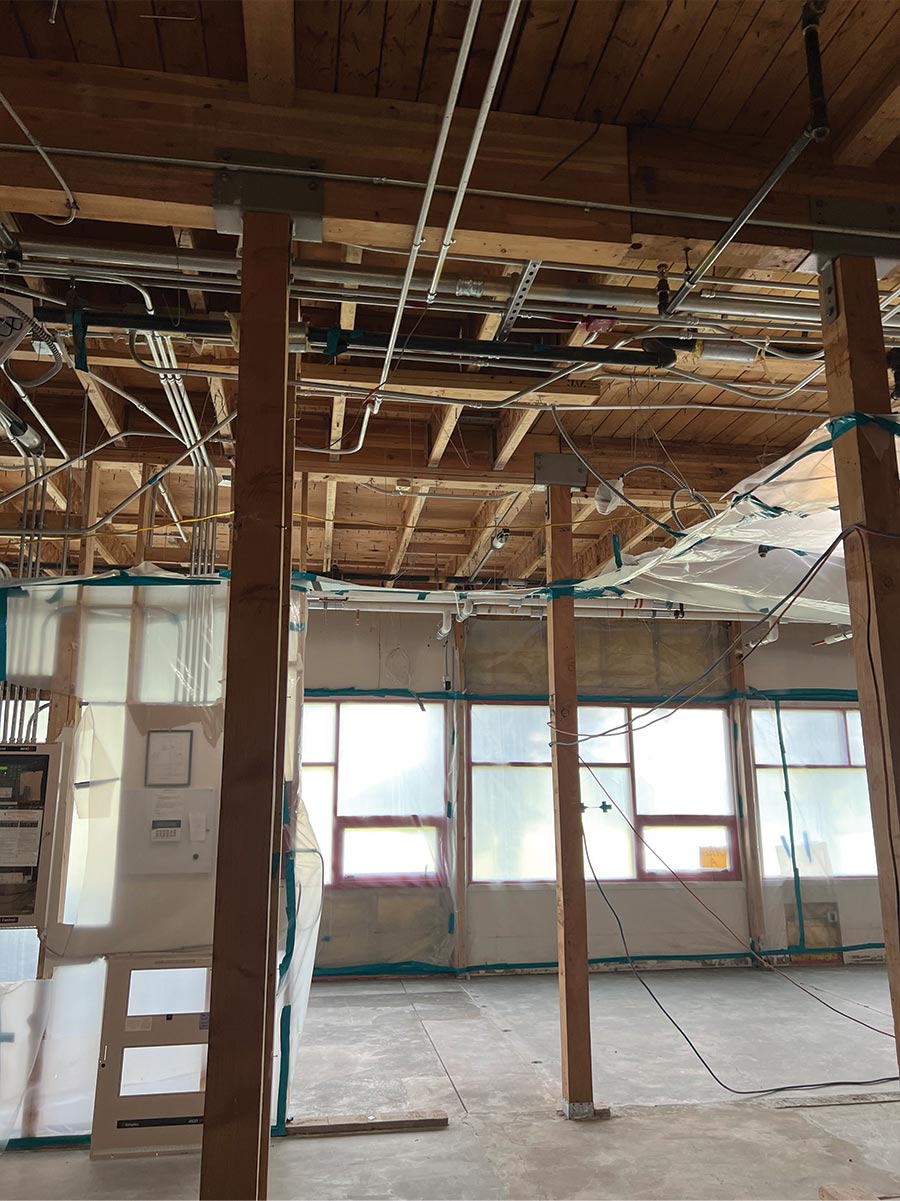
Baginski adds that credentials vary for each type of inspection. In general, all structural inspections are expected to be performed by practicing engineers familiar with the construction type. He says work should be overseen, if not conducted, by a licensed civil or structural engineer. Home inspectors are also required to obtain a state license. Likewise, within some jurisdictions (such as the Municipality of Anchorage), special inspectors must register with the city.
PND Engineers
Baginski says the most common errors PND Engineers finds when conducting inspections are misinterpretations of drawing details or items overlooked on plans or specifications. He says complex projects increase the possibility that something will be missed. His advice when working with a building inspector is to be honest and straightforward. He says if a problem is known beforehand, point it out to the inspector and try not to get confrontational.
“Most contractors are pretty respectful when dealing with inspections and inspectors,” says Baginski. “They know it’s part of the job and take care of things immediately. On the odd occasions where something significant is caught, we work out a reasonable approach forward with the contractor and owner, given the installed condition, to ensure the final product is safe and minimizes the impact on the contractor’s operation.”
In the United States, building codes fall under the purview of state and local governments. Most codes adopted by Alaska state agencies are a customized version of the International Building Code or International Residential Code (IBC/IRC). However, the statewide codes aren’t the standards used in every community. Local governments conduct an additional review before determining which of the statewide codes applies to their community.
“When state agencies do their review, they decide if they’re going to adopt a new version of code,” says Greg Latreille, principal engineer at BBFM Engineers, Inc. “Then local governments go through their own lengthy review and decide what to adopt and what to strike or if they want to make additional local amendments based on the needs of their community.”
New construction projects adopt any changes to the code as soon as they are approved, while existing projects continue under the code in which they were started. A set of building drawings will identify the code edition used during construction and inspection, including all the types of inspection required beyond the municipal level.
While local building codes are highly specified, state building codes still apply statewide to inspection programs like those administered through the Alaska Housing Finance Corporation. Likewise, certain inspection categories are required to follow IBC or statewide building codes. Most inspection requirements are dictated at the local level, also referred to as “deferred jurisdiction” or “jurisdictional level.” However, the State Fire Marshal governs if a city government doesn’t have a building department, as in Homer.
Despite well-defined codes, some communities have found loopholes. Latreille says most remote communities don’t have building departments or inspectors to enforce codes. Other communities like Eagle River opted out of requirements to submit plans prior to construction or have a city building inspector inspect and approve construction. Eagle River made this decision during the formation of the Municipality of Anchorage, and the practice continues to this day. Although many construction projects in the area still follow code and submit to building inspections, a large number in Eagle River don’t.
“Inspectors are critical to the process,” says Latreille. “People think they’re saving money by not having an inspection until something happens. At that point they have no choice but to fix the damage—or worse, deal with the loss of life.”
Latreille likens building without an inspection to driving on a highway without police enforcement. “People are going to speed because there is no chance of repercussion,” Latreille says. “Just having a cop there makes people play by the rules.”
Baginski emphasizes that chances are high that structures built after 1990 in larger cities have received multiple inspections during construction. As for buildings built before 1990, he says unless there was a major repair or remodel, there is almost no chance it was inspected, at least to today’s standards. When it comes to rural Alaska, Baginski says inspections are entirely up to the contractor. Bigger projects are more likely to have been inspected, but rural tract housing and spec homes have a high likelihood of bypassing inspection.
“It comes down to the level of insistence on the part of the owner to ensure inspections are completed,” says Baginski.
PND Engineers
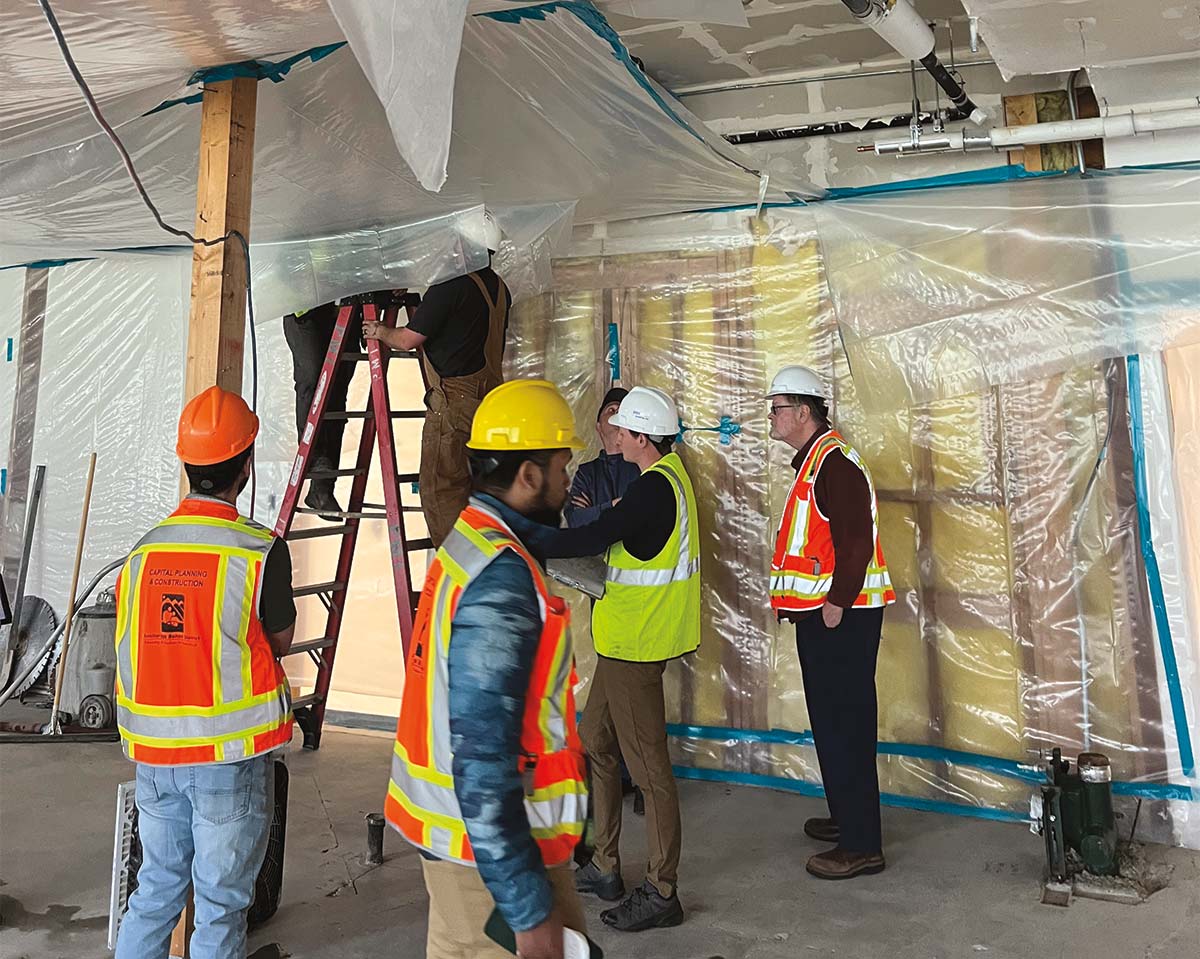
“Inappropriate design by a contractor is not necessarily something an inspector will pick up on,” says Latreille. “An inspector will be able to tell if a beam is not connected correctly, but a design flaw is something he won’t be able to identify.”
Likewise, extreme weather events like recent high winds are beyond the designed capacity of many existing structures. Latreille explains that well-designed structures are constructed to the expected environmental stresses. When the environment changes and loads are greater than before, then the chances for structural damage increase.

Still, Latreille emphasizes that the amount of damage in the Eagle River Valley caused by the 2018 earthquake could have been reduced or avoided if all structures had been built to code. Going forward, he encourages people with existing homes to consider having an inspection done. He realizes sometimes this is a hard sell because no one wants to voluntarily spend extra money. However, he says it’s unwise to think that, just because a structure survived the 1964 and 2018 earthquakes, it will survive the next extreme event. Just like snow and wind storms, he says no two earthquakes are alike.
“Building owners took it upon themselves to care enough to pay for an inspection and repairs,” says Latreille. “There are others who haven’t, either because they don’t thoroughly understand the situation or don’t have the funding to solve the problem.”