

formalized health and safety program is crucial for any business. While many business owners believe it is only important for companies with a large number of employees or businesses with high hazard operations, the truth is that every company can benefit greatly from a formalized health and safety plan. It can reduce the total cost of risk, increase safety throughout the operations, aid in dropping your experience modification factor, improve regulatory compliance, and prevent injuries. Other benefits include increased productivity, employee engagement, and helping maintain a positive safety climate and culture. And it is not that hard to start.
The key here is it must be developed to be driven by both company ownership down through management to the workers and (just as importantly) pushed up from the workers to the ownership. By having the entire company in complete alignment, the risks and hazards associated with the business operations are effectively “squeezed,” creating a safety atmosphere where everyone throughout the operation has buy-in. To achieve this, every facet of the day-to-day work must be assessed for hazards and controls, creating a pathway for all job tasks to be completed in a safe manner.
It starts with a statement of the company’s safety policy. This should include a brief paragraph illustrating the value of safety to the organization. When a company values the safety of its workers and is willing to stand behind that statement, engagement and alignment can begin. This documented statement does just that, so it will be the overarching theme throughout the program.
The next step is to establish safety responsibilities. While employers are ultimately responsible for the safety of the workers, a well-managed safety management system involves every worker in the organization. Role-specific responsibilities throughout the business create a framework within which everyone is responsible for safety.
The US Occupational Safety and Health Administration (OSHA) states in its General Duty Clause that employers “shall furnish to each of his employees employment and a place of employment which are free from recognized hazards that are causing or are likely to cause death or serious physical harm to his employees.”
In addition to the employer’s responsibilities, workers have duties within that safety system. This includes following safety procedures, wearing assigned personal protective equipment, reporting hazardous conditions, reporting all injuries, and using tools and equipment properly. OSHA also has requirements for required written plans that employees must be trained on prior to starting work. This regulatory requirement list is comprehensive, but some of the required plans are Hazard Communication, Emergency Action Plans, Fire Prevention Plans, and OSHA recordkeeping. A more complete list is available at the OSHA website.
The state counterpart, Alaska Occupational Safety and Health, offers free consultative services that can assist in identifying exposures and creating adequate written safety programs. Safety consultants are also great resources to assist in formulating these required programs, and they can lower the burden of time a company must spend developing these plans.
A workplace inspection that observes and documents the job tasks is another great place to start. A job hazard analysis can ensure that the worker understands the procedures for completing the work in a safe manner. A job hazard analysis describes job tasks in step-by-step fashion, identifies associated hazards at each step, and outlines proper hazard controls that minimize the risk of injury or illness to the individuals performing that task. This formalizes each task, minimizing the probability of an occurrence. This dynamic system can also be altered to adjust to working conditions and exposures.
A written safety program is not simply handed to the employee to read and sign; employees must be trained on these safety plans at the time of the initial assignment. Each segment of the manual should be reviewed with the worker, and each of the job tasks should be illustrated and conveyed so that the worker understands the process to conduct the work safely. Employee training should always be documented, and then reviewed periodically when changes are made, revisions are introduced, when the task or process changes, or when workers are not conducting the work as prescribed. Ensuring that workers understand the programs by observation, supervision, and mentoring will help to reinforce training and can help determine if training was sufficient.
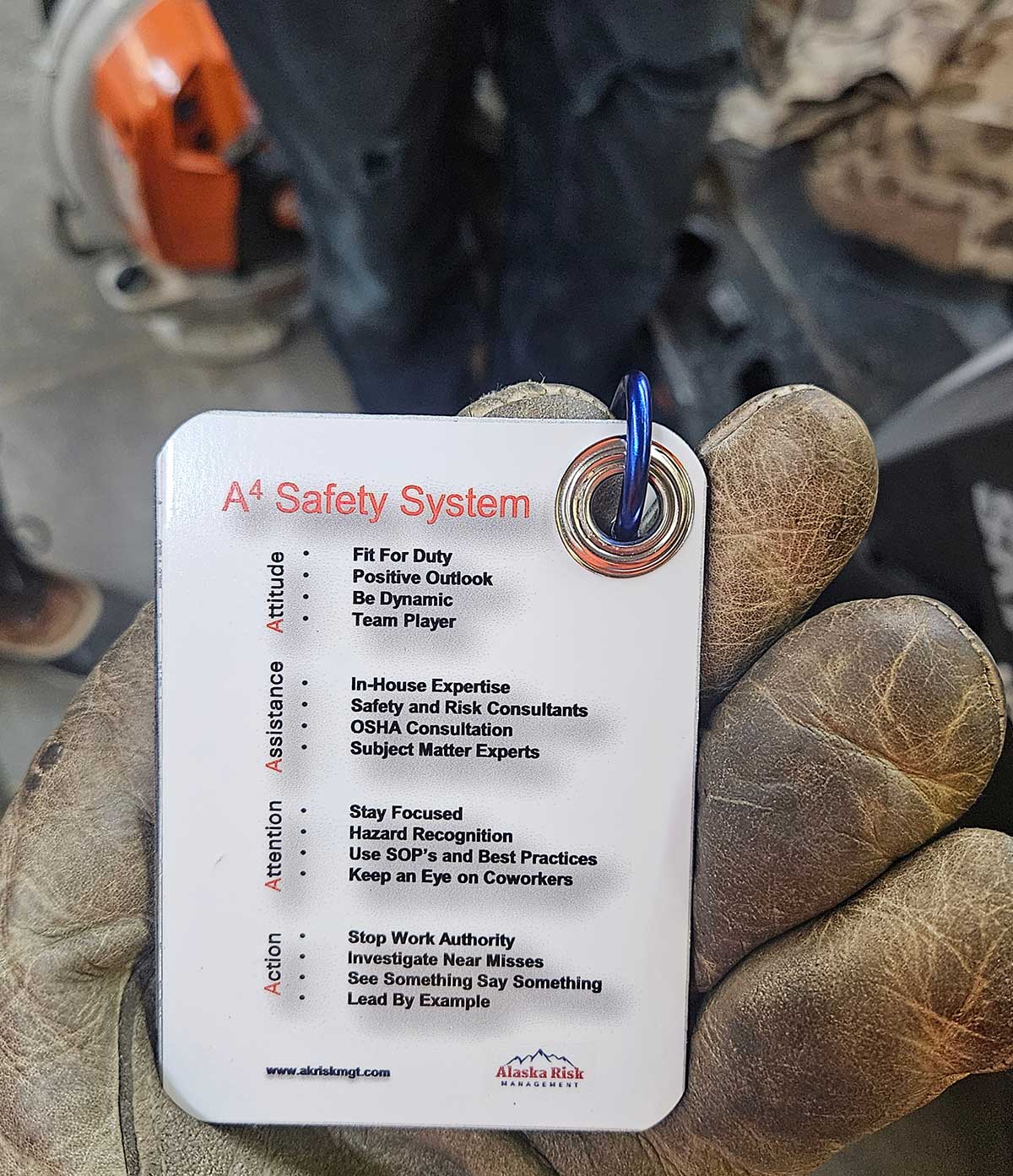
For companies that want to take their safety to the next level, consider a risk assessment tool. These formalized safety risk assessment programs are field-based systems that can be used for safety meetings, pre-task planning, stop work authority, near miss evaluation, and job hazard analysis. These tools allow teams to assess risk by evaluating hazards, human factors, processes, and procedures to ensure that everyone is working from the same safety perspective. Some of these systems are behavior-based safety, a proactive and data-driven approach to enhancing workplace safety by focusing on workers’ actions and behaviors. The goal of this methodology is to reduce hazards, risks, and occurrences by observing a worker’s behavior and determining what follows when said behavior occurs.
Jeff Hewitt | ARM Safety
One of the first questions asked on any workers’ compensation insurance application is, “Is a written safety program in operation?” Insurance companies assess safety programs to help determine premiums for workers’ compensation coverages. Insurance companies also use an experience modification factor to determine credits and debits by percentage to help calculate these costs.
By having formal safety programs in place, not only does the company get to check the “yes” box on the application, but that safety program is likely helping to reduce incident rates. This lower frequency can help underwriters create credits that reduce the cost of the insurance.
Formalizing a safety and health program is not as difficult as it might appear. Alaska businesses know their operations, and they know what needs to be done to get the work done safely. Having a solid written program that helps reduce the probability and consequence of employee injuries makes good sense. Not only is it going to benefit every business in the short term, but investment in a good safety culture will pay dividends for years to come. Start it now. When it comes to safety, there is indeed no time like the present.