

hree new leaders have recently joined health systems throughout the state—Esther Pitts as president and CEO of Mat-Su Health Foundation; Mark Roberts as CEO of Alaska Regional Hospital; and Deborah Berini as CEO of Providence Alaska.
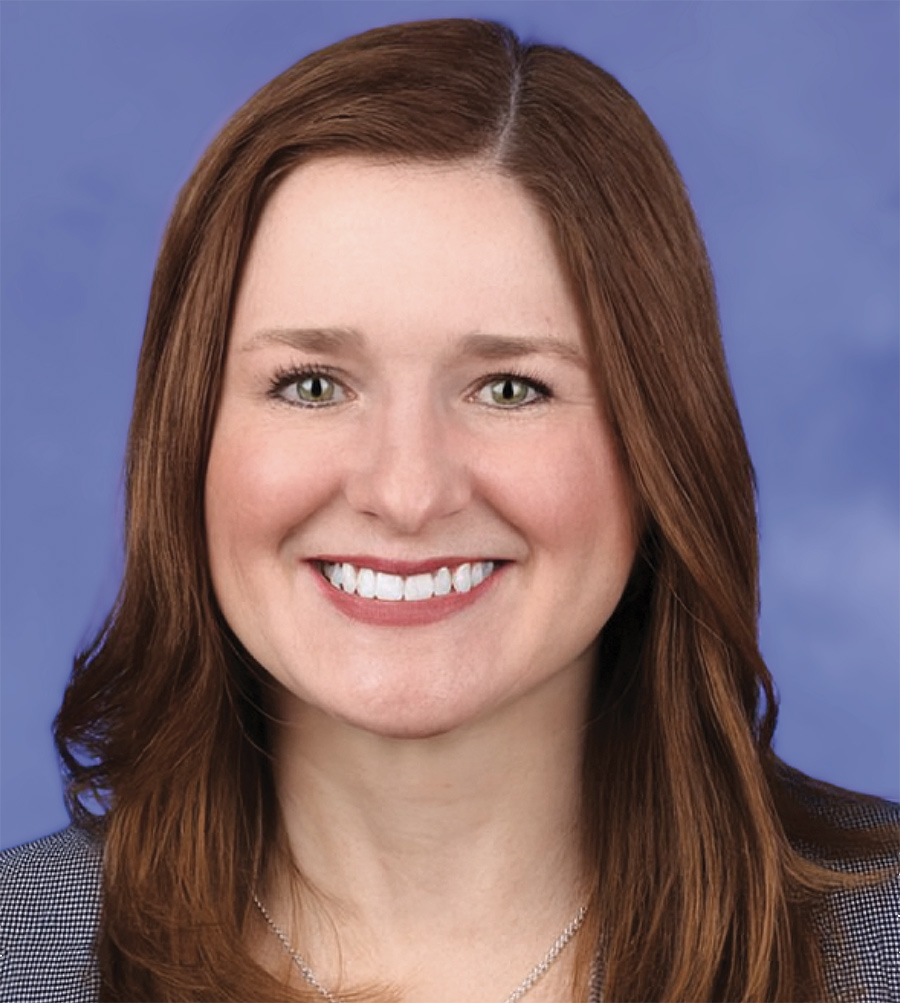
Berini arrived in February from the plains of Missouri. “We’re excited to drive the Alcan and to make Anchorage our home,” Berini says. “And I’m looking forward to joining Providence Alaska because of the unique alignment of mission, values, scale, and impact of this role.”
Providence Alaska
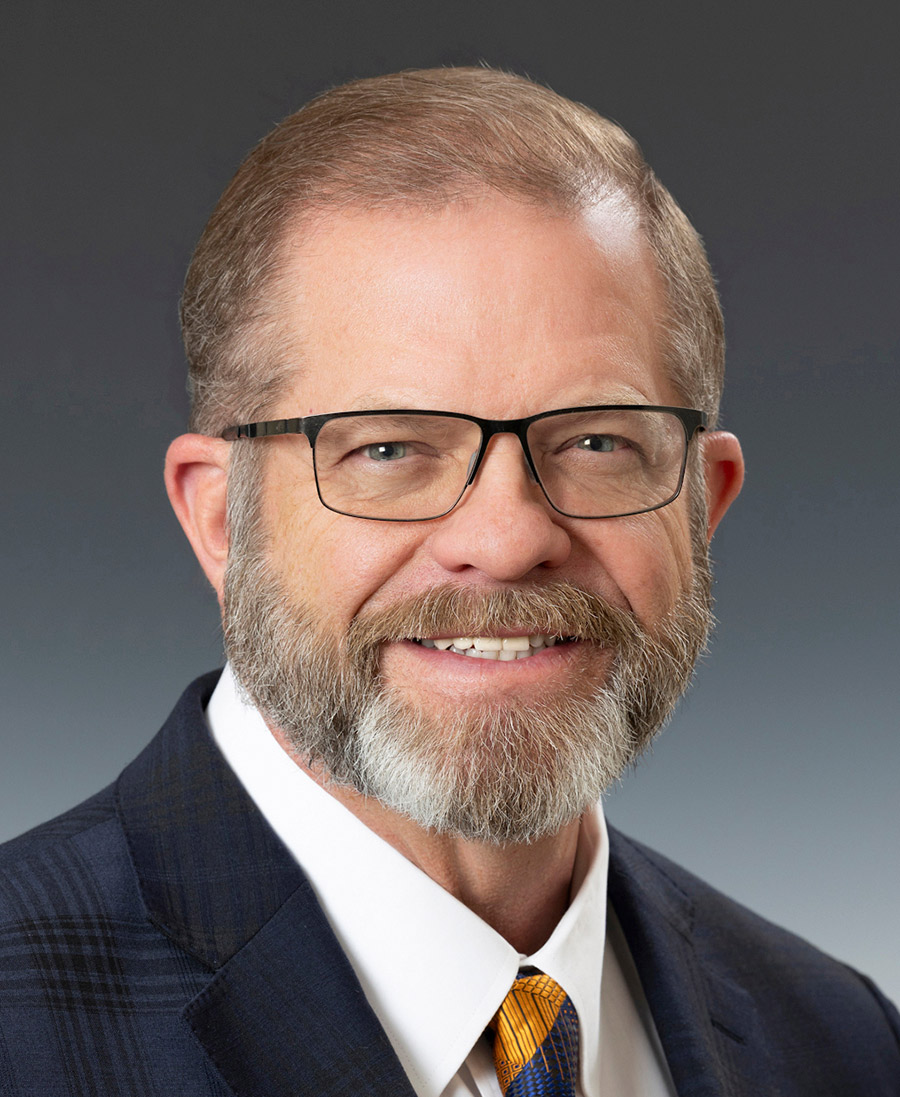
Alaska Regional Hospital’s (ARH) new CEO arrived in Anchorage after flying more than 3,000 miles from Texas. Not business class; not even coach. Roberts was behind the yoke of his twin-engine Cessna Skymaster for three full days.
“It was a true adventure and an unforgettable way to start this chapter in the Last Frontier,” he says. “In spite of multiple refueling stops, two customs and border security checks, and plenty of cloudy, stormy weather along the way, I arrived in Anchorage to officially begin my new role.”
Mat-Su Health
Foundation
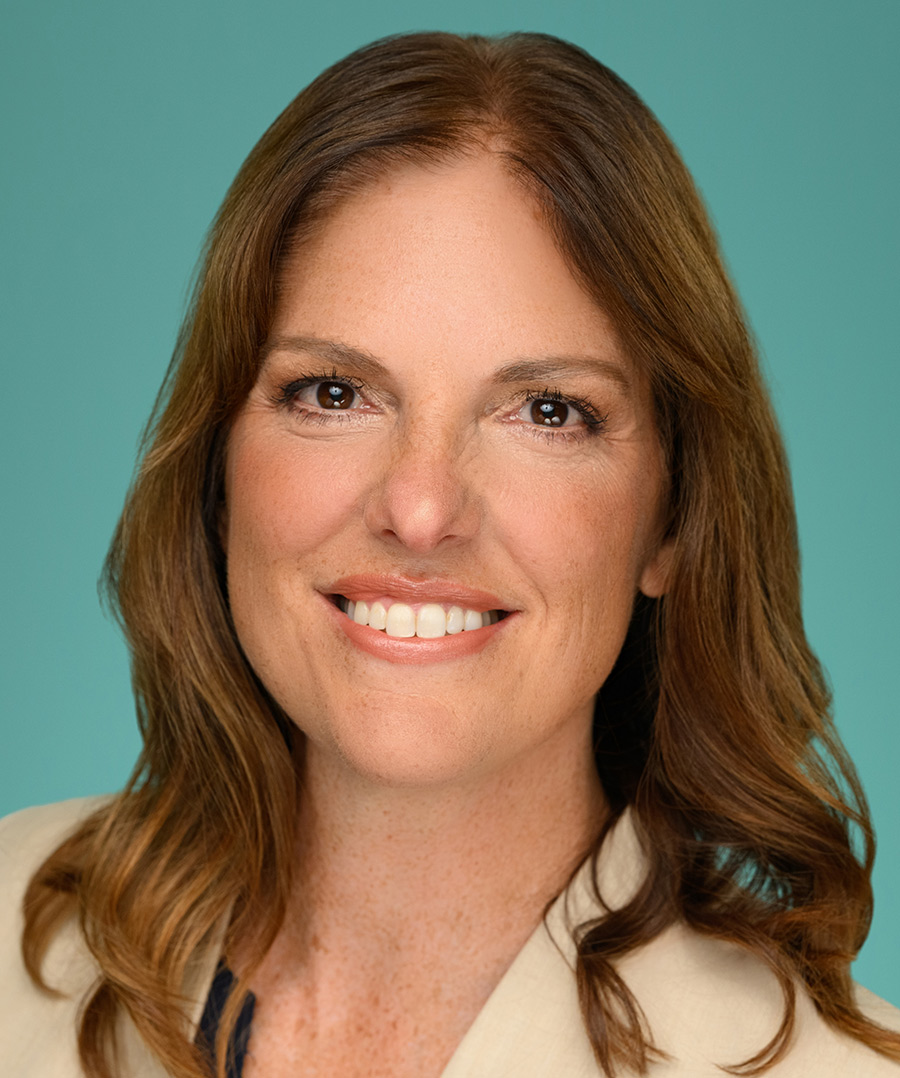
“My insurance at my government contracting job wasn’t great, and when I found out that Providence covered asthma treatment 100 percent, that changed my mind,” says Pitts, whose middle child suffers from the condition. “While I took the job to get affordable, accessible healthcare for my family, it opened up a whole new world and a love for this kind of work that I had never imagined.”
Roberts’ assignment to ARH was partially an internal promotion. His previous job was COO at Corpus Christi Medical Center in Texas, owned by ARH’s parent company, Tennessee-based HCA Healthcare.
“What drew me to HCA Healthcare, and what continues to inspire me, is the combination of purpose, opportunity, and scale,” says Roberts. “Our mission is, ‘Above all else, we are committed to the care and improvement of human life.’ That commitment shows up every day in the work of our colleagues and the difference they make for patients, families, and the communities we serve.”
As one of the nation’s largest healthcare providers, HCA Healthcare includes about 190 hospitals and more than 2,400 care sites, supported by more than 316,000 professionals across the United States and United Kingdom.
“That scale helps us share ideas and proven practices across facilities and make meaningful investments in technology, research, and innovation, all with the goal of advancing care, safety, and efficiency,” says Roberts, noting that he values the company’s dedication to combining its mission with real, measurable investments in the communities it serves. “Through partnerships with nonprofits and support for programs that promote well-being, we’re able to help meet needs beyond the walls of the hospital.”
Alaska Regional
Hospital
Berini most recently served as president of a nonprofit Catholic health system in her home state of Missouri: SSM Heath DePaul Hospital in St. Louis.
“Providence Alaska’s Catholic health heritage has demonstrated a longstanding commitment to serving the whole person, particularly the poor and vulnerable, and this is closely aligned with how I’ve approached leadership in my career,” she says. “Providence Alaska is a steward of the health and well-being of Alaskans, and the opportunity to lead an organization with that level of responsibility and purpose is deeply compelling to me.”
Sustaining a vibrant workforce remains the healthcare industry’s biggest opportunity—retaining clinicians by addressing burnout as the aging patient population fuels rising demand for services. “This is felt with particular intensity in Alaska, where delivering care across vast rural and remote geographies demands adaptive models of care, deep community partnerships, and technologies that extend clinical reach well beyond the traditional settings seen in the Lower 48,” Berini says.
Roberts agrees that workforce shortages across the care continuum remain a persistent challenge. “Staffing continues to be one of our most significant challenges in the post-pandemic environment,” he says. “Healthcare professionals have faced extraordinary demands over the past several years, and rebuilding and strengthening our workforce is a top priority.”
Roberts also notes that local access to long-term post-acute care is lacking, especially as skilled nursing facilities and long-term acute care hospitals play a critical role for patients who are well enough to leave the hospital but not yet able to return home safely.
“Access to care remains one of the most significant challenges, particularly access to primary care,” he explains. “Alaska needs a sustainable payer model that ensures people have adequate insurance coverage to access preventive, routine, and emergency services. Without strong primary care, patients are more likely to delay care and rely on emergency departments, which increases costs and worsens outcomes.”
While Texas has its own difficulties with delivering healthcare in rural communities, Roberts observes that Alaska is at another scale. “Rural outreach is another major challenge in Alaska. Our geography, weather, and infrastructure create real barriers to delivering consistent care in remote communities,” he adds. “Recruiting and retaining healthcare professionals, maintaining continuity of care, and ensuring timely access to services all require innovative and flexible approaches.”
Healthcare systems across the country also face escalating supply costs in an inflationary environment with increased capital costs. “This requires discipline and stewardship to continue to invest in infrastructure, access, and to ensure the long-term sustainability of the organization,” Berini says.
Infrastructure investment is coming soon to Mat-Su Regional Medical Center. The hospital, whose ownership is split between Franklin, Tennessee-based Community Health Systems, Inc. (65 percent) and the nonprofit Mat-Su Health Foundation (35 percent), is advancing plans for a forty-five-bed behavioral health center, to be built adjacent to Mat-Su Regional Medical Center. The center, expected to open in 2028, will expand inpatient psychiatric care for adults and adolescents, reduce pressure on emergency rooms, and create fifty full-time jobs.
Pitts says she is focused on creating clarity, accountability, and impact to improve the health and wellness of the Mat-Su community. In addition to co-owning the local hospital, the foundation offers financial and strategic support to community nonprofits.
“We want to make ourselves accessible to the community to the point where we’re walking alongside them, helping them navigate the system to receive the care they need,” says Pitts. “Healthcare in general is really complex and hard to understand, even if you’re an insider who understands the jargon.”
“I want us to be more intentional in how and what we do,” she explains. “I want us to have a high level of transparency within the community, and that means sharing our milestones, our measurements, celebrating when we hit it out of the park, and finding out what we missed. I want to go back to the basics in order to establish a base-level foundation for true change that will far outlast any one of us.”
Pitts earned an MBA degree with a focus on healthcare leadership from Capella University. She is a certified professional healthcare risk manager and holds certifications in human resource management.
But even she can use extra expertise. Pitts hired three new executives to round-out MSHF’s five-person executive team. “Over the past six years, the foundation has grown exponentially, and we needed a robust leadership team to achieve clarity, accountability, and impact,” she says. “One thing we’ve been working on as a team is defining who we are accountable to. This includes not just ourselves, our patients, and our board of directors but also the community as a whole.”
Roberts began his career as a radiologic technologist, and he later led imaging programs at UC Davis Medical Center. He served as head of imaging and catheterization lab services at King Faisal Specialist Hospital and Research Centre in Saudi Arabia before joining HCA Healthcare in 2011.
As CEO of ARH, he brings several lofty goals. “When I stepped into this role, my goals were centered on strengthening the foundation of our organization while expanding our impact,” says Roberts. “First, we focused on improving overall quality performance—ensuring that every patient receives safe, high-quality, evidence-based care. At the same time, we worked to better align our services with the evolving needs of our community, particularly by expanding access to specialty care across the region so patients can stay closer to home.”
Roberts also prioritized investing in ARH’s facilities by updating, upgrading, and modernizing its physical plant. “Operationally, keeping our emergency department open 24/7 and reducing the need to go on divert has been a major focus, as consistent, reliable emergency access is critical for any community,” he adds.
Berini is a career health administrator, with a master’s degree from Washington University School of Medicine. Prior to her position at SSM Health DePaul Hospital, Berini was president of Penn State Health-Milton S. Hershey Medical Center. She previously served as COO at the University of Texas Medical Branch Health System and was an associate vice president at the University of Alabama at Birmingham. She has also served nationally as an advisor to health systems on how to reduce clinician burnout.
Berini says that her immediate goals as Providence CEO are grounded in listening and learning. She aims to build strong relationships with caregivers, physicians, and leaders throughout her new home. “I’m focused on ensuring continued, safe, high-quality care, strengthening the workforce, improving access, and positioning Providence Alaska for long-term sustainability to deliver exceptional, trusted care for Alaskans now and for generations to come,” she says.
“For me, healthcare is about people; about showing up for them at their most vulnerable moments and making a meaningful difference,” she says. “I’m always inspired by caregivers’ compassion, resilience, and unwavering commitment to excellence.”
That inspiration began with family ties. “My motivation to work in healthcare is deeply rooted in values instilled by my grandmother, who taught me the importance of serving others,” she adds. “I feel very fortunate to have a career where I can live that value every day by supporting caregivers and strengthening the communities we serve.”
Berini adds that there are exciting possibilities that come with the responsible use of telehealth, AI, robotics, and advanced digital tools. “These tools offer real potential to improve access, productivity, and care outcomes. However, they also require significant investment, training, governance, and disciplined change management to deliver meaningful value at scale for organizations,” she explains.
One of Roberts’ primary long-term goals for ARH is to strengthen alignment and collaboration with hospitals and clinics across the state. To this end, ARH is partnering with local universities, schools, and training programs to create clinical learning environments for nursing and allied health students.
“Our communities are best served when we work together strategically. By better coordinating services and specialties statewide, we can ensure we’re meeting the true needs of Alaskans,” he says. “A key part of that effort is expanding access to specialty care so more patients can receive the care they need closer to home, rather than having to travel out of state.”
MSHF has a very concrete goal for the remainder of this decade, which Pitts is committed to achieve. “In order to become the healthiest borough in Alaska by 2030, we can’t follow our mission in isolation,” says Pitts. “Oftentimes, nonprofits lack the power and voice to make change, which is why we’ve also partnered with state senators and representatives to look at community needs and the policies around health and systems change.”
She adds that MSHF also works with tribal partners to ensure that it is being culturally responsive. “In our partnerships, we sometimes lead, sometimes assess from the side, and sometimes lead from behind,” she says. “These partnerships are what make any level of success or impact possible.”