

large membership base can significantly impact a professional organization’s success. Naturally, it’s no surprise that onboarding new members is a consistent goal among organizational leadership.
However, enlisting new members is more than just increasing numbers. New members often lead to new collaborations, new programs, or additional support for Alaska industries. They are also key to creating employment opportunities that will ultimately result in a sustainable Alaska economy.
“Our mission covers a lot of territory, both geographically and programmatically,” says Carty, “but this is the work that guides us every day.”
Professional organizations and trade associations exist to support, represent, and advance industry or specific career fields. How they accomplish their mission often depends on the needs of their membership. Determining these needs is a mix of quantitative and qualitative analysis.
AKMA formed in 2025 and is still growing. At any stage, though, adding new members is important to the health of associations. A large membership base increases a professional organization’s revenue and financial stability, enabling it to expand its programs and services for members.
However, bringing new members to the fold takes more than baseline marketing. Professional organizations often implement business-to-business strategies to build long-term relationships and high-value collaborations, which fits given that members are primarily other companies and nonprofits rather than individuals. In this context, membership numbers might appear low, as a company counts as a single member even though all employees receive benefits.
Furthermore, as Militello explains, growth isn’t just about numbers. A major part of growing a membership is defining who a professional organization serves and the challenges it can address.
“Growth is not about volume,” says Militello. “It’s about building the right network.”
To build the right network, associations must provide benefits to its members. Common benefits provided include representation, advocacy, networking, industry knowledge, training or professional development, and access to unique technology. The specific form of these benefits depends in part on members’ location, the problems they seek to solve, and the economic and political climate in which they operate.
“The challenge really is to find the value for any company’s specific needs,” explains Carty. “What programs, initiatives, or actions are we doing that connect with the company’s training workforce or community engagement value? Each member is unique, and it often takes several conversations for us to find that fit.”
As a young organization, AKMA has relied on a five-stage approach to increase its membership. First, AKMA leads with relevance through programming, roundtables, and partnerships, which are built around real challenges Alaska manufacturers are navigating, from workforce gaps to supplier connections. Second, AKMA leverages visibility and storytelling to highlight member wins, showcase Alaska-made products, and position itself as the connector within the ecosystem. Militello says when members see themselves reflected in the network, they are more likely to engage and invite others in.
Third, AKMA builds intentional partnerships and collaborations with industry groups, economic development organizations, and service providers to expand its reach while reinforcing its credibility. Fourth, it creates clear pathways to join by communicating what AKMA stands for, what members gain, and how to get involved. This is to reduce friction in the decision-making process. Finally, AKMA prioritizes retention as much as recruitment through strong onboarding, consistent communication, and meaningful touchpoints to ensure members stay engaged.
“Sustainable growth comes from members who see ongoing value and bring others with them,” says Militello.
This blueprint has proven successful for AKMA. In a short time, it has grown from an idea into an active community with events, partnerships, sponsorships, and structured membership benefits.
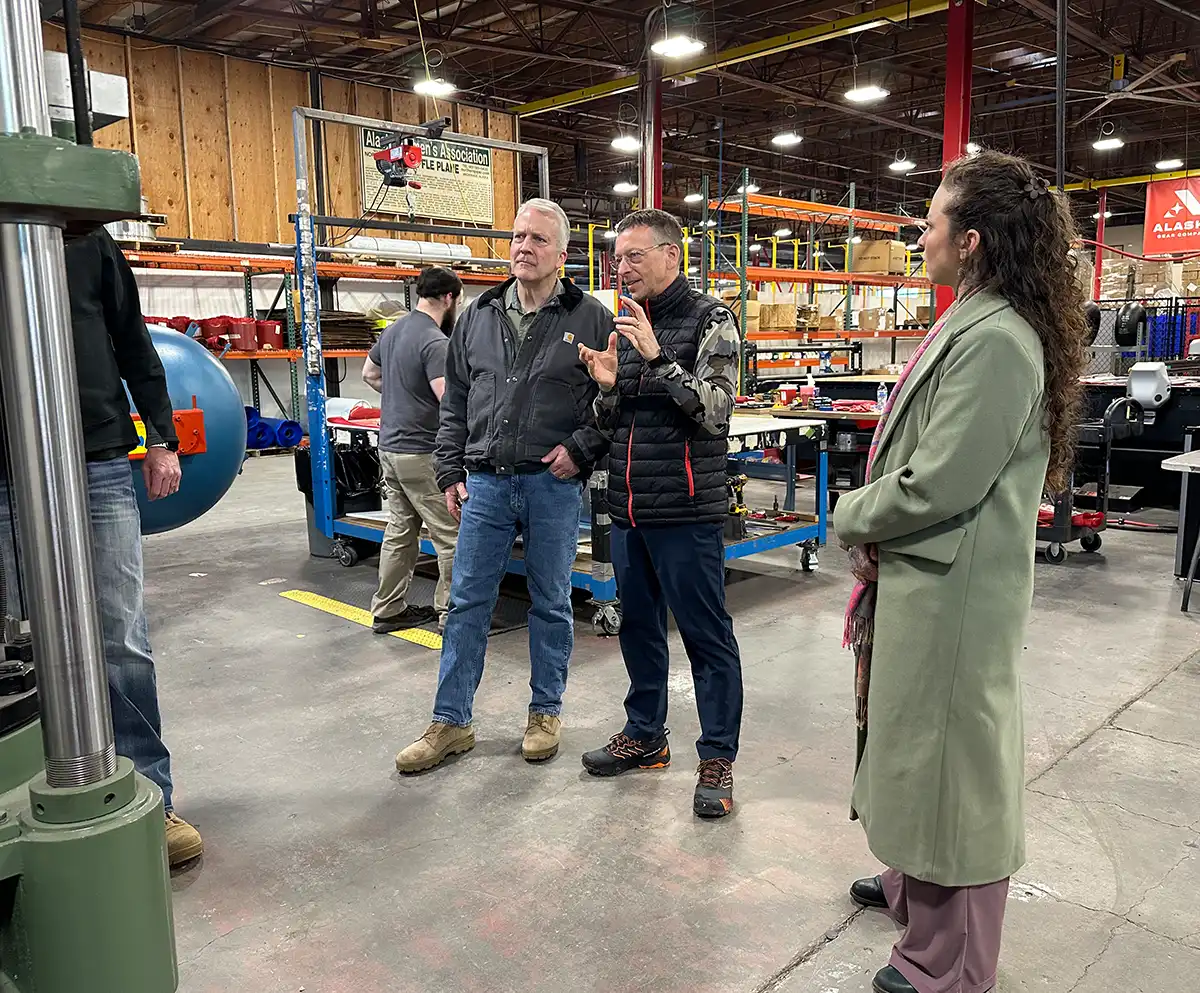
Alaska Manufacturing Association

Alaska Manufacturing Association
In her sixteen years with the organization, Carty can’t remember the board setting a specific goal number for new members. However, ASA/AWA is always ready to discuss its programs and services with industry sectors that can benefit from them. Carty points to engagement with the maritime sector as an example of how the alliance adds new members. She says conversations with a group of businesses about a maritime workforce development plan in 2014 opened the door to prospective members.
“They got through the exercise of writing a plan but didn’t have the staff to really implement it,” says Carty. “Through conversations, we talked about how we could take that on and how we can manage that.” Carty says ASA/AWA now manages the maritime workforce plan along with other training programs.
From there, building membership involves having additional conversations with companies about the benefits of and philosophy behind its services.
Most professional organizations offer category-based, tiered membership rates. For some professional organizations, such as ASA/AWA, the chosen member category can determine board eligibility and voting rights. For others like AKMA, members will have access to all benefits regardless of their chosen membership category.
One of the biggest challenges of increasing membership is geographic distance. This is particularly true for potential members in rural areas who need to travel to urban areas to attend events. Many professional organizations will rotate event locations or, when possible, add a virtual component to make access easier. By making participation possible, professional organizations demonstrate to potential members the clear benefit of membership.

Alaska Manufacturing Association
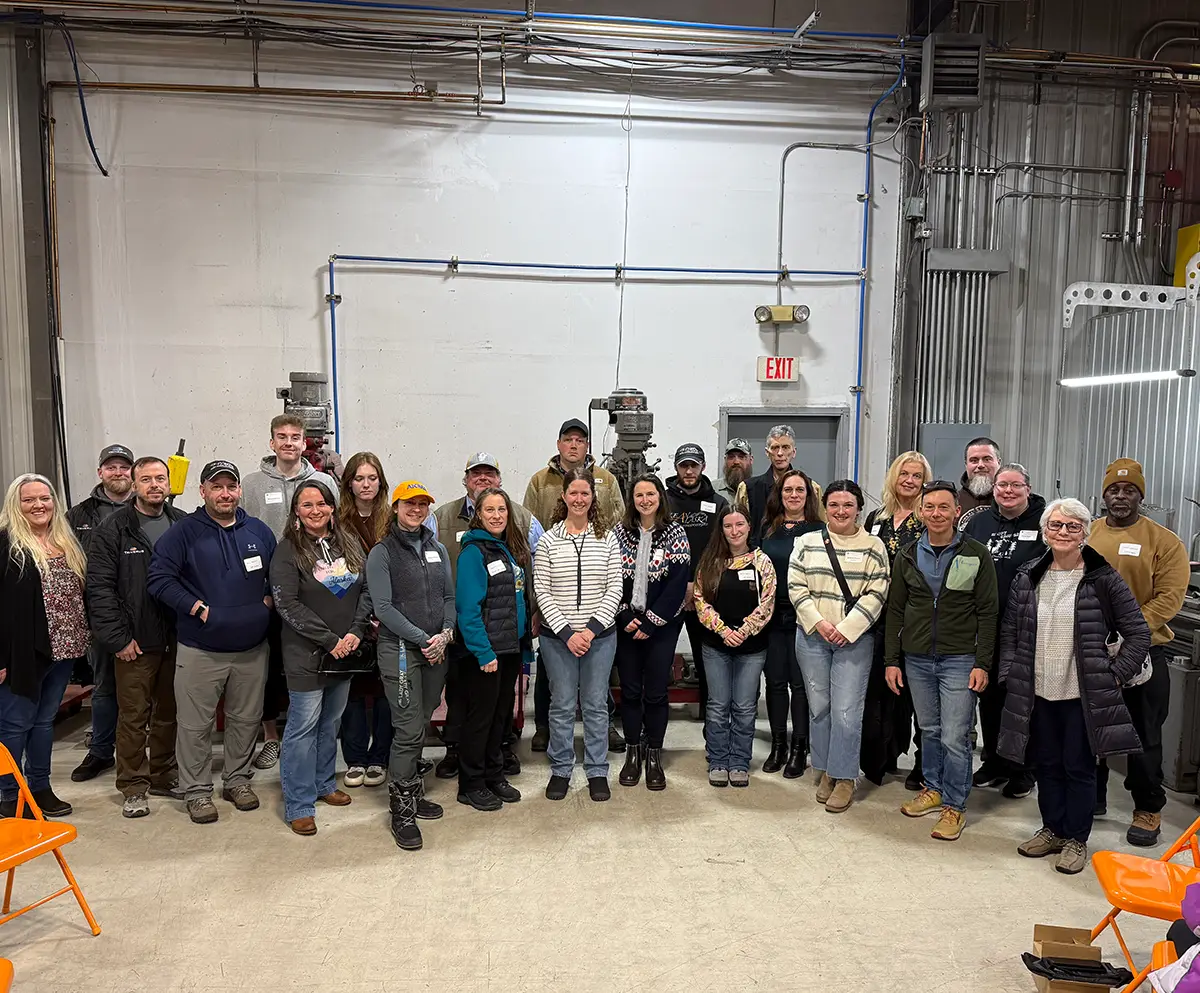
“A stronger, more representative membership base amplifies our voice with policymakers, economic development partners, and industry stakeholders, which benefits every member,” says Militello.
From an industry perspective, a larger, more engaged network helps keep activity in-state, supports local supply chains, and reduces reliance on outside vendors. Stronger industries can lead to a stronger, more diverse economy and increase job creation.
As more working-age residents reach retirement, Alaska industries continue to look for new ways to recruit and train the next generation of workers. Through outreach programs, professional organizations can present in-state employment, training, and education opportunities that encourage working-age individuals to stay in the state.
“Outmigration is always a conversation we’re having in workforce development,” says Carty. “We’re rife with opportunities for young people getting started in their careers, but I don’t think they always see that, so we have to do a better job of career awareness.”
Carty says nonprofit organizations like Alaska Resource Education are making great efforts to increase contact hours with students to introduce them to science, technology, engineering, and mathematics careers across different sectors of the state’s natural resource development industries. She says organizations that market career opportunities in Alaska are critical to reducing outmigration.
A business might choose to island itself, operating as a rugged loner. But associations are out there to multiply a company’s effectiveness.