

Ascendant
hen an editor asked me to submit film-based photographs for a story of mine and the second roll came off the spool inside the camera, I faced what seemed like a classic problem. How could I salvage the film without exposing it to any light so I could mail the film—and not the whole camera—out of state for processing?
The solution—via a tip from local photographer Brian Adams—revealed an unexpected resurgence in film photography.
For a time, one of the only options—for those who knew—was a marketing agency production manager, who did some film developing on the side. When people asked, Stewart’s Photo Shop, a Downtown Anchorage institution since the ‘40s, sent film-bearing customers to Kahleal Milner’s house.
From 2019 through 2021, he kept order forms next to his mailbox and treated film developing as a sideline.
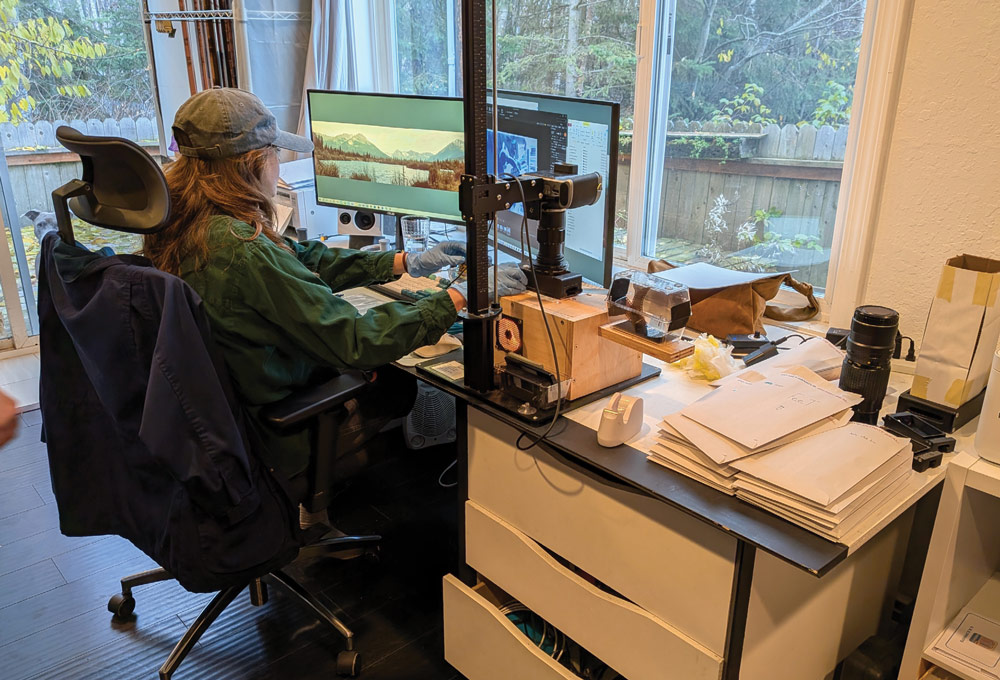
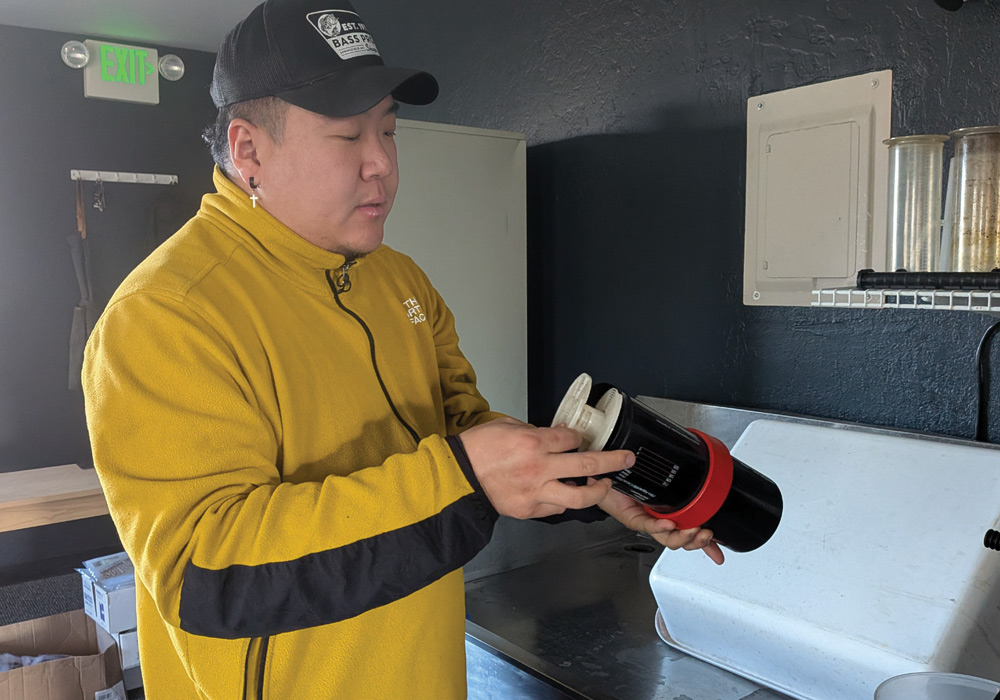
“But then it was like I was constantly on the phone explaining services,” recalls Milner. In 2022, he quit his advertising job and launched MediaM Film Lab that fall. At first, a busy week involved 30 to 40 rolls to process. Now a peak week brings 150 rolls, and he averages closer to 80. Since October 2023, Stewart’s Photo Shop has had a formal arrangement with Milner to provide film drop-off and collection for his service.
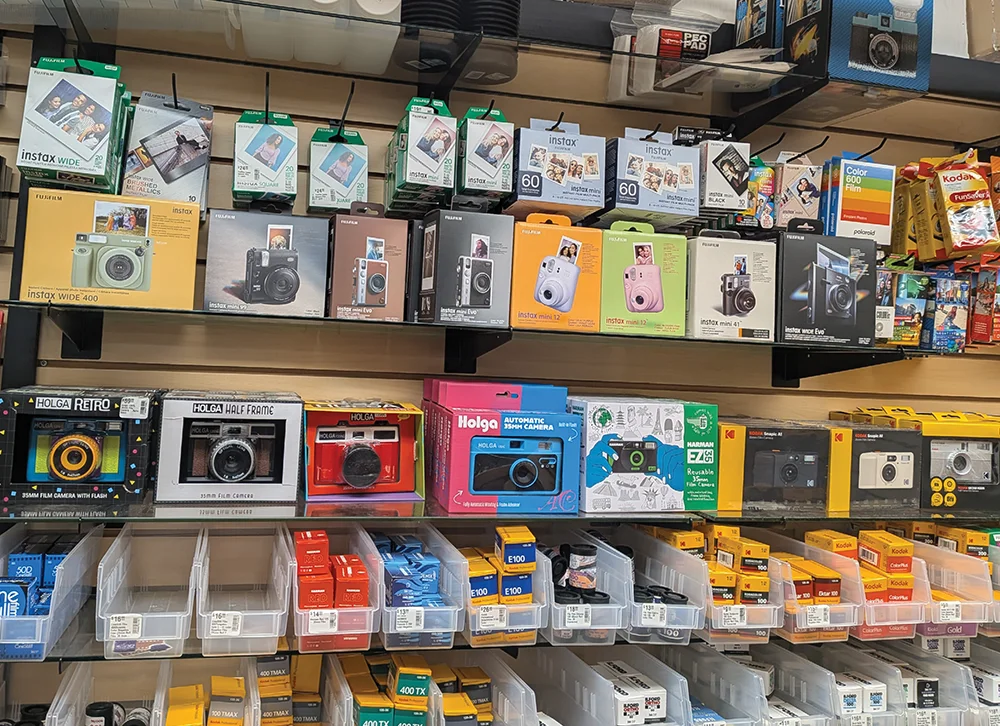
Stewart’s Photo Shop has seen increased interest firsthand. “I’ve been blown away by the amount of people coming in to buy film,” says Matt Ellis, one of the store’s owners. He left Anchorage about ten years ago and recently returned. “This is something we never would have considered about a decade ago.”
Between tourists and local interest in digital photography, Ellis says Stewart’s Photo Shop has remained on firm footing at its Fourth Avenue location. But film sales have grown so much that Stewart’s Photo Shop has started ordering and featuring a film of the month. The shop has seen sales of development chemicals increase, too—especially for black and white photography.
That demand comes from a new audience. “About ten years ago, it was really the hipsters” who were into film photography, Ellis says. “Now, it’s really all walks of life that are shooting film… I can’t generalize now.”
Doran, who co-runs a film photography group in Ireland, has seen a similar trend there. “Film photography is a luxury, I have to concede that,” he says, but even with a higher price tag attached, he’s seen a lot more diversity among hobbyists in just the past couple years: more women, younger people, and varied backgrounds.
“Anyone should be able to get into [film photography] if they want to put in that effort,” says Milner, who first went to school for engineering, then for film. The walks, which have included trips to Portage Lake and an Eagle River yurt, sometimes draw more than fifty people.
Those relationships are especially important, given some of what’s unique about film photography. Milner sometimes returns orders with a jotted note about things he observed while processing the roll or making prints, to help customers improve. “That’s what I wish I had when I was starting.” He thinks it will also support his business in the long run, by nurturing customer engagement with what can be a demanding hobby.
Christi Foist
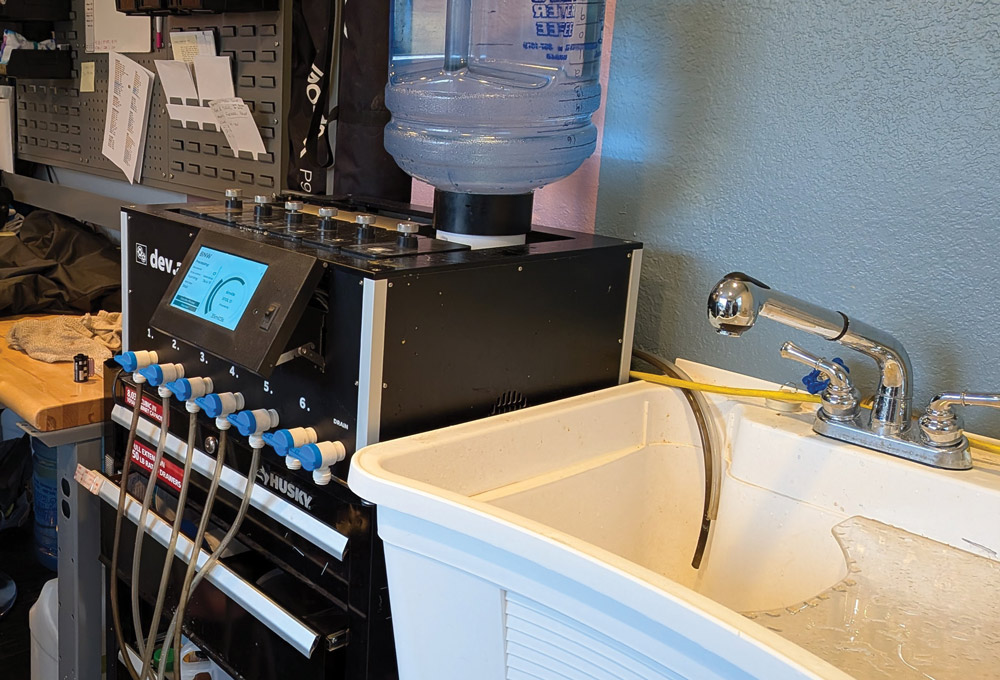
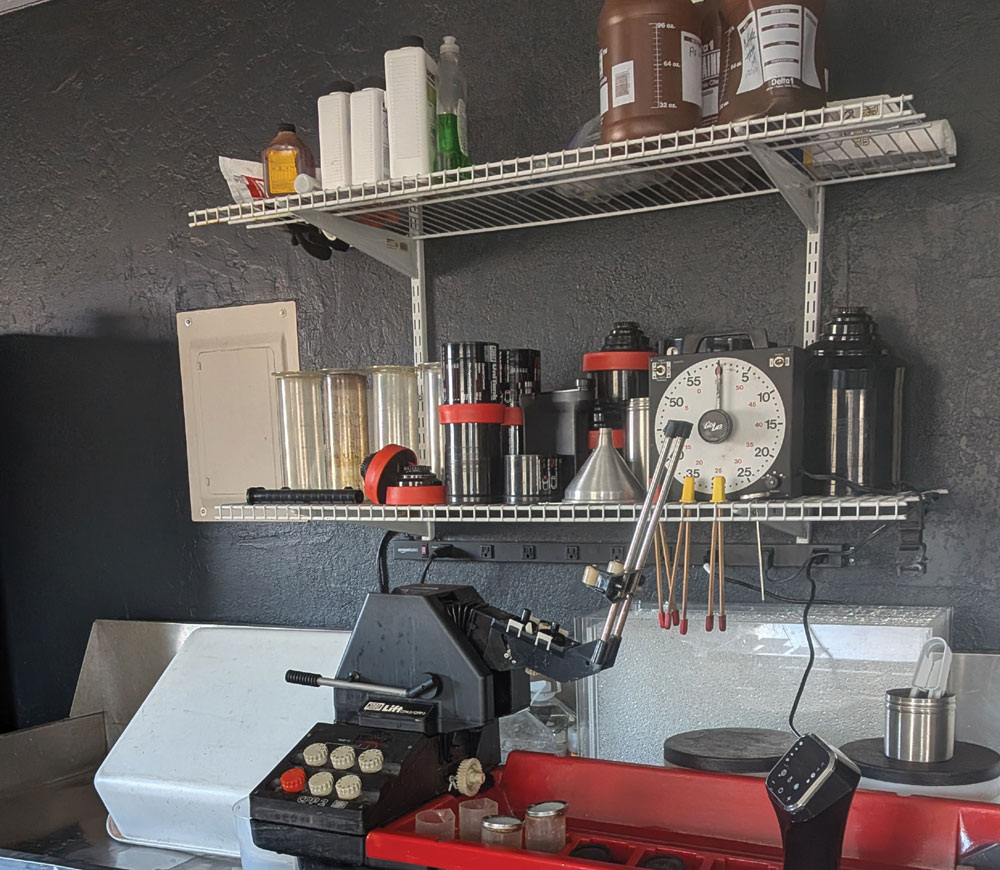
Sometimes, safer chemistry means buying a slower-acting bleach, Doran says, or a modern developer redesigned with better ingredients. In those cases, education can help people understand the differences between their options, and why one might choose a slightly more expensive product. While some products cost more, Milner says his careful chemical choices have allowed him to launch a film developing business without a traditional darkroom. “Literally the only thing I need is tables and a sink,” he says. “It wouldn’t work that way if I wasn’t using that type of chemistry.”
Milner’s approach also requires careful treatment of chemicals after their photographic use. Here, Doran, who manages industrial-level hazardous chemical waste at his Dublin day job, has been especially helpful. Ireland has a lot more home film development, Doran says, which has led him to focus on things “people can do at home.”
One such technique, which Milner uses, involves putting clumps of steel wool into used fixer, the chemical bath that removes unexposed, undeveloped silver from film. After a week or two, the iron in the steel wool becomes ionized and oxidized, and the hazardous silver salts in the fixer become harmless silver metal. “You effectively electroplate the steel wool with silver,” Doran says. The change also transforms the fixer solution into a harmless iron salt that Doran says people once used as a laxative.
Christi Foist
“This is still a very new space… I’m really open to… what the community might need,” says Kim, a UAA graduate who teaches a beginning photography course. He has a master’s degree in photography from the Hartford Art School at the University of Hartford.
Kim’s desire to serve the community shapes The Stoop’s other services, like its meeting space and library. The nature of film photography makes others’ input valuable, but limited processing and printing space inhibits such collaboration. “Old negative film, it’s an interpretive medium,” Kim says. “There’s so much translation that needs to be done.” Film photographers can adjust contrast, darkness, and other variables during the printing process.
The communal darkrooms that many places once offered provided a built-in community to help with those decisions. “You need that constructive criticism from a group setting. It helps build people as photographers,” Kim says.
Every time he travels out of state, he pays attention to local photography scenes and the features that foster community. “I’m always looking for what I find helpful,” he says, citing photography spaces he’s visited in New York and a Tokyo photo library that inspired The Stoop’s collection of books. “I try to bring a little of that back here.”
Christi Foist
“We love the space,” says Alaska Photographic Center board member Petra Lisiecki. She says the group has had board meetings there as well as a summer workshop. Lisiecki says the space’s location, intimacy, and uncomplicated rental process have worked well for meetings.
“What’s very nice with Young’s space is that it’s flexible. You can adjust the space to your need. He has all the technical elements there that you might need,” Lisiecki says.
Once Kim finishes building The Stoop’s darkroom, he plans to rent that space to photographers who want to personally see their pictures through the entire process. He also offers limited equipment rentals on a consultation basis.
Whether hobbyist or professional, digital disavower or retro enthusiast, Anchorage film photographers have a growing ecosystem and community to turn to. With something as tangible as film, sometimes there’s no substitute for a local, in-person experience. I, for one, am grateful. It turned out I’d gotten the best shots on the roll with partial light exposure.