



emand for medical project financing is growing in Alaska, with financial institutions reporting increased loan requests from medical facilities, surgery centers, dental practices, and other healthcare businesses. Various factors contribute to this trend.
For instance, payment delays from insurance providers can place a financial strain on medical establishments, according to Melissa Reiser, senior healthcare lending officer at First National Bank Alaska. And staying current with new medical technologies and addressing the healthcare needs of Alaska’s growing aging population require significant investment.
Medical practices are also looking to enhance operations by acquiring new equipment, including adopting AI tools to improve patient care or streamline administrative tasks. “Securing equipment loans is crucial for practices to stay at the forefront of medical technology and provide high-quality patient care,” Reiser says. “Additionally, medical equipment costs can trend high, particularly for specialized items like PET [positron emission tomography] scanners and imaging machines. We are also seeing a significant increase in the number of surgery centers being established to meet the growing healthcare needs of Alaskans.”

First National Bank Alaska
“More than ever, technology used for equipment, electronic medical records, revenue cycle management, and to enhance the patient experience is expensive and requires continuous upgrades,” Pomeroy says. “Practices are increasingly leveraging loans for these costs.”

KeyBank
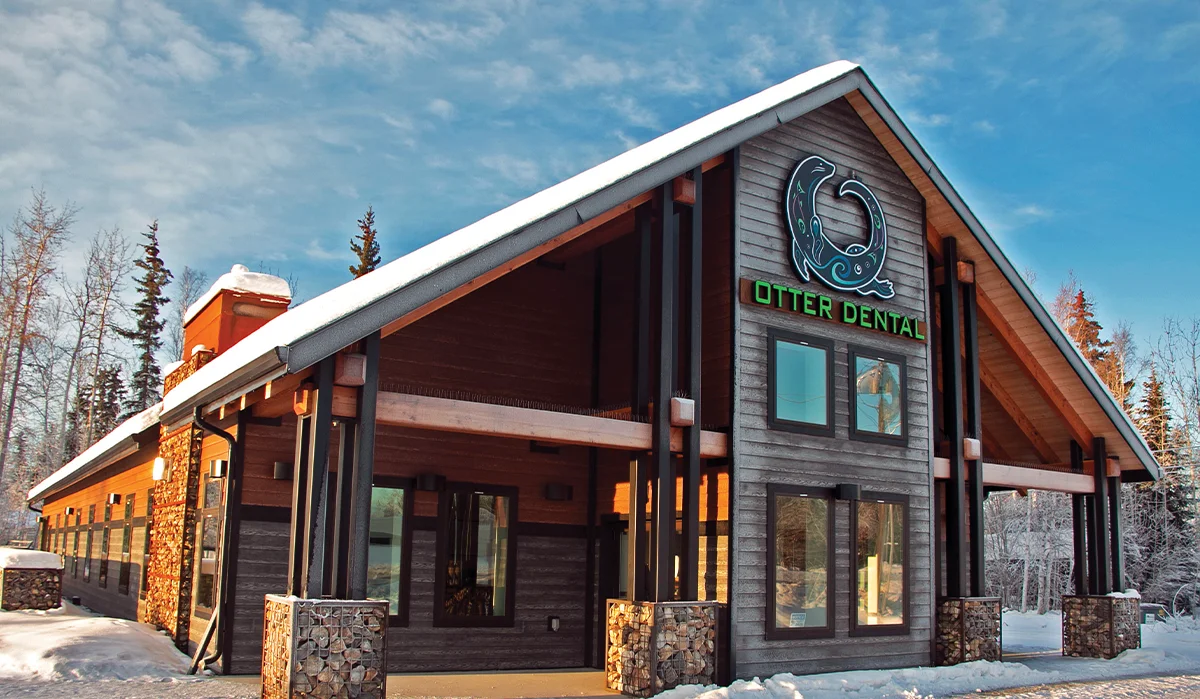
Besides providing loans to purchase a dental practice, Denali State Bank helps dentists who already own a practice finance relocations. That’s what happened when Dr. Erich Ott, the owner of Otter Dental, needed funds to expand to a central location in Fairbanks.
Ott had worked with Denali State Bank before; the bank had financed his acquisition of a dental practice in 2017. Then in 2020 Denali State Bank provided two more loans, which enabled Ott to build an expansion office with brand new equipment. “It was a lot of money, and the building was beautiful,” Ott says, preferring not to specify the loan amount.
Denali State Bank
What’s more, Denali State Bank was extremely supportive after Ott moved to new space two weeks before the COVID-19 pandemic, which led to a temporary shutdown. “The Alaska Board of Dental Examiners closed dentistry for ten weeks,” he explains. “During that time, Denali was very good about opening lines of communication and offering lines of credit.”
Ott says he interviewed several larger financial institutions for his dental office financing, but he opted to “go local” with Denali State Bank. “It felt much better, and they’ve taken care of me,” he says.

Otter Dental
For equipment loans, borrowers should discuss specific items with their lender because the useful life will determine the tenor and amortization of the loan. “Equipment lines are also an option which provide access to capital with timing flexibility, specifically for equipment. Equipment loans are typically structured as an operating or capital lease,” Pomeroy says.
Like most lenders, Denali State Bank is willing to finance all kinds of medical and dental equipment. The bank also offers an unusual home loan program specifically for physicians and dentists. “When a medical or dental practitioner graduates from school, most of them have a significant amount of medical school debt, and they generally have a negative net worth,” Lundgren explains. “They may not have a lot of money for a down payment for a house, so we’re willing to provide 100 percent financing on a home loan.”
In certain cases, if recent graduates have not had time to save a down payment, physicians and dentists may receive a better rate than what is generally offered to the public. Denali State Bank offers healthcare practitioners some of its best rates because of the stability of their business model. “We have a shortage of healthcare practitioners, so they’re less likely to go out of business,” Lundgren says. “The credit worthiness is very strong in the healthcare field.”
Denali State Bank reviews financial history and earnings of these individuals the same way it vets all business loan applicants. They must have a positive credit report and be able to demonstrate the earning capacity to repay the loan. “With almost all of our loans, we have recourse back to the owner,” Lundgren says. “So we ask all of our doctors and dentists to either be borrowers or guarantors.”
Wells Fargo has a dedicated “practice finance” team and a national healthcare team—each providing distinct solutions for different clients. “We are doing a lot of financing lately for Indian Health Service clinics and hospitals in Alaska,” says Sam Mazzeo, Wells Fargo’s Alaska commercial banking leader. “We’ve spent a lot of time with these clients and our national healthcare and public finance teams to structure flexible and attractive custom financing solutions to support these clients.”
“Collateral, personal guarantees (for smaller practices), or other sources of repayment will also be assessed,” he says. “Effective insurance reimbursement, revenue cycle procedures, and the payor mix will be evaluated. Quality and timely financial statements are critical. For larger facilities, the management team and their experience are assessed.”
For KeyBank, here’s how Pomeroy describes the medical lending process: “The financial package is submitted for underwriting and any collateral or secondary source of repayment is evaluated. As the loan structure is determined, a term sheet is provided showing estimated rates, covenants, fees, and other details. Upon approval and mutual agreement, it is advanced to documentation and booking. Smaller loans can use auto-generated documents while larger loans will use customized documents. The loan size can also determine if legal counsel is engaged. Various factors can impact the timing [for funding], but six to eight weeks is typical.”
Reiser says an early effort to build relationships with bankers, accountants, attorneys, and real estate agents is essential for success. Medical practices should develop a solid business plan that outlines financial and operational strategies. Additionally, they should compile a financial package for a loan application, which may include tax returns, financial statements, and other documents that demonstrate their financial situation. They should also be prepared to address challenges like cash flow management and other operational needs.
Establishing creditworthiness is also central to the lending process at First National. The bank recognizes that making quick and local decisions is crucial for the health and strength of Alaska businesses, Reiser says. With respect to medical facilities, it evaluates the financial history, the reliability of the business guarantors, and operational plans. Other important considerations include the business’ length of time in operation, credit history, and plans for growth.
In addition, Reiser says, First National stays on top of healthcare industry trends and regulatory changes, and it considers local healthcare market conditions affecting the overall demand for services in Alaska. “Our approach is to work side by side with our customers to help set them up for success,” she says.
Healthcare businesses typically have a strong repayment history, indicating low risk for lenders. Consequently, First National can often offer competitive rates and flexible terms for loans to these businesses, Reiser says.
Wells Fargo also customizes medical loan opportunities, offering fifteen-year loans with competitive rates, and its commercial bank and public finance teams partner to provide tax-exempt financing that may be unsecured for qualified borrowers. “Some medical facilities might not know that a specialty practice like ours exists in Wells Fargo and instead wind up in a loan agreement with someone that doesn’t understand their unique industry,” Mazzeo says. “Since we specialize in this space, we understand how to tailor a loan to allow our clients to grow and succeed.”
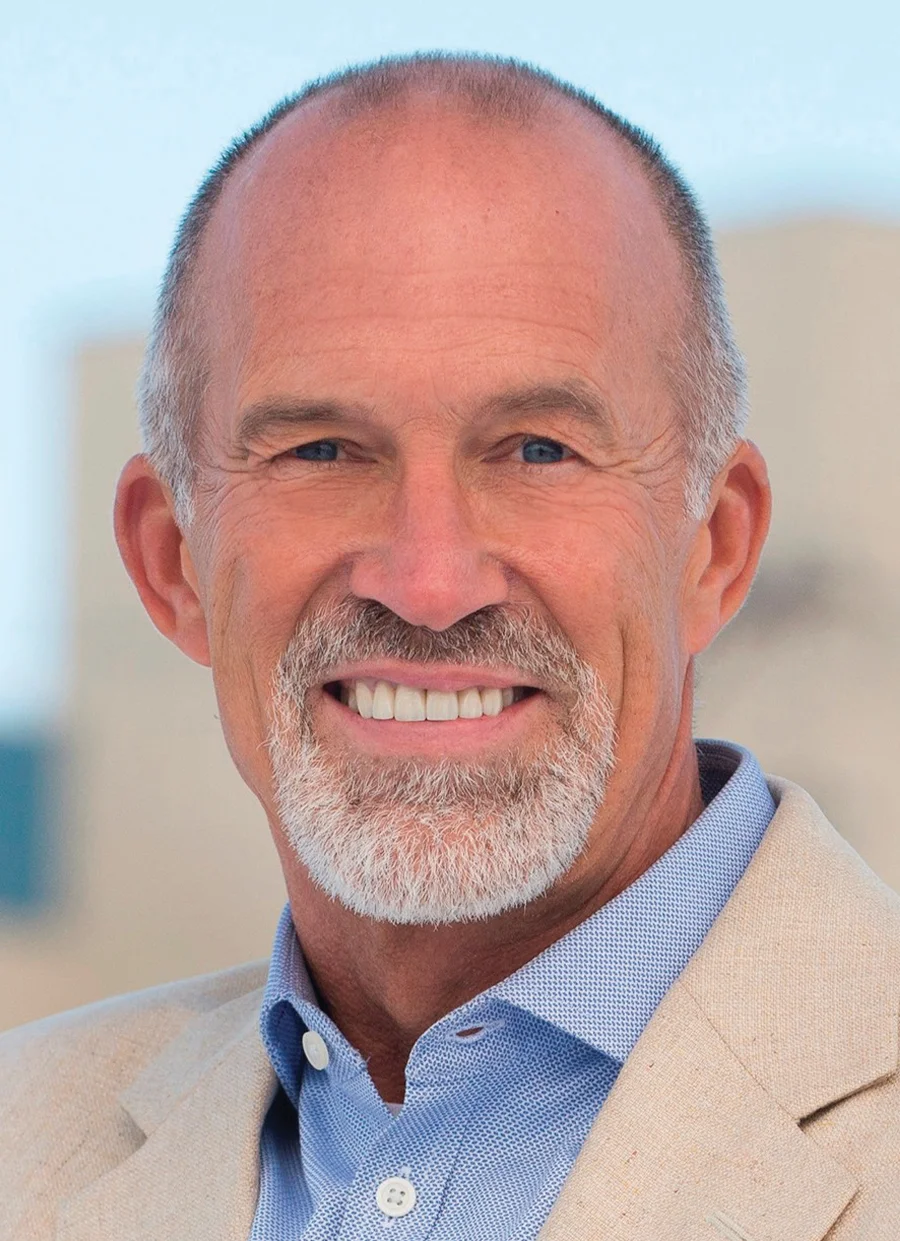
Erich Ott
Ensuring sufficient cash flow during low-income periods is also an issue for some medical businesses. To address this, First National may suggest a revolving line of credit as a support option. The bank is committed to helping new and established medical practices at every stage, Reiser says. “Whether it’s their first loan or they have decades of experience, we encourage Alaska healthcare businesses to reach out to a local expert who understands the medical industry and Alaska’s economy to help them navigate any challenge they may face,” she says.
Pomeroy says a common oversight of borrowers is not taking the time to provide or explain historical financials, which prevents the application process from advancing. Incomplete financial packages can cause delays and frustration—and can take providers away from their core task of caring for their patients. “Knowing the correct people to contact for the loan you are requesting is critical,” he says. “This will help tell the whole story beyond the financials.”
For Fairbanks borrowers who are purchasing an existing practice, building a new building, or buying new equipment, the biggest hindrances are high costs and a scarce labor force, Lundgren says. “Since COVID, we’ve lost a lot of our experienced workers in the construction industry, so the limited workforce is a challenge for anything involving construction,” he says. “And we’ve seen costs for just about any kind of equipment escalating since COVID. They’re having to buy all their equipment from outside of Alaska and ship it up here, so the cost of any new or renovation project is higher than it has been.”

Wells Fargo
Likewise, Reiser encourages borrowers to have conversations early. The medical industry is dynamic and constantly evolving, so working with an industry expert is crucial. “First National is a nimble financial institution that strives to meet our customers’ evolving needs,” she says. “Our healthcare industry experts are well-versed in the inner workings of the medical industries and involved in medical organizations in Alaska.”
But securing financing is only one aspect of a banking relationship, Reiser emphasizes. “Beyond loans and lines of credit, First National offers customized solutions to meet medical facilities’ financial needs, from investment services, treasury management services, and fraud-prevention tools to secure payment options and corporate credit cards that assist with cash flow optimization,” she says.
The banking environment is changing more than ever, says Pomeroy. Borrowers should not treat the loan merely as a transaction. He explains, “Like lawyers or accountants, your banking team should be a strategic advisor. Active dialogue—before, during, and after the loan—will help find a loan solution that benefits all and also help with other business financial goals.”
Lundgren advises prospective borrowers to choose a local lender—and ask for what they need rather than be restricted by the standard loan programs that the institution might offer. He says, “Seek out an institution that offers and provides the flexibility and financing type you need.”